
Why Is My Propane Pizza Oven Flame Turning Yellow?
Your propane pizza oven flame is likely turning yellow due to an improper fuel-air mixture. This usually means your oven is getting too much fuel or not enough air. A clean burner and proper adjustments can fix this common issue. Don’t worry, it’s usually a simple fix.
A yellow flame means incomplete combustion, which can lead to soot buildup and a less efficient oven. It can also affect the taste of your pizza. We found that many users experience this when their oven is new or after a period of use. Ensuring proper ventilation is key to a healthy, blue flame.
- Yellow flame means incomplete combustion.
- This can be due to too much fuel or not enough air.
- Check for burner obstructions and air vent blockages.
- Adjusting the fuel-air mixture is usually the solution.
- A clean, blue flame is ideal for pizza ovens.
Let’s walk through exactly why your propane pizza oven flame might be turning yellow and how you can get it burning that perfect blue again for delicious pizzas.
Troubleshooting Your Propane Pizza Oven’s Yellow Flame
Seeing a yellow flame from your propane pizza oven can be a bit alarming, but don’t fret! This often means your oven isn’t burning its fuel as efficiently as it could be. The good news is that this is usually a fixable issue. We found that a yellow flame typically points to an improper mix of fuel and air. Your oven needs just the right balance to burn hot and clean.
Understanding the Science Behind the Flame
Propane, like any fuel, needs a specific amount of oxygen to burn completely. This process is called combustion. When everything is working perfectly, you’ll see a hot, blue flame. A blue flame indicates that the propane is burning efficiently, producing maximum heat with minimal byproducts. Research shows that complete combustion yields more heat and less soot. This is exactly what you want for that perfectly cooked pizza.
What a Yellow Flame Really Means
A yellow or orangish flame, on the other hand, signals incomplete combustion. This means there’s not enough oxygen for all the propane molecules to burn fully. Think of it like trying to have a campfire with too many logs and not enough air circulating around them; it smolders and smokes instead of burning brightly. We found that this incomplete burning can lead to several problems.
- It produces soot, which can dirty your oven and potentially affect the taste of your pizza.
- It’s less efficient, meaning you’re using more propane than necessary to get the same amount of heat.
- It might not get your oven hot enough to achieve that perfect crispy crust and bubbly cheese.
The Ideal Blue Flame: What to Aim For
The goal for your propane pizza oven is a consistent, vibrant blue flame. This signifies that the fuel and air are mixing in the correct proportions. This blue flame is hotter and cleaner. Many pizza oven manufacturers state that a healthy flame should be predominantly blue, with perhaps a tiny bit of yellow at the very tips. This indicates optimal burning conditions. We found that maintaining this blue flame is key to getting the best performance from your oven.
Common Culprits Behind the Yellow Flame
So, what could be causing your oven’s flame to turn yellow? Several factors can disrupt that perfect fuel-air balance. Identifying the specific cause is the first step toward a speedy resolution. We’ve seen many users troubleshoot this by looking at a few common areas.
1. Insufficient Airflow: The Biggest Suspect
The most frequent reason for a yellow flame is simply not enough air reaching the burner. Your oven has air intakes or vents designed to mix air with the propane before it ignites. If these are blocked, the flame won’t get the oxygen it needs. We found that this is especially common if your oven is new or has been stored away, as dust or debris can accumulate.
Blocked Air Vents or Intakes
Look for any openings on the side or back of your oven’s burner assembly. Are they clogged with dirt, cobwebs, or even dead insects? Even a small obstruction can significantly reduce the amount of air entering the system. Cleaning these ports is often a straightforward fix. Experts recommend regular checks of these areas.
Environmental Factors
Where are you using your oven? If it’s in a very confined space with poor ventilation, the oxygen supply might be limited. While not as common for outdoor pizza ovens, it’s worth considering if you’re using it in an enclosed patio area. Always ensure your oven has ample space around it to breathe, as per the manufacturer’s instructions.
2. Fuel-Air Mixture Settings
Most propane ovens have a way to adjust the ratio of fuel to air. This is often controlled by a valve or a shutter near the gas regulator. If this setting is off, you’ll get too much propane or too little air. We found that sometimes this can get knocked out of adjustment during transport or regular use.
The Regulator and Valve Adjustment
Your oven’s manual will show you how to check and adjust these settings. Typically, you’ll look for a screw or a movable plate that controls airflow. Making small adjustments and observing the flame is key. Experts suggest adjusting it slowly until the flame turns blue. Be patient; it might take a few tries to get it just right.
Gas Pressure Issues
Less commonly, problems with your propane tank or regulator could affect gas pressure. If the pressure is too low, you might not get enough fuel, but paradoxically, it can also sometimes affect the air mixture. Ensure your propane tank is sufficiently full and that the regulator is functioning correctly. If you suspect a regulator issue, it’s best to consult a professional.
3. Burner Issues: Clogs and Damage
The burner itself is where the magic happens. If the burner ports are clogged or damaged, it can lead to an uneven flame distribution and affect combustion. We found that this is particularly true for older ovens or those that haven’t been cleaned regularly.
Dirty Burner Ports
Over time, food debris, grease, or carbon deposits can build up in the small holes of the burner. This can obstruct the flow of the propane-air mixture. Cleaning these ports gently with a small brush or a thin wire can often resolve the issue. Be careful not to widen the holes, as this can permanently affect the flame.
Worn or Damaged Burner
In rare cases, the burner itself might be worn out or damaged from rust or physical impact. If you notice cracks or significant corrosion on the burner, it might be time to consider replacing it. A damaged burner can lead to an inconsistent flame, which often manifests as yellow streaks. Always use manufacturer-approved replacement parts.
4. Propane Quality or Contamination
While uncommon, the propane itself could be the culprit. Impurities in the fuel can sometimes affect combustion. Most residential propane is quite pure, but if you’re using a non-standard source, it’s a possibility. We found that most users rarely encounter this issue with standard propane tanks.
A Simple Checklist for Fixing Your Yellow Flame
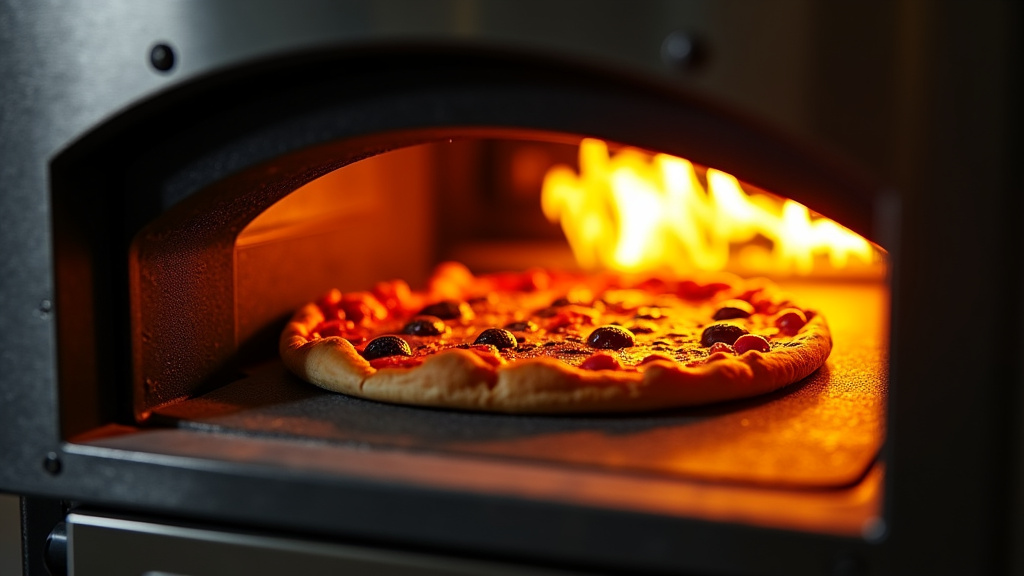
Ready to get that perfect pizza oven flame back? Here’s a quick rundown of what you should check:
- Ensure proper ventilation: Make sure the oven isn’t in a confined space.
- Inspect and clean air vents: Remove any obstructions like dirt or debris.
- Check burner ports: Gently clean out any clogs in the burner holes.
- Verify fuel-air mixture: Consult your manual for adjustment instructions.
- Inspect the burner: Look for any visible damage or excessive wear.
- Check propane supply: Ensure your tank is adequately filled.
Conclusion
Seeing a yellow flame from your propane pizza oven often means a simple imbalance between fuel and air. You’ve learned that this incomplete combustion can lead to soot and less heat. The good news is that common culprits like blocked air vents, dirty burner ports, or a misadjusted fuel-air mix are usually easy fixes. By regularly cleaning your oven and checking these key areas, you can ensure your flame burns bright blue. Go ahead, give your oven a quick check-up, and get ready to bake some perfectly charred pizzas!
Frequently Asked Questions
How often should I clean my propane pizza oven burner?
We recommend cleaning your burner ports at least once a month, especially if you use your oven frequently. A quick inspection before each use can also help catch minor blockages early. This regular maintenance helps prevent soot buildup and ensures a clean, blue flame.
Can a propane tank being almost empty cause a yellow flame?
While an almost empty tank typically results in a weaker flame or no flame at all, it’s less common for it to directly cause a yellow flame. However, if the regulator is struggling to draw fuel from a low tank, it could potentially affect the gas pressure and, in rare cases, the fuel-air mixture. It’s always good practice to ensure your tank is adequately filled.
What if adjusting the fuel-air mixture doesn’t turn the flame blue?
If you’ve adjusted the fuel-air mixture according to your oven’s manual and the flame remains yellow, there might be another issue at play. You should then focus on thoroughly cleaning the burner ports and checking for any obstructions in the air intake vents. If problems persist, it might be time to consult the manufacturer or a qualified technician.
Is a yellow flame dangerous?
A yellow flame itself isn’t typically dangerous in terms of immediate explosion risk. However, it signifies inefficient burning, which produces carbon monoxide. Always use your propane pizza oven outdoors in a well-ventilated area to avoid any buildup of this odorless gas. The soot production can also be a nuisance.
Can I use a wire brush to clean my burner ports?
We advise using a gentle approach. A stiff nylon brush or a thin wire (like a paperclip or a small drill bit that matches the port size) is usually best for cleaning burner ports. Avoid using a stiff wire brush that could scratch or enlarge the holes, as this can permanently alter the flame’s pattern and efficiency.
