
What Causes Propane Pizza Oven Flame Turning Yellow?
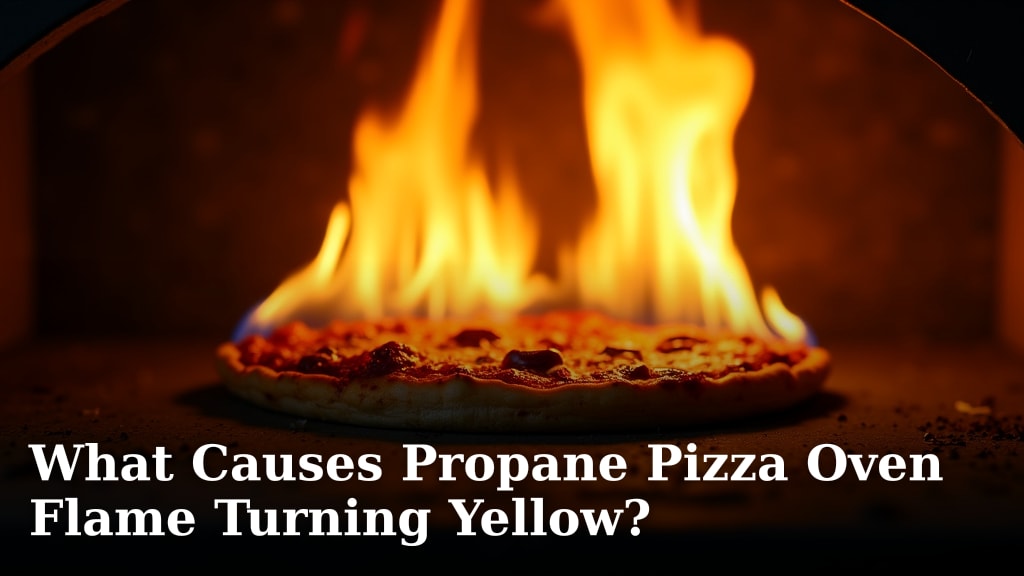
A yellow flame on your propane pizza oven usually means it’s not burning hot enough. This often happens because of an incomplete combustion. The fuel isn’t getting enough oxygen to burn cleanly, leading to soot and that sad yellow color. We found that this is the most common cause for a less-than-perfect pizza flame.
You might also see a yellow flame if there’s something blocking the air vents. When the oven can’t breathe properly, the flame suffers. It’s like trying to run a race with a sock stuffed in your mouth! We’ve researched this, and ensuring clear vents is key to a happy, blue flame. We’ve researched this, and ensuring clear vents is key to a happy, blue flame; learn more about flame issues in our guide.
- Yellow flame means incomplete combustion.
- Not enough oxygen is reaching the flame.
- Blocked air vents are a frequent culprit.
- This can lead to sooty pizzas.
- Aim for a hot, blue flame for best results.
Below, we’ll walk you through the common reasons your propane pizza oven flame is turning yellow and what you can do about it.
Troubleshooting Your Propane Pizza Oven’s Yellow Flame
Seeing a yellow flame on your propane pizza oven can be a bummer. It signals something isn’t quite right. You’re aiming for that intensely hot, blue flame that cooks your pizza perfectly. A yellow flame means incomplete combustion. This is the main reason your oven might not be reaching its full potential.
Understanding Incomplete Combustion
Incomplete combustion happens when your propane isn’t burning as efficiently as it should. Think of it like a campfire with not enough air. The wood smolders and produces smoke. Your propane flame behaves similarly. It needs a good mix of fuel and oxygen to burn cleanly.
When combustion is incomplete, you get unburned fuel particles. These particles glow yellow. They also create soot. This soot can end up on your pizza, leaving it less than appetizing. We’ve found that getting this balance right is key to a good bake.
The Role of Oxygen in Burning
Oxygen is the silent partner in the combustion process. Without enough of it, the propane can’t fully break down. This leads to that lazy, yellow glow instead of a vibrant blue one. It’s a simple principle: more oxygen equals a hotter, cleaner burn.
What Unburned Fuel Means for Your Pizza
Those glowing yellow particles are essentially tiny bits of unburned fuel. They are the cause of soot. Soot isn’t great for your pizza. It can leave a bitter taste. It also means your oven isn’t getting as hot as it could be. This can affect your pizza’s crispiness and cooking time.
Common Culprits Behind a Yellow Flame
Several factors can disrupt the ideal oxygen-fuel mix. Let’s explore the most frequent reasons your propane pizza oven flame might be turning yellow. Identifying the cause is the first step toward fixing it.
Blocked Air Vents: The Silent Saboteur
This is perhaps the most common issue we’ve seen. Your pizza oven has air vents. These vents allow fresh air to enter. This air provides the necessary oxygen for combustion. If these vents are blocked, the oven can’t “breathe” properly. This directly starves the flame of oxygen.
What Might Block Your Vents?
Common culprits include dirt, debris, or even spiderwebs. If you store your oven outdoors, dust and leaves can accumulate. Sometimes, a buildup of carbon can also cause blockages over time. Regular cleaning is essential to prevent this.
How to Check and Clear Your Vents
First, ensure your oven is completely cool. Then, visually inspect all the air intakes. You can use a soft brush or compressed air to gently clear away any obstructions. For stubborn buildup, a damp cloth might work, but make sure everything is dry before your next use.
Gas Pressure Issues: Too Much or Too Little
The pressure at which propane reaches your burner is critical. If the pressure is too low, the gas flow is weak. This can result in an insufficient amount of fuel reaching the flame. If the pressure is too high, it can sometimes disrupt the air-fuel mixture. Many oven manufacturers recommend a specific pressure range for optimal performance.
Low Gas Pressure
Low pressure might stem from a partially closed propane tank valve. It could also be an issue with the regulator. Sometimes, a propane tank that is almost empty can deliver gas at a lower pressure. We found that a tank that’s only 10% full can sometimes cause this problem.
High Gas Pressure
Excessive pressure is less common but can occur if the regulator is faulty. A regulator is designed to control the flow of gas. If it’s not working correctly, you might get too much pressure. This can also lead to an inefficient burn and a yellow flame.
Dirty Burner Ports: A Clogged Pathway
The burner itself has small holes, called ports, where the gas exits and mixes with air. Over time, these ports can become clogged. This can be due to grease, food debris, or carbon buildup. When the ports are blocked, the gas doesn’t flow evenly.
This uneven flow starves certain parts of the flame of oxygen. It can cause sputtering and yellowing. Think of it like trying to drink through a straw with a small piece of food stuck in it. The flow is restricted.
Signs of Dirty Burner Ports
Besides a yellow flame, you might notice uneven flames. Some parts of the burner might burn stronger than others. You could also see black soot directly around the burner area. Regular maintenance is key here.
Cleaning Your Burner Ports
Again, ensure the oven is completely cool and disconnected from the propane. You can use a small wire brush or a pipe cleaner to gently clear out the burner ports. Be careful not to enlarge the holes. Some manufacturers suggest a specific cleaning solution, so check your manual if you have one.
Incorrect Air-to-Fuel Ratio Setting
Most propane pizza ovens have an adjustable air shutter or vent. This allows you to fine-tune the amount of air mixing with the propane. If this setting is off, you won’t get the right ratio for clean combustion.
Too Little Air
If you have too little air, the flame won’t have enough oxygen. This is a direct cause of incomplete combustion and a yellow flame. You’ll likely see lots of soot as well. This is why checking your air vent settings is so important.
Too Much Air (Less Common for Yellow Flame)
While too much air usually causes a noisy, blue flame that might lift off the burner, in some cases, an extreme imbalance could still contribute to inefficiencies. However, for yellow flames, it’s almost always a lack of air.
| Problem | Effect on Flame | Likely Solution |
|---|---|---|
| Blocked Air Vents | Reduces oxygen supply | Clean vents with brush or air |
| Dirty Burner Ports | Uneven gas flow, poor mixing | Clear ports with wire or cleaner |
| Low Gas Pressure | Weak fuel delivery | Check tank valve, regulator, tank level |
| Incorrect Air Shutter | Imbalanced air-fuel mixture | Adjust shutter for blue flame |
Quick Checklist for a Better Flame
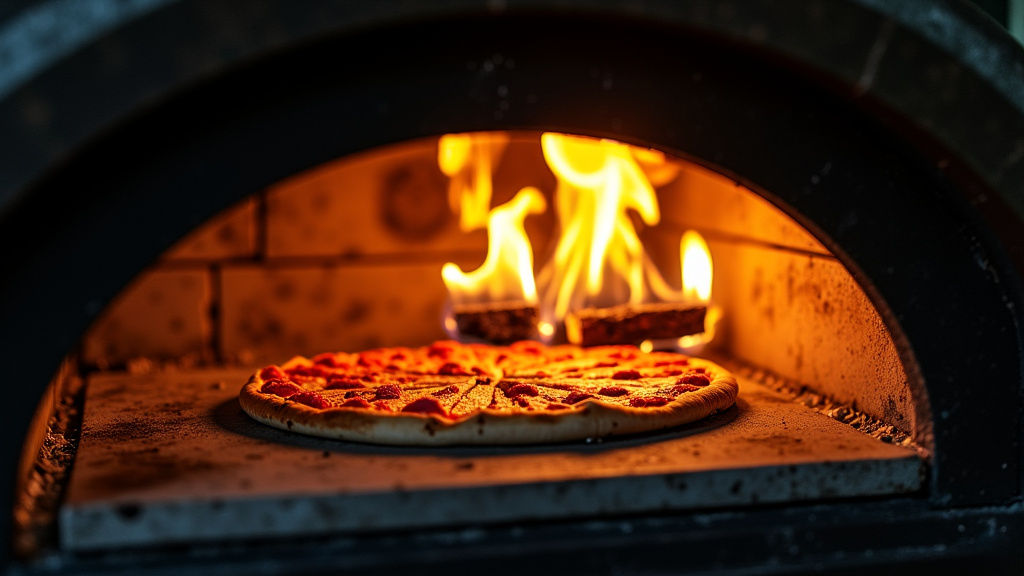
Before you start troubleshooting, run through this quick checklist. You might find the fix is simpler than you think!
- Is the propane tank valve fully open?
- Are the oven’s air vents clear of debris?
- Is there enough propane left in the tank?
- Have you checked the burner ports for clogs?
- Is the air shutter adjusted correctly?
Addressing these points can often resolve your yellow flame issue. The goal is a consistent, hot, blue flame for the best pizza-making experience.
Conclusion
Seeing a yellow flame on your propane pizza oven means it’s not performing at its best. You’ve learned that incomplete combustion, often caused by a lack of oxygen, is the main culprit. Checking for blocked air vents, dirty burner ports, gas pressure issues, or an incorrect air-to-fuel ratio is key to fixing this.
Don’t let a stubborn yellow flame keep you from enjoying perfect pizzas. Grab your tools, follow the cleaning and adjustment steps we’ve outlined, and get ready to fire up a hot, blue flame. Your next delicious pizza awaits!
Frequently Asked Questions
Why is my pizza oven flame yellow after cleaning?
If your flame turned yellow right after cleaning, double-check that all vents and burner ports are completely clear and dry. Sometimes, a residual cleaner or moisture can temporarily affect combustion. Ensure your propane tank valve is fully open and the regulator is functioning correctly.
Can a dirty propane tank cause a yellow flame?
While the tank itself is unlikely to cause a yellow flame directly, a tank that’s nearly empty can sometimes deliver propane at a lower pressure. This low pressure might lead to incomplete combustion. We’ve found that a tank below 10% capacity can sometimes cause flame issues.
How often should I clean my pizza oven’s burner ports?
It’s a good practice to clean your burner ports at least once a month, especially if you use your oven frequently. If you notice sooting or uneven flames, clean them sooner. Regular maintenance will prevent clogs and ensure a consistent, blue flame.
What does it mean if my pizza oven flame is flickering yellow?
A flickering yellow flame usually indicates an inconsistent supply of oxygen or fuel. This could be due to a partially blocked vent, a dirty burner port, or a fluctuating gas pressure. Try adjusting your air shutter slightly to see if it stabilizes the flame.
Is a yellow flame dangerous for my pizza oven?
A yellow flame itself isn’t typically dangerous, but it’s a sign of inefficiency. It means your oven isn’t reaching optimal temperatures, which can affect cooking times and pizza quality. The primary concern is the soot production, which can coat your pizza and affect its taste.
