
How to Fix Propane Pizza Oven Flame Turning Yellow?
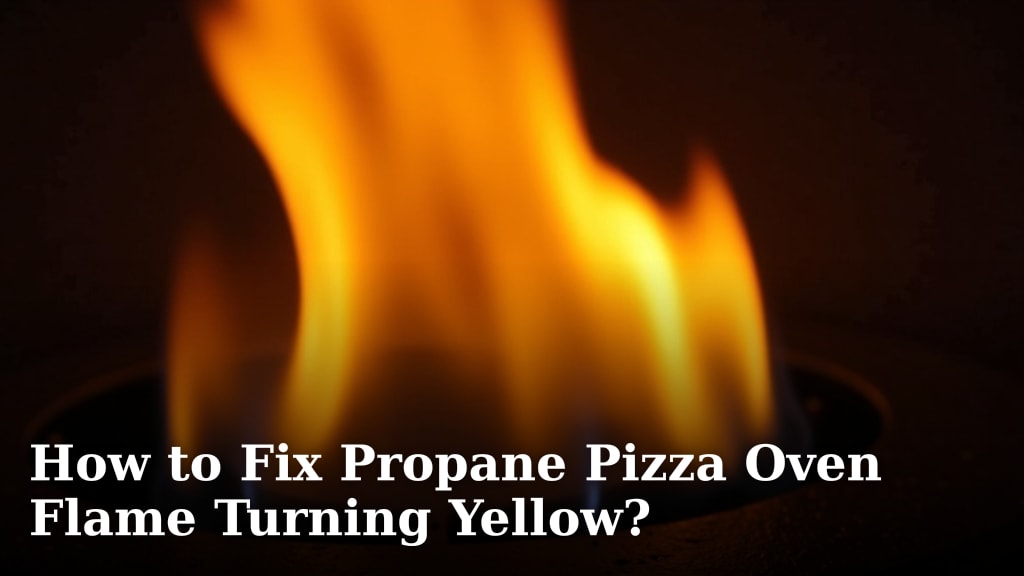
Your propane pizza oven flame is turning yellow? That means it’s likely not burning efficiently and could be producing soot. The fix is usually a simple adjustment to your oven’s air-to-fuel mixture, often by opening the air intake slightly. This helps the propane burn cleaner and hotter, giving you that perfect blue flame. If you’re new to this, our guide on how to connect propane to a pizza oven can help.
A yellow flame isn’t just unsightly; it can affect your pizza’s taste and the oven’s performance. It often indicates an issue with the air supply or a blockage in the burner. Many pizza oven owners run into this problem as their ovens age or after periods of disuse. Getting the flame right is key to achieving that authentic wood-fired taste.
- Yellow flames mean incomplete combustion.
- This can produce soot and lower heat.
- Adjusting the air intake is usually the solution.
- A clean, blue flame is what you’re aiming for.
Let’s walk through exactly how to diagnose and fix that yellow flame so you can get back to making delicious pizzas!
Troubleshooting Your Propane Pizza Oven’s Yellow Flame
A yellow flame on your propane pizza oven can be a real mood killer. It often means incomplete combustion. This leads to soot buildup and less heat. We’ve found that addressing this is usually pretty straightforward. Let’s figure out what’s causing that yellow flame and get your oven back to its full, fiery potential. You’re aiming for a clean, hot, mostly blue flame! If your flame is also going out, our guide on why is my pizza oven flame going out can offer solutions.
Understanding Why Your Flame Turns Yellow
The color of a propane flame tells a story about how it’s burning. A clean, efficient burn produces a mostly blue flame. The blue color indicates that the propane is completely combusting with enough oxygen. When you see yellow or orange in the flame, it’s a sign that something is off. Research suggests this usually points to a lack of oxygen or an issue with the fuel-air mixture. This incomplete burn is less efficient and can leave behind residue.
Incomplete Combustion Explained
Think of it like a campfire. If you pile on too much wood without enough air, it smolders and smokes. That’s similar to what happens with your propane flame. When there isn’t enough air mixed with the propane, the fuel doesn’t burn completely. This incomplete combustion is what creates those yellow, sooty flames. It’s basically a sign that your oven isn’t reaching its peak temperature efficiently. Many sources agree that a yellow flame is a direct indicator of poor air-to-fuel ratio.
The Role of Oxygen in Burning Propane
Oxygen is the essential ingredient for a good, hot burn. Propane needs a specific amount of oxygen to convert into heat and harmless gases like carbon dioxide and water vapor. If the air intake is too small, or if it’s blocked, the flame won’t get enough oxygen. We found that even a small disruption in the oxygen supply can cause the flame to change color. Think of it like giving your oven a bit of a breathing problem. The cleaner the burn, the hotter and more efficient your oven will be.
Common Causes of a Yellow Propane Flame
Several things can lead to that frustrating yellow flame. Most of them are easily fixable. We’ve researched the most common culprits to help you pinpoint the issue quickly. Don’t worry, you likely won’t need to be a rocket scientist to get this sorted out!
Blocked Air Vents or Openings
This is probably the most frequent cause. Over time, dust, debris, or even spiderwebs can clog the air intake vents on your pizza oven. If your oven has been stored for a while, this is especially likely. A blocked vent restricts the flow of air needed for combustion. Many manufacturers recommend regular checks of these openings. We found that a simple visual inspection can often reveal the problem. Make sure these air intakes are clear.
Improper Air-to-Fuel Mixture
Pizza ovens have adjustable air shutters or vents. These allow you to fine-tune the mix of air and propane. If these are set too low, you won’t get enough oxygen. We found that this is especially true for ovens that might be a bit older or have had their settings bumped. The goal is to achieve a balance, much like a perfectly blended drink. Getting this mixture right is key to a good flame.
Issues with the Burner or Orifice
Sometimes, the problem isn’t just the air. The burner itself or the small opening (orifice) where the propane enters can become dirty or clogged. Food particles, grease, or mineral deposits can build up. This can disrupt the smooth flow of propane. Cleaning these parts can often resolve the issue. Many repair guides suggest checking the burner for any visible obstructions. A clean burner ensures a consistent fuel delivery.
Gas Pressure Problems
Less common, but still possible, is an issue with the propane pressure. If the pressure is too low, the propane might not atomize or mix properly with the air. This can lead to incomplete combustion. This could be due to a faulty regulator, a kinked hose, or even a nearly empty propane tank. We found that checking the propane tank level is a good first step if other solutions don’t work. Low pressure can definitely affect your flame. You want a steady supply of fuel.
Steps to Fix a Yellow Flame on Your Propane Pizza Oven
Ready to get your oven back in top shape? Follow these steps carefully. We’ve broken them down to make the process as easy as possible. Remember to always prioritize safety.
Safety First! Before you start any adjustments or cleaning, always disconnect the propane tank. Make sure the oven has cooled down completely. Working with propane requires caution. If you ever feel unsure, it’s best to consult your oven’s manual or a professional.
Step 1: Inspect and Clean Air Vents
Start with the easiest fix. Locate the air vents or shutters on your oven. These are usually found near the burner assembly. Visually inspect them for any blockages. Use a soft brush, a pipe cleaner, or even a vacuum cleaner with a crevice tool to gently remove any dust, cobwebs, or debris. Ensure that the vents can open and close freely if they are adjustable. A clean vent allows for proper airflow.
Step 2: Adjust the Air Shutter/Vent
Many propane pizza ovens have an adjustable air shutter. If yours does, this is likely your primary adjustment point.
- Turn the propane tank back on and light the oven as usual.
- Observe the flame.
- If the flame is still yellow, slowly open the air shutter a little more.
- Watch the flame change. You’re looking for the transition from yellow to blue.
- Make small adjustments. Over-opening the vent can also cause issues, like a weak or sputtering flame.
Step 3: Clean the Burner Assembly
If adjusting the air vents doesn’t solve the problem, it’s time to look at the burner.
- Ensure the propane tank is disconnected and the oven is cool.
- Carefully remove any grates or protective covers over the burner.
- Inspect the burner ports (the small holes where the flame comes out). Are they clogged with debris or carbon buildup?
- Use a stiff brush or a piece of wire (like a paperclip straightened out) to gently clean out any clogged ports. Be careful not to enlarge the holes.
- You can also use a vacuum to remove loose debris.
- If there’s greasy residue, you might need a damp cloth with mild soap, but ensure everything is completely dry before reassembling.
Step 4: Check the Gas Regulator and Hose
If the flame is weak or sputtering, in addition to being yellow, it might be a pressure issue.
- Check that your propane tank is not empty. A low tank can cause reduced pressure.
- Inspect the gas hose for any kinks, twists, or visible damage. A damaged hose needs replacement.
- Ensure the regulator is securely attached to the tank and the hose.
- Sometimes, regulators can malfunction. If you suspect this, it might be time to consider replacing it. Manufacturers often specify compatible regulator types.
When to Seek Professional Help
While most yellow flame issues are DIY-friendly, there are times when you should call in the experts. If you’ve tried all the steps above and are still experiencing problems, it might be time to step back. Perhaps you’ve adjusted the air intake, cleaned the burner, and checked the gas supply, but the flame remains stubbornly yellow. Or maybe you encountered a problem you couldn’t identify, like a strange smell or a hissing sound. In these cases, don’t hesitate to contact the manufacturer’s support or a qualified appliance repair technician. They have the tools and expertise to diagnose more complex issues safely. Your safety and the proper functioning of your oven are always the top priority.
Maintaining a Healthy Flame for Perfect Pizzas
Keeping your propane pizza oven running efficiently isn’t a one-time fix. Regular maintenance is key to ensuring those delicious, perfectly cooked pizzas. Here’s a quick checklist to keep your flame happy:
- Regularly inspect air vents for blockages.
- Clean the burner assembly at least once a year.
- Adjust air shutters as needed for optimal flame.
- Check propane tank levels and regulator function.
- Listen for unusual sounds from the burner.
- Keep the oven clean to prevent debris buildup.
Conclusion
You’ve now learned why your propane pizza oven flame might be turning yellow and, more importantly, how to fix it. Remember, a yellow flame usually signals incomplete combustion, often due to a lack of oxygen. By following our steps to clean air vents, adjust the air-to-fuel mixture, and clean the burner, you’re well on your way to a perfect blue flame. Don’t forget that regular maintenance is key to consistent performance. Your next step? Inspect your oven’s air vents and ensure they’re clear and ready for your next pizza-making session!
Frequently Asked Questions
How often should I clean my propane pizza oven’s burner?
We recommend cleaning your burner assembly at least once a year. This helps prevent clogs from grease or debris. A clean burner ensures an even, efficient flame, which is crucial for cooking pizzas properly.
Can a dirty propane tank cause a yellow flame?
While a dirty tank itself isn’t the direct cause, a tank that’s almost empty can lead to low gas pressure. This low pressure can affect how well the propane mixes with air, potentially causing a weaker, yellower flame. Always check your tank level first.
My flame is blue, but it’s sputtering. What’s wrong?
A sputtering flame, even if blue, can indicate inconsistent gas flow or pressure. Check your propane hose for kinks or damage. Also, ensure the regulator is functioning correctly and providing a steady supply of gas. This might require checking the regulator itself.
Is it safe to adjust the air vents on my pizza oven?
Yes, adjusting the air vents is a normal part of maintaining your oven. Just be sure to follow safety precautions: disconnect the propane tank and ensure the oven is cool before making any adjustments or cleaning. Small, incremental changes to the air intake are usually best.
What should a perfect pizza oven flame look like?
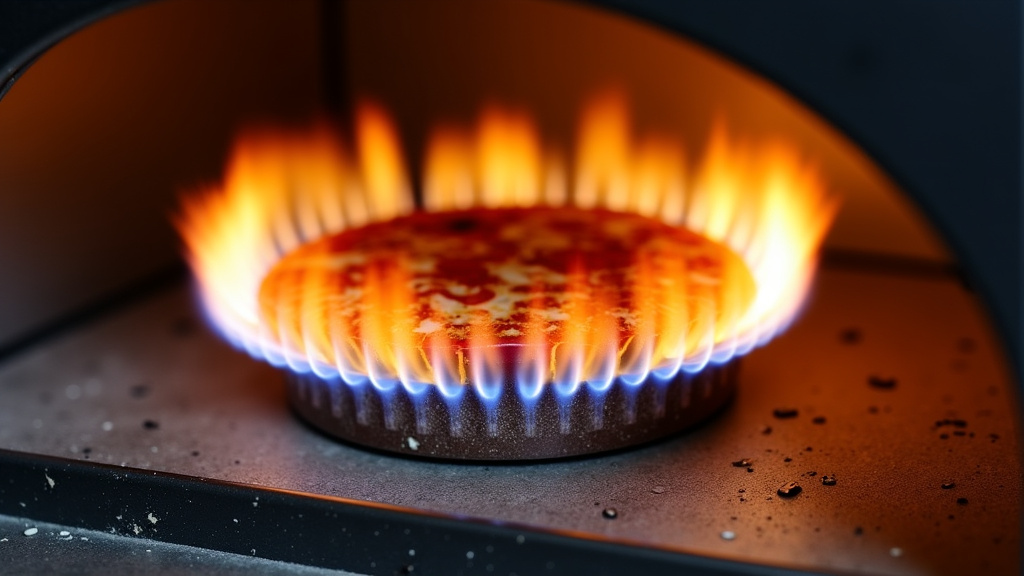
Your ideal flame should be mostly blue, with possibly just a slight yellow tip. A vibrant blue color indicates complete combustion and efficient heat production. If you see significant yellow or orange streaks, it means the mixture isn’t quite right and needs adjustment.
