Frigidaire Gas Oven Losing Heat with a Pizza Stone?
A Frigidaire gas oven can seem to lose heat with a pizza stone because the stone absorbs heat during preheating and recovery, especially if it is cold, thick, or placed where it restricts airflow. Check the oven temperature, rack position, and your model's manual before changing how you bake.
On this page (7 sections)
- Why is my Frigidaire gas oven losing heat with a pizza stone?
- Can the pizza stone block heat in a gas oven?
- How should I preheat a pizza stone in a Frigidaire gas oven?
- How can I check for a temperature or burner issue?
- Could a pan or screen work better than a stone?
- What else can affect heat and crust results?
- When should I stop using the oven and get help?
A Frigidaire gas oven can seem to lose heat with a pizza stone because the stone absorbs heat during preheating and recovery, especially if it is cold, thick, or placed where it restricts airflow. Check the oven temperature, rack position, and your model's manual before changing how you bake.
A stone stores heat and transfers it to the dough. That can improve the bottom crust, but a cold pizza, a long door opening, or a stone that blocks airflow can slow the oven's return to its set temperature.
Why is my Frigidaire gas oven losing heat with a pizza stone?
A pizza stone can slow heat recovery, but it should not cause an otherwise working oven to lose heat continuously. The oven heats the stone along with its cavity, and adding food or opening the door can cause a temporary drop.
The temperature shown on an oven display may not match the temperature at the stone. Gas ovens cycle their burner to maintain heat, so a brief fluctuation can be normal; a persistent low temperature, uneven baking, or a burner that fails to relight needs more attention.
First, check the oven's manual for approved rack positions and anything that must remain clear. If you can't confirm that a stone is allowed, ask Frigidaire support before using one.
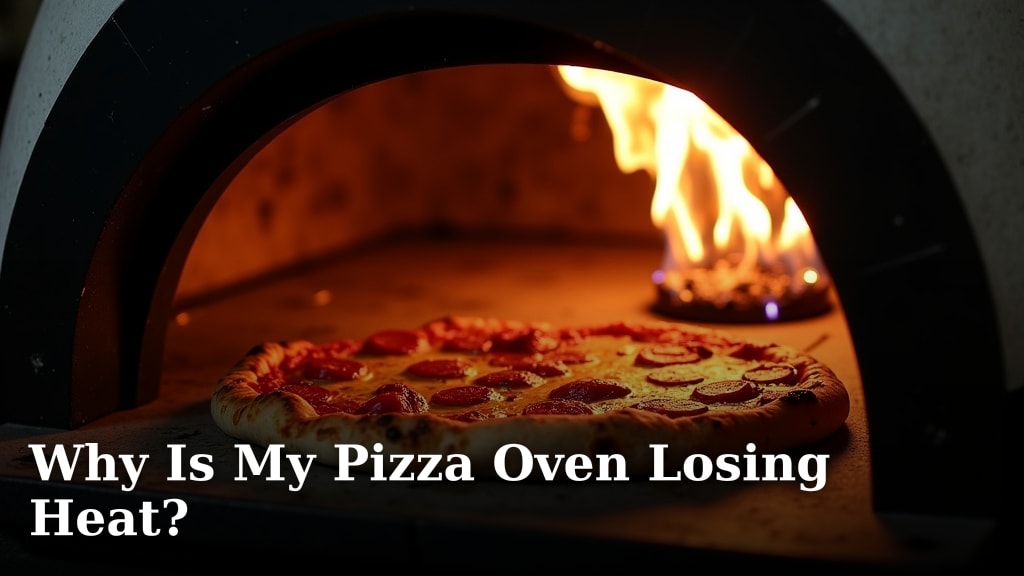
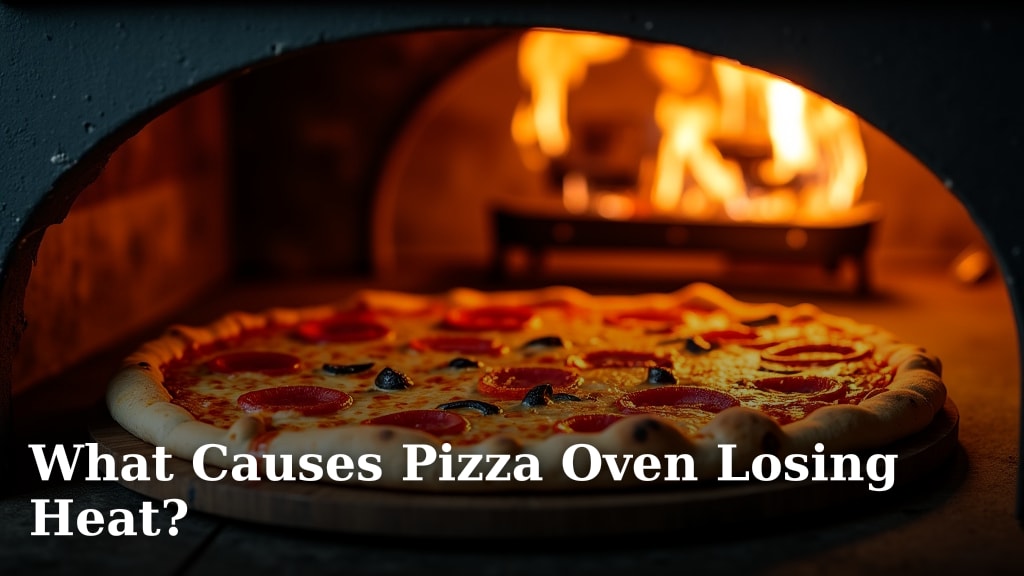
For a broader overview of heat loss, see why a pizza oven loses heat and what causes pizza oven heat loss. Those general guides can help separate normal temperature swings from an oven problem.
Can the pizza stone block heat in a gas oven?
Yes, a stone can interfere with heat circulation if it covers vents, burner openings, or too much of the oven floor. The right position depends on the design and instructions for your specific Frigidaire model.
Don't place a stone directly on the oven floor unless the manual says to. Keep required clearances around the burner and vents, and don't cover the oven's bottom panel or any opening.
If you can't find clear placement guidance, stop using the stone until Frigidaire confirms a safe position. A stone that is safe in one oven may not suit another gas oven.
How can I tell whether the stone is causing the heat problem?
Compare the oven's behavior with and without the stone, using the same rack, temperature setting, and preheat time. If the oven reaches temperature without the stone but struggles with it, placement or heat recovery may be part of the issue.
Use an oven thermometer near the cooking area and compare its reading over time with the oven display. Avoid placing it in direct contact with the stone or where it could touch the burner.
Don't adjust the gas supply, remove oven panels, or try to repair ignition parts yourself. If the oven stays below temperature even without the stone, contact Frigidaire or a qualified appliance technician.
How should I preheat a pizza stone in a Frigidaire gas oven?
Follow the oven manual and the stone maker's instructions for preheating and placement. When those instructions allow a stone, place it in the cold oven before heating if the stone maker calls for gradual warming.
Adding a cold stone to a hot oven can create a sudden temperature change. Stone materials differ, so don't assume every stone can tolerate the same preheating method.
Once the oven has preheated, give the stone time to warm through if the instructions call for it. The oven's ready signal means the air has reached its target, but it doesn't necessarily mean a thick stone has reached the same temperature.
Avoid opening the door repeatedly to check the stone or the pizza. Each opening releases heat and can extend recovery time.
What if my oven temperature drops after loading a pizza?
A short dip after loading a cold pizza can be normal. The dough and toppings absorb heat, while the stone transfers stored heat to the crust.
Keep the door open only as long as needed to load and remove the pizza. Let the oven recover between bakes if the next pizza starts on a cooler stone.
If the temperature keeps falling, takes much longer than usual to recover, or the burner behaves irregularly, stop baking and check the manual's troubleshooting steps. Don't treat repeated heat loss as a stone problem without checking the oven itself.
How can I check for a temperature or burner issue?
Use an oven thermometer to see whether the oven is reaching and holding the temperature you set. Check it over a complete preheating cycle and note whether the reading changes after the burner cycles.
Confirm that the oven door closes fully and that the rack and stone aren't preventing it from sealing. Check the manual for cleaning, burner, and ignition guidance, and don't remove covers or access gas components.
A gas smell, burner that won't ignite, or signs of flame trouble call for stopping use and following the safety directions in the manual. Contact Frigidaire support or a qualified technician for service.
For a step-by-step troubleshooting path, see how to fix a pizza oven losing heat. If your oven works normally without a stone, a different bake surface may be a useful comparison.
Could a pan or screen work better than a stone?
A pan or screen may suit you better if the stone blocks airflow or takes too long to heat. Choose a baking surface that fits the oven and keeps its vents and burner clear.
The Wilton Recipe Right set includes two 12.25 in steel pans with a nonstick coating and is intended for handwashing. It gives you a pan option if you want to bake without a stone.
Check the pan's fit and care directions before use. A pan won't fix a gas burner or temperature-control problem, so investigate continued heat loss separately.
The Winco Winware 16 in smooth aluminum pizza screen has an open design that allows more ventilation around the crust. It may be worth considering if you want to bake on a screen instead of a solid stone.
Make sure the screen fits on the rack and doesn't block any required oven openings. Follow the screen's care directions, and don't assume a different bake surface will solve an oven fault.
The Winco APZT-1015 rack is a storage option for pans, crusts, or trays in a high-volume kitchen. Its 15 tiers are for organizing baking items, not for placing inside a home oven.
Use it only as a storage rack, and don't put it in the oven. If the stone itself is cracked, see why a pizza stone cracks before using it again.
What else can affect heat and crust results?
Stone placement, preheating, loading, and dough handling can all change the bake. A stone that is properly heated may still produce a poor result if the pizza sticks or the oven door stays open too long.
Use only the flour or surface preparation recommended for your dough and stone. If dough is sticking, review why pizza dough sticks to the stone for handling and transfer tips.
Let the stone cool as its maker directs. If you are also checking a darkened surface, read why a pizza stone turns black.
Don't rinse or expose a hot stone to water, since a sudden temperature change can crack it.
When should I stop using the oven and get help?
Stop using the oven and contact Frigidaire or a qualified technician if it repeatedly fails to reach temperature, the burner won't ignite, or you notice a gas smell. Follow the safety instructions in your oven manual.
If the oven works normally without the stone, check the stone's placement and preheating instructions before trying it again. If heat loss continues with the stone removed, treat it as an appliance issue.
Choose a stone only when your manual allows one and you can keep vents and burner openings clear. Choose a pan or screen when it fits your oven and gives you a simpler bake surface, and get service if the oven itself still loses heat.
Frequently asked questions
Can a pizza stone make a gas oven lose heat?
A stone absorbs heat as it warms, so the oven may take longer to recover after you add a cold pizza or open the door. The stone doesn't usually make a functioning oven lose heat on its own.
Check the temperature with an oven thermometer, and follow the oven and stone makers' placement and use instructions.
Where should I put a pizza stone in a Frigidaire gas oven?
Use the rack position and clearances allowed in the manual for your specific Frigidaire model. Keep the stone from blocking vents, the oven floor, or burner openings.
If the manual doesn't address stones, contact Frigidaire support before placing one in the oven.
Should I leave a pizza stone in the oven during preheating?
Follow the stone maker's directions and your Frigidaire manual. Many stones are heated gradually to reduce abrupt temperature changes, but placement and preheating guidance can vary.
Don't move a hot stone onto a cold or wet surface, and don't pour water on it.
Why does my gas oven temperature drop after I add pizza?
Opening the door releases hot air, while cold dough and toppings draw heat from the oven and stone. The display may also show a short dip as the burner cycles.
Let the oven recover between pizzas, limit door-open time, and use an oven thermometer to check the temperature near the cooking area.