Pizza Screen vs Pizza Stone: Which Should You Use? (November 2026)
Choose a pizza screen for airflow and a lighter, crisper base, or choose a pizza stone for stored heat and a more oven-like crust. Your oven, dough style and handling habits decide which one fits best.
On this page (9 sections)
- Pizza screen vs pizza stone: what is the main difference?
- Which gives you the crispier crust?
- When should you choose a pizza screen?
- When should you choose a pizza stone?
- Which pizza bakeware is easier to launch?
- Which shape and size should you choose?
- How do you preheat and use a pizza stone?
- How do you use and care for a pizza screen?
- Pizza screen vs pizza stone: which should you buy?
Choose a pizza screen for airflow and light handling, or choose a pizza stone for stored heat and a more oven-like crust. Your crust goal, oven space and comfort with heavier bakeware should decide which fits best.
A screen supports the dough while air moves beneath it. A stone heats up during preheating, holds that heat, and transfers it into the pizza base.
That difference shapes how the base finishes. A screen leaves the underneath open so steam can escape instead of building up.
A stone keeps the base in contact with a hot solid surface, so heat moves upward into the dough from the start.
Your oven matters too. A screen needs little setup and can go in once the oven is hot.
A stone needs preheating time, careful loading, and room to move a peel without hitting the oven walls.
Handling is another divide. A loaded screen is light enough for many cooks to carry with one hand.
A stone requires launching the pizza onto it and later retrieving it with a peel, which takes practice.
Size and shape also matter. The main options here are 16-inch aluminum screens and rectangular cordierite stones.
A round screen suits a round pizza, while a rectangular stone can suit a rectangular rack.
Think about the crust you want most often. For a lighter base with more ventilation, start with a screen.
For stronger bottom heat and a firm, oven-floor style finish, a stone fits better.
Care differs as well. Aluminum screens are hand wash items that cool quickly and store easily.
Cordierite stones are also hand wash, but need to cool fully, can stain normally, and need careful handling because of weight and thickness.
For a wider look at pizza bakeware, see our pizza bakeware buying guide. That broader view helps place screens and stones alongside pans before you narrow the choice.

 Best for airflow and fast handling
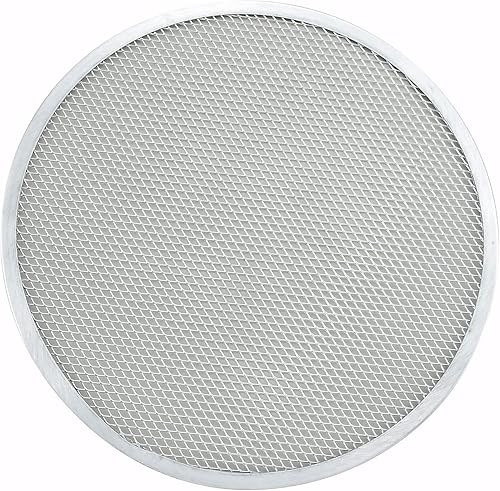
Winco Winware 16-Inch Seamless Aluminum Pizza Screen
Pizza screen vs pizza stone: what is the main difference?
A pizza screen emphasizes airflow, while a pizza stone emphasizes stored heat. That difference affects crust texture, preheating and how you move the pizza.
An aluminum screen has a light frame with openings beneath the dough. The Winco Winware 16-Inch Smooth Aluminum Pizza Screen uses a mesh bottom, and the American Metalcraft 18716 Pizza Screen is a 16-inch round aluminum pan.
The open underside is the key feature. Hot air can reach more of the base, and steam has a path out instead of sitting trapped under the dough.
That can help the base dry and crisp, especially with thin dough or moist toppings.
A screen brings little heat storage to the bake. It heats quickly, but also loses heat quickly once the pizza is on it.
The oven does most of the work, which keeps setup simple and fast to start.
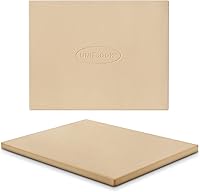
A cordierite stone forms a solid baking surface. The Hans Grill Pizza Stone PRO XL and Hans Grill Rectangular Pizza Stone with Peel are rectangular cordierite stones made for oven and grill use.
A stone works in the opposite way. Its thickness and porous cordierite material absorb heat during preheating and release it into the base.
That stored heat can set the crust quickly and give a firmer finish than light metal alone.
The stone also slows the routine. You give it time to heat through before the pizza goes on, and leave it in place while it cools.
That pace suits cooks who want a more oven-floor style result.
The Hans Grill stones are rated to 1112 °F and measure about 15 x 12 inches including thickness. That footprint suits rectangular racks and grills, and the surface supports pizza, pies, pastry, calzone and artisan bread.
A screen is easier to lift, store and move while loaded. A stone takes more planning because it must heat before use and be handled carefully after baking.
Weight follows the same pattern. The Winco screen is 1.6 ounces and the American Metalcraft screen is 4.6 ounces, so both store with little effort.
A cordierite stone needs a stable shelf and a clear plan for lifting it in and out of a hot oven.
Neither surface is simply better. A screen suits airflow, speed and light handling.
A stone suits heat storage, a solid base and a routine built around preheating and peel work.
Which gives you the crispier crust?
Choose a screen when airflow under the dough is your priority, and choose a stone when strong bottom heat is your priority. Both can support a crisp crust, but they work through different paths.
The screen's open underside lets heat circulate around more of the pizza base. That can help excess moisture escape while the pizza bakes.
The stone's solid surface absorbs heat during preheating. When the dough lands on it, the stored heat moves into the bottom of the pizza.
Crust results still depend on dough thickness, toppings, moisture and oven temperature. A wet pizza can stay soft on either surface if the bake is too short or the topping load is heavy.
A screen may suit thin dough and pizzas that benefit from ventilation. A stone may suit you if you want the base to feel closer to pizza baked on a hot oven floor.
When should you choose a pizza screen?
Choose a pizza screen for lighter handling, airflow and a quick setup. It fits cooks who want a simple support surface and don't want to move a heavy stone.
The Winco screen is a 16-inch round aluminum model with a smooth design, mesh bottom and oven-safe construction. Its weight makes it easy to position, remove and store.
The American Metalcraft screen is also a 16-inch round aluminum model. Its 4.6-ounce weight and oven-safe design make it a straightforward choice for baking pizza without adding a cordierite stone to the setup.
A screen may also work well when you need to move several pizzas between preparation and baking. Check the screen's size against your oven before ordering, especially if the oven has a narrow rack or door opening.
If you are comparing screens with solid pans, read our guide to pizza screen vs pan. A pan and a screen can look similar, but airflow and surface design change how the base bakes.
When should you choose a pizza stone?
Choose a pizza stone when you want a heat-storing surface for the base. Cordierite stone can hold heat after preheating, which supports a firm crust with strong heat from below.
The Hans Grill Pizza Stone PRO XL measures 14.9 x 11.8 x 0.6 inches. It is a rectangular cordierite stone rated to 1112 °F and includes a perforated aluminium peel.
The perforations in the peel allow excess flour to fall away before launch. After baking, they can let steam escape from the underside of the pizza as it cools.
The Hans Grill Rectangular Pizza Stone with Peel measures 14.96 x 11.8 x 0.59 inches. It includes a wooden peel and is designed for oven and BBQ use.
A stone suits you if your pizza routine includes preheating and careful loading. It may be less convenient if you want bakeware that cools quickly or moves easily from shelf to counter.
For another heat-storage comparison, see which is better, pizza stone or pizza steel. Steel and stone can both provide a solid hot surface, but they don't behave the same way during baking.
Which pizza bakeware is easier to launch?
A screen is usually simpler for beginners because the dough can stay on its baking surface during the move to the oven. A stone often needs a peel or another method to transfer the dough onto the hot surface.
With a screen, shape the dough on the screen, add toppings and place the screen in the oven if your setup allows it. This reduces one transfer, but the dough still needs enough structure to move without tearing.
With a stone, prepare the pizza on a peel or another suitable surface. Dusting can help the dough slide, but excess flour can burn or create unwanted residue.
The Hans Grill stone sets include peels. The PRO XL includes a perforated aluminium peel, while the rectangular stone set includes a wooden peel.
Beginners who want more guidance can compare our Best Pizza Screen For Beginners picks. A screen can simplify the first few launches, while a stone can reward a routine built around preheating and peel control.
Which shape and size should you choose?
Choose a round 16-inch screen for round pizzas and a rectangular stone when your oven rack suits that footprint. Measure the usable rack area, door opening and turning room before choosing by nominal size.
The Winco and American Metalcraft screens are both 16-inch round models. A round screen can suit a traditional round pizza, but the outside diameter still needs to fit inside the oven.
The Hans Grill stones are rectangular and about 15 x 12 inches. Their shape can use space differently from a round screen, especially on a rectangular rack.
Don't measure only the rack width. The bakeware must pass through the oven door, sit flat and leave room for the door to close.
If a rectangular screen better matches your oven, see Best Rectangular Pizza Screens. For a metal option, our Best Stainless Steel Pizza Screens guide covers a different material choice.
How do you preheat and use a pizza stone?
Preheat the stone according to your oven and stone instructions, then place the dough on the heated surface with a suitable peel. A gradual, controlled routine matters because cordierite stone is solid and stores substantial heat.
Place the stone in the intended oven position before heating if that matches the instructions for your setup. Give it time to heat through rather than relying only on the air temperature.
Prepare the pizza on a peel, then launch it with a smooth forward motion. Keep toppings balanced so the dough stays manageable during the transfer.
Allow the stone to cool before cleaning or moving it. The Hans Grill stones are hand-wash products, and the PRO XL care instructions specify hand washing.
Staining is normal for the Hans Grill stones and does not affect their stated function. Avoid treating a darkened stone as a cleanliness problem that requires harsh scrubbing.
How do you use and care for a pizza screen?
Use the screen as an oven-safe support surface, then hand wash it after it cools. Aluminum screens are lighter than cordierite stones, but they still need careful handling around hot ovens.
Keep the dough centered so it does not hang over the edge. Check that toppings stay on the pizza as you move the screen to the oven.
The Winco and American Metalcraft screens are hand-wash products. Let the screen cool, remove baked residue with a suitable soft tool and wash it according to the care instructions.
Avoid using a sharp object that could damage the surface. Dry the screen before storing it so flour and moisture do not remain around the openings.
Stack or store screens where their round edges will not catch on other cookware. The Winco screen's smooth design can support space-efficient storage when multiple screens are used.
Pizza screen vs pizza stone: which should you buy?
Pick a pizza screen if you value airflow, light handling and a simple launch. Pick a pizza stone if you want stored heat, a solid baking surface and a more oven-style base.
Choose the Winco Winware screen for a 16-inch aluminum screen with a mesh bottom and smooth design. Choose the American Metalcraft screen for a simple 16-inch round aluminum option.
Both screens are round, oven safe and hand wash only, so the decision between them comes down to small practical details. The Winco is lighter at 1.6 ounces and emphasizes ventilation through its mesh bottom, which can suit thin crusts and faster bakes.
The American Metalcraft is 4.6 ounces and offers a straightforward 16-inch aluminum surface for cooks who want the most basic setup.
A screen is the better fit if you shape the dough on the screen, top it and move it straight to the oven. There is no stone to preheat, no peel launch to master and no heavy surface to lift out while hot.
That simplicity can make weeknight pizza easier to repeat, especially when oven space is tight.
Choose the Hans Grill Pizza Stone PRO XL when you want a rectangular cordierite stone with a perforated aluminium peel. Choose the Hans Grill Rectangular Pizza Stone with Peel when oven and BBQ use plus a wooden peel fit your routine.
The PRO XL measures 14.9 x 11.8 x 0.6 inches and includes a perforated aluminium peel. The perforations let excess flour fall away before launch, and after baking they can help steam escape from the underside so the crust stays crisper when you slice and serve.
The rectangular stone set measures 14.96 x 11.8 x 0.59 inches and includes a wooden peel. That pairing suits cooks who prefer a wooden peel for launching and who want one stone that can move between an indoor oven and a BBQ.
Both Hans Grill stones are cordierite, heat resistant to 1112 °F and hand wash items. Staining is normal on cordierite and does not affect function, so a well used stone is not a sign that you need to replace it.
The trade off is weight, preheating time and careful handling when the stone is hot.
The right pizza screen vs pizza stone choice is the one you can preheat, load and clean safely. Measure your oven first, then match the bakeware to the crust texture you want most often.
Frequently asked questions
Is a pizza screen better than a pizza stone?
A pizza screen is better for airflow, lighter handling and a crisp base from underneath. A pizza stone is better when you want a hot, heat-storing surface that supports an oven-style crust.
Choose by crust goal and handling preference rather than treating one as best for every pizza.
Does a pizza screen make pizza crispy?
A pizza screen can help make the base crisp by allowing air to move under the dough. The Winco screen has a mesh bottom and smooth aluminum design, while the American Metalcraft screen offers a simple 16-inch aluminum surface.
Oven heat, dough moisture and bake time still affect the result.
Does a pizza stone cook better than a screen?
A pizza stone stores heat and transfers it into the dough from below, which can suit a firm, oven-style crust. A screen focuses more on airflow and lighter handling.
A cordierite stone may suit you better for high-heat baking, but it needs careful handling and hand washing.
Can you use a pizza screen on a pizza stone?
You can place a pizza screen on a suitable baking surface if your oven setup allows enough room and the screen is oven safe. That combines screen handling with a heated surface, but it changes how heat and airflow reach the dough.
Follow your oven and bakeware instructions.