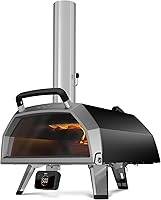
What Are the Ooni Karu 2 Pro Dimensions?
The Ooni Karu 2 Pro dimensions to check first are its oven footprint and chimney height, because those two numbers decide your table space and overhead clearance. Measure your planned cooking station against both before you buy, and confirm the exact inches for your setup before ordering shelves or a cover.
On this page (11 sections)
- How do Ooni Karu 2 Pro dimensions affect table space?
- Why does chimney height matter more than oven height?
- What should you measure before building a cooking station?
- How do the Karu 2 Pro dimensions compare to other Ooni ovens?
- What clearance should you leave around the oven footprint?
- When does a countertop electric oven fit better than an outdoor oven?
- How does a baking stone change your size planning?
- How does fuel choice affect the space you need?
- What is the best Ooni pizza oven if space is tight?
- What should you check on delivery day?
- Which size plan should you use for the Karu 2 Pro?
The Ooni Karu 2 Pro dimensions that matter most are footprint and chimney height, not just cooking area. Those two measurements decide whether the oven fits your table and clears the space above it.
Use the Ooni Karu 2 Pro dimensions as a planning check before you commit to a station. A pizza oven can fit on a table and still be a poor fit for the spot if you cannot reach the peel, store fuel nearby, or keep heat away from what sits above it.
How do Ooni Karu 2 Pro dimensions affect table space?
The footprint sets the minimum table size, and your working space sets the real size. Leave room in front for launching and turning a pizza without leaning over the hot opening.
A table that matches the bare footprint leaves no room for a peel, a landing board, or a place to set down the finished pizza. Plan a wider surface than the oven alone, especially on the side where you stand.
Our Ooni Karu 2 Pro review covers how the oven fits into a cooking routine. Read it alongside the dimensions so you can judge both performance and placement together.
Measure the table top in both directions before you put the oven down. Check that the surface is level, heat resistant, and strong enough for the oven plus tools and toppings you will add during a session.
Why does chimney height matter more than oven height?
Chimney height controls overhead clearance, which is often the limiting factor outdoors. A covered patio, a pergola, or a low tree branch can become a problem even when the table is large enough.
Think of height as a safety measurement, not a storage measurement. Heat rises from the outlet, so anything above the oven needs real clearance and open air around it.
If you plan to use the oven under any kind of cover, check the lowest point above the chimney first. Do not judge clearance from the oven body or from standing eye level.
The same rule applies indoors or in a garage style space, where ventilation and fuel guidance matter even more. When in doubt, move the oven into open air rather than raising the table or lowering the cover.
What should you measure before building a cooking station?
Measure the footprint, the chimney height, and the space you need to work. Then measure the table, the height above it, and the path you will carry a hot pizza along.
Write the numbers down in inches and keep them next to your shopping list. That simple list stops a common mistake, which is buying a table or cover that fits the oven body but not the full setup.
Check width and depth separately, because a table can be wide enough in one direction and too shallow in the other. Also check the space behind the oven, where heat and the chimney sit, and keep that zone clear.
If you are comparing models, our Ooni Karu 2 Pro vs Karu 16 guide helps you weigh size against the features you want. A larger oven may suit a permanent station better than a compact table.
How do the Karu 2 Pro dimensions compare to other Ooni ovens?
Compare models by footprint and height, not by name alone. Two ovens in the same family can need very different tables and overhead clearance.
The Karu 2 Pro sits in a multi-fuel context, so chimney and fuel handling affect the space around it. That makes direct comparison with a gas only oven less simple than a quick size chart suggests.
Our Ooni Karu vs Koda guide breaks down the broader choice between those lines. Use it if you are still deciding which family fits your space and fuel preference.
For a smaller reference point, see Ooni Koda 12 dimensions. That comparison is useful when you want to know how much more table and height a larger setup may demand.
What clearance should you leave around the oven footprint?
Leave clearance on all sides, with the most room at the front where you work. The back and chimney area should stay free of towels, wood, packaging, and anything that can catch heat or block airflow.
Keep fuel storage separate from the immediate work zone. Wood and gas supplies should be reachable, but not so close that they crowd your hands or sit in the path of rising heat.
A good station has a clear launch side, a clear landing side, and a clear path to set a pizza down safely. If you have to twist around the oven to reach a board, the station is too tight.
Also plan for covers, peels, and a stone or pan when the oven cools. Storage space around the footprint matters as much as the space the oven uses while it runs.
When does a countertop electric oven fit better than an outdoor oven?
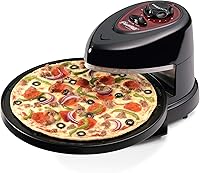
An indoor electric oven fits better when you lack outdoor table space or overhead clearance. The Presto 03430 Pizzazz Plus Rotating Oven measures 14.5 inches deep by 15.8 inches wide by 10.3 inches high, so you can plan a countertop around a known box.
Its rotating tray turns continuously for even baking, and the top and bottom elements can run separately or together. The timer signals the end and turns the elements off, which helps when you want low fuss pizza at home.
That trade-off is clear. You gain a compact, plug in footprint and lose the open air heat and chimney clearance questions that come with a wood or gas outdoor oven.
For small patios, renters, or winter use, that may be the right trade.
How does a baking stone change your size planning?
A baking stone changes the cooking surface, not the oven footprint. It can still change how you plan, because a stone needs a safe place to sit while it cools.
The ROCKSHEAT square stone measures 13.2 inches by 13.2 inches by 0.6 inches thick. That size is made for the Ooni Karu 12 and Karu 12G, so check compatibility before you treat it as a general fit for every model.
Cordierite distributes heat evenly and absorbs moisture from dough, which helps crust browning. The stone tolerates up to 1400 degrees Fahrenheit and can be used in an oven or on a gas or charcoal grill.
Do not assume a stone sized for the Karu 12 will suit the Karu 2 Pro. Measure the cooking area you have and confirm fit first, because a stone that is too large can block airflow or be hard to remove safely.
How does fuel choice affect the space you need?
Fuel choice affects storage, clearance, and the height you must plan for. Wood needs dry storage and a place to stage logs near the oven without crowding your work area.
The Gimgsoen wood is 6 inch oak logs in a 15 pound box, cut for pizza ovens including Ooni. That length helps with feeding a small firebox without trimming each piece.
Kiln dried oak ignites quickly and burns long, and the bark free cut aims for less smoke and ash. Oak also adds a natural aroma to pizza and grilled food, which many outdoor cooks want from a wood fired setup.
Keep the box on dry ground and away from the chimney path. A full box is handy for a session, but it should not take the landing space you need for a finished pizza.
What is the best Ooni pizza oven if space is tight?
The best Ooni pizza oven for tight space is the one whose full footprint and chimney height fit your station with room to work. A smaller footprint helps, but only if you still have launch room and safe overhead clearance.
Our guide to the best Ooni pizza oven helps you compare models by use case rather than by headline size. Start with your table and height numbers, then match the oven to them.
If your space cannot meet the Karu 2 Pro dimensions with safe clearance, pick a smaller outdoor model or an indoor electric option. Forcing a large oven onto a small table tends to create awkward peel work and poor airflow.
What should you check on delivery day?
Check the footprint and chimney height again on delivery, with the oven fully assembled. Set it on the exact table you plan to use, with the exact accessories you plan to run.
Test the peel path before the oven gets hot. Launch a practice motion with a cold peel, and confirm you can reach the opening without leaning over the chimney or bumping the side of the oven.
Confirm overhead clearance with the chimney in place, not with it removed for storage. Look up from the work position and check roofs, branches, umbrellas, and shelves along the heat path.
Store the exact inches with your station notes, along with fuel type and cover size. That record makes future moves, covers, and table upgrades much easier.
Which size plan should you use for the Karu 2 Pro?
Use a plan based on footprint plus working room plus chimney clearance. That three part check answers the Ooni Karu 2 Pro dimensions question in a way a single number cannot.
Pick the Karu 2 Pro if your table and overhead space clear those three checks with room to spare. Pick a smaller oven or an indoor countertop option if any one check fails, because that failure will show up on every cook.
For your next step, read the Ooni Karu 2 Pro review if you have the space, or compare the Ooni Karu 2 Pro vs Karu 16 if you are still sizing up. Either way, measure first and build the station around the full oven, not just its body.
Frequently asked questions
What are the Ooni Karu 2 Pro dimensions?
Check the footprint and chimney height first, as those control table space and overhead clearance. Confirm the exact inches for your configuration before building a station, because accessories and chimney setup can change the space you need.
How much table space does the Karu 2 Pro need?
Allow space for the full oven footprint plus room to load and launch a pizza safely. Leave extra room on the side you work from, and keep fuel and tools clear of the heat.
How high should the ceiling be above the Karu 2 Pro?
Plan clearance above the chimney height, not just above the oven body. Keep the oven away from low roofs, branches and enclosed spaces, and follow the heat and ventilation guidance for your fuel choice.
Is the Karu 2 Pro bigger than the Koda 12?
Size differs by model, so compare the specific dimensions for each oven rather than assuming. Our guide to Ooni Koda 12 dimensions helps if you are choosing between those two.