Ooni Karu vs Koda: Which Pizza Oven Should You Choose? (November 2026)
Choose Ooni Karu for fuel flexibility and Koda for simpler propane cooking. Your best fit depends on how much control, setup and cooking space you want.
On this page (10 sections)
- Ooni Karu vs Koda: which fuel setup fits you?
- Which Ooni family is easier for everyday cooking?
- Which one fits a smaller outdoor space?
- What should you choose for large pizzas?
- What should you know about the Karu 12 cooking surface?
- How should you carry and store a Karu oven?
- How should you protect a Koda 2 Pro?
- Is Ooni Koda 16 better for a propane-only kitchen?
- Which oven should you choose for outdoor cooking?
- Final choice: Ooni Karu vs Koda
Choose Ooni Karu for fuel flexibility and Koda for simple propane cooking.
Karu and Koda are both Ooni outdoor families, but they fit different routines. Karu suits cooks who want more flexibility, while Koda suits people who want to connect propane, turn the control and start cooking.
Fuel choice affects storage, setup time and how much attention the heat needs. You will feel that difference before the first pizza leaves the peel.
Karu tends to suit a cook who enjoys the process. You may be happy to prepare fuel, watch the oven reach temperature and adjust the fire during the session.
That hands on approach can feel rewarding when you have time. It asks for more patience, but it gives you a stronger sense of involvement in the cook.
Koda tends to suit a cook who wants the oven ready with less fuss. Connect propane, set the control and turn your attention to dough, toppings and serving people.
Gas operation still needs care. You need to monitor the stone, turn pizzas near the flame and keep the cooking area clear.
This comparison uses Karu and Koda accessories and oven data to show which setup fits different outdoor kitchens. For another brand comparison, see Ooni vs Solo Stove pizza ovens.
Size matters as much as fuel. A smaller oven is easier to carry and store, while a larger oven gives more room for bigger pizzas.
This guide compares fuel flexibility, setup, cooking space and daily use. It also covers covers and cooking surfaces, because storage and maintenance affect how often an oven gets used.
Think about your normal routine rather than your best case evening. If propane is already part of your outdoor kitchen, Koda may fit with less change.
If you want more choice in how you fire the oven, Karu may be the better starting point. The right pick is the one you will set up and use again and again.
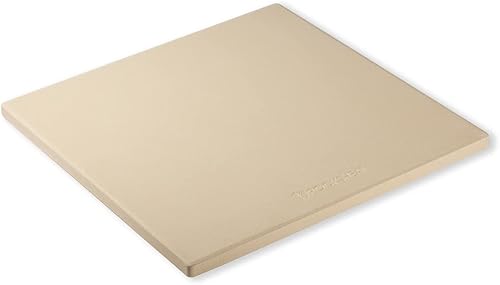 Best for Karu 12 baking surfaces
ROCKSHEAT 13.2" x 13.2" x 0.6" Square

Ooni Karu vs Koda: which fuel setup fits you?
Choose Karu if fuel flexibility matters most, and choose Koda if you want propane simplicity. Fuel affects setup, storage, heat management and the kind of cooking routine you'll enjoy.
Karu is a good direction for cooks who like a more involved outdoor cooking process. You may prefer having more control over how the oven heats and how you manage the cooking session.
Koda is a better fit when you want gas-powered operation. The Ooni Koda 16 uses propane gas, includes a 28 mBar regulator and gas hose, and is not compatible with natural gas.
The right choice depends on your outdoor space. A propane setup needs a suitable tank location, while a more flexible fuel setup needs safe storage for the fuel you plan to use.
For more background, read What Is a Pizza Oven and How Does It Work?. It explains how high heat, insulation and the cooking surface work together.
Which Ooni family is easier for everyday cooking?
Koda is the easier everyday choice when you want fast propane setup and dial control. Karu is more appealing when you want the cooking process itself to be part of the experience.
The Koda 16 is ready to use after you unfold its legs, insert the pizza stone baking board and connect the propane tank. It has instant gas ignition and button control.
The oven reaches up to 950°F and can be ready in about 20 minutes, with pizza cooking in about 60 seconds according to the product claims. Heat still needs attention during cooking, especially as you turn pizzas near the flame.
Karu may suit you better if you don't mind spending more time preparing fuel and managing heat. That trade-off can be worthwhile when flexibility matters more than the shortest setup.
Use the best Ooni pizza oven guide if you want to compare more Ooni models before choosing between these families.
Which one fits a smaller outdoor space?
Choose the smaller Karu format for easier carrying, and choose Koda 16 when a larger cooking area matters more. Measure your table, storage area and walking path before ordering.
The Ooni Koda 16 measures 25 in deep x 23.2 in wide x 14.7 in high and weighs 18.2 kg. It is a substantial outdoor appliance, so the oven needs a stable surface and room for the propane connection.
A smaller Karu setup can be easier to move between storage and cooking areas. It may also suit a household that usually makes one pizza at a time rather than larger pizzas or several items in rotation.
The oven body is only part of the space calculation. Allow room for the tank, hose, turning space and safe access around the hot oven.
Our guide to Ooni pizza oven sizes can help you compare cooking area with the space available on your outdoor table.
What should you choose for large pizzas?
Choose Koda 16 when a 16-inch cooking area is the priority. Its larger format gives you more room for a big pizza, but it also demands more counter and storage space.
The Koda 16 is a 16-inch gas-powered outdoor oven with a powder-coated carbon steel shell and stainless steel construction. It includes a cordierite stone baking board, gas hose and regulator.
A larger oven can make launching and turning a bigger pizza easier, but it doesn't remove the need to measure dough carefully. A pizza that is too large for your peel or stone can still be difficult to handle.
If you usually make smaller pizzas, the extra space may not improve your routine enough to justify the larger footprint. Think about the biggest pizza you actually make, not only the largest size the oven can support.
What should you know about the Karu 12 cooking surface?
The Karu 12 surface should match the oven interior before you replace or refresh it. A square 13.2 x 13.2 x 0.6 in cordierite stone is designed for Ooni Karu 12 and is also compatible with Ooni Karu 12G.
The ROCKSHEAT stone is made from cordierite and has a maximum temperature of 1400°F. Its 0.6 in thickness gives you a cooking surface that is not unnecessarily heavy, while still offering thermal stability for normal use.
It can be used for pizza, bread, cookies and biscuits. It can also be used in an oven or on a gas or charcoal grill, and it does not require seasoning or conditioning.
Let the stone cool before cleaning it. Hand wash it and avoid sudden temperature changes, since thermal shock can damage stoneware.
How should you carry and store a Karu oven?
Use a fitted cover when your Karu moves between storage and cooking areas. A cover helps keep the oven protected during transport and shields it from outdoor conditions when stored.
The Ooni Karu 12 and Karu 2 Carry Cover has an elasticated lining for a close fit, padded handles and durable straps. It weighs 5.28 oz and uses aluminum and polyester.
The cover is waterproof and has cast aluminum harness buckles. A loop helps secure the gas regulator while the oven is being moved.
Let the oven cool fully before covering it. Store the cover and oven where moisture, dirt and fuel equipment can be managed safely.
If you often move an oven for gatherings, compare the Karu carry setup with the wider differences in Ooni vs Roccbox. Portability can matter as much as heat when your cooking spot changes.
How should you protect a Koda 2 Pro?
Choose a Koda 2 Pro cover when your priority is weather protection around the oven body, controls and hose. A fitted cover is more useful than a loose sheet because it follows the oven's shape.
The Ooni Koda 2 Pro Protective Pizza Oven Cover uses waterproof, rip-resistant 600D polyester. Drawstring toggles create a snug fit, and the rear pouch protects the hose and regulator when not in use.
That material matters in daily use. It should handle damp air, light rain and dust without soaking through too quickly.
Rip resistance matters for a portable cover. It is more likely to catch on a shelf, a car boot or a garage hook than a fixed grill cover.
The drawstring toggles give a closer fit around the oven body. A snug fit leaves less loose fabric to flap in wind or collect water at the edges.
It also keeps the cover in place on a table or patio edge. Loose sheets can shift easily, while a fitted cover stays where you put it.
The rear pouch is practical for owners who disconnect the hose between sessions. It keeps the hose and regulator together instead of leaving them in a separate bag or on the ground.
That can make setup faster next time. You know where the connection parts are, and they are less likely to pick up dirt or moisture while stored.
The cover is designed for the Koda 2 Pro with a customized shape around the Ooni Connect Digital Temperature Hub and control dials. A generic cover could miss or press against those parts.
A custom fit also reduces water pooling against the controls. It follows the oven profile more closely than a flat sheet.
It weighs 14.72 oz, so it is light to lift on and off. That makes it more likely you will use it after every session, not only for long storage.
Cool the oven before covering it and keep the cover away from an active flame. Trapped heat can damage fabric.
Remove moisture and debris before longer storage. A dry surface under the cover will be easier to clean and check next time.
Air the cover out if it was stored while damp. Dry fabric is easier to fit and less likely to hold musty odours.
For transport, check padding, straps and handle design before relying on the cover to move the oven safely. For home storage, the key benefits are weather protection and a tidy fit against dust, rain and debris.
Is Ooni Koda 16 better for a propane-only kitchen?
Koda 16 is a strong fit when propane is the fuel you already plan to use. It includes a 28 mBar regulator and gas hose, but it is made for propane gas only and does not connect to natural gas.
The Koda 16 uses button control and has automatic shut-off. Its powder-coated carbon steel shell is designed to retain heat, while the stainless steel construction gives the oven a durable outdoor body.
The oven includes folding legs, a cordierite stone baking board, a 28 mBar regulator and gas hose, and an extendable match holder. Connect the hose to a suitable propane tank and follow the operating instructions for ignition and shutdown.
Keep the propane tank in the position required by the manual. Check the hose and connection before cooking, and never use a damaged fuel line or an oven in an unsafe location.
Which oven should you choose for outdoor cooking?
Pick Koda when propane convenience, quick setup and simple control matter more.**
Choose Koda 16 if you regularly make large pizzas and have enough space for its 25 x 23.2 x 14.7 in body. Its 16-inch format is the clearest advantage for larger pizzas.
Choose Karu if you prefer a smaller, more portable setup or want more flexibility in how you approach outdoor cooking. A fitted carry cover and correctly sized cooking stone can make that setup easier to maintain.
Neither family is automatically better for every cook. Your table space, fuel storage, pizza size and willingness to manage setup should decide the choice.
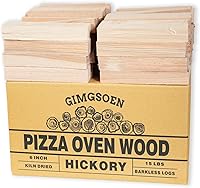
For a broader comparison beyond Ooni, see Ooni vs Gozney pizza ovens. If you plan to use wood, our guide on how to choose wood for a pizza oven covers fuel selection and storage.
Final choice: Ooni Karu vs Koda
Choose Ooni Karu for fuel flexibility and transport, or Ooni Koda for propane simplicity and larger cooking space. The best choice matches your fuel setup and the pizzas you actually make.
Koda fits cooks who want gas-powered cooking, fast preparation and a 16-inch oven. It suits a routine where propane is available and you can focus on dough and toppings.
Karu fits when fuel flexibility and a more portable routine matter more. It suits a cook willing to manage setup and who values a smaller format for moving between storage and cooking areas.
Measure first, confirm your fuel type and leave room for safe operation. Then choose the family that makes your normal pizza night easier to repeat.
Start with space, because it cannot be changed later. Measure the table or bench, the route to storage and the area where you will stand with a peel.
Add room for the tank, hose and turning space. A hot oven needs stable placement and clear access, not just room for the oven body.
Then confirm the fuel you will actually use. Propane cooking needs a suitable tank and connection, while a flexible setup needs safe storage for the chosen fuel.
Next, be honest about pizza size. Make the pizzas you usually serve, not the largest size you might try once a year.
A larger cooking area helps with bigger pizzas but brings a larger footprint. If most of your pizzas are smaller, extra space may add bulk without improving your routine.
Portability matters in the same way. An oven you can carry to a friend's garden or store in a shed is more likely to be used often.
Accessories should support that routine. A correctly sized stone and a fitted cover can make daily use and storage more straightforward.
They cannot fix a poor fit on fuel or space. Choose the oven family first, then add parts that match your habits.
For quick, repeatable propane cooking, Koda offers the simpler path. For a flexible, hands on outdoor cook, Karu offers the stronger match.
Frequently asked questions
Is Ooni Karu better than Ooni Koda?
Ooni Karu is better if you want fuel flexibility and a more manual cooking style. Ooni Koda is better if you want propane gas, quick setup and simple heat control.
Compare the exact model size, fuel needs and available cooking space before choosing.
What is the main difference between Ooni Karu and Koda?
The main difference is fuel approach. Karu models are associated with a more flexible outdoor cooking setup, while Koda models focus on propane gas operation.
Your decision should also include oven size, portability, storage and how often you want to manage fuel or fire.
Is Ooni Koda easier to use than Karu?
Ooni Koda is usually the simpler choice for propane cooking because it uses gas-powered operation and dial control. Karu can suit cooks who enjoy more control over fuel and heat, but setup and heat management may require more attention.
Is Ooni Koda 16 good for large pizzas?
Ooni Koda 16 is designed around a 16-inch cooking area and reaches up to 950°F. It suits larger pizzas and outdoor cooking when you have room for a 25 x 23.2 x 14.7 in oven and a propane tank.