How to Build a Brick Pizza Oven
To build a brick pizza oven, start with a level reinforced footing, stack a firebrick hearth, add insulation, and cure the dome with small fires. Plan the chimney and work space before you lay the first brick.
On this page (9 sections)
- Where should you place a brick pizza oven in your backyard?
- What footing does a brick pizza oven need?
- How do you lay the hearth for a DIY brick pizza oven?
- How do you shape the dome and doorway?
- How do you add insulation and a chimney?
- How do you cure a new brick oven safely?
- How do you set up your work area for pizza night?
- What countertop options help while you learn brick oven cooking?
- How do you keep a brick pizza oven safe and ready to use?
To build a brick pizza oven, start with a level reinforced footing, stack a firebrick hearth, add insulation, and cure the dome with small fires. A sound build depends more on heat paths and dry materials than on a perfect dome shape.
This guide covers brick oven construction in the order you will use it. You will check the site, lay the hearth, shape the dome, add insulation, fit the chimney, cure the oven, and set up a work area that keeps dough, peel, and fuel in reach.
Where should you place a brick pizza oven in your backyard?
Pick a level spot with firm ground, clear space for a prep table, and safe distance from fences and trees. Outdoor pizza oven ideas brick builds often fail at the site stage because the oven sits too close to a wall or too far from water and power.
Check local rules for open flames, setbacks, and permits before you pour a footing. Wood smoke drifts, so consider wind direction and where neighbors sit during a cook.
Leave room for pizza assembly on one side and a safe landing spot for hot pans on the other. A peel needs swing room, so keep posts and chairs out of that path.
Give the chimney a clear run upward. Overhanging branches can carry heat and smoke toward the roof, and low branches make cleaning the flue harder.
What footing does a brick pizza oven need?
Use a level, reinforced concrete footing or a masonry base that spreads the full weight across firm ground. A brick dome, hearth, and insulation can weigh hundreds of pounds, so a few pavers on soil will settle and crack.
We compared common backyard bases and found a slab or block base easier to keep level than loose stone. Mark the oven footprint, then check square corners before you pour or stack.
Keep the top of the base level and dry. Mortar and insulation lose strength when they sit in standing water, and a sloped hearth makes a peel slide unevenly.
Plan for a wood store under the base if you want it. Make sure stored wood stays dry and clear of the fire opening, with no loose stack leaning against hot masonry.
How do you lay the hearth for a DIY brick pizza oven?
Lay the cooking floor flat with firebrick on a mortar or dry sand bed, following your plan for the exact material. The hearth takes direct flame, coals, and every peel scrape, so gaps and rocking bricks will show up on the first bake.
Set bricks tight and level, then check the floor with a straightedge in several directions. Small height changes matter because dough can catch on a raised edge.
Use firebrick for the floor, not standard clay bricks or concrete pavers. Those materials can crack or shed under repeated heating, and a failed hearth is hard to fix after the dome closes over it.
Cut bricks away from the doorway at a shallow angle so a peel can enter flat. A sharp lip at the entry will tear dough or push toppings to one side.
How thick should the hearth and dome walls be?
Keep the hearth and inner dome at the thickness your plan specifies, usually one firebrick layer where heat meets the floor. Thicker is not always better if it steals cooking space or slows heat-up.
Measure your bricks before you draw the dome. Brick size changes the arch radius, the doorway height, and how many cuts you need near the crown.
How do you shape the dome and doorway?
Shape the dome as a half sphere or barrel vault, with a doorway tall enough for a peel and low enough to hold heat. A tall opening loses heat fast, while a short one makes turning pizza hard.
Dry lay each course first and mark the cuts. Number bricks by position so you can rebuild the arch in order when mortar is ready.
Offset joints between courses so cracks cannot run straight through the wall. Keep the inner surface smooth enough that ash can be brushed out without snagging on mortar ridges.
Leave the throat opening where the dome meets the chimney. That passage guides smoke out and should not be blocked by insulation or a misplaced brick.
A guide to how to make an outdoor pizza oven helps if you want a simpler shape before you commit to a full dome.
How do you add insulation and a chimney?
Add insulation over the dome under a weatherproof cover, and route smoke through a chimney. Insulation slows heat loss, so the oven stays hot longer and uses less wood.
Keep water out of the insulation. Wet insulation holds heat poorly and can steam or crack mortar during early hot fires.
Fit a flue cap or rain cover that still lets smoke escape. A sealed cap pushes smoke back into the chamber and over the doorway.
Check chimney height against nearby roofs and trees. A taller flue usually draws better, but needs secure flashing where it passes through the cover.
Our roundup of wood fired pizza ovens for backyards diy shows how finished designs handle this stack, insulation, and vent path. Use it to compare proportions before you cut bricks.
How do you cure a new brick oven safely?
Cure a brick oven with several small, low fires over days, not one large fire on day one. Mortar, insulation, and the footing still hold moisture after building, and fast heat can crack brick or pop joints.
Start with a small fire in the center and let it burn down to coals. Keep the doorway partly open so steam can escape, and watch for hissing or spalling on the inner bricks.
Raise the fire size a little each time, and let the oven cool between cures. A full cure often takes the better part of a week in damp weather.
Do not cook food on the first fire. Ash and loose mortar dust belong outside the cooking chamber before dough goes in.
Once the dome holds heat with a modest fire and no new cracks appear, test hearth temperature before full bakes.
How do you set up your work area for pizza night?
Put dough, sauce, toppings, and a landing shelf within two steps of the oven mouth. A brick oven heats fast, so you do not want to hunt for toppings while cheese blisters.
Keep a peel, a brush, and a small water dish on the prep side. Keep wood, kindling, and a fire poker on the other side so fuel trips do not cross the hot path.
Store dough cold until you stretch it, then keep stretched rounds covered while the oven heats. A long wait on a warm counter can dry the surface and make stretching harder.
If a build feels too large for now, a Best Brick Pizza Oven Kit For Home Use gives you a smaller footprint with pre cut parts. For Neapolitan style heat, compare the Best Brick Pizza Oven Kit For Neapolitan Pizza.
What countertop options help while you learn brick oven cooking?
Countertop ovens help you practice dough, sauce, and timing while a brick build cures or between build weekends. They bake at lower heat than a wood fired dome, but they teach peel handling and crust timing.
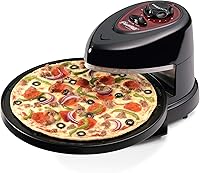
The Presto 03430 Pizzazz Plus Rotating Oven suits frozen and fresh pizzas up to 12 inches. Its rotating tray turns to help even baking, and top and bottom elements can run on their own or together.
Presto says it uses 1,235 watts and saves as much as 60% in energy compared to a conventional oven. The unit weighs 7.6 pounds, so it moves between a counter and a storage shelf with ease.
The WISCO Industries 421 Pizza Oven takes a different approach with a digital LED display and a dial you can set from 150F to 500F in 25 degree steps. One touch sets 450F for 10 minutes, which suits readers who want a simple default bake.
WISCO says it runs at 1,500 watts and includes gloves. At 19 pounds, it is heavier than the Presto, so it suits a fixed counter spot more than frequent moves.
The BLACK+DECKER TO1313SBD Toaster Oven fits a 9 inch pizza or 4 slices of bread, with bake, broil, toast, and keep warm functions. Its 30 minute timer and removable crumb tray suit small kitchens where a full pizza oven is not an option.
BLACK+DECKER says natural convection airflow circulates heat through the interior. Keep food at least 1 and a half inches from the top elements, and let outer surfaces cool before you move the oven.
If you skip brick for now, the Best Outdoor Pizza Oven For Neapolitan Pizza and Best Outdoor Pizza Oven For Home Use pages compare ready made outdoor options. They help you choose based on fuel, size, and heat before you build.
How do you keep a brick pizza oven safe and ready to use?
Keep the hearth clean, the chimney clear, and wood stored dry and away from the fire opening. Ash buildup insulates the floor and can flare when you brush it, so clear ash before each cook day.
Brush the floor with a natural fiber brush once coals move to the side. Metal tools can scratch firebrick and can also spark if they hit a hot coal.
Inspect mortar joints and the chimney cap after each few cooks. Small cracks at the doorway are common, but a deep crack through the dome or a blocked flue needs fixing before the next full fire.
Never use lighter fluid or other liquid accelerants in a wood fired oven. Use dry kindling and small splits, and keep a water source or fire extinguisher rated for outdoor use within reach.
After the last pizza, let coals burn down to ash and cool fully before you close the doorway.
Frequently asked questions
How long does it take to build a brick pizza oven?
A small backyard build often takes several weekends, including time for mortar to cure and insulation to dry. Your pace depends on footing, dome size, and weather, so plan for curing fires before the first pizza bake.
Can you use regular bricks for a pizza oven?
Regular bricks can form the outer shell, but the hearth and inner dome need firebrick that handles repeated high heat. Use regular bricks only where the material stays cooler, and keep clay or concrete pavers off the cooking floor.
How hot should a brick pizza oven get?
Many Neapolitan style bakes aim for a very hot hearth and dome, while other styles use lower heat for longer bakes. Your target depends on dough, toppings, and fuel, so choose a design that holds heat without overheating the floor.
Do you need insulation in a brick pizza oven?
Yes, insulation above the dome helps hold heat and lowers fuel use. Keep insulation dry, covered from rain, and separated from the fire chamber by the brick layers your plan calls for.