Which Type of Pizza Dough Should You Choose?
The best type of pizza dough depends on the crust you want and the time you have: choose New York dough for a foldable crust, sourdough for tang, Detroit dough for a thick pan crust, or quick dough when dinner is soon.
On this page (10 sections)
- Which type of pizza dough gives the crust you want?
- Is New York style pizza dough right for you?
- When should you choose sourdough pizza dough?
- Is Detroit style pizza dough best for a thick crust?
- When is quick pizza dough the better choice?
- Should you choose gluten-free pizza dough?
- How does Neapolitan-style dough differ?
- How should you prepare and proof each dough?
- More guides on this topic
- Which dough should you choose for a crisp crust?
The best type of pizza dough depends on your preferred crust texture, oven temperature and preparation time. Pick New York dough for a foldable slice, sourdough for a tangy crust, Detroit dough for a thick pan pizza, or quick dough when you need dinner soon.
Your oven matters just as much as the recipe. A very hot pizza oven can bake a thin crust quickly, while a home oven often works better with a dough that can handle a longer bake on a steel, stone or pan.
Think about how you like to eat pizza first. Some people want a slice they can fold without the center going soft, and others prefer a thick piece they can eat with a fork.
Your schedule matters too. A dough that ferments slowly may give more flavor, but it only works if you can plan mixing, resting and shaping around it.
Quick dough can fit into an ordinary evening, though the trade-off is usually less developed flavor. It still needs a proper rise and a surface that is hot enough to set the crust.
Choice also comes down to equipment you already own. A pan, a steel and a stone all change how heat reaches the base during the bake.
Start with the finished crust, then work backward to the dough and the oven. That order keeps the decision practical instead of recipe first and equipment later.
Which type of pizza dough gives the crust you want?
Choose the dough style by the finished crust first. Thin and foldable dough, thick and airy dough, and crisp pan dough all start with different handling choices.
| Dough style | Typical result | Best fit |
|---|---|---|
| New York style | Thin, foldable center with a firmer edge | Large slices and home ovens |
| Sourdough | Chewy crust with fermented flavor | Long fermentation schedules |
| Detroit style | Thick, airy center with crisp edges | Oiled rectangular pans |
| Quick dough | Soft, simple crust with less fermentation flavor | Same-day pizza |
| Gluten-free dough | Crust without wheat gluten | Gluten-free diets and mixed households |
| Neapolitan-style | Thin center with a puffy edge | Very hot pizza ovens |
The type of pizza dough also changes how you shape it. A rolling pin can flatten gas and reduce the rim, so hand stretching is usually better for dough styles that rely on an airy edge.
Read can you use a rolling pin on pizza dough before choosing a shaping method.
Hand stretching lets you move air toward the outside of the circle. That helps keep the center thinner while leaving gas in the rim where you want it.
A rolling pin pushes air out more evenly, which can suit a flatter crust. It can also make shaping faster when you want controlled thickness across the whole base.
The tool choice should follow the crust you want, not habit. If the dough is meant to puff at the edge, pressing it flat works against that goal.
Gentle stretching also gives you more control over tearing. If the dough pulls back, letting it rest for a few minutes is usually better than forcing it wider.
Flour on the surface can help with sticking, but too much can dry the base. Use a light dusting and focus on the edges that tend to catch.
Shaping takes practice with every dough style. Thicker pan dough and gluten-free dough call for pressing rather than the method used for a thin round.
Is New York style pizza dough right for you?
New York style pizza dough suits you if you want a thin, flexible slice with enough structure for sauce and toppings. It usually needs more planning than quick dough, but it is less demanding than sourdough because it uses commercial yeast.
This style works well in a home oven because the dough can bake at a lower temperature than a very thin Neapolitan crust. Stretch it into a broad round, leave some thickness around the edge, and avoid pressing all the air from the rim.
A dough cutter helps divide the batch into even portions before proofing. The Dexter-Russell Sani-Safe 6" x 3" Dough Cutter has a 6 in x 3 in carbon steel blade, a textured polypropylene grip and an NSF certification.
It is designed to cut, divide and scrape dough, flour and debris, and it is hand wash only.
For a simple shaping routine, compare the best pizza dough docker if you want to limit large bubbles in a flatter crust. A docker is more useful for thin, even dough than for a puffy rim.
When should you choose sourdough pizza dough?
Choose sourdough pizza dough when you want a deeper fermented flavor and can plan around a starter. The dough requires more attention because starter strength, room temperature and fermentation time affect the result.
Sourdough can suit both thin and thicker pizzas, but the dough may feel more elastic or delicate depending on hydration and fermentation. Give it enough time to relax before stretching, and avoid adding extra flour just because the dough feels sticky.
A large bowl makes long fermentation easier to manage. The FineDine Stainless Steel Mixing Bowls Set includes 6 stainless steel bowls in ½, 1, 2, 3, 4 and 5 quart sizes.
The bowls have wide rolled rims, flat bases, capacity markings and a nesting design. They are dishwasher safe, freezer safe and shatterproof, and the set includes a lid and spoon.
If you use an Ooni oven, this Ooni sourdough pizza dough guide explains how to adapt the method for a high-heat bake. Sourdough is a poor match for you if you need a fixed, short schedule every time.
Is Detroit style pizza dough best for a thick crust?
Detroit style dough is the right choice if you want a thick, airy center with crisp, browned edges formed in an oiled rectangular pan. It is usually handled more gently than thin dough and pressed into the pan over several stages.
The dough may resist spreading when it is cold or under-rested. Let it relax, then press it toward the corners without tearing it.
The oil in the pan helps the bottom and edges brown during baking.
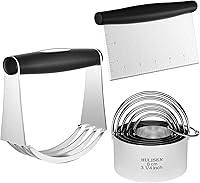
A bench scraper is useful when the dough sticks to the counter or when you need to move portions without pulling them apart. The Rachael Ray Tools and Gadgets Stainless Steel is a stainless steel pastry scraper with a ribbed composite handle.
It measures 6 in long by 5 in wide, comes as a pack of 1 and is dishwasher safe.
For an Ooni oven, see this Ooni Detroit style pizza dough guide before adapting the pan and bake time. Detroit dough needs enough room for its thicker shape, so do not treat it like a thin round.
When is quick pizza dough the better choice?
Quick pizza dough works best when you want same-day pizza with a shorter rise. It saves planning time, but it usually has less fermented flavor and may develop a different chew from dough that rests overnight.
Measure ingredients carefully and give the dough enough time to relax before shaping. A short schedule still benefits from a brief rest because tight dough can spring back when stretched.
Read the Ooni quick pizza dough guide if you are making pizza in a high-heat oven. If you are starting with a packaged option, the can of pizza dough guide explains how to handle canned dough and what to expect from a convenience dough.
Prepared mixes are another middle option. The Ooni pizza dough mix guide can help if you want a measured dry mix without building the recipe from separate ingredients.
Should you choose gluten-free pizza dough?
Choose gluten-free pizza dough when you need to avoid wheat gluten, but expect a different handling process. Gluten-free dough often behaves more like a thick batter or soft paste than a stretchy wheat dough, so pressing it into shape may work better than tossing or stretching it.
Keep the work surface and tools clean if the pizza is being prepared for someone with a medically necessary gluten-free diet. Check every ingredient and shared surface according to that person's needs.
The Ooni gluten-free pizza dough recipe gives you a starting point for adapting the dough to a high-heat oven. Avoid comparing gluten-free dough only by how closely it stretches like wheat dough.
Its useful qualities may be easy pressing, even thickness and a stable baked edge.
How does Neapolitan-style dough differ?
Neapolitan-style dough suits very hot ovens that can bake a thin center and puffed rim quickly. The dough is usually stretched by hand, topped lightly and baked soon after launching.
It is less forgiving when the oven is too cool or the dough is overloaded with toppings. Excess moisture can soften the center before the edge finishes, so keep the topping layer controlled.
Fuel affects oven heat and recovery. Read How to Choose Wood for a Pizza Oven? and What Do You Need to Choose Wood for a Pizza Oven? if you use a wood-fired oven.
This style suits people who enjoy a short bake and a light topping load. Heavy cheese, wet sauce or watery vegetables can weigh down a thin base before it sets.
Heat needs to be ready before the dough goes in. If the cooking surface is not hot enough, the center may stay pale while the rim takes on color.
Recovery matters when you make more than one pizza. Opening the door lets heat escape, and the next bake can suffer if the oven has not come back up to temperature.
Hand stretching helps protect the rim in this style. Pressing the center outward keeps gas near the edge, where it can puff during the brief bake.
Timing after stretching is also important. Leaving a stretched base to sit can let it dry or lose shape, so topping and launching soon after shaping works better.
A wood-fired oven needs steady fuel management for consistent results. Logs that flare and die down can change both heat and flavor during a short bake.
Learn your oven before changing the dough. A small test pizza can show whether the base sets in time or needs a thinner stretch and lighter toppings.
How should you prepare and proof each dough?
Proofing means giving dough time to ferment and relax before baking. The right proofing setup should match the dough's size, schedule and temperature.
Use a covered container that gives the dough room to expand without drying out. Our dough proofing container guide explains what to consider when choosing one.
Divide dough before the final proof when you want separate pizzas. Use a scraper to lift each portion, then keep the dough covered while the remaining portions rest.
Docking has a different purpose from proofing. A docker makes small holes that can limit bubbles in a flat crust, so read how to use a pizza dough docker before using one on a dough meant to have a puffy rim.
Temperature shapes how proofing runs. A warm spot speeds activity, while a cooler place slows it and can make scheduling easier for a longer ferment.
Covering the dough helps stop a dry skin forming on the surface. That skin can make stretching harder and can bake into a tough layer.
Dividing early gives each portion room to relax in its own space. It also makes it easier to shape one pizza while the others stay covered and undisturbed.
A scraper helps lift sticky dough without stretching it out of shape. That matters when the dough is soft or has fermented for a long time.
Give the dough time after dividing before you try to shape it. Tight portions often tear or spring back if they are stretched too soon.
Proofing is not only about size. Relaxation can matter just as much, because dough that has rested usually shapes with less resistance.
Watch the dough rather than chasing a fixed time. Room temperature, yeast amount and dough style all change how long proofing should take.
For pan dough, give it time to spread and relax in the pan before baking. For thin dough, letting it rest before stretching can keep the rim more even.
More guides on this topic
- Best Rolling Pins for Pizza Dough
- How to Make New York Style Pizza Dough for an Ooni Oven
Use the rolling pin guide if your crust goal is flat and even. Use the New York guide if you plan to bake that style in an Ooni oven and want the method matched to high heat.
Which dough should you choose for a crisp crust?
Choose thin New York style dough for a foldable crisp edge, Detroit dough for crisp pan edges, or a well-managed high-heat dough for a lighter, blistered crust. The recipe alone does not decide crispness.
Bake on a fully heated surface, avoid excess sauce and wet toppings, and let the finished pizza rest briefly before slicing. The how to make crispy pizza dough guide covers hydration, shaping and baking choices that affect the final texture.
Hydration affects both crispness and chew. Wetter dough can bake up softer and more open, while a drier mix may hold a firmer bite.
Heat from below matters as much as heat from above. A surface that is still heating up can leave the base pale and soft even when the top looks done.
Wet toppings add steam during the bake. Salting vegetables ahead of time, draining them and using sauce sparingly can help the crust stay crisp.
A brief rest after baking helps steam escape instead of soaking into the crust. Cutting too soon can also tear a hot, delicate base.
Your dough choice should follow your routine. Pick New York style if you want familiar slices, sourdough if flavor and fermentation are part of the process, Detroit if you want a thick pan pizza, quick dough if time is limited, and gluten-free dough when dietary needs come first.
Frequently asked questions
What type of pizza dough is best for beginners?
Quick pizza dough is usually the easiest starting point because it uses a shorter preparation schedule and does not require a sourdough starter. New York style dough is also beginner friendly when you have more time for mixing, resting and shaping.
What type of pizza dough makes the crispiest crust?
A dough with moderate hydration, a well-heated baking surface and enough fermentation time can produce a crisp crust. Thin New York style dough is a practical choice, while Detroit dough creates crisp edges from oil in the pan.
What type of pizza dough is best for a pizza oven?
Choose dough based on the heat of your pizza oven. Neapolitan-style dough suits very high heat and short bakes, while New York, sourdough and Detroit dough need shaping and baking methods that match their thicker or more structured crusts.
Is sourdough pizza dough better than regular dough?
Sourdough pizza dough is not automatically better than regular dough. It suits people who want a fermented flavor and already maintain a starter, while regular yeast dough is simpler to schedule and gives more predictable preparation.