Stand Mixer vs Hand Mixer: Which Should You Choose? (November 2026)
Choose a stand mixer for dough and large batches, and a hand mixer for light everyday mixing. In this stand mixer vs hand mixer comparison, kneading ability, hands free control and storage space decide the winner more than speed alone.
On this page (13 sections)
- Stand mixer vs hand mixer: the quick verdict
- The two side by side
- Kneading ability: the biggest difference
- Mixing control and hands free work
- Speeds and power for real recipes
- Convenience for everyday mixing
- Storage needs and counter space
- Attachments and what is in the box
- Cleanup and daily care
- Cost of ownership and extra purchases
- Who should buy which
- A note on pizza dough and wood fired ovens
- The verdict on stand mixer vs hand mixer
Choose a stand mixer for dough and large batches, and a hand mixer for light everyday mixing. This stand mixer vs hand mixer choice comes down to kneading, control, storage and cleanup.
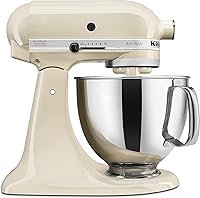
The KitchenAid Artisan stand mixers hold 5 quarts and include a dough hook. The hand mixers here weigh 1.3 kg or 2 pounds and store in a drawer or cabinet.


Stand mixer vs hand mixer: the quick verdict
The stand mixer wins for dough; the hand mixer wins for space and quick jobs. A stand mixer kneads with a dough hook while you are free to add ingredients.
A hand mixer needs your hand on it for every second of mixing.
Read our electric stand mixer guide if you lean toward the stand mixer. It explains bowl size, tilt head design and speed control in plain terms.
Choose a stand mixer if you make bread, pizza dough or large batches of cookies each week. Choose a hand mixer if you mostly mix cake batter, frosting, mashed potatoes or whipped cream.
The two side by side
The stand mixers offer 5 quart capacity and a dough hook; the hand mixers offer compact storage and quick setup. The table below compares the four mixers on the facts that change the choice.
| Product | Best for | Capacity | Size (D x W x H) | Weight | Our score |
|---|---|---|---|---|---|
| KitchenAid Artisan | large dough batches | 5 quarts | 13.9 x 14.1 x 8.7 in | 22.8 pounds | 9.7 |
| KitchenAid Artisan | color-matched kitchens | 5 quarts | 14.1 x 8.7 x 13.9 in | 22.8 pounds | 9.7 |
| Hamilton Beach 6-Speed Electric Hand Mixer | storage and attachments | 8.3 x 5.7 x 9.2 in | 1.3 kg | 9.6 | |
| KitchenAid 5 Ultra Power Speed Hand Mixer | compact daily mixing | 8 x 3.5 x 6 in | 2 pounds | 9.4 |
The KitchenAid Artisan stand mixers have 10 speeds and a 5 quart stainless steel bowl with a handle. They include a coated flat beater, a coated dough hook, a 6-wire whip and a pouring shield.
The Hamilton Beach hand mixer has 6 speeds, a 250 watt peak-power motor, 2 traditional beaters and a whisk. The KitchenAid hand mixer has 5 speeds and 2 stainless steel Turbo Beater accessories.
Kneading ability: the biggest difference
A stand mixer kneads dough with a dough hook; a hand mixer has no dough hook in this comparison. That single fact decides the choice for bread and pizza dough.
The KitchenAid Artisan stand mixers include a coated dough hook. KitchenAid says the 10 speeds range from a stir speed to whipping cream at speed 8.
The 59 touchpoints around the bowl help incorporate ingredients.
A hand mixer can stir soft dough, but you must hold it while the dough fights the beaters. Stiff dough can stall a small motor and tire your wrist.
If dough is your main job, do not force a hand mixer to do it.
Our best dough mixer tool guide helps if dough is the main reason you are shopping. It also helps you judge when a dedicated tool makes more sense than a general mixer.
Why the dough hook matters
The dough hook folds and stretches dough against the bowl. A flat beater mixes batter, and a whip adds air.
Only the hook is shaped to knead.
The stand mixers here include all three tools in the box. That means one machine covers dough, batter and whipping without extra purchases.
You still need to press the dough down and turn the bowl at times. The hook does the hard kneading work, but your hands finish the job.
Mixing control and hands free work
A stand mixer mixes hands free after you set the speed; a hand mixer needs your hand on it. Hands free control matters for adding ingredients and for thick batters.
The stand mixers have a tilt head design. You tilt the head up for access to the bowl, then lock it in place while mixing.
The pouring shield helps you add ingredients with less mess.
With a hand mixer, you hold the body in one hand and often steady the bowl with the other. The Hamilton Beach bowl rest steadies the mixer on the bowl edge while you add ingredients.
That helps, but it does not make mixing hands free.
The KitchenAid hand mixer has a lockable swivel cord. The cord stays out of your way while you move the mixer around the bowl.
That is a small detail you will notice in every use.
Speeds and power for real recipes
Both types offer several speeds, but they use them for different jobs. Speed counts alone do not tell you much.
Match the speed range to the recipes you make.
The stand mixers offer 10 speeds. Use stir speed to combine ingredients gently.
Use higher speeds for whipping cream and egg whites with the 6-wire whip.
The Hamilton Beach hand mixer offers 6 speeds plus a QuickBurst button. QuickBurst adds a burst of power at any speed.
Hamilton Beach says the 250 watt peak-power motor handles chocolate chips and nuts in cookie dough and fluffy whipped cream.
The KitchenAid hand mixer offers 5 speeds. Speed one mixes in nuts and chocolate chips.
Speed five whips egg whites or heavy cream. You can also remove accessories with a single press of a button.
Convenience for everyday mixing
A hand mixer is faster to grab for a small job; a stand mixer is easier for a long job. Think about how long you will hold the mixer.
For frosting, pancake batter or whipped cream, a hand mixer takes seconds to set up. You rinse the beaters and put the mixer away.
No bowl to lock in, no head to tilt.
For dough that kneads for several minutes, a stand mixer saves your arms. You set the speed and watch the dough come together.
You can add flour or water in small amounts as it runs.
The Hamilton Beach hand mixer has a speed dial that ejects attachments without getting your hands messy. You press the dial, and the beaters release.
That helps with sticky frosting.
Storage needs and counter space
A hand mixer fits in a drawer; a stand mixer needs a permanent counter spot. Measure first, because this is the most common regret after buying a stand mixer.
The KitchenAid Artisan stand mixers measure about 13.9 x 14.1 x 8.7 inches and weigh 22.8 pounds. That size and weight mean you will likely keep it on the counter.
Check for space to tilt the head up and remove the bowl.
The Hamilton Beach hand mixer measures 8.3 x 5.7 x 9.2 inches. Its snap-on storage case holds the 2 beaters, the whisk and the cord.
Everything snaps onto the mixer, so you do not dig through a drawer for parts.
The KitchenAid hand mixer measures 8 x 3.5 x 6 inches and weighs 2 pounds. It fits in a small cabinet or drawer with the Turbo beaters.
That compact size suits small kitchens.
Attachments and what is in the box
The stand mixers include more tools in the box; the hand mixers include the basics for batter and whipping. Check what you get before you buy, because extra attachments cost money.
Each stand mixer includes a 5 quart stainless steel bowl, a coated flat beater, a coated dough hook, a 6-wire whip and a pouring shield. The bowl is dishwasher safe.
The bowl has a comfortable handle for small or large batches.
The Hamilton Beach hand mixer includes traditional beaters and a whisk, plus the snap-on storage case. The beaters and whisk are dishwasher safe.
That set covers mixing, whisking and folding.
The KitchenAid hand mixer includes the hand mixer and 2 stainless steel Turbo Beater accessories. The Turbo beaters are dishwasher safe.
No dough hook or whisk is included with this model.
If you choose a hand mixer for dough, look at a best hand mixer with stand option. A stand can hold the bowl and free one hand, but it still does not knead like a dough hook.
Cleanup and daily care
Both types clean up in the same basic way: wash the bowl and attachments, and wipe the body. The difference is how many parts you wash and how heavy they are.
The stand mixer bowl is dishwasher safe, which helps with sticky dough and batter. The coated flat beater, coated dough hook and whip also need washing after each use.
Wipe the mixer body with a damp cloth and keep the bowl seat clean.
The hand mixer beaters and whisk are dishwasher safe on the Hamilton Beach model. The KitchenAid Turbo beaters are dishwasher safe too.
Wipe the hand mixer body and keep the vent openings clear of flour.
Do not let dough dry on the hook or beaters. Wash soon after mixing, and dry the parts before you store them.
A dry storage case or drawer keeps metal parts from spotting.
Cost of ownership and extra purchases
A stand mixer costs more upfront; a hand mixer costs less and needs fewer extras. Think about the total cost, not just the mixer.
The stand mixers include the dough hook, flat beater, whip and pouring shield. You may want extra bowls if you bake in batches, but the included set covers the main jobs.
KitchenAid says over 10 optional hub-powered attachments are available, sold separately.
The hand mixers include beaters and, on the Hamilton Beach model, a whisk. If you want dough help from a hand mixer, you may need a separate dough attachment.
Our best hand mixer dough attachment guide can help you compare those.
If you want a hand mixer mainly for dough, our best hand mixer for dough guide sets out the limits and the models that handle soft dough best. Read it before you expect a hand mixer to knead stiff dough.
Who should buy which
Buy a stand mixer if dough and large batches are your main jobs; buy a hand mixer if quick, light mixing is your main job. Your recipes matter more than the brand on the side.
Choose the KitchenAid Artisan in Black Matte if you want a 5 quart stand mixer with 10 speeds and a dough hook. Choose the KitchenAid Artisan in Blue Velvet if you want the same capacity and tools with a color that fits your kitchen.
Choose the Hamilton Beach 6-Speed Electric Hand Mixer if you want beaters, a whisk and a snap-on case that keeps parts together. Choose the KitchenAid 5 Ultra Power Speed Hand Mixer if you want a compact body, 5 speeds and a lockable swivel cord.
Skip the stand mixer if you have no counter space for a 22.8 pound machine. Skip the hand mixer as your only mixer if you make stiff dough each week.
In that case, the stand mixer is the honest choice.
A note on pizza dough and wood fired ovens
Pizza dough is a dough job, so it favors a stand mixer with a hook. If you make pizza often, plan for kneading time, not just mixing time.
A stand mixer with a dough hook can knead pizza dough hands free. A hand mixer can mix the dough, but you may need to finish it by hand on the counter.
That extra step matters when you make several dough balls.
Our guide on how to choose wood for a pizza oven helps if you bake pizza at home. For a second angle on fuel choice, see what you need to choose wood for a pizza oven.
If you already own a stand mixer, check best KitchenAid stand mixer attachments before you buy new tools. Some attachments help with prep, but the dough hook in the box is the key tool for kneading.
The verdict on stand mixer vs hand mixer
Pick the stand mixer for dough, large batches and hands free control; pick the hand mixer for space, speed of setup and everyday light mixing. This stand mixer vs hand mixer choice should follow your recipes.
If you bake bread or pizza dough weekly, choose the KitchenAid Artisan stand mixer. Its 5 quart bowl, dough hook, 10 speeds and tilt head design cover dough, batter and whipping in one machine.
If you mostly mix batter, frosting or whipped cream, choose a hand mixer. The Hamilton Beach model suits you if storage and a whisk matter.
The KitchenAid hand mixer suits you if a compact body and swivel cord matter.
Our score weighs specs, features and buyer feedback against what you are shopping for. Use the decision rule above, measure your space, and you will pick the mixer you will actually use.
Frequently asked questions
Is a hand mixer good enough for dough?
A hand mixer can mix soft dough, but it is not a replacement for a stand mixer dough hook on stiff dough. A stand mixer kneads hands free with a hook built for that task.
If you make dough often, choose the stand mixer.
Which is easier to store, a stand mixer or a hand mixer?
A hand mixer stores in a drawer or cabinet with far less space. The KitchenAid stand mixers here weigh 22.8 pounds and measure about 14 inches in each main dimension.
Measure your counter and cabinet before you choose.
Can a stand mixer whip cream and eggs?
Yes, the KitchenAid Artisan stand mixers include a 6-wire whip and 10 speeds. KitchenAid says speed 8 whips cream.
A hand mixer with a whisk or Turbo beaters can also whip, but you hold it the whole time.
Which mixer is better for small batches?
A hand mixer suits a single bowl of batter, frosting or whipped cream because it takes little space and cleans quickly. A 5 quart stand mixer bowl suits large batches and can also handle small batches.
Choose by batch size and how often you mix.