Solo Stove Pi Pizza Oven Review: Worth It? (November 2026)
The Solo Stove Pi is best for outdoor cooks who want wood-fired pizza with the option to add gas. Choose it for fuel flexibility, or pick an electric alternative when simple temperature control matters more.
On this page (8 sections)
- What do Solo Stove Pi pizza oven reviews say about its best use?
- How does the Solo Stove Pi compare with other pizza ovens?
- Is the Solo Stove Pi better with wood or optional gas?
- What should you prepare before using the Solo Stove Pi?
- How do you control heat during a wood-fired bake?
- What are the main Solo Stove Pi trade-offs?
- How should you clean and store the Pi?
- Is the Solo Stove Pi worth choosing?
The Solo Stove Pi is a strong choice for outdoor pizza cooks who want wood-fired cooking with optional gas flexibility. Its main appeal is fuel choice, while its trade-offs are fire management, outdoor setup and the extra work needed to keep heat steady.
This review focuses on the original Pi concept rather than treating it like a countertop electric oven. We compared its wood and optional gas approach with three products that cover pizza prep, indoor convenience and flame-free outdoor cooking.
What do Solo Stove Pi pizza oven reviews say about its best use?
Solo Stove Pi pizza oven reviews most often make sense when the buyer wants an outdoor cooking experience built around live heat.
The Pi is a better fit for planned pizza sessions than quick weekday cooking. You need a safe outdoor location, suitable fuel, room for prep and a way to handle hot tools.
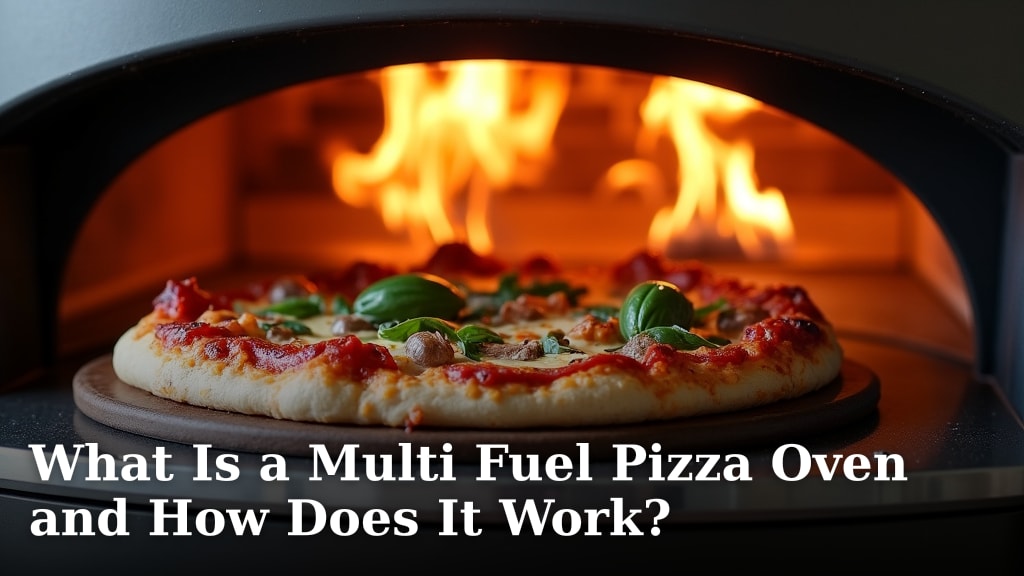
If you are still comparing fuel types, What Is a Multi Fuel Pizza Oven and How Does It Work? explains why wood and gas feel different during setup and cooking.
What does the original Pi cooking style involve?
The original Pi is centered on wood cooking with optional gas support. Wood requires you to build and maintain the fire, watch the heat and manage the cooking surface as the fuel changes.
Gas can reduce some of that fire tending, but it doesn't remove the need for safe placement, preheating and careful handling. Use only the fuel setup intended for your exact oven.
That distinction matters when you compare the Pi with electric models. A corded oven gives you buttons or knobs, while the Pi asks you to manage the heat source and respond to the fire.
How does the Solo Stove Pi compare with other pizza ovens?
The Solo Stove Pi stands out for fuel flexibility, while the alternatives below favor simpler control or broader electric functions. The best choice depends on whether you value live-fire cooking, indoor convenience or outdoor cooking without flame.
Our scores weigh specs, features and buyer feedback against what you're shopping for.
Pet Baby 18.9" Oven Round Silicone Baking Mat: Best for Solo Stove prep

- 18.9 x 18.9 in round shape
- Silicone material
- Heat resistance up to 450K
- Dishwasher safe
A round silicone mat for organizing pizza tools around compatible Solo Stove outdoor ovens. Its portable shape suits cooks who want a wipe-clean prep surface.
Pros
- Round 18.9 in shape
- Foldable for storage
- Oil-resistant surface
- Dishwasher safe
Cons
- Designed around the Solo Stove Pi Prime and Pi Dual Fuel
- Does not replace a pizza stone or peel
The Pet Baby 18.9" Oven Round Silicone Baking Mat is useful around compatible Solo Stove outdoor ovens when you want a defined prep surface for tools. Its silicone material, round shape and oil-resistant surface make cleanup easier after arranging dough and toppings.
The mat is 18.9 x 18.9 inches and weighs 0.53 kg. It is a prep accessory, not a cooking chamber, stone or heat source, so it supports the workflow around an oven rather than replacing any core oven part.
Its foldable design helps with storage after an outdoor cooking session. The surface is described as heat resistant up to 450K, and the mat is dishwasher safe, which suits cooks who want less cleanup after handling oil and flour.
Presto 03430 Pizzazz Plus Rotating Oven: Best for indoor convenience

- 12 in size
- Rotating tray
- Top and bottom heating elements
- Timer with automatic shutoff
A countertop electric oven for frozen, homemade, take-and-bake and deli pizza. Separate top and bottom controls give you more control over browning.
Pros
- Rotating tray supports even baking
- Top and bottom elements are separately controlled
- Removable nonstick pan
- Timer shuts off the heating elements
Cons
- Electric countertop format lacks wood-fired cooking
- 12 in size limits pizza diameter
The Presto 03430 Pizzazz Plus Rotating Oven is the clearest indoor alternative when you want pizza without wood, gas or outdoor setup. It has a 12 in size, a rotating tray and separate top and bottom heating elements.
The oven measures 14.5 D x 15.8 W x 10.3 H inches and uses 1,235 watts of electricity. Its timer signals the end of cooking and automatically turns off the heating elements, so the cooking process is more controlled than live-fire baking.
The removable nonstick pan helps with cleanup and storage. Choose it for frozen, homemade, take-and-bake or deli pizza when a countertop format matters more than the flavor and process of a wood fire.
Ninja Artisan Pizza Oven: Best for flame-free outdoor cooking

- 12 in pizzas
- 700°F maximum temperature
- 5 pizza settings
- Bake, broil, warm and proof functions
A corded electric outdoor oven for cooks who want high heat without a live flame. It adds bake, broil, warm and proof functions to the pizza setting.
Pros
- 5 pizza settings
- Chef's View Window
- Includes 12 x 12 in pizza stone and bake pan
- Weather resistant
Cons
- Corded electric power is required
- 18-minute preheat is excluded from the 3-minute pizza claim
The Ninja Artisan Pizza Oven is the best alternative for outdoor cooks who want electric heat instead of a live flame. Its 90–700°F temperature range, 5 pizza settings and 5-in-1 design cover more than pizza alone.
The oven is the MO201 model, measures 20.78 D x 16.22 W x 12.4 H inches and weighs 25 pounds. It includes a 12 x 12 in pizza stone and a 12 x 12 in bake pan.
Ninja describes 3-minute 12 in pizza cooking at 700°F, excluding the 18-minute preheat. The oven also supports bake, broil, warm and proof functions, which may suit outdoor cooks who want to use one appliance for several food types.
Is the Solo Stove Pi better with wood or optional gas?
Wood is better when you want the flavor, fire control and ritual of live-fire cooking. Gas is better when you want a more direct way to maintain heat and reduce the work of feeding or adjusting the fire.
Wood cooking adds several decisions. You need to choose suitable fuel, build the fire, allow the oven to heat and keep an eye on the cooking area while the pizza bakes.
Gas can make the session easier to repeat, but the compatible burner setup becomes part of your planning. Don't assume that any gas burner is suitable for the oven.
A multi-fuel oven also needs a storage plan. Keep fuel, tools and cooking surfaces protected from weather, and allow hot parts to cool before moving or covering them.
For a different multi-fuel workflow, compare How to Use a Bertello Pizza Oven. The same basic habits apply: set up safely, preheat fully, launch carefully and watch the crust rather than relying on time alone.
What should you prepare before using the Solo Stove Pi?
Prepare a stable outdoor cooking area, the correct fuel, a peel and a place to set hot tools. The Pi works best when dough, toppings and tools are ready before the fire reaches cooking heat.
Measure your work area before setup. You need enough room to turn or remove pizza, keep food away from the fuel area and move safely around the oven.
Keep dough lightly floured and toppings controlled. A heavily loaded pizza takes longer to cook and can make the center soft while the edge browns quickly.
Use a peel that matches your dough routine. A wooden peel can help with launching, while a metal peel is useful for turning or removing a cooked pizza, but the right choice depends on your handling style.
Don't rush the launch. Shake the pizza gently before placing it on the cooking surface so you can catch sticking before the dough enters the oven.
How do you control heat during a wood-fired bake?
Control wood-fired heat by managing the fuel, watching the cooking surface and turning the pizza as needed. Heat near the fire can brown one side faster, so rotation is part of the cooking process.
Keep the pizza moving when the edge closest to the flame colors faster than the rest. Small turns are easier than waiting until one side is already too dark.
Avoid adding too many toppings while learning the oven. A lighter pizza shows you how the dough and heat behave, making it easier to adjust your next bake.
The Pi's live-fire format rewards short feedback cycles. Look at the crust, cheese and underside, then make one change at a time.
For Neapolitan-style cooking, Best Multi Fuel Pizza Oven For Neapolitan Pizza offers a broader comparison of fuel-flexible options and the traits that matter for this style.
What are the main Solo Stove Pi trade-offs?
The Pi's biggest advantage is choice between wood and optional gas cooking. Its biggest drawback is that both options require more planning than a plug-in countertop oven.
Choose the Pi when outdoor pizza is an activity you enjoy. The fire, fuel and heat management are part of the appeal, not just obstacles between you and dinner.
Choose the Presto when you want an indoor appliance with a rotating tray, separate heating controls and an automatic shutoff timer. Its 12 in size is practical for regular home pizza but does not recreate a wood fire.
Choose the Ninja when you want an outdoor oven with electric heat and more cooking modes. Its 700°F maximum temperature and proof, bake, broil and warm functions make it more flexible for outdoor meals.
The Pet Baby mat fits a different need. It helps organize the prep area around compatible Solo Stove outdoor ovens, but it is an accessory rather than an alternative oven.
How should you clean and store the Pi?
Clean the Pi after it has cooled fully, then remove loose food debris and protect the cooking area from moisture. Never handle hot parts or cover the oven while heat remains.
Wood cooking can leave ash and soot, so use the cleaning method intended for the oven materials. Avoid harsh tools that could damage a cooking surface or finish.
Keep fuel stored separately from food and away from heat. If you use gas, inspect the compatible connection and follow the burner instructions before each session.
A silicone prep mat can make the surrounding work area easier to maintain. The Pet Baby mat has an oil-resistant surface and can be washed with soap and water or placed in a dishwasher.
For a closer look at the related Solo Stove outdoor product, read our Solo Stove Pi Fire Review. It helps separate a fire-pit cooking accessory from a dedicated pizza oven.
Is the Solo Stove Pi worth choosing?
The Solo Stove Pi is worth choosing if you want outdoor wood-fired pizza and the option to use gas when the compatible setup suits your cooking style. It is less suitable if you need instant indoor cooking, automatic shutoff or one appliance for several electric cooking modes.
Pick the Pi for live-fire sessions and fuel flexibility. Pick the Presto for simple 12 in countertop pizza, or choose the Ninja for outdoor electric cooking with a 90–700°F range and several food functions.
Before buying, plan the cooking area, fuel storage, prep surface and cleanup routine. If you are still comparing oven formats, What Is a Pizza Oven and How Does It Work? explains the basic parts and cooking process.
Final verdict on Solo Stove Pi pizza oven reviews
Solo Stove Pi pizza oven reviews point to a clear decision: buy the Pi when fire-based outdoor cooking is part of the experience you want. Choose another format when your priority is a controlled countertop routine or flame-free outdoor cooking.
Wood gives the Pi its character, while optional gas can make the heat source easier to manage. Your best match depends on how much setup you want to do before the first pizza goes in.
Frequently asked questions
Is the Solo Stove Pi a wood-fired pizza oven?
The original Solo Stove Pi is designed for wood cooking, with optional gas cooking available when used with the compatible gas burner setup. That fuel choice makes it different from a corded electric oven.
Check the exact Pi model and compatible accessories before choosing your fuel.
Can the Solo Stove Pi use gas?
The Solo Stove Pi can use wood, and gas cooking is an optional setup rather than the only fuel method. Gas gives you a simpler heat source, while wood adds fire management and smoke.
Confirm the burner and fuel instructions for your exact Pi model before cooking.
Is the Solo Stove Pi good for Neapolitan pizza?
The Solo Stove Pi can suit Neapolitan-style pizza when you can manage high heat, dough handling and turning during the bake. Results depend on fuel control, preheating, dough hydration and topping load.
Compare it with other multi-fuel ovens if Neapolitan pizza is your main goal.
What is a simple alternative to the Solo Stove Pi?
The Presto 03430 Pizzazz Plus is the simplest indoor alternative here because it uses electricity, a rotating tray and separate top and bottom heating elements. For outdoor cooking without a live flame, the Ninja Artisan Pizza Oven offers electric heat from 90–700°F.