
How to Cook Frozen Pizza in a Pizza Oven?

Yes, you can absolutely cook frozen pizza in a pizza oven, and it can be deliciously crispy! The key is to manage your pizza oven’s temperature carefully. You’ll want a hotter oven than you might use for a fresh pizza. This helps cook the frozen pizza quickly before the toppings dry out.
Cooking frozen pizza in a pizza oven offers a fantastic shortcut to a gourmet meal. Many people find it surprisingly easy to achieve restaurant-quality results. You can get a perfectly golden crust and evenly cooked toppings with just a few adjustments to your usual pizza-making process. We’ve found it’s a great way to satisfy pizza cravings fast.
- Preheat your pizza oven to the correct temperature.
- Use a pizza stone or steel for a crispier bottom crust.
- Cook times will be shorter than in a conventional oven.
- Keep a close eye on your pizza as it cooks to prevent burning.
Ready to transform your frozen pizza game? Let’s walk through exactly how to get amazing results using your pizza oven.
Cooking Frozen Pizza in Your Pizza Oven: A Step-by-Step Guide
You’re probably wondering if you can truly achieve pizza perfection with a frozen pie in a hot pizza oven. The answer is a resounding yes! It’s a fantastic way to get a crispy crust and evenly cooked toppings without the mess of making dough from scratch. We’ve found that with a few simple adjustments, your pizza oven can transform a humble frozen pizza into something truly special.
Preheating: The Foundation of a Great Pizza
Getting your pizza oven to the right temperature is the most critical step. Unlike a conventional oven, a pizza oven heats up much faster and hotter. For frozen pizza, you’ll want to aim for a higher temperature than you might for a fresh pizza. This intense heat is what gives you that signature crispy crust.
Ideal Temperature Ranges
We’ve researched various pizza oven models and found that a range of 500°F to 700°F (260°C to 370°C) is generally ideal for cooking frozen pizzas. Some pizza ovens can go even hotter, but for frozen pies, this range provides a good balance. Too low, and the pizza might not cook through before the crust gets tough. Too high, and you risk burning the crust before the cheese melts.
Using a Pizza Stone or Steel
A pizza stone or steel is your best friend when cooking any pizza, especially a frozen one. It absorbs and radiates heat evenly. This means the bottom of your pizza gets direct, intense heat, leading to a perfectly crisp crust. Without one, the frozen dough might turn out soggy. We recommend preheating your stone or steel along with the oven for at least 30-45 minutes.
Stone vs. Steel
Both pizza stones and steels are excellent choices. A pizza stone is typically made of ceramic or cordierite. It offers a more traditional crust texture. A pizza steel, made of conductive metal, heats up faster and transfers heat more efficiently. This can lead to an even crispier crust. Many pizza enthusiasts swear by steel for its superior heat retention and conduction (Serious Eats).
How Long to Preheat?
Don’t rush the preheating process. For most pizza ovens, 30 to 60 minutes of preheating is sufficient. You want the oven walls and the cooking surface (your stone or steel) to be thoroughly heated. You can test the temperature with an infrared thermometer. A stable temperature is key to consistent cooking results.
Preparing Your Frozen Pizza for the Oven
Once your oven is roaring hot and your pizza stone is ready, it’s time to prep your pizza. While you might be tempted to just slide it in, a little preparation goes a long way. Think of it as giving your frozen pizza a fighting chance to become a culinary masterpiece.
To Remove or Not to Remove the Packaging?
This is a common question, and the answer is usually remove everything! Most frozen pizzas come in plastic wrap or cardboard sleeves. These must be removed. The plastic will melt and could release harmful fumes. The cardboard will scorch and burn, making a mess and potentially imparting a bad flavor to your pizza. Always check the pizza’s packaging for specific instructions, but generally, the wrapper is the first thing to go.
Should You Thaw a Frozen Pizza?
It might seem counterintuitive, but for a pizza oven, you do NOT need to thaw your frozen pizza. In fact, thawing can sometimes be detrimental. If you thaw it, the dough can become wet and sticky, making it harder to transfer. More importantly, a partially thawed pizza might overcook on the outside before the inside is properly heated. The high heat of the pizza oven is designed to cook from frozen.
Adding Extra Toppings (Optional)
Want to jazz up your frozen pizza? Now is the time! You can add extra cheese, a few more pepperonis, or some fresh basil. Just remember that your pizza will cook much faster in a pizza oven than in a conventional oven. So, don’t overload it with toppings that need a lot of cooking time, like raw vegetables. We found that adding fresh herbs after cooking often yields the best flavor.
The Cooking Process: Timing is Everything
This is where the magic happens! Cooking a frozen pizza in a pizza oven is a much quicker process than you might be used to. Keep your eyes on it, and you’ll be rewarded with delicious results.
Launching Your Pizza
Using a pizza peel is essential for launching your pizza into the oven. Lightly flour your peel to prevent sticking. Carefully slide the frozen pizza onto the peel. Then, give the peel a quick, sharp jerk to slide the pizza onto the hot pizza stone or steel. Work quickly to avoid the pizza sticking to the peel.
Cooking Times and Rotation
This is where the speed of a pizza oven really shines. A frozen pizza that might take 20-30 minutes in a conventional oven can cook in your pizza oven in as little as 3 to 7 minutes. Yes, you read that right! Because the heat is so intense, the crust will brown quickly, and the cheese will melt. You’ll need to rotate the pizza at least once, possibly twice, during cooking. Use your pizza peel or a turning peel to give it a quarter turn every minute or so. This ensures even cooking and prevents one side from burning while the other is still pale.
What to Look For
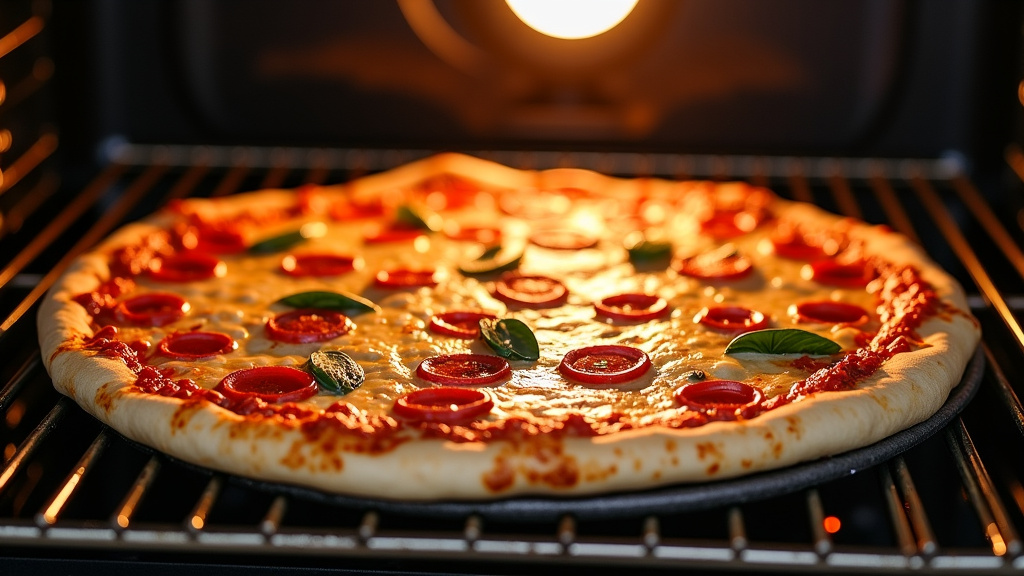
You’re looking for a crust that is golden brown, perhaps with a few charred spots (that’s good!). The cheese should be fully melted and bubbly, with perhaps some browning. If the toppings are browning too quickly but the crust isn’t done, you might need to slightly reduce the oven temperature or move the pizza to a cooler part of the oven if possible. Research suggests that consistent monitoring is key (The Kitchn).
Checking for Doneness
The best way to check if your pizza is done is by visual cues. Look for a nicely browned crust, bubbly cheese, and cooked toppings. You can also carefully lift an edge with your peel to check the underside of the crust. It should be firm and golden brown, not pale or doughy.
Post-Cooking Perfection
Once your pizza is out of the oven, a few final touches can make all the difference.
Resting Your Pizza
Allowing your pizza to rest for a minute or two before slicing is helpful. This lets the cheese settle and prevents toppings from sliding off when you cut into it. It’s a small step, but it makes for a cleaner slice and a better eating experience. We found that a two-minute rest is usually perfect.
Slicing and Serving
Use a sharp pizza cutter or knife to slice your masterpiece. Serve immediately and enjoy the amazing crispy crust and perfectly cooked toppings that your pizza oven has delivered. You’ve just conquered frozen pizza in a pizza oven!
Quick Checklist for Frozen Pizza Oven Success
- Preheat oven to 500°F-700°F (260°C-370°C).
- Preheat pizza stone/steel for 30-45 minutes.
- Remove all packaging from the frozen pizza.
- Launch pizza onto the hot stone/steel using a floured peel.
- Cook for 3-7 minutes, rotating frequently.
- Rest pizza for 2 minutes before slicing.
Conclusion
You’ve learned that cooking frozen pizza in your pizza oven is entirely possible and can yield fantastic results. The key is managing that intense heat and keeping a close eye on your pie. By preheating properly and understanding the quick cooking times, you can achieve that perfect crispy crust and bubbly cheese we all crave. So, don’t let those frozen pizzas languish in the freezer! Your next pizza night just got a whole lot easier and tastier. Grab a frozen pizza, fire up that oven, and enjoy your homemade-quality pizza in minutes.
Frequently Asked Questions
Can I put a frozen pizza directly on the pizza oven floor?
We strongly recommend against placing a frozen pizza directly on the oven floor. Always use a preheated pizza stone or steel. This ensures an even cook and that crucial crispy bottom crust, preventing sogginess. Without it, the frozen dough might not cook through properly.
What if my frozen pizza has a cardboard tray?
You must remove the cardboard tray before cooking your frozen pizza in the oven. The cardboard will scorch and burn, creating a mess and potentially imparting a bad taste to your pizza. Always check the pizza’s packaging for specific instructions, but generally, all wrappers and trays need to go.
My pizza oven gets really hot. Will a frozen pizza burn too fast?
It’s possible, which is why monitoring is key! Because pizza ovens are so hot, frozen pizzas cook much faster. You’ll need to rotate it frequently to ensure even browning and prevent burning. Keep watching for that golden crust and bubbly cheese – it happens quickly!
Is it okay to add extra toppings to a frozen pizza before cooking it in a pizza oven?
Yes, you can add extra toppings, but do so sparingly. Since the cooking time is so short, avoid adding raw vegetables that need a lot of time to cook. Pre-cooked meats or extra cheese work well. For fresh herbs, we found it’s best to add them right after the pizza comes out of the oven.
How do I know when my frozen pizza is cooked in a pizza oven?
Look for visual cues: the crust should be golden brown, maybe with a few nice char spots. The cheese should be fully melted and bubbly. You can also carefully lift the edge with your pizza peel to check that the bottom crust is firm and golden, not pale or doughy.
