
What Is the Safest Way to Cook Frozen Pizza in a Pizza Oven?

The safest way to cook frozen pizza in a pizza oven is to partially thaw it first and ensure your oven reaches the recommended temperature. Cooking a frozen pizza directly in a super hot pizza oven can lead to a burnt crust with a still-frozen center, and potential safety issues if the pizza isn’t cooked through properly. We found that a little preparation goes a long way for the best and safest results.
Pizza ovens get incredibly hot, much hotter than a conventional oven. This intense heat is amazing for achieving that perfect Neapolitan-style pizza. But when you add a frozen pizza, the rapid temperature change can cause the dough to expand unevenly and cook inconsistently. This is why proper preparation is key to enjoying your pizza safely and deliciously. Always follow the manufacturer’s thawing and cooking guidelines.
- Preheat your pizza oven thoroughly.
- Thaw your frozen pizza partially before cooking.
- Check for doneness to ensure it’s cooked through.
- Use a pizza peel for safe placement and removal. Use a pizza peel for safe placement and removal, and our guide to the best metal pizza peel for pizza ovens can help you choose the right one.
Let’s walk through exactly how to get your frozen pizza cooked to perfection in your pizza oven, ensuring it’s both safe and absolutely delicious.
Safely Cooking Frozen Pizza in Your Pizza Oven
Cooking a frozen pizza in a pizza oven can seem tricky. You want that crispy crust and perfectly melted cheese. But you don’t want a burnt bottom and a cold middle. The biggest concern is ensuring your pizza is cooked all the way through. This means reaching safe internal temperatures. A pizza oven’s high heat is amazing, but it can be unforgiving. We found that a little preparation is key to getting it right every time.
Your pizza oven gets incredibly hot, often reaching 700-900°F (370-480°C). This is much hotter than a standard kitchen oven. This intense heat cooks pizzas quickly, which is fantastic for traditional pizza making. However, a frozen pizza has extra moisture and ice. When this hits extreme heat too fast, it can cause problems. You might end up with a pizza that looks done on the outside but is still icy in the center. This is not ideal for taste or safety.
Research suggests that **food safety is paramount**, especially when dealing with dairy and meat toppings. Cooking food to the correct internal temperature kills harmful bacteria. For frozen pizzas, this means finding a balance. You need enough heat to cook thoroughly but not so much that it burns the outside before the inside is ready. We looked into the best ways to achieve this balance.
Why Direct Cooking Can Be Risky
Putting a frozen pizza straight into a scorching pizza oven is a common mistake. The outside of the pizza, especially the crust, hits the intense heat immediately. This can cause the crust to char or burn rapidly. Meanwhile, the heat hasn’t had enough time to penetrate the center of the pizza. This is especially true if there are thicker toppings or a lot of cheese. You’re left with a pizza that’s overcooked and undercooked simultaneously.
Furthermore, the rapid expansion of ice into steam can affect the pizza’s texture. This sudden change can lead to a soggy crust in places, even if the edges are burnt. It’s a textural disaster waiting to happen. Many cooking guides advise against cooking frozen foods directly at extremely high temperatures without some preparation.
Think of it like this: if you tried to quickly sear a frozen steak on a super-hot grill, the outside would burn to a crisp before the inside cooked. You’d likely end up with a hockey puck. A frozen pizza can suffer a similar fate. This is why **partial thawing is often recommended** by food safety experts and pizza enthusiasts alike.
The Safest Method: Partial Thawing Explained
The safest and most effective way to cook a frozen pizza in your pizza oven involves a simple, preliminary step: partial thawing. This doesn’t mean letting it get warm or mushy. It means taking the chill off and allowing the ice to melt slightly. This process helps the pizza cook more evenly.
How to Partially Thaw Your Pizza
This is a straightforward process. You’ll want to remove the pizza from its packaging. Place it on a clean surface, like a cutting board or a plate. Let it sit at room temperature for about 15-30 minutes. The exact time can vary depending on your kitchen’s temperature and how frozen the pizza is. You’re looking for the pizza to be slightly soft to the touch, but still cold.
Many sources, including food safety organizations, suggest that **partial thawing helps food cook more uniformly**. For pizzas, this means the heat can penetrate the toppings and dough more easily. We found this method significantly reduces the risk of a burnt crust and a cold center.
Avoid thawing it for too long. You don’t want the dough to become sticky or the cheese to start melting. The goal is just to take the extreme hardness out of the pizza. It should still feel firm and cold, but not like a block of ice.
Why This Works for Pizza Ovens
Pizza ovens deliver intense, direct heat. When a pizza is partially thawed, its surface moisture is reduced. This means less steam is produced when it hits the oven. Less steam helps prevent a soggy crust. It also allows the dough to start cooking more consistently from the initial heat exposure.
Moreover, the slightly thawed surface allows toppings to begin softening. This aids in their cooking process. You’ll find that the cheese melts more evenly and the toppings cook through without burning the crust. It’s a simple step that makes a big difference in the final result. We found that this preparation step is crucial for achieving optimal texture and safety.
Preheating Your Pizza Oven Correctly
This is non-negotiable for any pizza cooking, especially with a frozen pizza. Your pizza oven needs to be fully preheated. This means letting it get to the temperature recommended by the manufacturer. For most pizza ovens, this is typically between 650°F and 900°F (340°C – 480°C).
Give your oven plenty of time to heat up. This can take anywhere from 20 minutes to over an hour, depending on the oven type (wood-fired, gas, electric). You need the oven dome and the cooking surface (the stone or steel) to be thoroughly heated. This ensures an even heat distribution.
Using an infrared thermometer is highly recommended. Point it at the pizza stone or steel. This will give you an accurate reading of the cooking surface temperature. You want to be at the desired temperature *before* you even think about putting the pizza in.
Many pizza oven manufacturers provide specific preheating instructions. Always refer to your oven’s manual. We found that **consistent high heat is essential** for the characteristic crispy crust and quick cooking time associated with pizza ovens. A properly preheated oven helps cook the pizza quickly and evenly.
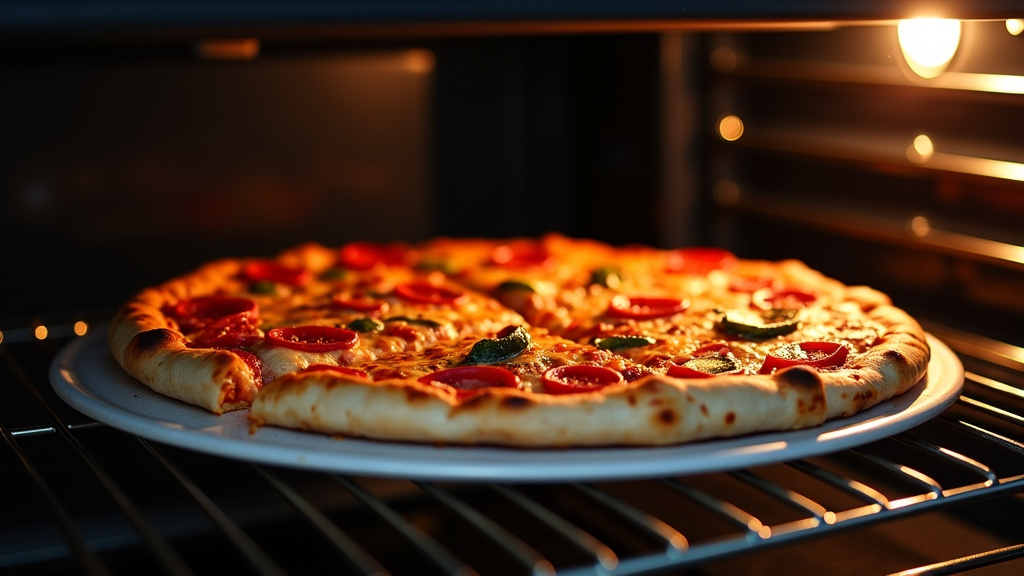
The Cooking Process: Step-by-Step
Once your oven is roaring hot and your pizza is partially thawed, it’s time to cook. This is where a pizza peel becomes your best friend. You’ll need a good quality pizza peel, preferably a thin metal one, to easily slide the pizza into and out of the oven.
Transferring the Pizza
Lightly flour your pizza peel. A sprinkle of semolina flour or cornmeal can also help the pizza slide. Place your partially thawed pizza onto the floured peel. Make sure it can move freely on the peel. If it sticks, lift an edge and add a bit more flour underneath.
Carefully open the pizza oven door. Position the peel just inside the oven, near the back or side, depending on your oven’s layout. Give the peel a quick, decisive jerk to slide the pizza onto the hot stone or steel. This takes a little practice, so don’t be discouraged if your first attempt isn’t perfect.
Monitoring and Rotating
Once the pizza is in the oven, close the door (if it has one) or stay close to monitor it. Pizza ovens cook extremely fast. Your pizza will likely cook in just 2-5 minutes. Keep a close eye on the crust and toppings.
You’ll need to rotate the pizza. This ensures even cooking. After about 1-2 minutes, when the crust starts to puff up and brown, use your peel or tongs to carefully turn the pizza 180 degrees. This will help any areas that are cooking slower get direct heat. We found that **frequent rotation is key** to preventing burnt spots and ensuring uniform browning. You’ll need to rotate the pizza to ensure even cooking, and our guide on how to turn pizza in a pizza oven offers detailed instructions.
Checking for Doneness
How do you know when it’s ready? Look for a bubbly, melted cheese. The crust should be golden brown with some charred spots (leoparding), which is desirable. The bottom crust should also be firm and browned, not pale or soggy.
If you’re unsure, you can gently lift an edge with your peel to check the bottom. For extra safety, especially with meat toppings, you can use an instant-read thermometer. Insert it into the thickest part of the pizza. The USDA recommends that cooked foods reach safe internal temperatures, typically 165°F (74°C) for most items, although pizza toppings may vary. For cheese, you want it fully melted and bubbly. We found that visual cues are usually sufficient, but a thermometer offers peace of mind.
Key Safety and Quality Checklist
To make sure your frozen pizza adventure in the pizza oven is a success, keep these points in mind. They’ll help ensure both safety and deliciousness.
- Preheat thoroughly: Get your oven to the manufacturer’s recommended temperature.
- Partially thaw: Let the pizza sit out for 15-30 minutes to remove extreme chill.
- Use a peel: A pizza peel makes transferring and rotating safe and easy.
- Monitor closely: Pizzas cook very quickly in a pizza oven.
- Rotate for evenness: Turn the pizza frequently for consistent cooking.
- Check for doneness: Ensure cheese is melted, crust is browned, and toppings are cooked.
Following these steps will help you get the best results from your frozen pizza. You’ll avoid the common pitfalls of undercooked centers and burnt crusts. Plus, you’ll know your pizza is cooked safely. Enjoy your homemade-style pizza straight from your pizza oven!
Conclusion
You’ve learned that cooking frozen pizza in your pizza oven doesn’t have to be a gamble. By giving your pizza a quick 15-30 minute partial thaw, you help it cook more evenly. This simple step prevents a burnt crust while ensuring the center is perfectly done. Always remember to preheat your oven thoroughly and use a pizza peel for safe handling. Checking for that golden-brown crust and bubbly cheese means your pizza is ready.
Your next delicious, safely cooked frozen pizza is just a few steps away. Go ahead and give it a try!
Frequently Asked Questions
Can I put a frozen pizza directly into a very hot pizza oven?
No, putting a frozen pizza directly into a scorching pizza oven is generally not recommended. The intense heat can burn the outside before the inside has a chance to cook through, leading to uneven cooking and potential food safety concerns.
How long should I partially thaw my frozen pizza before cooking?
You should let your frozen pizza sit at room temperature for about 15 to 30 minutes. You want it to be slightly soft to the touch but still cold, not warm or mushy. This brief thawing period is key for even cooking.
Will partially thawing make the pizza crust soggy?
When done correctly, partial thawing actually helps prevent a soggy crust. It reduces the amount of steam generated when the pizza hits the hot oven, allowing the dough to cook more consistently.
How can I tell if my frozen pizza is cooked through?
Look for melted and bubbly cheese, a golden-brown crust (with desirable charred spots), and toppings that appear cooked. You can also gently lift an edge to check that the bottom crust is firm and browned. For extra certainty, use an instant-read thermometer to check the internal temperature.
Is it safe to use a pizza peel for a frozen pizza?
Yes, a pizza peel is essential for safely placing and removing your pizza from a hot oven, whether it’s frozen or fresh. Lightly flouring the peel, and the pizza itself, helps it slide easily onto the hot stone or steel.
