9 Best Flour for Neapolitan Pizza (November 2026)
The best flour for Neapolitan pizza include the Antimo Caputo Pizzeria Flour Blue for very hot ovens, the Antimo Caputo Chefs Flour 2.2 LB for home ovens under 500°F, and the King Arthur Premium Semolina Flour for adding durum flavor.
On this page (5 sections)
The best flour for Neapolitan pizza in an oven over 700°F is Antimo Caputo Pizzeria Flour Blue. For a home oven up to 500°F, Caputo Chef's Flour is the clearer fit, while semolina and gluten-free blends suit different dough needs.
Flour choice depends on more than the “00” label. Match the flour to oven heat, fermentation time and the dough texture you want, then use a recipe written for those conditions.
Our picks at a glance
-
1

-
2

-
3
- 4
 Check it
Caputo Antimo Di Grano Duro Rimacinata Semolina
Best for semolina dough blends - 5
 Check it
Antico Molino Napoli Antimo Caputo Pizza Flour
Best for gluten-free dough - 6
 Check it
Cento Anna Napoletana Tipo "00" Extra Fine
Best for high-heat stretching - 7
 Best for general Italian bakingCheck it
- 8
 Best for organic flour buyersCheck it
- 9
 Check it
Molino Antimo Caputo Napoli '00' Flour
Best for a flour and semola bundle
The best flour for Neapolitan pizza by use
Caputo Pizzeria Flour Blue leads for very high heat, and Caputo Chef's Flour is the practical choice for a typical home oven. The remaining picks cover semolina, gluten-free dough and other Italian 00 flours.
Antimo Caputo Pizzeria Flour Blue: Best for very hot ovens
- Italian 00 soft wheat flour
- Made for long fermentation
- Intended for high-heat ovens over 700°F
Made for long fermentation and Neapolitan pizza baked in high-heat wood-fired, gas or electric ovens. Caputo recommends Red Chef's Flour for home ovens under 500°F.
Pros
- Designed for high-heat pizza baking
- Elastic, resistant gluten for long-rise dough
- Made in Naples, Italy
Cons
- Caputo recommends a different flour for ovens under 500°F
Caputo Pizzeria Flour Blue is the most direct match here for classic Neapolitan pizza in a very hot oven. Caputo describes it as a 100% wheat 00 flour for long fermentation, with elastic, resistant gluten intended to support long-rise dough.
The flour is made in Naples, Italy, and Caputo describes it for wood-fired, gas or electric ovens at temperatures over 700°F. It is intended to bake a soft crust with bubbles in the cornicione.
The key limit is oven temperature. If you bake on a BOACHEE steel, see the recommended pizza steel temperature.
Caputo recommends its Red Chef's Flour for home ovens under 500°F, so choose this blue flour when your oven can reach the hotter range it is made for.
For the dough process, see how to make Neapolitan pizza at home and use a Neapolitan pizza dough recipe with 00 flour that fits your fermentation plan.
Antimo Caputo Chefs Flour 2.2 LB: Best for home ovens under 500°F
- Italian 00 soft wheat flour
- Suitable for home ovens up to 500°F
- Pack of two 2.2 lb bags
A practical match for home ovens that top out at 500°F. The flour is finely milled and described as having strong, elastic gluten for dough workability.
Pros
- Made for home ovens up to 500°F
- Fine 00 milling
- Pack contains two bags
Cons
- Not the high-heat option for ovens over 700°F
Caputo Chef's Flour is designed for home ovens up to 500°F, which makes it a more suitable pick than Pizzeria Flour Blue when your oven has a lower ceiling. The flour is finely milled from soft wheat and described as having strong, elastic gluten.
The two 2.2 lb bags are useful if you want a smaller amount of flour per package. Caputo describes the flour for long fermentation and says it works for pizza, bread, cakes and pasta.
This flour is not the high-temperature option for an oven over 700°F. If you're setting up a home pizza station, our guide to what you need to make Neapolitan pizza at home covers the other basics to plan.
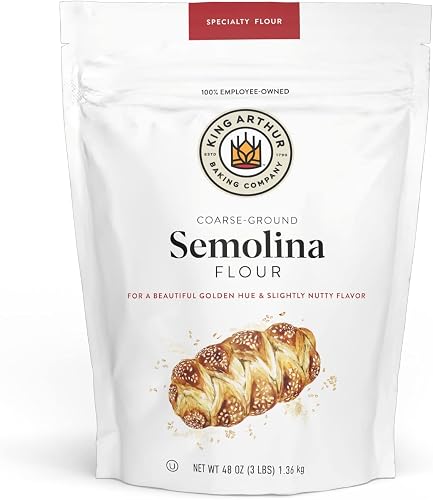
King Arthur Premium Semolina Flour: Best for adding durum flavor
- Coarse-ground durum wheat
- High protein content
- Nutty, sweet flavor and pale yellow color
A coarse, high-protein semolina with a nutty, sweet flavor and pale yellow color. It can also be used to dust a baking sheet to help prevent sticking.
Pros
- Durum wheat adds a distinct color and flavor
- Can be used for dough or dusting
- Resealable bag
Cons
- Coarse texture differs from finely milled 00 flour
King Arthur Premium Semolina Flour is the pick for cooks who want durum wheat's nutty, sweet flavor and pale yellow color. It is coarse-ground and high in protein, so its texture is quite different from fine 00 flour.
The flour is described for pasta, bread and pizza. For a stone-baking surface, see how to use a Pampered Chef pizza stone.
It can also dust a baking sheet instead of cornmeal to help prevent sticking, which makes it useful at the shaping and transfer stage.
Use semolina where its texture and flavor suit your recipe or handling method. If you want a separate guide to dusting flour choices, see the best cornmeal for pizza.
Caputo Antimo Di Grano Duro Rimacinata Semolina: Best for semolina dough blends
- Double-milled durum wheat semolina
- Yellowish tint
- Elastic gluten
This double-milled semolina brings a yellow color and a slightly sweet, rich flavor to dough. Its coarser texture differs from 00 flour, so use it where you want semolina's character.
Pros
- Double-milled durum wheat
- Distinct yellow color and flavor
- Suitable for pizza crusts and breads
Cons
- Coarser than 00 flour
Caputo's Rimacinata Semolina gives you a finely textured, double-milled durum flour with a yellowish tint and elastic gluten. Its richer, slightly sweet flavor suits doughs where you want a semolina character.
It is also described for fresh pasta, breads and pizza crusts. Because it is more coarse than 00 flour, use it with a recipe that accounts for its different texture instead of assuming a one-to-one swap.
A small amount can be useful for dough work, but flour choice alone won't prevent sticking or tearing. Keep the dough covered while it rests and use a light dusting as you shape.
Antico Molino Napoli Antimo Caputo Pizza Flour: Best for gluten-free dough
- Gluten-free flour blend
- Rice and potato starches, rice and soy flour
- Made for gluten-free breads and pizza crusts
A gluten-free blend made with rice and potato starches, rice and soy flour, sugar, thickeners and dietary fiber. It gives gluten-free pizza makers a distinct option from wheat-based 00 flour.
Pros
- Made specifically for gluten-free breads and pizza
- Imported from Naples, Italy
- Two bags in the package
Cons
- Not a wheat-based 00 flour
This Caputo blend is the gluten-free option in the group. It is made from rice and potato starches, rice and soy flour, sugar, thickeners and dietary fiber, and is intended for gluten-free pizza crusts and breads.
It is not wheat 00 flour, so expect a different dough structure and follow a recipe written for the blend. The package includes two 2 lb bags, giving you separate portions for storage.
Choose it when you need a gluten-free flour mix for pizza. The blend is distinct from the brand's wheat-based flours, so keep that difference in mind when comparing dough recipes.
Cento Anna Napoletana Tipo "00" Extra Fine: Best for high-heat stretching
- Finely milled Tipo 00 flour
- Made for high-temperature ovens
- Described as stretchy and soft for pizza dough
Anna's finely milled Tipo 00 flour is described as easy to work with and suited to high-temperature ovens. Its large bag may suit cooks who bake pizza often or use flour for other recipes.
Pros
- Made for high-temperature pizza ovens
- Fine texture for stretching dough
- Versatile for breads and focaccia
Cons
- Large bag may be more than an occasional baker needs
Anna Tipo 00 is an extra-fine flour described as smooth and easy to work with. The brand says it is tailored to high-temperature ovens and makes stretchy, soft pizza dough for a crispy crust.
The 11 lb bag is a large format, so it may suit frequent pizza baking or a kitchen that also makes focaccia, biscotti and bread. Its fine texture is aimed at stretching dough for a thinner crust.
Choose it if you want a high-heat 00 flour with uses beyond pizza. If your oven stays below 500°F, compare the stated heat guidance for your other flour options before settling on a recipe.
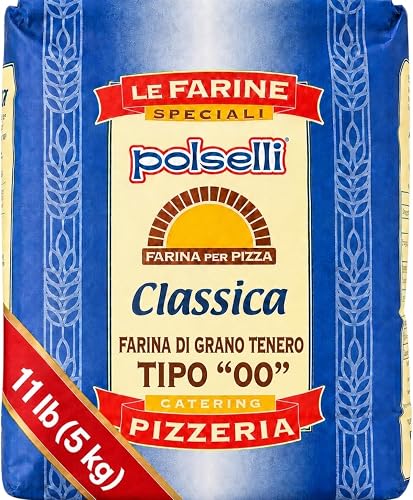
POLSELLI Classica: Best for general Italian baking
- Imported Italian 00 soft wheat flour
- Unbleached and non-GMO
- Suitable for home ovens up to 500°F
This Italian 00 flour is described as having strong, elastic gluten and is suitable for home ovens up to 500°F. Its broad use across pizza, pasta and baking makes it a flexible pantry choice.
Pros
- Suitable for home ovens up to 500°F
- Unbleached and non-GMO
- Works for pizza, pasta and baking
Cons
- Not described for very high-heat baking over 500°F
POLSELLI Classica is an imported Italian 00 soft wheat flour described as unbleached and non-GMO. The flour is intended for home ovens up to 500°F and has strong, elastic gluten for dough workability.
It is also used for pasta and general baking, which can make an 11 lb bag more useful if pizza isn't your only reason to keep flour on hand. Its stated heat range is a closer match to a home oven than a very high-heat Neapolitan oven.
Choose it when you want one 00 flour for home-oven pizza and other baking. For a high-temperature oven above 700°F, compare it with a flour described specifically for that range.
POLSELLI Organic Flour: Best for organic flour buyers
- USDA Organic certified
- Italian Tipo 00 wheat flour
- Unbleached and without additives
A finely milled Italian Tipo 00 flour with USDA Organic certification. It is described for Neapolitan pizza, bread and pasta, giving organic flour buyers a specific option.
Pros
- USDA Organic certified
- Tipo 00 flour
- Suitable for pizza, bread and pasta
Cons
- Large 11 lb bag
POLSELLI Organic Flour is an Italian Tipo 00 wheat flour with USDA Organic certification. It is described as finely milled, unbleached and made without additives.
The flour is intended for Neapolitan pizza, bread and pasta. Its 11 lb bag is a substantial quantity, so consider how often you'll bake and whether you have a cool, dry place to store it.
Choose this option if organic certification is a priority and you want a Tipo 00 flour for several kinds of baking. The provided product details don't specify an oven temperature range, so match your dough recipe to your oven and confirm suitability if heat range is decisive.
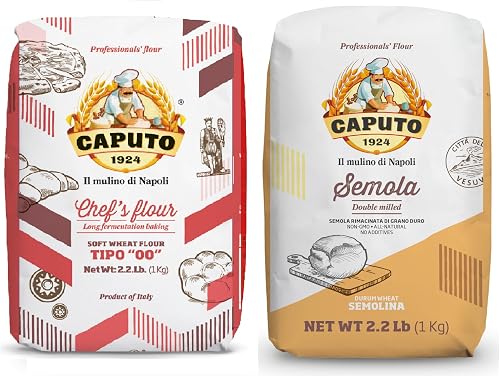
Molino Antimo Caputo Napoli '00' Flour: Best for a flour and semola bundle
- Package name includes 00 flour and semola flour
- 2.2 lb package
The package name identifies both Napoli 00 flour and semola flour, offering two flour types in one 2.2 lb package. Check the package details to confirm the amounts of each.
Pros
- Includes 00 flour and semola flour
- Smaller package size
Cons
- The split between the two flour types is not specified
Molino Antimo Caputo Napoli '00' Flour is sold as a package that includes semola flour as well. At 2.2 lb, it is smaller than the 11 lb bags in this roundup.
The available details don't state how much of the package is 00 flour and how much is semola. Check the package contents before buying if you need a specific quantity of either flour type.
This is a reasonable candidate when a smaller package with both flour types fits your baking plans. Choose a single-type flour instead if you need a clearly stated amount for a particular dough recipe.
How to choose flour for Neapolitan pizza
Choose flour by oven temperature first, then consider milling, fermentation and the dough style you want. A flour meant for a 700°F oven may not be the right pick for a home oven that reaches 500°F.
What does 00 flour mean for Neapolitan pizza?
00 refers to a fine flour milling type, not a promise that every bag behaves the same way. These products differ in intended oven heat, gluten description, wheat type and package size.
For a very hot oven, Caputo Pizzeria Flour Blue is specifically described for baking over 700°F. For a home oven up to 500°F, Caputo Chef's Flour or POLSELLI Classica fits the stated range.
Should you use semolina or 00 flour?
Use 00 flour as the main flour when your recipe calls for it and you want a fine, workable dough. Semolina is a different flour with a coarser texture, yellow color and durum wheat flavor.
King Arthur Semolina can be used in pizza making or as a baking-sheet dusting flour. Caputo Rimacinata is double-milled, but still differs from 00 flour in texture and flavor.
Does flour choice affect dough stretching?
Yes, the flour's milling and gluten characteristics affect how dough handles, but the recipe and fermentation also matter. Use a recipe that names the flour type and gives enough time for the dough to rest before shaping.
If dough springs back, cover it and let it rest before trying again. Keep your hands light when stretching so you don't press out the rim's air pockets.
How we chose these Neapolitan pizza flours
We compared the stated flour types, oven guidance, gluten descriptions, intended uses and package sizes against what a Neapolitan pizza cook may need. Our score weighs specs and features against the searcher's goal of finding flour for workable dough and suitable baking heat.
The products serve different jobs, so the highest score doesn't mean every flour suits every oven. Caputo Pizzeria Flour Blue leads for very high heat, while Caputo Chef's Flour is a better fit for ovens up to 500°F.
We included semolina and gluten-free picks because some cooks need a different texture, flavor or flour blend. For toppings after you've chosen your dough, see our guide to the best pepperoni for Neapolitan pizza.
What else affects flour performance?
Flour is one part of the bake. Oven heat, dough hydration, fermentation time and shaping all affect the finished crust, so keep your recipe and equipment in view when choosing a bag.
How should you handle dough to avoid sticking?
Start with a clean, dry work surface and dust lightly with flour or semolina. Too much loose flour can burn on a hot surface, so brush away excess before baking.
A perforated pan changes how the dough is supported and how heat reaches its base. Follow our guide on how to use a perforated pizza pan if that's part of your setup.
What baking surface should you pair with the flour?
Choose a baking surface that suits your oven and how you bake. A stone and a steel behave differently, so compare their use and heat-up needs before deciding.
Our guides to the best pizza stone for Neapolitan pizza and best pizza steel for Neapolitan pizza can help you plan that part of the bake.
Which flour should you choose?
Pick Caputo Pizzeria Flour Blue if your oven reaches over 700°F and you want a flour intended for long-fermented Neapolitan dough. Choose Caputo Chef's Flour or POLSELLI Classica for a home oven up to 500°F.
Choose a semolina flour when you want its distinct texture and durum flavor, and choose Caputo's gluten-free blend for gluten-free pizza. If you're still building your setup, start with what you need to make Neapolitan pizza at home and match the recipe to the flour and oven you plan to use.
Our top 3 picks at a glance
-
1
-
2
-
3
Frequently asked questions
Is 00 flour best for Neapolitan pizza?
00 flour is a common choice for Neapolitan pizza because its fine milling makes dough smooth and workable. The right flour still depends on oven heat and fermentation.
For example, Caputo Pizzeria Flour Blue is intended for very hot ovens, while Caputo Chef's Flour is suited to home ovens up to 500°F.
Can I use semolina flour for Neapolitan pizza?
You can use semolina in pizza dough or for handling, but its coarse texture and durum flavor differ from finely milled 00 flour. King Arthur says its semolina can dust baking sheets to help prevent sticking.
Choose semolina when you want that texture or flavor, rather than as a direct match for 00.
What flour works in a home oven for Neapolitan pizza?
For a home oven up to 500°F, Caputo Chef's Flour and POLSELLI Classica are both described for that heat range. Check the flour's stated oven use and follow a dough recipe that fits your oven.
The same flour may behave differently with changes to hydration, fermentation time and shaping.
Does gluten-free flour work for Neapolitan-style pizza?
A gluten-free blend can make a Neapolitan-style pizza, but it behaves differently from wheat 00 flour. Caputo Fioreglut is a blend of rice and potato starches, rice and soy flour, sugar, thickeners and dietary fiber, made for gluten-free pizza and bread.