
How to Cook Bread in a Pizza Oven?
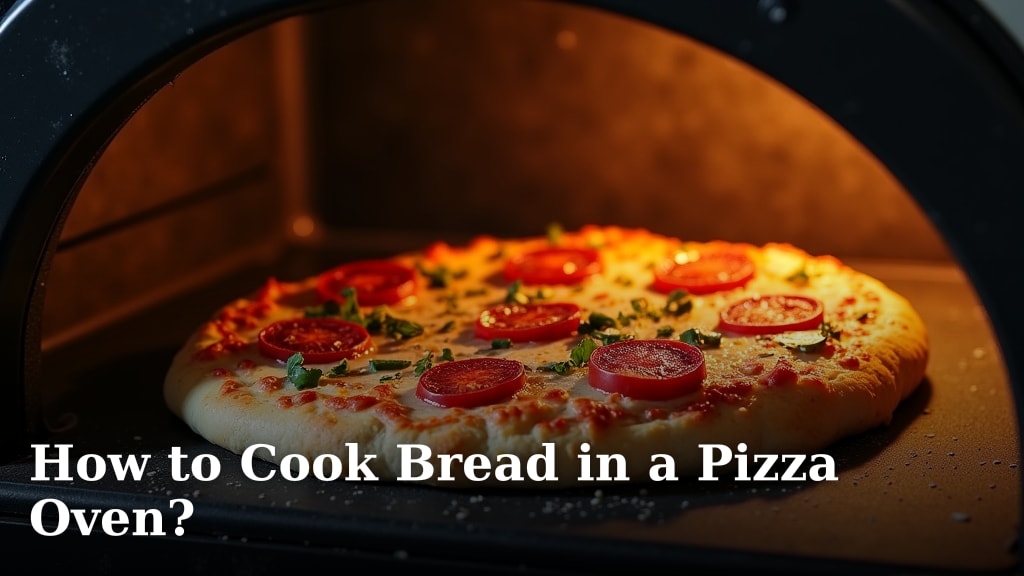
Yes, you absolutely can cook amazing bread in a pizza oven! It’s a fantastic way to get a If you’re considering a new oven, our guide to the best outdoor pizza oven for bread baking can help.crispy crust and a wonderfully soft interior. Pizza ovens reach the high temperatures needed for that perfect artisan loaf, giving you professional-quality results at home. You just need to adjust your approach slightly for baking bread compared to pizza.
Many home bakers are discovering the magic of baking bread in their pizza ovens. They’ve found it’s a game-changer for achieving that sought-after wood-fired flavor and texture. This method allows for excellent heat retention and creates a wonderful environment for a beautiful oven spring, resulting in a stunning loaf every time.
- Pizza ovens are great for bread.
- They create a crispy crust.
- You get artisan results.
- High heat is key.
- It’s easier than you think!
Ready to transform your bread-baking game? Let’s walk through exactly how to get your pizza oven ready for a beautiful loaf.
Baking Artisan Bread in Your Pizza Oven: A Simple Guide
You absolutely can bake stunning loaves of bread in your pizza oven. It’s a fantastic way to get a crispy crust and a wonderfully soft interior. Pizza ovens reach the high temperatures needed for that perfect artisan loaf. This method gives you professional-quality results at home. You just need to adjust your approach slightly for baking bread compared to pizza.
Getting Your Pizza Oven Ready for Bread
Your pizza oven is already a fantastic tool for bread. It provides excellent heat retention. This creates a perfect environment for a beautiful oven spring. You’ll achieve a stunning loaf every time. Let’s walk through exactly how to get your pizza oven ready for a beautiful loaf.
Understanding Pizza Oven Temperatures for Bread
This is where things get a little different from pizza. Pizza cooks very fast at super high temperatures. Bread needs a more controlled heat. For most artisan loaves, you’ll want your oven to be around 450-500°F (232-260°C). This is lower than pizza temps. It allows the bread to bake through without burning the crust. Many bakers find it helpful to use an infrared thermometer. This ensures you have an accurate oven temperature. Check the temperature at the oven floor where your bread will sit. This is the most critical spot.
Preheating Your Oven for Baking Bread
Proper preheating is key. You need the oven dome and floor to reach the target temperature. It can take 45 minutes to over an hour. This depends on your oven type and fuel. For wood-fired ovens, you’ll want to let the fire burn down. You want a bed of glowing embers. This provides radiant heat. For gas ovens, set them to your desired temperature and let them stabilize. Many experts recommend preheating with a baking stone or steel inside. This helps store and distribute heat evenly. It mimics a deck oven. You want a stable temperature. Fluctuations can affect your bread’s rise and crust. Research from baking science sources often highlights the importance of thermal mass. This is what the stone or steel provides.
Managing the Heat During Baking
Once your bread is in, you’ll need to manage the heat. This is an art form. For wood-fired ovens, you might need to add small pieces of wood. Do this carefully to maintain temperature. Avoid adding large logs. This can cause temperature spikes. You want a gentle, consistent heat. For gas ovens, you might adjust the burner slightly. Keep the temperature within your target range. If the crust is browning too quickly, you can try reducing the heat. You can also lightly tent the loaf with foil. This protects the crust from over-browning. This is a technique common in conventional oven baking too.
Choosing the Right Baking Surface
What you bake your bread on matters. A pizza stone or baking steel is highly recommended. These surfaces help transfer heat directly to the bottom of your loaf. This promotes a great oven spring. It also creates that desirable crispy bottom crust. Make sure your stone or steel has had ample time to preheat. It should reach the target oven temperature. If you don’t have one, you can use a heavy-duty baking sheet. However, a stone or steel will give you superior results. Many bakers find that a baking steel holds and transfers heat more efficiently than a stone. This can lead to an even crispier crust.
Preparing Your Dough for the Pizza Oven
Your dough needs to be ready for this high-heat environment. A well-developed dough is essential. It should have good structure. This helps it hold its shape. It also allows for a good rise. Many bread recipes work well. Sourdough, ciabatta, and rustic country loaves are excellent choices. Ensure your dough is properly proofed. Over-proofed dough can collapse in the oven. Under-proofed dough won’t rise sufficiently. It might result in a dense loaf. A good rule of thumb is to let your dough reach its full potential. It should look puffy and feel airy.
Using a Pizza Peel for Transfer
Getting your loaf into the hot oven requires a tool. A pizza peel is your best friend here. Use a wooden peel for launching your dough. The semolina or flour on the peel helps the dough slide off easily. Some bakers prefer using parchment paper. Place your proofed dough on parchment paper on the peel. This makes transferring very straightforward. It also helps prevent sticking. Simply slide the parchment paper and dough onto your preheated stone or steel. Be quick and decisive. The less time the oven door is open, the better. This maintains your oven’s temperature.
Essential Tools for Pizza Oven Bread Baking
While you might already have pizza-making gear, a few additions can help. Here’s a quick rundown:
- Infrared Thermometer: Essential for accurate floor temperature readings.
- Pizza Peel: Wooden for launching, metal can be useful for retrieval.
- Oven Mitts: High-heat resistant mitts are a must.
- Lame or Razor Blade: For scoring your dough before baking.
- Baking Stone or Steel: For an even heat and crispy crust.
- Water Spray Bottle: To create steam (see below).
Creating Steam for the Perfect Crust
Steam is your secret weapon for a fantastic crust. It keeps the surface of the dough moist. This allows the bread to expand fully. It also contributes to that beautiful, glossy crust. For pizza ovens, creating steam can be a bit trickier. One common method is to use a cast-iron pan. Place it on the oven floor while preheating. Once you put your bread in, carefully pour a cup of hot water into the pan. Be cautious of the steam! Close the oven door quickly. For wood-fired ovens, you can also toss a few ice cubes onto the embers. This will create a burst of steam. Research on bread baking indicates that steam is critical for proper oven spring. It also helps develop a thinner, crispier crust (National Association of Wheat Growers). Many bakers find this step makes a noticeable difference in their final loaf.
Steam Management – How Long and When?
You typically want to introduce steam for the first 15-20 minutes of baking. After this initial period, remove the steam source. If using a cast-iron pan, carefully take it out. This allows the crust to dry out and crisp up. Continue baking until the bread is golden brown. The total baking time will vary. It depends on your oven and loaf size. It’s usually between 30 to 45 minutes. You’re looking for a deep golden-brown color. Tapping the bottom should produce a hollow sound. This indicates the bread is fully baked.
Monitoring Your Bread’s Progress
Keep an eye on your loaf as it bakes. Every oven is different. You’ll learn your oven’s quirks over time. Check the browning. Rotate the loaf if needed. This ensures even cooking. Use your infrared thermometer to check the internal temperature. For most breads, an internal temperature of 195-210°F (90-99°C) means it’s done. This is a reliable indicator of doneness. Many resources on baking science confirm this temperature range.
Cooling Your Bread Properly
Once your bread is baked, it needs to cool. Resist the urge to cut into it immediately! This is perhaps the hardest part. Place the loaf on a wire rack. This allows air to circulate all around it. Cooling is part of the baking process. The internal structure is still setting. If you cut it too soon, the crumb can be gummy. It might also collapse. Allow it to cool for at least 1-2 hours. Patience will reward you with a better texture. It ensures the flavors have time to develop fully.
| Stage | Target Temperature (°F) | Target Temperature (°C) | Notes |
|---|---|---|---|
| Preheating | 500-550°F | 260-290°C | Allow ample time for stone/steel to heat. |
| Baking (with steam) | 450-500°F | 232-260°C | Maintain heat, add steam early. |
| Baking (without steam) | 425-475°F | 218-246°C | Allow crust to crisp and brown. |
| Finished Internal Temp | 195-210°F | 90-99°C | Use thermometer to confirm doneness. |
Troubleshooting Common Pizza Oven Bread Issues
Even with the best intentions, things can go wrong. Don’t get discouraged! It’s all part of the learning curve. Here are a few common issues:
- Burnt Bottom Crust: Your oven floor might be too hot. Try adding a layer of insulating flour or semolina. Or, use parchment paper. Baking steel can also be hotter than stone.
- Pale Crust: You might not have preheated long enough. Or, your oven temperature dropped too low. Ensure sufficient heat throughout the bake.
- Dough Sticking to Peel: Not enough flour or semolina on the peel. Or, the dough sat on the peel too long. Work quickly!
- Poor Oven Spring: Could be under-proofed dough, or the oven wasn’t hot enough. Also, not enough steam can affect spring.
Conclusion
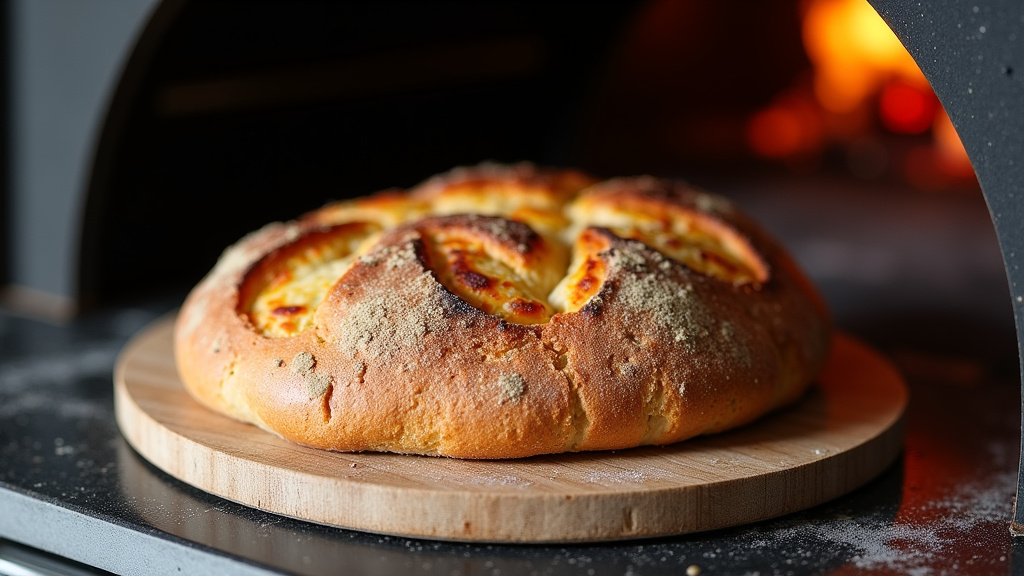
You’ve learned that baking bread in your pizza oven is totally achievable. It’s a fantastic way to achieve that coveted crispy crust and soft interior. Remember to manage your oven’s heat carefully, aiming for lower temperatures than for pizza. Using a baking stone or steel and creating steam are key for a perfect rise and crust. Your pizza oven can become your go-to for artisan loaves. Start with a simple recipe and get ready for delicious results. Your next amazing loaf is just a bake away!
Frequently Asked Questions
Can I bake bread in my pizza oven without a pizza stone?
Yes, you can bake bread without a dedicated pizza stone or steel. While a stone or steel is highly recommended for consistent heat transfer and a crispier bottom crust, a heavy-duty baking sheet can work in a pinch. Just ensure it preheats with the oven for best results.
How do I know when my bread is done baking in a pizza oven?
You can tell your bread is done by its deep golden-brown color. Tapping the bottom should produce a hollow sound, indicating the loaf is fully baked through. For precision, use an infrared thermometer to check the internal temperature; it should read between 195-210°F (90-99°C).
What kind of wood is best for baking bread in a wood-fired pizza oven?
For bread baking in a wood-fired oven, hardwoods like oak, maple, or fruitwoods are best. They burn cleanly and provide consistent, even heat without imparting an overpowering smoky flavor. Avoid softwoods like pine, which can produce acrid smoke and creosote buildup.
Is it okay if my pizza oven temperature fluctuates a bit while baking bread?
Some minor temperature fluctuations are normal, especially in wood-fired ovens. However, significant drops or spikes can affect your bread’s rise and crust development. Try to maintain a stable temperature as much as possible by managing your fire carefully.
How can I prevent my bread from burning on the bottom in a pizza oven?
To avoid a burnt bottom crust, ensure your oven floor isn’t too hot before baking. You can also use a layer of insulating flour or semolina on your peel, bake on parchment paper, or consider using a thicker pizza stone or baking steel, which can distribute heat more evenly.
