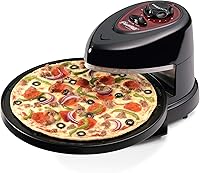
How to Use a Piezano Pizza Oven
To use a Piezano pizza oven, preheat the stone on a high setting, use the top and bottom controls to balance the bake, and handle the hot stone with gloves and a peel. Check the dough, watch the crust, and let the stone cool before cleaning.
On this page (11 sections)
- What controls does a Piezano pizza oven have?
- How do you preheat a Piezano pizza oven and its stone?
- How do you handle the cooking stone safely?
- What temperature should you use for pizza in this oven?
- How do you balance top and bottom heat?
- How do you bake frozen, homemade, and take and bake pizza?
- What are common mistakes when using a Piezano oven?
- How do you clean and store a Piezano pizza oven?
- Who should choose which oven for Piezano style baking?
- How do you get a crisp crust without burning toppings?
- Where should you go next after learning the basics?
To use a Piezano pizza oven, preheat the stone, set the top and bottom heat for your style of pizza, and use a peel or pan to move the dough without stressing the stone. This guide explains how to use a Piezano pizza oven step by step, from controls to handling the stone.
If you want background first, what is a pizza oven and how does it work gives the basics of heat, stones, and bake times.
What controls does a Piezano pizza oven have?
Most Piezano-style ovens use separate top and bottom heat controls plus a timer or thermostat dial. You set the overall heat, then balance the elements so the base cooks through while the cheese melts.
Read the dials before you switch the oven on. Some models pair a temperature dial with a timer, while others use a one-touch setting for a common pizza temperature.
The WISCO Industries 421 Pizza Oven, LED Display shows why simple controls matter: it has a digital LED display, a rotary dial, and a quick one-touch setting of 450°F for 10 minutes.
That layout suits readers who want a fast start without menu settings. A more automated oven can choose heat for you, while a dial oven asks you to learn what works for your dough.
How do you preheat a Piezano pizza oven and its stone?
Preheat with the stone inside the oven, on the heat you plan to bake at. Heat the stone slowly and evenly so it stores energy across the whole surface.
Give the oven time to come up to temperature before the dough goes in. Opening the door during preheat lets heat escape and can leave the stone hotter at the back than at the front.
Keep the peel, gloves, and toppings ready so the dough does not sit and stick while you wait.
A longer preheat matters more for thick dough and a crisp base. If the base stays pale, the stone probably needed more time, not a longer bake at the same low heat.
How do you handle the cooking stone safely?
Handle the stone with gloves, a peel, and a clear flat surface nearby. The stone holds heat long after the oven clicks off, so treat every move as if it were fresh from the bake.
Slide dough onto the stone in one smooth motion. Hesitation can stretch the dough, spill toppings, or let cheese drip where it is hard to clean.
A dusting of flour or cornmeal on the peel can help, but too much can burn and taste bitter.
Keep the stone dry and avoid sudden cold water on a hot surface. Rapid cooling can crack stone, and standing water can soak into pores.
What temperature should you use for pizza in this oven?
Use a high heat for a crisp base and finish with the heat your toppings need. The right temperature depends on dough thickness, topping load, and how dark you want the crust.
Thin styles often suit the top end of the range, while thick or loaded pizzas need a little more time for the center to cook. The Breville BPZ820BSS Smart Oven Pizzaiolo reaches 750 degrees and comes with preset functions for Wood Fired, New York, Pan, Thin and Crispy, and Frozen styles.
Those presets show how different styles ask for different heat patterns, even in the same oven.
If your Piezano model tops out lower than 750 degrees, do not force it to act like a high heat oven. Use the hottest safe setting it allows, preheat fully, and keep the pizza thinner.
How do you balance top and bottom heat?
Balance bottom heat for the base and top heat for the cheese and toppings. Start with more bottom heat, then adjust the top so the cheese melts without scorching.
The Presto 03430 Pizzazz Plus Rotating Oven has top and bottom heating elements that are separately controlled, so you can select top, bottom, or both elements for the food in front of you. It also has a rotating tray that turns continuously to help even baking, plus a timer that signals the end of cooking time and turns off the heating elements.
For a rising crust, Presto suggests running the lower element first so the dough sets, then adding the top element. For a crisper crust, bake with both elements and finish with bottom only heat.
How do you bake frozen, homemade, and take and bake pizza?
Bake each type according to its center, not just its surface. Frozen pizza needs heat to reach the middle, homemade dough needs time to set, and take and bake pizza often needs less heat than you expect.
Frozen pizza can go in cold if the oven maker allows it, but a preheated stone gives a crisper base. Homemade dough should be stretched close to serving size before it goes on the peel, since it will be harder to shape once warm.
Take and bake pizza often needs a gentler top so the cheese does not brown before the base is done.
Keep the pizza size within the stone and the oven cavity. Presto describes 7 to 12 inch pizzas for its Pizzazz Plus.
Check your own cavity size before you buy toppings or a pan, because a pizza that fits the stone can still crowd the door or walls.
What are common mistakes when using a Piezano oven?
The most common mistake is putting dough on a stone that is not hot enough. The base steams, the toppings sink, and the crust stays soft even after a long bake.
Another common mistake is overloading the pizza. Extra cheese and wet vegetables add weight and moisture, so the center takes longer to cook while the edges darken.
Use a moderate sauce layer and dry watery toppings before they go on.
Rushing the transfer is the third mistake. A peel that is too small, too wet, or too hot can grab the dough.
Pull the pizza partway out, check the base, and rotate the pan or peel for even color if your oven allows it. For guidance on fit and size, the Best Countertop Pizza Oven For Home Use guide explains how cavity size affects everyday cooking.
How do you clean and store a Piezano pizza oven?
Clean the oven after it cools, with crumbs removed first and surfaces wiped as the manual allows. A removable crumb tray or pan makes this job faster, so empty it while the oven is off and cool.
Wipe the stone with a brush or dry cloth once it is fully cool. Scrape off burnt cheese before the next bake, since the next round of heat can smoke and smell.
Avoid soaking the stone, and do not use a metal scraper with force on a porous surface.
Store the oven with the door closed or as the manual directs, and keep the stone inside only if that is the recommended storage position. If you are comparing models before you buy, granitestone piezano pizza oven reviews can show how one Piezano style handles heat and stone care.
Who should choose which oven for Piezano style baking?
Choose the oven based on the heat pattern you want, not just the size. A simple dial oven suits fast weeknight pizza, a rotating tray suits hands-off even baking, and a high heat oven suits charred crusts.
The WISCO Industries 421 suits readers who want a one-touch 450°F for 10 minutes start, a removable clean out tray, and a thermostat from 150°F to 500°F in 25 degree steps. It weighs 19 pounds and measures 18 inches wide, 15 inches deep, and 7.75 inches high, so it needs a wide countertop.
The Presto 03430 suits readers who want a lighter 7.6 pound oven with a rotating tray and separate top and bottom control. It measures 14.5 inches deep, 15.8 inches wide, and 10.3 inches high, which is easier to move and store than a larger unit.
The Breville BPZ820BSS suits readers who want up to 750 degrees, a cordierite stone, and presets for several pizza styles. It weighs 32.3 pounds and measures 18.25 inches deep, 18.15 inches wide, and 10.5 inches high, so it is a true countertop commitment.
It comes with a pizza peel and pizza pan, which helps new users start without extra tools.
How do you get a crisp crust without burning toppings?
Get a crisp crust by heating the stone fully, keeping the dough thin enough, and finishing with bottom heat. Watch the base color, not just the cheese.
Stretch the dough to an even thickness and avoid a thick center that steams from below. If the cheese browns too fast, turn the top heat down.
If the base lags, add bottom heat and give it a few more minutes.
For a leopard spotted crust, high radiant heat matters more than a long bake. The Breville describes radiant heat for a spotted crust and conductive heat from the cordierite stone for a charred base, plus a reflector shield to protect toppings.
You can copy that logic in a simpler oven by preheating hard, baking fast, and shielding toppings from direct top heat.
Where should you go next after learning the basics?
Go next to a guide that matches the pizza style you want to make. A thin style, a New York style, and a thick pan pizza all ask for different heat and timing, even in the same oven.
For high heat styles, Best Countertop Pizza Oven For Neapolitan Pizza explains what a Neapolitan bake needs from heat and stone. For a gentler first oven, Best Countertop Pizza Oven For Beginners helps you match controls to your skill level.
For fuel based ovens, What Is a Pellet Pizza Oven and How Does It Work? covers a different heat source and the added steps that come with it. Learning how to use a Piezano pizza oven comes down to one rule: heat the stone, balance the elements, and watch the base.
Frequently asked questions
How long should a pizza stone preheat in a Piezano oven?
Preheat until the oven reaches the temperature your recipe needs and the stone feels evenly hot across its surface. A cold spot in the middle can leave the center pale while the edges burn, so give the stone time and avoid opening the door during preheating.
Can you put a store bought pizza on a Piezano stone?
Yes, you can use a Piezano oven for a store bought pizza if the size fits the stone and the oven allows that food. Place it on a preheated stone, watch the toppings closely, and use the controls to finish the base without burning the cheese.
Why is my pizza base soggy in a countertop oven?
A soggy base often means the stone was not hot enough, the dough was too wet, or the top heat ran too long before the bottom finished. Preheat longer, stretch the dough a little thinner, and use more bottom heat early in the bake.
How do you clean a pizza stone after baking?
Let the stone cool completely, then brush off crumbs and wipe it with a dry or slightly damp cloth as the manual allows. Do not soak a porous stone or use harsh scrubbing that can create cracks or remove the seasoned surface.