How to Cook Pizza on a Pizza Steel
Cooking with a pizza steel means preheating the steel fully, placing it near the top heat source, and baking until the crust is browned and crisp. Use a careful launch, short bake, and safe cooling routine.
On this page (10 sections)
- How do you preheat a pizza steel?
- Where should the pizza steel sit in the oven?
- How should you prepare pizza dough for a steel?
- How do you shape and top pizza before launching?
- How do you launch pizza onto a steel?
- How long should pizza bake on a steel?
- What can you cook on a pizza steel besides pizza?
- Can you use a pizza steel outdoors?
- How do you clean and store a pizza steel?
- What are the most useful pizza steel baking tips?
Cooking with a pizza steel works best when the steel is fully preheated, the pizza is launched quickly, and the oven stays very hot. Place the steel where it receives useful heat, slide on a lightly topped pizza, and bake until the crust is browned and firm.
A pizza steel transfers heat directly into the dough. That can produce a crisp base, but it also means wet dough, excess toppings, or a rushed preheat can cause sticking and uneven baking.
How do you preheat a pizza steel?
Preheat the pizza steel for about 45–60 minutes after the oven reaches its target temperature. The oven may display the correct air temperature before the steel has stored enough heat for baking.
Put the steel on a rack before turning on the oven. This avoids handling a hot slab and gives the metal time to heat evenly.
Use the highest temperature your oven and steel safely allow. Many home-oven recipes use about 500–550°F, but check the steel's instructions and your oven's limits first.
For a more focused guide, see what temperature to use for a BOACHEE pizza steel. If you're deciding between steel and stone, how to properly use a pizza stone explains the similar parts of the process.
Where should the pizza steel sit in the oven?
Start with the steel on the middle or upper-middle rack. This gives the base direct heat while keeping the pizza close enough to the upper element for browning.
Use a higher position when the crust cooks but the toppings stay pale. Move the steel lower when the top browns too quickly or the base needs more time.
Ovens vary in how strongly their upper and lower elements heat. Make one change at a time so you can tell whether rack position or dough thickness caused the result.
Leave enough space above the steel to launch and remove the pizza safely. Keep your hands, peel, and oven mitts away from the hot metal.
How should you prepare pizza dough for a steel?
Make a dough that can stretch thinly without tearing, then bring it to room temperature before shaping. Cold dough is harder to stretch and may spring back while you build the pizza.
Antimo Caputo Chef's Flour 2lb is a finely milled Tipo 00 flour with elastic gluten and a soft wheat flavor. Its title identifies it for pizza dough, bread, and pasta, so it suits a home cook who wants one flour for several dough projects.
The supplied recipe uses a short rest, kneading, a rise until doubled, overnight refrigeration, and a room-temperature warm-up before baking. Follow your own dough formula if its hydration, fermentation time, or flour blend differs.
The pack size suits a small batch or a baker who wants to try Tipo 00 flour without committing to a larger quantity. Keep flour dry and close the container after each use.
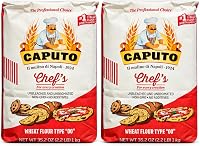
For more dough volume, Antimo Caputo Chefs Flour 2.2 LB (Pack of 2) contains two 2.2 lb packs, totaling 4.4 lb. Its title describes Italian Double Zero soft wheat flour for pizza dough, bread, and pasta, making it useful for repeated baking or long-fermentation batches.
Choose the single bag when you are testing a recipe or bake less often. Choose the 2-pack when you already know your dough routine and want more flour available for several batches.
How do you shape and top pizza before launching?
Shape the dough on a lightly floured work surface, keep the center thin, and leave a slightly thicker edge. Avoid pressing all the gas from the rim if you want a lighter outer crust.
Transfer the shaped dough to a peel before adding toppings. Add sauce, cheese, and other toppings quickly because moisture makes the dough more likely to stick.
Use a modest amount of sauce and toppings. A heavily loaded pizza takes longer to bake, can become wet in the center, and is harder to slide from the peel.
Dust the peel lightly with flour or semolina. Too much loose flour can scorch on the steel, so use enough to help the dough move without creating a thick layer.
How do you launch pizza onto a steel?
Give the peel a short shake before launching, then slide the pizza onto the center of the hot steel with one quick motion. The pizza should move freely before it reaches the oven.
Open the oven only when the pizza is ready. Pull the rack out if your oven design allows it, keep the peel level, and aim for the center of the steel.
If the dough sticks, lift one edge and add a small amount of flour beneath the trapped area. Do not keep shaking harder, because the toppings can shift and the dough can fold.
After the launch, close the door promptly. Lost heat increases baking time and can leave the center soft.
How long should pizza bake on a steel?
Bake until the crust is browned, the bottom is firm, and the cheese or toppings are fully cooked. At about 550°F, a thin pizza may bake in roughly 7–10 minutes, but dough thickness and topping load change the timing.
Rotate the pizza if your oven has a hot spot. Use a turning peel or a regular peel once the crust has firmed enough to lift.
Watch the underside during the final minutes. A dark base with a pale top usually calls for a higher rack or stronger top heat, while a pale base with a dark top may need a lower rack.
Don't judge the pizza by time alone. The steel, oven, dough, and toppings all affect how quickly the crust colors.
What can you cook on a pizza steel besides pizza?
A pizza steel can support other high-heat baking, including bread, when the dough and oven method suit the surface. It is especially useful when you want strong heat from below.
A steel is one option; see pizza without a pan.
The Holly & David Jones Wood-Fired Oven Cookbook contains 70 recipes for stone-baked pizzas and breads, plus roasts, cakes, and desserts. It is an illustrated English-language book with 128 pages and over 400 photographs, written for outdoor wood-fired ovens.
This book suits readers who want broader ideas beyond one pizza recipe. Its focus is an outdoor wood-fired oven, so use its heat-control guidance as a reference rather than assuming every method transfers directly to a home oven.
For a bread-focused idea, read how to cook bread in a pizza oven. Bread dough may need different heat, steam, shaping, and baking time than a topped pizza.
Can you use a pizza steel outdoors?
You can use a pizza steel outdoors only when the grill or oven setup and the steel's instructions allow it. The steel needs stable support, enough clearance, and a heat source that can bring it to the required temperature.
Never place a hot steel on a surface that can scorch or crack. Use heat-safe gloves and allow the metal to cool fully before moving or cleaning it.
If you are considering a grill setup, see can you use a pizza steel on a gas grill. For outdoor buying decisions, Best Pizza Steel For Outdoor Cooking covers the setup factors to compare.
How do you clean and store a pizza steel?
Let the pizza steel cool completely, scrape away stuck food, and keep it dry. Do not put a hot steel under cold water, because sudden temperature changes can damage surfaces or create a safety hazard.
Use a dry scraper or a cloth suited to the steel's care instructions. Avoid soaking unless the manufacturer specifically allows it.
Dry the steel fully after cleaning. Store it in a dry place where it cannot fall, bend, or contact damp surfaces.
A darkened surface can develop with use and does not automatically mean the steel is unusable. Remove loose residue, keep moisture away, and follow the care guidance for your specific steel.
What are the most useful pizza steel baking tips?
The most useful pizza steel baking tips are to preheat fully, keep toppings light, launch quickly, and adjust the rack after watching the crust. These choices solve most problems without changing the whole recipe.
Use the smaller flour bag for occasional baking or recipe testing. The 2-pack fits frequent pizza, bread, and pasta work, while the cookbook adds ideas for outdoor-oven cooking beyond a basic pizza.
Choose a higher rack for more top browning, a lower rack for more bottom heat, and a longer preheat when the crust stays pale or soft. For stone timing comparisons, see how long to preheat a pizza stone.
Cooking with a pizza steel becomes easier when you treat heat, moisture, and timing as one system. Preheat the steel completely, launch a lightly topped pizza without delay, and let the crust's color and firmness guide the final bake.
Frequently asked questions
How long should you preheat a pizza steel?
Preheat a pizza steel for about 45–60 minutes in a fully heated oven so the metal can store enough heat. The exact time depends on the steel's thickness, the oven temperature, and the rack position.
Use the oven's maximum safe setting and follow the steel's care instructions.
What oven temperature is best for a pizza steel?
Use the highest temperature your oven and pizza steel safely allow. Many home-oven pizza recipes use about 500–550°F, while the correct setting depends on the steel, dough, toppings, and oven.
A hotter steel usually shortens baking time, so watch the crust closely.
Should a pizza steel go on the top or bottom rack?
Place the steel on the upper rack when you need stronger top heat and faster browning, or on the lower rack when the crust needs more direct bottom heat. Start with the middle or upper-middle position, then adjust after seeing whether the top or base cooks first.
How do you stop pizza from sticking to a pizza steel?
Use a lightly floured or semolina-dusted peel, build the pizza quickly, and launch it before the dough absorbs too much moisture from the sauce. Shake the peel once before launching.
If the dough sticks, don't force it; reshape or repair the edge before trying again.