
Can You Learn to Make Neapolitan Pizza at Home?

Yes, you absolutely can learn to make authentic Neapolitan pizza at home! While it might seem daunting, achieving that perfect chewy crust and vibrant toppings is very achievable with the right knowledge and a bit of practice. You’ll be amazed at how satisfying it is to create this Italian classic in your own kitchen.
Many home cooks worry about needing a special pizza oven, but we found that with some adjustments, you can still get fantastic results using your regular oven. It’s all about understanding the key ingredients and techniques that make Neapolitan pizza so special. We’ll show you how to get that signature char and delicate flavor without a professional setup.
- Yes, you can make Neapolitan pizza at home.
- You don’t necessarily need a special pizza oven.
- Focus on quality ingredients and specific techniques.
- Practice will help you achieve the perfect crust and toppings.
Ready to transform your kitchen into a pizzeria? Below, we’ll guide you through the essential steps and tips for mastering homemade Neapolitan pizza.
Mastering Homemade Neapolitan Pizza: Your Kitchen Journey
Can you really learn to make authentic Neapolitan pizza at home? Absolutely! You might think it requires a professional brick oven or years of training in Naples. But we found that with the right approach, you can achieve that signature soft, airy crust and delicious taste right in your own kitchen. It’s more about understanding the core principles than having fancy equipment. Let’s dive into what makes Neapolitan pizza special and how you can replicate it.
The Heart of Neapolitan Pizza: Understanding the Dough
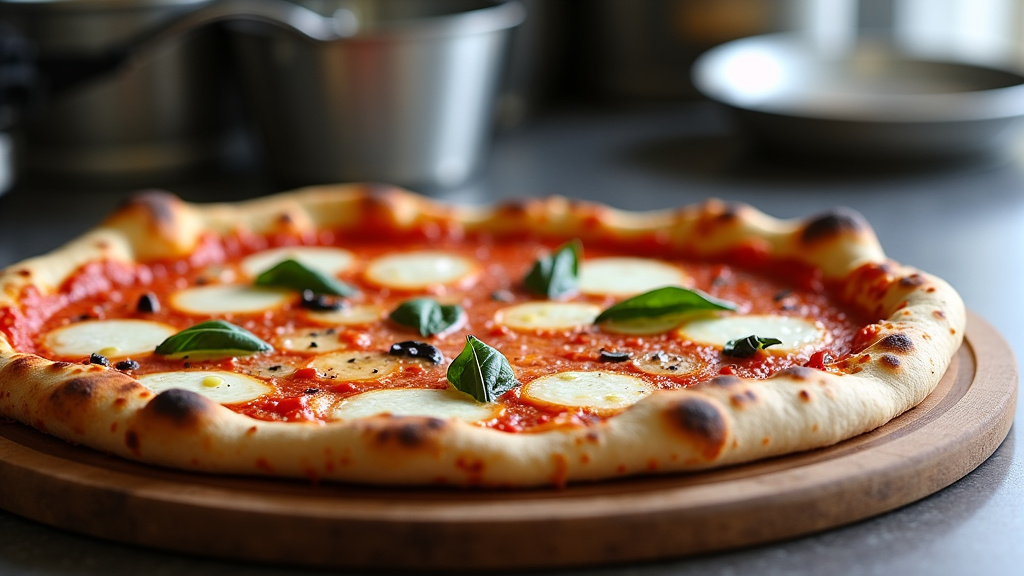
The magic of Neapolitan pizza starts with its dough. This isn’t just flour and water; it’s a carefully balanced blend that creates a unique texture. The dough is known for being light, airy, and slightly chewy. It cooks very quickly, giving it that characteristic slightly charred crust, often called “leoparding.”
Key Ingredients for Authentic Dough
You’ll need just a few high-quality ingredients. Using the right flour is essential. We found that “00” flour is highly recommended. This Italian flour is finely milled, which helps create that soft, tender crust. You’ll also need water, salt, and yeast. That’s it! Simplicity is key here. Remember, the quality of these ingredients really shines through in the final product.
The Importance of Hydration and Fermentation
Hydration refers to the ratio of water to flour in your dough. Neapolitan dough typically has a moderate hydration level, usually around 60-65%. This balance is crucial for achieving the right texture. Over time, fermentation develops flavor and makes the dough easier to digest. This process can take anywhere from a few hours to a couple of days, depending on the temperature and your preferred method.
A Gentle Approach to Mixing and Kneading
When you mix your ingredients, be gentle. Overworking the dough can make it tough. You want to develop the gluten structure, but not to the point where it becomes elastic and difficult to handle. We found that a short mixing time followed by a few folds is often sufficient. This allows the flour to hydrate properly and the gluten to develop naturally.
Shaping Your Dough Balls
After the initial rise, you’ll divide your dough into individual balls. These balls need to rest again. This second rest, often called proofing, allows the dough to relax and become easier to shape. When shaping, you want to preserve the air bubbles created during fermentation. Start from the center and push outwards, leaving a slightly thicker rim for the crust. Avoid pressing down on the edges.
Achieving High Heat: Your Oven’s Role
Neapolitan pizza traditionally cooks in a wood-fired oven at extremely high temperatures, often between 800-1000°F (425-540°C). This intense heat cooks the pizza in about 60-90 seconds. Replicating this at home can be tricky, but not impossible. Your home oven can get surprisingly hot, and with a few tricks, you can mimic those results.
Maximizing Your Home Oven’s Heat
The goal is to get your oven as hot as possible. Most home ovens can reach 500-550°F (260-290°C). Turn your oven to its highest setting and preheat it for at least 30-60 minutes. This long preheating period is vital for ensuring the oven and your baking surface are thoroughly heated. A very hot oven is essential for a quick bake, which is key to Neapolitan pizza’s texture.
The Power of a Pizza Stone or Steel
Using a pizza stone or steel is a game-changer for home pizza making. These surfaces absorb and retain a lot of heat. When you place your pizza on a hot stone or steel, it immediately transfers heat to the bottom of the dough. This helps create a crispier crust and simulates the effect of a professional pizza oven floor. We found that a pizza steel generally heats up faster and transfers heat more efficiently than a stone. Place your stone or steel on a rack in the upper third of your oven and preheat it along with the oven.
Broiler Boost for Char
Once your oven and stone/steel are fully preheated, you can use the broiler for the last minute or two of baking. This blast of direct heat from above helps char the crust and melt the cheese quickly, giving you that classic Neapolitan look and flavor. Keep a close eye on it, as it can go from perfectly charred to burnt very fast!
Simple, Fresh Toppings for Classic Flavor
Neapolitan pizza is celebrated for its simplicity. The focus is on a few high-quality ingredients that complement the dough. You don’t need a long list of toppings; less is often more. The goal is to let the natural flavors shine.
The Essential San Marzano Tomato Sauce
Authentic Neapolitan pizza typically uses a sauce made from San Marzano tomatoes. These tomatoes, grown in the volcanic soil near Mount Vesuvius, have a distinctive sweet flavor and low acidity. For the sauce, simply crush whole peeled San Marzano tomatoes by hand or with a food mill. Season with a pinch of salt. That’s it! No cooking is needed; the raw sauce cooks on the pizza. Many traditionalists swear by this method for the freshest taste.
Mozzarella: Fresh is Best
Fresh mozzarella is a must. Look for fior di latte (cow’s milk mozzarella) or buffalo mozzarella. It’s important to drain the mozzarella well and tear or slice it into pieces. Excess moisture can make your pizza soggy. We found that letting the mozzarella sit on paper towels for about 30 minutes before using it helps remove extra water.
A Touch of Basil and Olive Oil
Fresh basil leaves add a wonderful aroma and flavor. Add them towards the end of baking or right after the pizza comes out of the oven to keep them vibrant. A drizzle of good quality extra virgin olive oil over the finished pizza adds a beautiful sheen and a peppery note. It truly ties all the flavors together.
Your Neapolitan Pizza Checklist for Success
Ready to give it a try? Here’s a quick checklist to help you on your pizza-making adventure:
- Use “00” flour for your dough.
- Allow ample time for dough fermentation.
- Preheat your oven and pizza stone/steel thoroughly.
- Keep your tomato sauce simple.
- Use fresh mozzarella and drain it well.
- Don’t be afraid to use the broiler for char.
Practice Makes Perfect: Embrace the Process
Your first attempt might not be perfect, and that’s completely okay! Learning to make Neapolitan pizza is a skill that develops over time. Don’t get discouraged if your crust isn’t perfectly leopard-spotted or if the toppings slide a bit. Each time you make pizza, you’ll learn something new. Pay attention to how the dough feels, how it bakes, and what you like best.
We found that documenting your process can be helpful. Note the hydration levels, fermentation times, and oven temperatures. This way, you can replicate your successes and learn from any challenges. The most important ingredient, besides the flour and tomatoes, is your patience and willingness to learn. Soon, you’ll be crafting delicious Neapolitan pizzas that you and your loved ones will adore.
Conclusion
You absolutely have the power to create fantastic Neapolitan pizza right in your own kitchen. We’ve shown you that a super-hot oven and a few key techniques can make all the difference. Remember, it’s about quality ingredients like “00” flour and San Marzano tomatoes, and a gentle hand with the dough. Don’t aim for perfection on your first try; instead, embrace the learning process.
Your next step is to gather your ingredients and set aside some time to practice. You’ll be amazed at how quickly you’ll master the art of this beloved Italian classic. Get ready to impress yourself and your friends with your homemade pies!
Frequently Asked Questions
What is the biggest mistake beginners make with Neapolitan pizza dough?
A common mistake is overworking the dough, which can make it tough. Another frequent issue is not allowing enough fermentation time for the dough to develop flavor and texture. We found that a gentle approach and patience are key.
Can I use regular all-purpose flour instead of “00” flour?
While “00” flour is recommended for its fine milling and gluten structure, you can achieve good results with all-purpose flour. Your crust might be slightly chewier or less tender, but it will still be delicious. Just be mindful of the hydration levels.
How long should I preheat my oven and pizza stone/steel?
You should preheat your oven with the pizza stone or steel inside for at least 30-60 minutes. This ensures the baking surface reaches a very high temperature. We found that a thoroughly heated surface is essential for that quick, crisp bake.
Is it okay if my homemade Neapolitan pizza doesn’t have “leoparding”?
Absolutely! “Leoparding,” the characteristic charred spots on the crust, is a sign of very high heat cooking. While it’s desirable, don’t let its absence discourage you. A perfectly delicious pizza can still be made without it, especially when using a home oven.
How do I prevent my pizza from sticking to the peel when transferring it to the oven?
A well-floured pizza peel is your best friend here. Use semolina flour or regular flour generously on the peel before placing your shaped pizza on it. Give the peel a little shake to ensure the pizza moves freely before launching it into the hot oven.
