
What Is the Safest Way to Make Neapolitan Pizza at Home?

The safest way to make Neapolitan pizza at home involves using the right tools and understanding heat management. You’ll need a pizza stone or steel and a way to reach high oven temperatures. This approach mimics traditional pizza ovens for that authentic char and chew without the danger of open flames.
Making delicious, safe pizza at home is more achievable than you might think. It’s about controlling the heat and using equipment designed for pizza. We’ve researched the best methods to ensure you get that perfect Neapolitan crust. Focusing on proper preheating and oven settings is key to success.
- Use a pizza stone or steel for crispy crusts.
- Preheat your oven to its highest setting.
- Consider a pizza peel for safe handling.
- Watch for visual cues of doneness.
- Practice makes perfect!
Let’s walk through exactly how to create amazing Neapolitan pizza safely in your own kitchen.
“`htmlMastering the Heat: Safe Neapolitan Pizza at Home
Making authentic Neapolitan pizza at home is all about controlling intense heat safely. We’ve researched how to mimic those professional pizza ovens in your kitchen. The key is to get your oven as hot as possible. This high heat cooks the pizza quickly, creating that signature puffy, charred crust and perfectly melted toppings.
Don’t worry if you don’t have a wood-fired oven. You can achieve fantastic results with your home oven and a few smart tools. We’ll guide you through the safest and most effective ways to get that pizzeria-quality pie without any drama.
Understanding High Heat for Pizza
Neapolitan pizza is traditionally cooked in ovens reaching 800-900°F (425-480°C). This extreme heat is what gives the crust its airy texture and leopard-like spotting in just 60-90 seconds. Your home oven likely maxes out around 500-550°F (260-290°C).
While you can’t reach those exact temperatures, you can get close enough for a delicious result. The goal is to maximize the heat your oven can produce and transfer it efficiently to the pizza dough. This is where your equipment really matters. We found that the right setup makes a huge difference.
Why Your Oven Needs to Be Hot
A hot oven does more than just bake the dough. It causes rapid expansion of the air bubbles within the dough, creating that classic puffy crust, known as the “cornicione.” The high heat also caramelizes the sugars in the dough, giving it a beautiful color and flavor. Plus, it cooks the toppings quickly, preventing them from becoming dry or overcooked.
Safety First: Managing Extreme Heat
Working with high temperatures requires care. Always use oven mitts or heat-resistant gloves when handling anything hot. Make sure your kitchen is well-ventilated. Some ovens might emit a bit of smoke when heated to their maximum setting. We recommend turning on your kitchen vent fan before you preheat.
Essential Tools for Safe Home Pizza Making
To achieve that Neapolitan crust safely, you need specific tools. These items help you manage the high heat and handle the pizza with confidence. We’ve found these to be indispensable.
The Importance of a Pizza Stone or Steel
This is arguably the most critical piece of equipment. A pizza stone or pizza steel absorbs and retains a lot of heat. When you slide your pizza onto it, it immediately transfers that heat to the dough’s base. This rapid heat transfer is what mimics a professional oven floor.
- Pizza Stone: Made of ceramic or cordierite, it provides a dry, even heat. It’s porous and can absorb moisture, contributing to a crispier crust.
- Pizza Steel: Made of steel, it conducts heat much faster than stone and is more durable. Many pizza enthusiasts swear by steel for its superior heat transfer capabilities.
Both options need to be preheated thoroughly with your oven. We found that a minimum of 45-60 minutes of preheating is necessary for the stone or steel to reach optimal temperature. This prevents the pizza from sticking and ensures a crispy bottom.
Using a Pizza Peel Safely
A pizza peel is a large, flat paddle used to slide pizzas into and out of the hot oven. It’s essential for safe handling. Trying to lift a raw pizza directly onto a scorching hot stone or steel can lead to burns and a messy disaster.
When using a peel, lightly dust it with flour, semolina, or cornmeal. This acts like tiny ball bearings, allowing the pizza to slide off smoothly. We recommend a peel with a tapered edge to make launching easier. Always practice with a piece of parchment paper first if you’re new to using one. This helps you get the feel for the slide without the pressure of a real pizza.
Preheating Your Oven and Stone/Steel
This step cannot be rushed. It’s where much of the magic happens. Getting your oven and cooking surface screaming hot is fundamental to success and safety.
Setting the Right Oven Temperature
Turn your oven to its highest possible setting. For most home ovens, this is between 500°F and 550°F (260°C to 290°C). If your oven has a convection setting, many experts say to use it. Convection can help circulate hot air more effectively, mimicking the environment of a hotter oven.
Allow your oven to preheat for at least 30 minutes *after* it indicates it has reached the desired temperature. This ensures the oven walls and heating elements are thoroughly heated. We found that the longer it preheats, the better the heat retention.
The Crucial Preheating of Your Stone or Steel
Place your pizza stone or steel on a rack in the middle of your oven *before* you turn the oven on. Then, preheat the oven as described above. The stone or steel needs ample time to absorb that heat. We recommend a full 45-60 minutes of preheating for your stone or steel. This thorough preheating is a safety measure, as it ensures the cooking surface is ready for the pizza, reducing the risk of dough sticking and burning.
A Quick Word on Broilers
Some home cooks use the broiler to finish pizzas. While this can add char, it can also be unpredictable and a fire hazard if not watched closely. For a more controlled and safer Neapolitan-style bake, we recommend relying on the high oven temperature and the preheated stone/steel. If you choose to use the broiler, do so with extreme caution, keeping the oven door ajar and watching constantly.
Assembling and Baking Your Pizza Safely
Once your oven and cooking surface are hot, it’s time to assemble and bake. Speed and precision are your friends here.
Dough Handling and Topping Tips
Work with your pizza dough on a lightly floured surface or directly on your pizza peel. Don’t overwork the dough. Gently stretch it into shape. Too much flour on the peel can make it slide too easily, while too little can cause it to stick.
Add your toppings quickly. Neapolitan pizza is known for its simplicity. Avoid overloading the pizza, as too many toppings can make the crust soggy and difficult to cook evenly. A light hand with the sauce and cheese is best.
Launching the Pizza: Practice Makes Perfect
This is where the pizza peel really shines. Once your pizza is assembled on the peel, give it a gentle shake. If it slides freely, you’re ready. If it sticks, carefully lift the edge and add a bit more flour or semolina underneath.
Open the oven door, position the tip of the peel over the back of the hot stone or steel, and with a swift, confident motion, pull the peel back. The pizza should slide onto the cooking surface. We found that a little bit of practice with just the peel and some flour helps build confidence for the real thing. We found that a little bit of practice with just the peel helps build confidence for the real thing.
Baking and Monitoring Your Pizza
Bake for approximately 5-8 minutes, depending on your oven’s heat. You’re looking for a puffed-up crust with some charring and bubbling cheese. Rotate the pizza halfway through if your oven heats unevenly. You might need to gently nudge it with the peel to turn it.
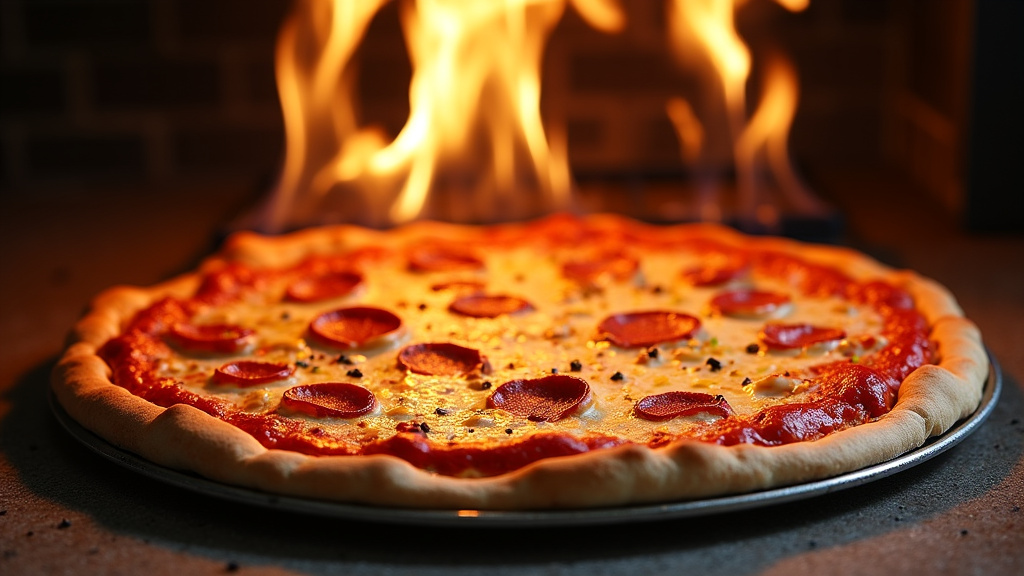
Keep an eye on it constantly. High heat cooks fast! You want that beautiful leopard spotting, but you don’t want burnt crust. This visual cue tells you it’s done. Many experts suggest looking for a crust that is golden brown with some darker, charred blisters (patina).
Retrieving Your Pizza Safely
Use your pizza peel to carefully slide under the cooked pizza. Lift it out of the oven and place it on a cutting board. Allow it to cool for just a minute before slicing. This brief rest helps the cheese set slightly, making it easier to cut.
Safety Checklist for Your Pizza Night
Here’s a quick rundown to keep your pizza-making safe and enjoyable:
- Always use oven mitts or heat-resistant gloves.
- Preheat your oven and pizza stone/steel for at least 45-60 minutes.
- Use a pizza peel with flour or semolina for smooth launching.
- Keep flammable items away from the oven area.
- Never leave a hot oven or a pizza unattended.
- Ensure good kitchen ventilation during preheating and baking.
By following these steps, you can safely create delicious, authentic Neapolitan-style pizza right in your own kitchen. Enjoy the process and the delicious results!
“`
Conclusion
You’ve learned that safe and delicious Neapolitan pizza at home is all about mastering high heat. By using a pizza stone or steel and properly preheating your oven, you’re setting yourself up for success. Remember to handle your dough and pizza with a pizza peel and always prioritize safety with oven mitts. The key is consistent, intense heat transfer for that perfect crust. Now, go ahead and preheat that oven for your next pizza night!
Frequently Asked Questions
What if I don’t have a pizza stone or steel?
You can still make great pizza, but it might not have the same Neapolitan char. Try using a heavy-duty baking sheet, inverted to create a flat surface. It won’t retain heat quite as well, so ensure your oven is at its absolute highest setting for a longer preheat time.
How do I prevent my pizza from sticking to the peel?
A light dusting of flour, semolina, or cornmeal on your peel is essential. Ensure your dough is shaped and topped relatively quickly to avoid moisture buildup. Give the peel a gentle shake before launching to confirm the pizza moves freely.
Is it safe to use my oven’s broiler for pizza?
Using the broiler can add char but requires extreme caution. It heats very intensely from above and can quickly burn your pizza if not watched constantly. For a more controlled and safer Neapolitan bake, focus on preheating your oven and cooking surface thoroughly.
How long should I preheat my pizza stone or steel?
You need to preheat your stone or steel for at least 45-60 minutes. Place it in the oven *before* you turn the oven on. This ensures it absorbs enough heat to mimic a professional pizza oven floor when you launch your pizza.
What if my oven doesn’t go above 500°F?
Don’t worry! Many home ovens don’t reach extreme temperatures. You can still make fantastic pizza. Focus on getting your oven as hot as it can go and preheating your stone or steel for the full recommended time. A convection setting, if you have one, can also help circulate heat effectively.
