
What Is the Safest Way to Control Flame in a Pizza Oven?
The safest way to control flame in a pizza oven is by managing the fuel source and ensuring proper airflow. For wood-fired ovens, this means using a controlled burn with seasoned hardwood and adjusting vent settings. For gas ovens, it’s about using the correct gas pressure and burner settings. Safety always comes first when working with high heat and open flames.
Understanding how your specific oven works is key to safe operation. Whether you have a wood-burning beauty or a modern gas model, a little knowledge goes a long way. We found that most issues arise from improper fuel loading or inadequate ventilation, leading to unpredictable flames. Keeping your oven clean and well-maintained also plays a huge role in consistent and safe performance.
- Flame control is about managing fuel and air.
- Seasoned wood and proper venting are key for wood ovens.
- Gas ovens rely on correct pressure and burner settings.
- Maintenance and clean ovens mean safer operation.
- Always prioritize safety when cooking at high temperatures.
Let’s walk through the best practices for keeping your pizza oven’s flame perfectly behaved and completely safe. We’ll cover the essentials for both wood-fired and gas models. Learn the safest way to preheat your pizza oven for optimal results.
Mastering Your Pizza Oven’s Flame: A Safety Guide
Controlling the flame in your pizza oven is essential for both delicious pizzas and your safety. You want a strong, consistent heat for cooking. Unpredictable flames can lead to burnt crusts or even dangerous situations. We found that managing the fuel and airflow correctly is the safest approach.
Understanding Your Oven Type: Wood vs. Gas
Your oven’s design dictates how you control its flame. Wood-fired ovens rely on burning wood, while gas ovens use a controlled gas supply. Each has unique methods for flame management and safety protocols. Let’s break down the best practices for each.
Wood-Fired Pizza Ovens: The Art of the Controlled Burn
Wood-fired ovens offer a rustic charm and fantastic flavor. Mastering their flame takes a bit of practice. The key is a steady, predictable burn, not a raging inferno. Many seasoned pizza makers agree that a moderate flame cooks pizzas best.
Choosing the Right Fuel
The type of wood you use matters a lot. For pizza ovens, seasoned hardwood is your best friend. Think oak, maple, or fruitwoods. These woods burn longer and hotter with less smoke. Avoid softwoods like pine; they burn too quickly and create a lot of soot. You also want wood that’s been dried for at least six months. This is called seasoned or kiln-dried wood.
Wet or unseasoned wood produces a sputtering, smoky flame. This makes temperature control very difficult. It can also coat your oven dome with creosote, which is a fire hazard. We found that using good quality, dry hardwood is the first step to a safe and manageable flame.
Building and Maintaining the Fire
Start your fire small and gradually increase its size. Place a few small pieces of kindling in the center of the oven. Once they catch, add slightly larger pieces. Build up to your main cooking logs. You want to establish a good bed of hot embers before adding larger logs.
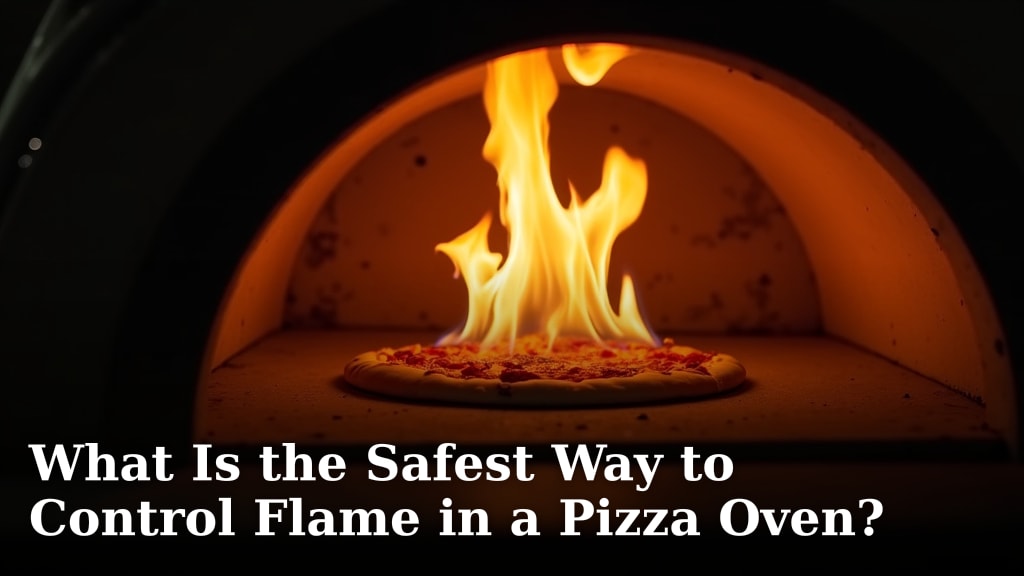
The goal isn’t a bonfire. You need a steady flame licking the dome. This radiant heat is what cooks your pizza perfectly. A flame that’s too low won’t heat the oven dome properly. A flame that’s too high can scorch your pizza too quickly. We found that a fire that’s about hand-sized is often ideal.
Airflow and Vent Management
Proper airflow is critical for controlling the fire. Your oven likely has vents or a chimney. Adjusting these controls how much oxygen reaches the fire. More oxygen means a hotter, faster burn. Less oxygen means a slower, cooler burn.
For a pizza oven, you generally want good airflow to start. As the oven heats up, you might need to adjust. If the flame is too active, you can partially close the vent. This reduces the oxygen supply. It will calm the flame. If the flame is dying down too much, open the vent a bit more.
Many experts suggest keeping the main chimney damper partially open. This allows smoke and heat to escape. The amount you open it affects the draft. A stronger draft pulls more air into the fire. You’re essentially using the vents like a regulator. We found that experimenting with vent positions is key to understanding your oven’s response.
Gas Pizza Ovens: Precision Control
Gas pizza ovens offer convenience and consistent temperatures. Controlling their flame is more about adjusting settings than managing fuel combustion. They are designed for predictable heat output.
Understanding Your Gas Controls
Gas ovens have knobs or dials that control the gas flow to the burner. These are usually labeled with high, medium, and low settings, or a temperature range. The highest setting provides the most gas for maximum heat. The lowest setting reduces gas flow for a gentler heat.
For cooking pizzas, you typically preheat your oven on high. Once it reaches temperature, you might lower it slightly. This depends on the pizza style and cooking time. Many manufacturers recommend maintaining a specific temperature for optimal results. We found that reading your oven’s manual is the most important step for understanding its specific controls.
Gas Pressure and Burner Settings
Gas pressure is preset at the factory for optimal performance. You generally don’t adjust this yourself. If you suspect an issue with gas pressure, contact a qualified technician. Incorrect pressure can lead to an unsafe flame or poor heating.
The burner itself is designed to distribute heat evenly. For most pizzas, you’ll want the flame to be a steady blue. Some yellow tips are normal, especially during startup. However, a large amount of yellow or orange flame can indicate incomplete combustion. This might mean the burner needs cleaning.
You want a flame that covers the cooking surface. It should heat the oven’s ceiling and floor effectively. If the flame is too small or uneven, your pizza won’t cook properly. We found that ensuring the burner is clean and unobstructed is vital for consistent flame control.
Safety First: Common Pitfalls to Avoid
Regardless of your oven type, certain practices are universally important for safety. Avoiding these common mistakes will help keep your pizza-making experience enjoyable and secure.
Never Overload Your Oven
For wood ovens, piling on too much wood at once can cause a flare-up. This sends the flame too high and makes it hard to control. It also creates excessive smoke. Stick to adding logs gradually as needed to maintain your desired heat.
For gas ovens, don’t place too many items in the oven that block airflow. This can also affect how the flame behaves and heats the oven. Always ensure there’s space for heat to circulate. We found that leaving adequate space is a simple yet effective safety measure.
Keep Your Oven Clean
A clean oven is a safer oven. In wood-fired ovens, grease and food debris can build up. This buildup can ignite, causing a dangerous grease fire. Regularly sweep out ash and debris. Make sure the chimney and flue are also clear of obstructions.
In gas ovens, food particles can fall onto the burner. This can cause flare-ups or damage the burner. Clean up spills immediately. Periodically check the burner for any blockages. Many appliance manufacturers recommend a cleaning schedule. We found that regular cleaning prevents unexpected flare-ups and ensures efficient operation.
Understand Your Oven’s Limits
Every oven has a maximum temperature it can safely reach. Pushing your oven beyond its limits is risky. It can damage the oven’s materials and create unsafe conditions. Always respect the manufacturer’s guidelines for maximum operating temperatures.
For wood ovens, this means not trying to create an impossibly hot fire. For gas ovens, avoid turning the controls to their absolute maximum for extended periods unless specifically instructed. We found that knowing your oven’s specifications protects both the appliance and your well-being.
Quick Safety Checklist for Flame Control
- Always use seasoned hardwood in wood-fired ovens.
- Monitor and adjust vents for proper airflow.
- For gas ovens, use recommended burner settings.
- Never overload the oven with too much fuel or food.
- Keep your oven clean inside and out.
- Know your oven’s maximum safe operating temperature.
Conclusion
You’ve learned that controlling your pizza oven’s flame is all about smart fuel and air management. For wood ovens, this means using seasoned hardwood and adjusting vents for a steady burn. Gas ovens rely on precise burner and pressure settings. We found that keeping your oven clean and understanding its limits are universal safety rules. By following these practices, you’ll create the perfect cooking environment and ensure a safe, enjoyable pizza-making experience every time. Your next step is to apply these tips during your very next pizza night!
Frequently Asked Questions
What happens if my wood-fired pizza oven has too much flame?
If your wood oven has too much flame, it can scorch your pizza quickly and make temperature control difficult. You can calm an excessive flame by partially closing the vent or chimney damper. This reduces oxygen flow. It helps to let the fire die down a bit before adding more wood.
Can I use any kind of wood in my pizza oven?
You should only use seasoned hardwood like oak, maple, or fruitwoods in your pizza oven. Avoid softwoods like pine, as they burn too fast and produce excess smoke and creosote. Always ensure your wood is dry and has been seasoned for at least six months for a cleaner, hotter burn.
My gas pizza oven’s flame is mostly yellow. Is that okay?
A mostly yellow flame in your gas pizza oven can indicate incomplete combustion, which isn’t ideal. Some yellow tips are normal, but a large yellow or orange flame suggests the burner might need cleaning. Check for any food debris blocking the burner ports.
How often should I clean my pizza oven for safety?
Regular cleaning is key for safety. For wood ovens, sweep out ash and debris after each use once it cools. For gas ovens, clean up spills promptly. Periodically check the burner for blockages. This prevents grease fires and ensures efficient operation.
What’s the safest way to preheat my pizza oven?
For wood-fired ovens, start with kindling and gradually add larger pieces of seasoned hardwood until you achieve a steady flame that heats the dome. For gas ovens, preheat on a high setting according to your manual’s instructions. Ensure good airflow during the preheating process for both types.
