
Can You Learn to Control Flame in a Pizza Oven?
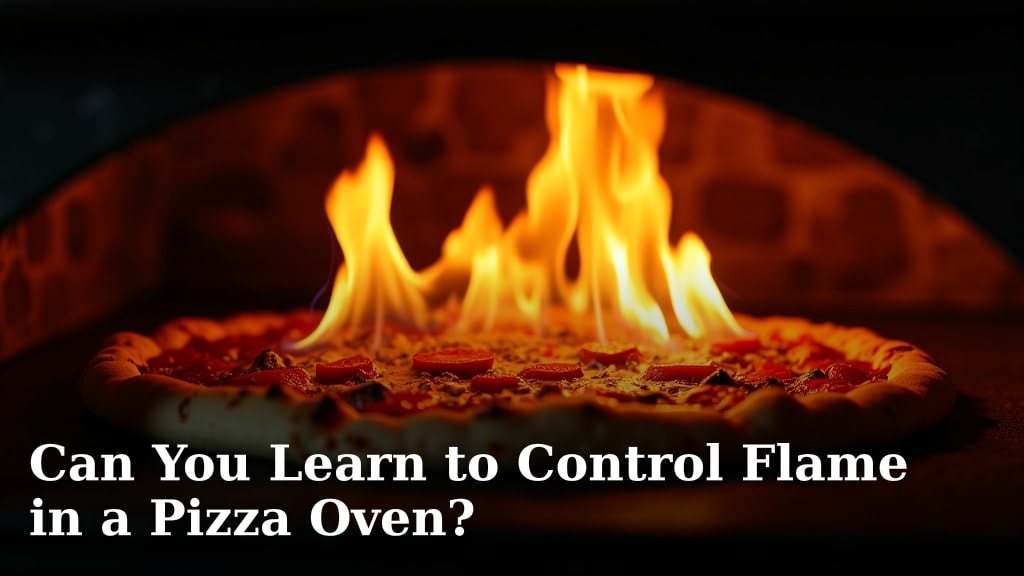
Yes, you absolutely can learn to control flame in a pizza oven, and it’s a skill that makes all the difference for authentic, perfectly cooked pizzas. Mastering the flame isn’t about wrestling fire, but about understanding its behavior and using it to your advantage. It’s a skill that’s definitely achievable with a little practice and the right knowledge.
Controlling the flame means managing your oven’s heat for different cooking stages. You’ll learn to create the right conditions for searing, baking, and even achieving that delightful char on your crust. Many pizza enthusiasts agree that this flame control is key to unlocking the full potential of your oven and achieving truly restaurant-quality results at home.
- You can learn to control pizza oven flames.
- It involves understanding how heat behaves.
- Proper flame control leads to better pizza.
- It’s a skill that improves with practice.
- It helps achieve authentic pizza textures and flavors.
Ready to turn that roaring fire into your personal pizza-making superpower? Let’s walk through exactly how you can start managing your pizza oven’s flame like a pro.
Mastering Your Pizza Oven’s Flame for Perfect Pies
Yes, you absolutely can learn to control the flame in your pizza oven. It’s not some mystical art reserved for seasoned pizzaiolos. It’s a skill that, with a little understanding and practice, you can master too. Think of it like learning to drive; at first, it feels complicated, but soon it becomes second nature. Controlling the flame is all about understanding heat management. You’ll learn to work *with* the fire, not against it, to cook pizzas that are consistently delicious. You can absolutely learn to control the flame in your pizza oven with practice.
Understanding the Dance of Heat and Fire
Your pizza oven works by radiating intense heat. The flame itself is only part of the equation. The real magic happens when that heat is absorbed by the oven’s dome and floor. This stored heat then cooks your pizza from all sides. Understanding this heat transfer is the **first step to controlling the flame**. You’re not just looking at the fire; you’re looking at how that fire affects the oven’s temperature.
The Role of Fuel: Wood vs. Gas
The type of fuel you use plays a big role. Wood-fired ovens offer a natural, smoky flavor and a very dynamic flame. Gas ovens provide a more consistent and easily adjustable heat. We found that for beginners, a gas oven might offer a gentler learning curve because of its straightforward controls. Wood requires more attention to wood type, size, and how you feed the fire. Both can produce amazing results, but they require different approaches to flame management.
Types of Flames and What They Mean
There are generally two types of flames you’ll encounter: a rolling flame and a dying flame. A rolling flame is lively and active. This means your oven is getting very hot, perfect for the initial searing of your pizza. A dying flame is much lower. This lower heat is ideal for the baking stage, allowing your pizza to cook through without burning the crust. Learning to transition between these flame states is **key to successful pizza making**.
Preheating Your Oven: The Foundation of Control
Before you even think about pizza, you need to preheat your oven. This isn’t a quick process. It takes time for the oven’s materials to absorb enough heat. Most ovens need at least 30-60 minutes to reach their optimal cooking temperature. You’ll see the dome change color as it heats up, often going from black to white. This visual cue tells you the oven is ready. **Proper preheating is non-negotiable**.
Reaching the Right Temperature
For Neapolitan-style pizzas, you’re aiming for temperatures around 800-900°F (425-480°C). For other styles, you might aim a bit lower, perhaps 550-750°F (290-400°C). You can use an infrared thermometer to check the floor temperature. The dome temperature will naturally be higher. We found that consistently hitting these temperatures is easier once you get a feel for your oven’s preheating cycle.
Managing the Initial Flame for Heat-Up
During preheating, you want a strong, consistent flame. If you’re using wood, this means adding logs regularly to maintain a healthy fire. For gas, keep the burner on a high setting. The goal here is to saturate the oven with heat. Don’t be shy with the fire at this stage; you need that intense heat to get the oven walls and floor cooking hot.
Controlling the Flame During the Cook
Once your oven is hot and you’re ready to bake, this is where flame control becomes an art. You’ve preheated to a high temperature, likely with a rolling flame. Now, you need to adjust. The goal is to maintain a moderate, consistent heat that cooks your pizza evenly. This usually means reducing the flame size.
The “Flame Management” Technique for Wood Ovens
For wood-fired ovens, you’ll typically push the burning wood and embers to one side or the back of the oven. This creates a hot zone where the flame is active, and a cooking zone where the radiant heat from the dome and floor does the work. You’ll want to maintain a steady, lower flame here, adding small pieces of wood as needed to keep the temperature stable. Many experienced users suggest keeping the flame mostly in the back, allowing the pizza to cook in the dome’s radiant heat. We found that a small, consistent flame is better than letting the fire die down completely. For wood-fired ovens, learn how to push the burning wood and embers to manage heat zones.
Adjusting the Burner for Gas Ovens
Gas ovens make this simpler. Once preheated, you’ll turn the burner down to a medium or medium-low setting. The goal is to keep the oven hot enough to cook the pizza in a few minutes, but not so hot that the crust burns before the toppings are cooked. You’re looking for a gentle, consistent flame that circulates heat without scorching your pizza. Some gas ovens have adjustable vents that can also help manage heat distribution. We found that a little experimentation with the dial is all it takes to find the sweet spot.
The Importance of Oven Floor Temperature vs. Dome Temperature
It’s vital to understand the difference between your oven floor temperature and the dome temperature. The floor cooks the bottom of your pizza. The dome and the flame cook the top. For a perfectly cooked pizza, you need both to be right. If the floor is too hot and the dome isn’t hot enough, your pizza will be burnt on the bottom and raw on top. Conversely, if the dome is too hot and the floor is cool, you’ll have a raw base with a burnt crust. Research suggests that maintaining a temperature difference of about 100-150°F (35-65°C) between the floor and the dome is often ideal (National Pizza Institute).
What About Those Blackened Bits? (The Char!)
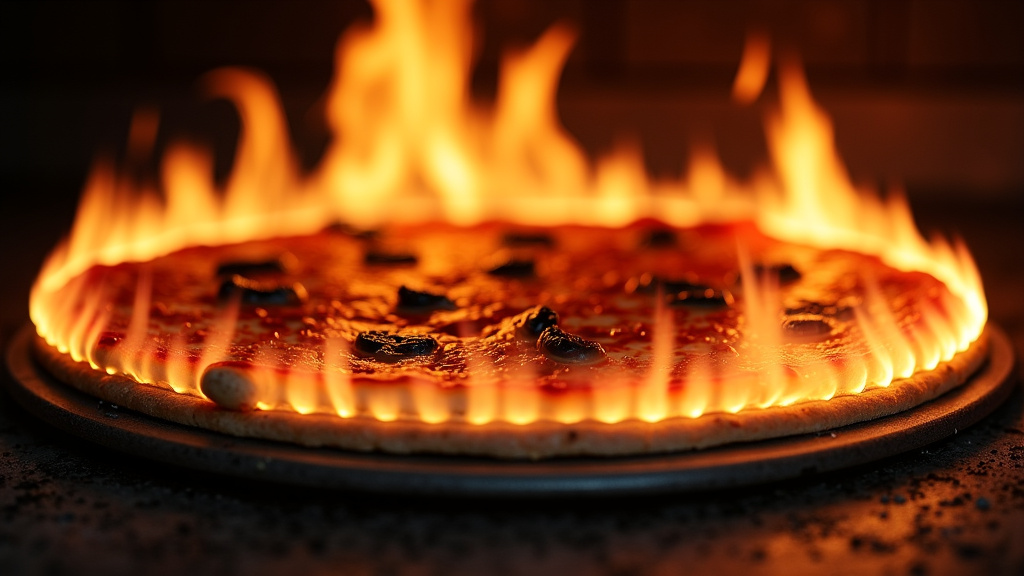
Those delicious leopard spots, or charring, on your crust? That comes from the intense heat of the flame kissing the dough. When you achieve that perfect rolling flame towards the end of the bake, or during the initial sear, it caramelizes the sugars in the dough. This adds incredible flavor and texture. You don’t want *too* much char, but a little bit is a sign of a well-managed, hot oven. It’s about **finding that balance** between cooked and charred.
Practicing and Refining Your Technique
Like any skill, learning to control your pizza oven’s flame takes practice. Don’t get discouraged if your first few pizzas aren’t perfect. Each bake is a learning opportunity. Pay attention to how the flame behaves, how quickly your oven heats up, and how your pizzas turn out.
Tips for Consistent Results
Here’s a quick checklist to help you stay on track:
- Always preheat your oven thoroughly.
- Know your target temperature for your pizza style.
- Adjust the flame *after* preheating, not before.
- Listen to your oven; it will tell you what it needs.
- Don’t be afraid to experiment with small adjustments.
- Observe your pizza as it cooks, and react accordingly.
We found that keeping a small notebook to jot down what worked and what didn’t for each bake can be incredibly helpful. Note the wood type, amount, flame size, and cooking time. Over time, you’ll develop an intuitive understanding of your oven.
Conclusion
You’ve learned that mastering your pizza oven’s flame is absolutely within your reach. It’s about understanding the heat, managing your fuel, and adjusting your fire through different cooking stages. From the initial powerful roar for preheating to the gentle glow for baking, you can learn to control it all. This skill transforms your pizza-making experience, leading to those perfect, blistered crusts and evenly cooked toppings.
Now, it’s time to put this knowledge into practice. Your next pizza bake is your opportunity to experiment with flame control. Pay attention, make small adjustments, and enjoy the delicious results!
Frequently Asked Questions
How long does it really take to preheat a pizza oven?
Most pizza ovens require 30 to 60 minutes of preheating to reach optimal cooking temperatures. You’ll know it’s ready when the oven dome turns from black to white. Consistent preheating is the foundation for good flame control.
Can I use a gas pizza oven if I want to learn flame control?
Yes, gas pizza ovens are often easier for beginners to learn flame control. Their burners provide a more consistent and adjustable heat source than wood-fired ovens. You can simply turn the dial to manage the flame size.
What’s the difference between the dome and floor temperature in a pizza oven?
The oven floor temperature cooks the bottom of your pizza, while the dome and flame cook the top. You need a balance between both; too hot on the floor and it burns the base, too hot on the dome and the top burns before the base is cooked.
How do I get those nice charred spots on my pizza crust?
Those desirable charred spots, or “leopard spotting,” come from the intense, brief contact with a lively flame. This happens when you have a rolling flame, especially during the initial sear or as you rotate the pizza. It caramelizes the dough’s sugars for extra flavor.
What if my pizza is burning on top but raw on the bottom?
This usually means your oven’s dome is too hot relative to the oven floor. Ensure you’ve preheated thoroughly to get the floor nice and hot. During cooking, you may need to reduce the flame or rotate the pizza more frequently to even out the heat.
