
What Do You Need to Control Flame in a Pizza Oven?
Controlling flame in a pizza oven comes down to managing fuel, airflow, and temperature. You’ll need the right kind of wood, a way to adjust how much air gets to the fire, and a thermometer to track the heat. These three elements work together to create the perfect cooking environment for delicious pizzas.
Getting your pizza oven flame just right is key to achieving that authentic, crispy crust and perfectly cooked toppings. It’s not just about lighting a fire; it’s about understanding how to maintain a consistent heat. Many home cooks find it tricky at first, but with a little practice, you can master your oven’s flame control.
- Fuel type matters: Use dry, seasoned hardwoods.
- Airflow is king: Adjust vents for more or less heat.
- Temperature is your guide: Use a good thermometer.
- Practice makes perfect: Don’t be afraid to experiment.
Let’s break down exactly what you need to get that flame under control and start making incredible pizzas right in your backyard.
Mastering Your Pizza Oven’s Flame: What You Need
Controlling the flame in your pizza oven is simpler than you might think. You need a few key things to manage heat effectively. It’s all about fuel, airflow, and knowing your temperature. We’ll guide you through exactly what you need to get that perfect pizza-making fire.
Choosing the Right Fuel for Your Fire
The wood you use makes a big difference. For the best results, you’ll want seasoned hardwoods. This means the wood has been dried for at least six to twelve months. This drying process removes moisture. Wet wood causes smoke and low heat. It’s like trying to cook with a damp sponge; it just doesn’t work well. Dry wood burns hotter and cleaner.
Why Hardwoods are Best
Hardwoods like oak, maple, or hickory are dense. They burn longer and create a steady, hot coal bed. Softwoods, such as pine or fir, burn quickly. They produce more creosote, which can build up in your oven. That build-up is a fire hazard. Stick to hardwoods for consistent heat and flavor. We found that fruitwoods like apple or cherry can add a subtle, pleasant aroma to your pizzas.
The Importance of Seasoning
Seasoned wood has a moisture content of less than 20%. You can check this with a moisture meter, which is a handy tool. Wood that is too wet will hiss and sputter. It will also create a lot of smoke. This indicates a cooler, less efficient burn. Think of it as breathing – you want clean air, not choking smoke. Research from forestry services confirms that properly seasoned wood burns with significantly less smoke and more heat.
Where to Get Your Wood
You can buy seasoned firewood from local suppliers. Look for companies that specialize in pizza oven or fireplace wood. Alternatively, you can season your own wood. If you cut your own, be sure to stack it properly. Leave it in a dry, airy spot for at least a year. Protect it from rain. Your pizza oven will thank you for it.
Managing Airflow for Optimal Heat
Air is the pizza oven’s best friend, but too much or too little can be a problem. You need a way to control how much air gets to your fire. Most pizza ovens have adjustable vents or openings. These allow you to fine-tune the airflow.
Understanding Your Oven’s Vents
Ovens vary, but they typically have an air intake vent. This is usually at the bottom of the oven, near where the fire is built. Some ovens also have a chimney damper. This controls the air flowing out of the oven. Adjusting these vents changes the fire’s intensity. More air means a hotter, more vigorous flame. Less air leads to a gentler burn. We found that experimenting with these settings is key to learning your specific oven.
Vent Settings Explained
When you first start your fire, you’ll want to open the vents wide. This helps the wood catch and build heat quickly. Once you have a good bed of coals and a stable flame, you can start to adjust. If the flame is too wild, reduce the air intake slightly. If the fire is dying down, open it up more. Think of it like a delicate dance between feeding the fire and keeping it under control.
The Role of the Chimney
The chimney draws smoke and heat away from the oven. A well-functioning chimney helps create a consistent draft. This draft pulls fresh air into the oven. This air fuels the fire. If your chimney is blocked, or too short, the airflow can be poor. This leads to a smoky oven and inconsistent temperatures. Many oven manufacturers offer advice on optimal chimney height and design.
Temperature Control: Your Secret Weapon
Knowing how hot your oven is can’t be guessed. You need a reliable way to measure the temperature. This is where a good thermometer comes in. Without one, you’re flying blind. Pizza ovens reach very high temperatures, much hotter than a standard kitchen oven.
Types of Pizza Oven Thermometers
There are two main types. One is an infrared thermometer. You point it at the cooking surface. It gives you an instant reading of the stone temperature. This is what cooks the bottom of your pizza crust. The other type is a dial thermometer. This is often built into the oven dome. It measures the air temperature inside the oven. Both are useful for different reasons.
Using an Infrared Thermometer
We found that an infrared thermometer is excellent for checking your cooking surface. You want your pizza stone to be around 700-800°F (370-425°C) for Neapolitan-style pizzas. Aim the thermometer at the spot where you’ll place your pizza. Check it before you launch your pie. This ensures the crust cooks quickly and evenly. Cleveland Clinic recommends maintaining specific temperatures for safe food handling, which translates to perfect cooking too.
Understanding Oven Air Temperature
The dial thermometer, if your oven has one, tells you the ambient temperature. This is important for cooking toppings. A hot dome means the heat is reflecting down onto your pizza. For most pizzas, you want the oven air temperature to be between 800-900°F (425-480°C). This high heat cooks everything fast. It gives you that signature slightly charred crust and perfectly melted cheese.
When to Add More Wood
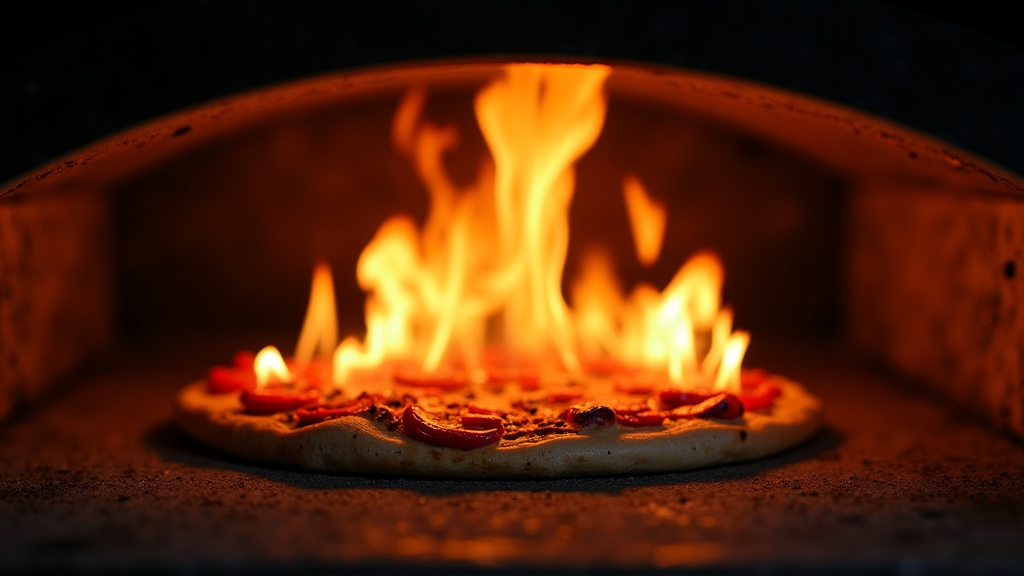
As you cook pizzas, the fire will naturally burn down. You’ll need to add more wood periodically. The goal is to maintain a consistent temperature. A good time to add a few pieces of wood is when the flames start to die down significantly. You want to keep a healthy flame licking the sides of the dome. This keeps the cooking surface hot. Don’t overfill the oven with wood. Too much wood can cause the temperature to spike too high.
Putting It All Together: A Checklist for Success
Mastering your pizza oven takes practice. But having the right tools makes it much easier. Here’s a quick checklist to ensure you have what you need:
- Seasoned Hardwood: Your primary fuel source.
- Moisture Meter: To check wood dryness.
- Adjustable Vents: For controlling airflow.
- Infrared Thermometer: To check cooking surface temperature.
- Oven Thermometer (optional): To check dome temperature.
- Fireproof Gloves: For safety when tending the fire.
With these items, you’re well on your way to becoming a pizza-making pro. Remember, patience and practice are your best allies.
Conclusion
You’ve learned that controlling your pizza oven’s flame is all about mastering three key elements: your fuel, your airflow, and your temperature. By choosing seasoned hardwoods, adjusting your oven’s vents wisely, and using a reliable thermometer, you’re set for success. It’s not about complicated techniques, but about understanding the basics and practicing them. Don’t be afraid to experiment and find what works best for your oven and your style. Now, go ahead and fire up that oven for your next delicious pizza night!
Frequently Asked Questions
What’s the biggest mistake beginners make with pizza oven flames?
The most common mistake is using wet or unseasoned wood. Wet wood creates a smoky, cool fire that struggles to reach cooking temperatures. It’s much harder to get a good pizza cooked with damp fuel.
Can I use softwood like pine in my pizza oven?
While you can technically burn softwood, it’s not recommended for pizza ovens. Softwoods burn very quickly, produce more creosote (a fire hazard), and don’t create the consistent, hot coals you need. Stick to hardwoods for the best results.
How often should I add wood to keep the temperature consistent?
This depends on your oven and how many pizzas you’re cooking. Generally, you’ll add a few pieces of wood when the flames start to die down, about every 15-20 minutes. The goal is to maintain a lively flame without overwhelming the oven.
Do I really need both an infrared and a dial thermometer?
An infrared thermometer is essential for checking your cooking surface temperature, which is critical for the crust. An oven’s built-in dial thermometer helps you monitor the overall air temperature for cooking toppings. Both provide different, important information.
What if my oven is smoking too much, even with dry wood?
Excessive smoke can mean your airflow isn’t optimal. Ensure your vents are open enough initially to get a good fire going. If it persists, check that your chimney isn’t blocked and that your oven design allows for proper draft. You might need to adjust vent settings more carefully.
