What Is a Pizza Steel Made Of?
A pizza steel is usually made from carbon steel, often low-carbon steel, rather than ceramic or stone. Its cooking surface needs suitable finishing, cleaning, and seasoning before regular food use.
On this page (10 sections)
- What is a pizza steel made of?
- Does a pizza steel have a coating?
- Why does carbon steel work well for pizza?
- How is carbon steel different from stainless steel?
- What should you know about food-contact finishing?
- Which product materials fit different cooking needs?
- How does seasoning protect a pizza steel?
- How should you clean and store a pizza steel?
- Is a pizza steel better than a pizza stone?
- What is the simplest way to choose a pizza steel?
A pizza steel is usually made from carbon steel, often low-carbon steel, instead of ceramic or stone. Steel transfers heat quickly, but the surface still needs suitable food-contact finishing, careful cleaning, and protection from rust.
The word “steel” describes a family of iron-based alloys, not one exact recipe. A pizza steel may be made from carbon steel, low-carbon steel, or another steel alloy, so check the stated material before you buy.
What is a pizza steel made of?
Most pizza steels are made from carbon steel because it conducts and stores heat well. A thick steel plate can send strong heat into dough when it is fully preheated in an oven, grill, or other approved cooking setup.
Carbon steel contains iron and carbon, with the carbon level kept within a range that gives the material useful strength and heat behavior. Low-carbon steel has a lower carbon content than many harder steels and is commonly used for flat cooking surfaces.
A pizza steel is normally a solid plate rather than a mesh or a thin sheet. For sizing, see our pizza steel thickness guide.
Thickness affects weight, preheat time, heat storage, and how quickly the surface recovers between pizzas.
Steel is different from cast iron. Both are iron-based cooking materials, but cast iron is generally thicker and more brittle, while carbon steel is often easier to shape into a broad, flat plate.
Does a pizza steel have a coating?
Some pizza steels have no permanent coating at all. Instead, the cooking surface may have a temporary protective oil layer for storage and shipping, or it may need seasoning with cooking oil before use.
A temporary oil film is not the same as a factory-applied nonstick coating. Wash away storage residue as directed, dry the steel fully, and follow the brand's first-use instructions.
Avoid assuming that every dark or shiny surface is a coating. The appearance may come from oil, heat, polishing, shot blasting, or a developing seasoning layer.
Food-contact surfaces should be made and finished for cooking. The FDA's food contact substances guidance explains why materials used with food need suitable safety controls.
Why does carbon steel work well for pizza?
Carbon steel moves heat into the dough faster than many ceramic surfaces. That fast transfer can help the bottom of a pizza brown and crisp while the top cooks in the hot air of the oven.
A thick plate also stores heat. When a cold pizza is placed on the steel, the surface loses some heat, then recovers as the oven continues heating.
Thickness creates a trade-off. A thinner steel is easier to lift and preheats with less mass, while a thicker steel weighs more but can hold more heat for repeated cooking.
Your oven must have enough room for the steel and the pizza. For a general buying overview, compare this guide with pizza bakeware options before choosing a plate size.
How is carbon steel different from stainless steel?
Carbon steel usually needs seasoning and rust prevention, while stainless steel is more resistant to rust. Stainless steel may be easier to store without an oil film, but the exact cooking behavior depends on the alloy, thickness, and design.
Carbon steel can develop a darker patina after repeated heating and oiling. That patina is a built-up seasoned surface, not a plastic coating.
Stainless steel does not automatically mean nonstick. Dough can still stick if the steel is cold, wet, poorly floured, or loaded before the surface has reached the right temperature.
Read the material and care instructions closely. “Steel” alone does not tell you whether the plate is carbon steel, stainless steel, pre-seasoned, or treated with another finish.
What should you know about food-contact finishing?
A pizza steel should have a clean cooking surface intended for food contact. It should not have paint, unknown plating, galvanized treatment, or a decorative finish that is not meant to be heated with food.
A surface made for cooking may still arrive with protective oil, dust, or handling residue. Wash it before first use, dry it completely, and season it if the instructions call for seasoning.
Do not use an unverified steel plate from a hardware supply as a pizza steel. The metal grade, surface treatment, cutting fluid, and storage conditions may not suit direct food contact or high heat.
The safest choice is a cooking steel with clear material information and care directions. If the material or finish is unclear, ask the manufacturer before heating it with food.
Which product materials fit different cooking needs?
The Lodge Pre-Seasoned Cast Iron Skillet with Silicone Handle Holder, 12 Inches is cast iron, not a pizza steel. Its natural vegetable oil seasoning and 12 in skillet shape suit searing, sautéing, baking, frying, and campfire meals when you want a smaller multipurpose pan.
Its cast iron construction holds heat, while the silicone handle holder helps with handling after cooking. The skillet is oven safe, hand wash only, and has a maximum temperature of 260 °C.
The Artisan Steel High Performance Pizza Steel Made in the USA is made from steel and measures 16 x 14.25 x 0.25 in. It weighs 16 lb and has a rectangular shape, making it a practical match for readers who want a broad pizza surface without choosing the heaviest plate here.
Artisan Steel describes the surface as ultra-conductive and says it is finished with food-safe oil for storage and transport. Wash it before first use, then hand wash, dry, and re-season as needed.
The THERMICHEF 16" x 16" Pizza Steel is made from 3/8 in steel and weighs 27.5 lb. Its square shape and heavy thickness suit readers who want greater heat storage for repeated cooking and have enough oven space to handle a large plate.
THERMICHEF says this model is shot-blasted rather than pre-seasoned. Its first-use instructions call for washing, applying a thin coat of oil, and baking at 375°F for 1 hour.
How does seasoning protect a pizza steel?
Seasoning uses a thin layer of heated cooking oil to help protect carbon steel from moisture and rust. It also creates a darker patina over time and may help dough release more easily.
Start with a clean, dry surface. Apply only a thin layer of oil, because excess oil can become sticky or uneven when heated.
For more detail, read How to Season a Pizza Steel?. If you are gathering supplies, What Do You Need to Season a Pizza Steel? covers the basic setup.
Seasoning is not permanent. Water, acidic food, aggressive scrubbing, or long storage in damp conditions can weaken it, so the surface may need another light coat of oil.
How should you clean and store a pizza steel?
Hand wash a pizza steel, dry it immediately, and apply a thin coat of oil when the surface needs rust protection. Do not leave carbon steel wet or soak it for long periods.
Let the steel cool enough to handle safely before cleaning. Scrape away stuck food with a suitable tool, then wash according to the brand's care instructions.
Avoid harsh cleaning that strips the seasoning unless you are intentionally restoring the surface. Never put a carbon-steel plate away while moisture remains on its edges or underside.
Store it in a dry place with airflow. If you see rust, remove it with a suitable scrubber, wash and dry the steel, then re-season it before cooking.
Is a pizza steel better than a pizza stone?
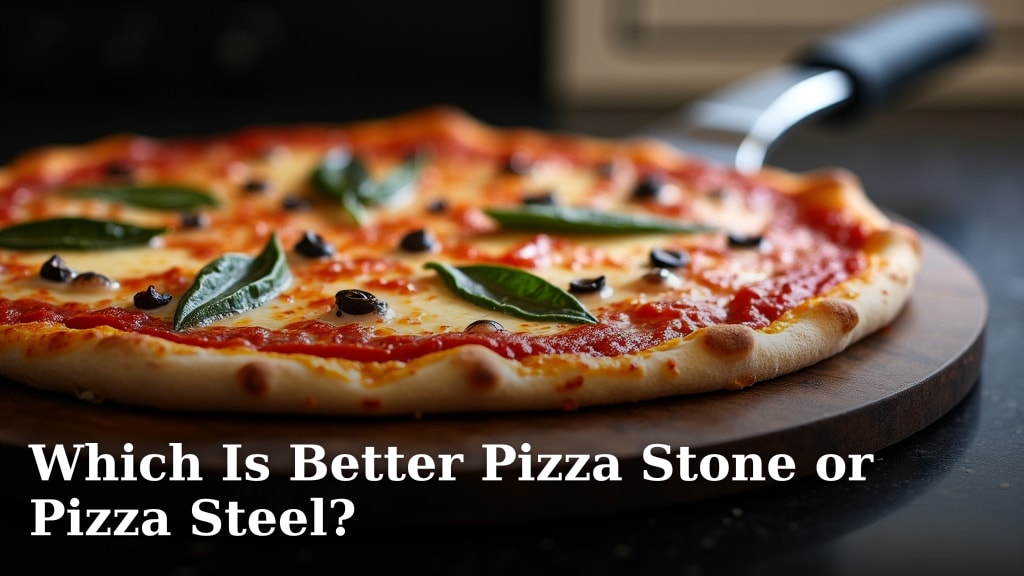
A pizza steel is usually the better choice for fast heat transfer and impact resistance, while a pizza stone may suit lighter handling or a porous baking surface. Learn how a pizza stone works.
Neither material is automatically best for every oven or crust style.
Steel is less likely to crack from a drop or sudden temperature change than ceramic stone. Its main trade-offs are weight, rust care, and the need to confirm that the plate fits your oven.
Stone can be easier to lift, depending on its size and thickness. It may also absorb surface moisture differently, which can affect how the crust feels.
For a direct comparison of the two materials, read Which Is Better Pizza Stone or Pizza Steel?. If you are choosing a steel for a particular oven, see Best Pizza Steel For Pizza Ovens.
What is the simplest way to choose a pizza steel?
Choose carbon steel if you want quick heat transfer and are willing to wash, dry, oil, and season the surface. Choose a thicker plate if you cook several pizzas in a row and can handle its weight.
Choose a thinner or smaller steel if oven clearance and lifting are your main concerns. Measure the oven rack and interior depth before ordering, especially for a 16 in plate.
The Artisan Steel suits a rectangular 16 x 14.25 x 0.25 in setup. The THERMICHEF suits readers who want a heavier 16 x 16 x 3/8 in plate, while the Lodge skillet is a cast-iron alternative for smaller, multipurpose cooking.
If you are interested in making one yourself, read How to Make a Pizza Steel. For a US-made option, compare the best pizza steel made in USA.
The decision rule is simple: pick carbon steel for fast heat transfer, confirm the food-contact finish, and match thickness to your oven space and cooking volume. Then keep the surface dry and lightly protected so the steel remains ready for the next pizza.
Frequently asked questions
What metal is used to make a pizza steel?
Most pizza steels use carbon steel, including low-carbon steel. The exact alloy can vary by manufacturer, so check the material description before buying.
Carbon steel transfers heat quickly and can be seasoned with cooking oil, while stainless steel is a different material with different care needs.
Is a pizza steel safe for food?
A pizza steel can be suitable for food use when it is made and finished for cooking, washed before first use, and cared for as directed. Remove storage oil and residue before cooking.
Avoid unknown metal plates, painted steel, galvanized steel, or surfaces with coatings not intended for food contact.
Does a pizza steel need to be seasoned?
Many carbon-steel pizza steels need seasoning because a thin layer of cooking oil helps protect the surface from rust and supports easier release. Follow the brand's instructions for washing, oiling, heating, and re-seasoning.
Some steels arrive pre-seasoned, while others require seasoning before first use.
Is pizza steel better than a pizza stone?
Pizza steel transfers heat more quickly than ceramic or stone, which can help brown the bottom of a pizza. A stone may weigh less or suit people who prefer a porous baking surface.
Your oven size, handling needs, care routine, and preferred crust matter as much as heat transfer.