
What Causes Pizza Sticking to the Peel?
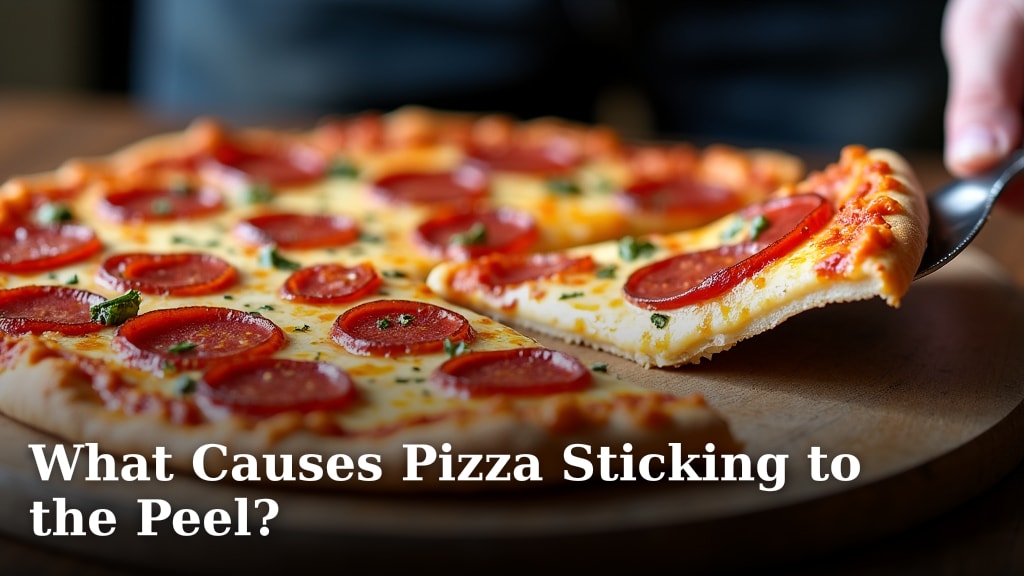
Pizza sticking to your peel is usually caused by a lack of flour or cornmeal. This prevents the dough from sliding freely. You also might have too much sauce or toppings, making the pizza too heavy. Overfilling can lead to sticking. Let’s fix that pizza pie!
The key is creating a slippery barrier between your dough and the peel. We’ve found that the type of flour used and the amount matter a lot. A dry peel surface is also a major culprit. We want your pizza to launch smoothly, not get stuck like glue.
- Not enough flour/cornmeal on the peel.
- Too much sauce or heavy toppings.
- A damp peel surface.
- Dough that’s too wet.
Ready to master the peel? Let’s walk through exactly how to prevent pizza sticking so you can bake like a pro. Let’s walk through exactly how to prevent pizza sticking so you can bake like a pro.
Why Your Pizza Dough is Sticking to the Peel
So, you’ve got a beautiful pizza creation ready for the oven, but then disaster strikes. Your pizza is stuck fast to the peel. It’s a common problem, and honestly, it can be quite frustrating. You might feel like you’re wrestling with a stubborn frisbee. But don’t worry, we’ve all been there. This sticky situation usually comes down to a few key factors. Let’s break down what’s causing your pizza to defy gravity (and your peel).
The Slippery Slope: Mastering the Peel Surface
The most frequent culprit behind a stuck pizza is a lack of a proper “slippery barrier” between your dough and the peel. Think of it like trying to slide a wet towel across a smooth table. It just clings. Your pizza dough needs a slick surface to glide off. This barrier is usually created with flour or cornmeal. Understanding the differences between wooden or metal pizza peel can help prevent sticking.
The Flour Power: Choosing and Using Your Dusting Agent
What you dust your peel with is super important. Many home bakers reach for all-purpose flour. It works, but sometimes it’s not enough. Some experts suggest using coarser flours or cornmeal for better results. These particles act like tiny ball bearings, helping your pizza slide. We’ve found that a combination of fine cornmeal and a bit of semolina flour can create an excellent, non-stick surface. It’s like giving your pizza little roller skates!
The amount of flour matters just as much as the type. Too little, and you’ll have sticking issues. Too much, and you might end up with a floury, bitter crust. The goal is a thin, even coating. You want to lightly dust the peel so you can barely see it. A good test is to gently shake the peel; if you see flour sticking to your finger, you might have used too much.
Cornmeal vs. Flour: What’s the Difference?
Cornmeal offers a different texture. It’s coarser and less likely to absorb moisture from the dough compared to flour. This means it stays “slippery” for longer. Many pizza pros prefer it for this reason. We’ve seen recipes recommending fine yellow cornmeal or even polenta. It gives a subtle crunch to the bottom of your pizza too, which many people enjoy. It’s a win-win!
Flour, especially all-purpose flour, can sometimes get gummy. If your dough is a bit wet, the flour can absorb that moisture and create a sticky paste. This is where cornmeal shines. It resists that absorption, keeping your pizza moving freely. If you’re struggling, consider switching from flour to cornmeal, or try a blend. Experimentation is key to finding what works best for your kitchen.
The Technique of Dusting
How you apply your dusting agent is also part of the process. You don’t want big clumps of flour or cornmeal. They can create uneven spots and potentially burn in the oven. We found that a gentle, even sprinkle is best. Some people use a sieve for a superfine dusting. Others just grab a handful and lightly toss it over the peel.
After you’ve dusted the peel, give it a gentle tap or shake. This helps distribute the flour or cornmeal evenly. It also knocks off any excess. You want just enough to create that slick layer. If you can see thick piles of flour, brush some off. A thin, consistent layer is your friend here.
The Dough Factor: Moisture and Stickiness
Sometimes, the problem isn’t just the peel; it’s the dough itself. The moisture content and hydration level of your pizza dough play a huge role in how it interacts with your peel. If your dough is too wet, it’s going to cling to anything it touches, including your peel, no matter how well you’ve dusted it.
Understanding Dough Hydration
Dough hydration refers to the ratio of water to flour in your dough. High hydration doughs (lots of water) are often stickier and harder to handle. They can produce a wonderfully airy crust, but they demand more care. If you’re new to pizza making, starting with a lower hydration dough might be easier. This will make it less likely to stick.
We’ve found that many home pizza makers struggle with dough that’s too sticky. This is often because they’re trying to achieve that airy, Neapolitan-style crust without the right technique. If your dough feels like it’s grabbing onto your fingers, it’s probably too wet for easy peel transfer. Many resources suggest a hydration level between 60-65% for manageable dough (CDC). Going much higher requires practice and maybe even specialized tools.
Techniques for Handling Wet Dough
If you love a high-hydration dough, there are ways to manage it. First, ensure your peel is generously dusted. Don’t be shy with the cornmeal or flour in this case. Second, work quickly. The longer a wet dough sits on the peel, the more time it has to adhere. Prepare your pizza toppings beforehand so you can assemble and launch without delay. A quick, confident motion is key.
Another trick is to use a bit of oil on your hands when shaping. This prevents the dough from sticking to you. However, avoid getting oil on the peel itself, as this can make things worse. Some pizza makers even use parchment paper for their first launch, then slide it out once the pizza is in the oven. This is a foolproof method, though some purists might scoff!
Topping Troubles: Overloading the Pizza
You’ve got a great dough, a well-dusted peel, and you’re ready to go. But wait, is your pizza piled high like a Thanksgiving turkey? Overloading your pizza is another common reason it might stick. Too many toppings mean too much weight and often too much moisture. This makes the pizza harder to slide off the peel.
The Moisture Migration Problem
Think about it: sauce, cheese, vegetables, meats – they all contain water. When you pile them on, especially wetter ingredients like fresh mozzarella or juicy tomatoes, that moisture can seep down into the dough. This is especially true if the dough hasn’t been properly sealed. That extra moisture makes the dough clingy.
We found that the sauce layer is critical. Make sure you leave a border around the edge of your pizza, about half an inch to an inch wide. This “cornicione” should be sauce-free. If sauce creeps too close to the edge, it can seep under the dough and create a sticky bond with the peel. Keep the sauce contained!
Weight Distribution Matters
A pizza loaded with toppings is simply heavier. A heavy pizza puts more pressure on the peel. This can cause the dough to squish and spread, making contact with more of the peel’s surface. It’s like trying to push a bulky suitcase across a slippery floor – it’s going to drag. Distribute your toppings evenly and don’t overdo it.
Research suggests that the ideal pizza topping amount is not about quantity but balance. You want enough to be flavorful, but not so much that the pizza becomes unwieldy. If you’re using ingredients that release a lot of liquid, like raw mushrooms or fresh spinach, consider pre-cooking them slightly. This removes some of the excess water before it has a chance to affect your dough.
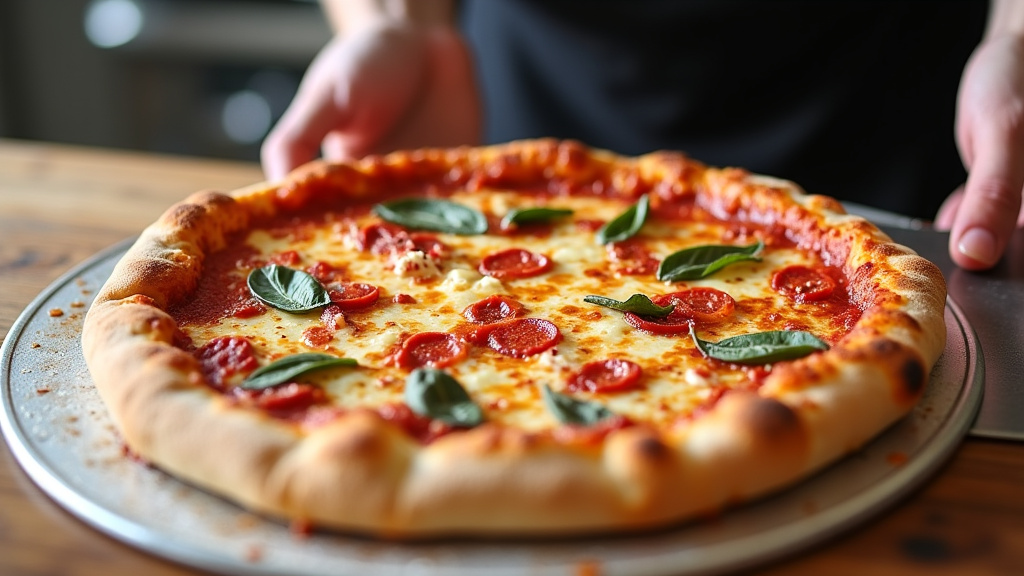
The Dreaded Damp Peel: Moisture is the Enemy
You’ve heard it before, but it bears repeating: your peel needs to be dry. A slightly damp peel is a recipe for disaster. Dough loves moisture, and a damp surface gives it something to cling to. It’s like trying to stick a sticker onto a wet window – it adheres easily.
Where Does the Dampness Come From?
Dampness can creep in from a few places. Did you just wash your peel? Make sure it’s completely dry before using it. Are you working in a humid environment? That can also add moisture. Even residual moisture from the dough can transfer if you’re not careful. A quick wipe-down with a dry cloth is always a good idea before dusting.
We found that storing your peel properly is also important. Don’t store it in a damp place. Ensure it’s completely dry after cleaning and store it in a dry environment. If you’re using a wooden peel, avoid soaking it in water. Treat it like a cutting board – clean, dry, and occasionally oil it.
Checking for Moisture
Before you slide your pizza onto the peel, give it a good look and feel. Does it look shiny or feel damp anywhere? If so, dry it thoroughly. A simple way to check is to rub your finger across the surface. If it feels slick or sticky, it’s not dry enough. A quick pat-down with a clean towel can work wonders.
Some people even recommend briefly heating their peel before dusting. A few seconds in a hot oven can ensure it’s bone dry. This is particularly useful for wooden peels that might absorb ambient moisture. Just be careful not to overheat it, especially if you have a lot of flour on it – nobody wants a flour fire!
Pre-Launch Checklist: A Quick Summary
Preventing pizza from sticking is all about preparation and technique. Before you launch your next masterpiece, run through this quick checklist:
- Ensure your peel is completely dry.
- Generously but evenly dust the peel with cornmeal or flour.
- Don’t overload your pizza with too many or too wet toppings.
- Leave a clean border around the edge of your pizza.
- Work quickly once the pizza is assembled on the peel.
- Use a confident, swift motion to launch the pizza.
Conclusion
You’ve got this! Sticking pizza is no longer your kitchen nemesis. By mastering your peel’s surface with the right dusting agent and amount, managing your dough’s moisture, and avoiding overloaded pies, you’re set for success. Remember, a dry peel and a quick, confident launch are your secret weapons. Don’t be afraid to experiment with cornmeal or a flour blend to find your perfect slide. Go ahead, build that dream pizza and launch it with pride!
Frequently Asked Questions
What’s the best dusting agent to prevent sticking?
Many bakers swear by cornmeal for its coarser texture, which acts like tiny ball bearings. A blend of fine cornmeal and semolina flour also works wonders. While all-purpose flour can work, it’s more prone to getting gummy.
How much flour or cornmeal should I use on my peel?
You need just enough to create a thin, even layer. Too little and it’ll stick; too much can burn and taste bitter. A light sprinkle that you can barely see is usually perfect.
My dough is really wet, what can I do?
For wetter doughs, be generous with your dusting agent – don’t be shy with cornmeal! Prepare all your toppings beforehand so you can assemble and launch very quickly. A fast, decisive motion is your best defense.
Can I use parchment paper to launch my pizza?
Yes, parchment paper is a fantastic foolproof method, especially for very wet doughs! You can assemble your pizza on it, slide it into the oven, and then carefully pull the parchment out once the pizza is set. Some purists might disagree, but it works!
Is a wooden peel better than a metal one for preventing sticking?
Both can work well, but wooden peels tend to absorb moisture slightly less than metal. The key is ensuring your chosen peel is completely dry and properly dusted, regardless of material.
