Can You Learn to Use a Pizza Oven for the First Time?
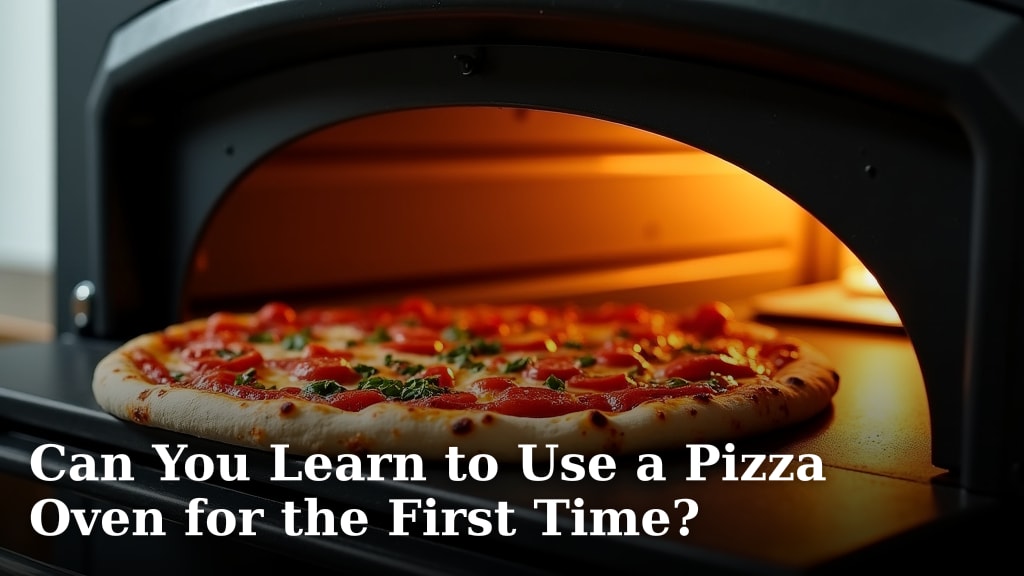
Yes, you can absolutely learn to use a pizza oven for the first time, even if you’re a complete beginner! It’s much simpler than you might think to master delicious homemade pizzas right in your backyard. If you’re looking to cook outdoors, consider our recommendations for the best pizza oven for backyard use.
You might be surprised how quickly you can get the hang of it. Many new pizza oven owners find that with just a little practice, they’re baking perfect pies in no time. We’ve found that patience and a few key tips are all you really need.
- Pizza ovens are beginner-friendly.
- Practice makes perfect (and delicious pizza).
- Key steps make learning easy.
- You can achieve great results quickly.
- Homemade pizza is a rewarding experience.
Ready to fire up that oven? Let’s walk through everything you need to know to get started and become a pizza-making pro.
Getting Started with Your First Pizza Oven
Yes, you can absolutely learn to use a pizza oven for the first time with great success! It’s an exciting journey into delicious homemade pizza.
You might be wondering if it’s really that easy. We’ve seen many beginners become pizza pros quickly. The key is to understand the basics and practice a little.
Understanding Different Pizza Oven Types
Before you even light a match, it helps to know your oven. There are several types of pizza ovens. Each has its own way of heating and cooking.
Knowing your oven type helps you predict its performance. This understanding is the first step to mastering your new appliance.
Wood-Fired Ovens
These are the classic pizza ovens. They use wood for fuel, giving your pizza a unique, smoky flavor. Many consider this the most traditional way to make pizza.
Wood-fired ovens often reach very high temperatures. This high heat cooks pizza in just 1-2 minutes. It gives the crust a perfect char and chew.
Gas Pizza Ovens
Gas ovens are super convenient. They heat up fast and maintain a consistent temperature. You often connect them to a propane tank, much like a gas grill.
These ovens offer excellent temperature control. This makes them a great choice for beginners. You don’t have to manage a fire.
Electric Pizza Ovens
Electric ovens are perfect for indoor use or smaller spaces. They plug into a standard outlet. They are usually more compact than other types.
While they might not reach the extreme temperatures of wood or gas, they still make delicious pizza. They are easy to use and require minimal setup.
Your First Steps: Setup and Safety
Setting up your pizza oven correctly is vital. It ensures both safety and optimal performance. Don’t rush this part!
Always follow the manufacturer’s instructions. This is the best way to prevent issues. A little care here goes a long way.
Site Selection and Placement
Where will you put your pizza oven? Choose a stable, non-combustible surface. Think about clearance from walls or flammable items.
Make sure there’s enough space to work around it. You’ll be moving hot pizza. Safety is always your top priority (National Fire Protection Association).
Pre-Use Seasoning (for Some Models)
Some ovens, especially wood-fired ones, need “seasoning.” This means lighting a few small fires over time. It helps cure the oven’s dome and hearth.
Check your oven’s manual for specific instructions. Skipping this step can sometimes cause cracks. A well-seasoned oven lasts longer.
Mastering the Heat: Fueling Your Oven
The right temperature is key to great pizza. Different ovens achieve this in different ways. Getting the heat right is a skill you’ll quickly develop.
Don’t be afraid to experiment a little. Every oven is unique. You’ll soon learn your oven’s “sweet spot.”
Building a Fire (Wood-Fired Ovens)
For wood-fired ovens, start with small pieces of kindling. Gradually add larger pieces of hardwood. Oak, maple, or apple wood are good choices.
Aim for a rolling flame on one side of the oven. This creates an even heat across the dome and hearth. Monitor the temperature with an infrared thermometer.
Preheating Gas and Electric Ovens
Gas and electric ovens are much simpler. Just turn them on to the desired temperature. They typically have a built-in thermometer.
Allow plenty of time for the oven to preheat. The pizza stone needs to be scorching hot. This is essential for a crispy crust.
Your First Pizza: The Learning Experience
Ready for the main event? Your first pizza might not be perfect. And that’s okay! It’s all part of the learning process.
Think of it as an adventure. Each pizza teaches you something new. Soon, you’ll be baking like a seasoned pizzaiolo.
Dough Preparation (Keep it Simple)
For your first go, consider using pre-made dough. It removes one variable. Focus on handling and cooking techniques.
Stretch your dough gently. Avoid tearing it. A little flour on your peel helps prevent sticking.
Topping Smartly
Less is more, especially for your first pizza. Too many toppings can make the pizza soggy. They can also make it harder to transfer.
Start with a simple Margherita. Sauce, fresh mozzarella, and basil. This classic allows you to focus on the crust.
Launching Your Pizza
This can be the trickiest part. Flour your pizza peel generously. Quickly slide the pizza from the peel into the hot oven.
A swift, confident motion is best. Don’t hesitate! If it sticks, gently lift an edge and add more flour underneath.
| Oven Type | Fuel Source | Average Cook Time | Temperature Control |
|---|---|---|---|
| Wood-Fired | Hardwood Logs | 1-2 minutes | Manual, requires practice |
| Gas | Propane/Natural Gas | 3-5 minutes | Dial/Thermostat |
| Electric | Electricity | 5-8 minutes | Dial/Thermostat |
Cooking and Turning Your Pizza
Pizza ovens cook incredibly fast. Especially wood and gas ovens. You’ll need to watch your pizza closely.
Turning the pizza ensures even cooking. This prevents one side from burning. It’s a crucial step for a perfectly cooked crust.
The Rapid Cook Time
In a hot oven, pizza cooks in minutes. The high heat blisters the crust. It melts the cheese quickly.
Stay near the oven. Don’t walk away, even for a second. That perfect pizza can turn into a burnt disc in a flash!
Using the Turning Peel
After about 30-60 seconds, use a turning peel. Slide it under the pizza. Rotate the pizza 90-180 degrees.
This exposes all parts of the crust to the radiant heat. You might need to turn it a few times. Look for even browning.
Troubleshooting Common Beginner Issues
Don’t get discouraged if your first few pizzas aren’t perfect. We all start somewhere! Common issues are easy to fix.
Most problems come down to heat management or dough handling. You’ll quickly learn how to adjust.
Pizza Sticking to the Peel
This is a classic beginner’s dilemma. Usually, it means not enough flour or semolina on the peel. Or you took too long to launch.
Try stretching your dough on a lightly floured surface. Then quickly transfer it to a well-floured peel. Add toppings fast. Launch fast.
Burnt Crust, Raw Middle
This often happens if the oven is too hot. Or the pizza stone isn’t evenly heated. Your oven’s heat might be inconsistent.
Try lowering the temperature slightly. Also, make sure the pizza stone has fully preheated. Sometimes, it needs an extra 10-15 minutes.
Pizza Not Browning Enough
If your crust isn’t browning, your oven might not be hot enough. Or it could be losing heat too quickly.
Ensure your oven has reached its target temperature. Keep the door or opening clear. Use good quality fuel for wood-fired ovens.
Your Pizza Oven Learning Checklist
Here’s a quick checklist to help you on your journey. These steps will guide you to success.
- Read your oven’s manual thoroughly.
- Set up your oven in a safe, clear area.
- Preheat your oven and stone sufficiently.
- Use quality, simple dough for your first tries.
- Don’t overload your pizza with toppings.
- Watch your pizza constantly during cooking.
- Practice launching and turning your pizzas.
- Clean your oven after each use (when cool).
The Joy of Homemade Pizza
Using a pizza oven for the first time is a rewarding experience. There’s nothing quite like a fresh, hot pizza from your own oven.
You’ll get better with every pizza you make. Don’t strive for perfection initially. Aim for enjoyment and learning.
Soon, you’ll be experimenting with different flours, sauces, and toppings. You’ll be hosting pizza parties. And your friends will be amazed.
This journey into pizza making is more than just cooking. It’s about creating memories. It’s about sharing delicious food.
Conclusion
You’ve seen that learning to use a pizza oven for the first time is absolutely achievable. It’s a journey that combines a little bit of technical understanding with a lot of fun and experimentation. By starting with the basics, understanding your oven, and practicing your techniques, you’ll quickly move from beginner to backyard pizzaiolo.
Don’t let the initial learning curve intimidate you. Every perfectly browned crust and melted cheese topping will be a testament to your efforts. So, grab your peel, choose your favorite toppings, and start making those incredible homemade pizzas today!
Frequently Asked Questions
How long does it take to get good at using a pizza oven?
Many new users find they can make great pizzas within a few attempts. It often takes a few hours of practice, spread over a couple of cooking sessions, to feel comfortable. Your confidence will grow with each pizza you make.
What’s the most common mistake beginners make with pizza ovens?
The most common mistake is often not allowing the oven and pizza stone to fully preheat. This leads to a soggy crust. Ensure your oven reaches and maintains its target temperature before launching your pizza.
Do I need special tools to use a pizza oven?
While not strictly necessary, a pizza peel (for launching) and a turning peel (for rotating) are highly recommended. An infrared thermometer is also very helpful for checking stone temperature. These tools make the process much easier and safer.
Can I use regular pizza dough in a high-temperature pizza oven?
Yes, you can. However, many find that dough designed for high heat (often with a slightly lower hydration) performs best. Starting with a good quality store-bought or pre-made dough is a great way to begin.
Is it expensive to run a pizza oven?
The cost varies significantly by oven type and fuel. Gas and electric ovens have predictable energy costs. Wood-fired ovens require purchasing or sourcing hardwood, which can add to the running expense depending on your location and usage frequency.