Which Is Better Electric or Propane Pizza Oven?
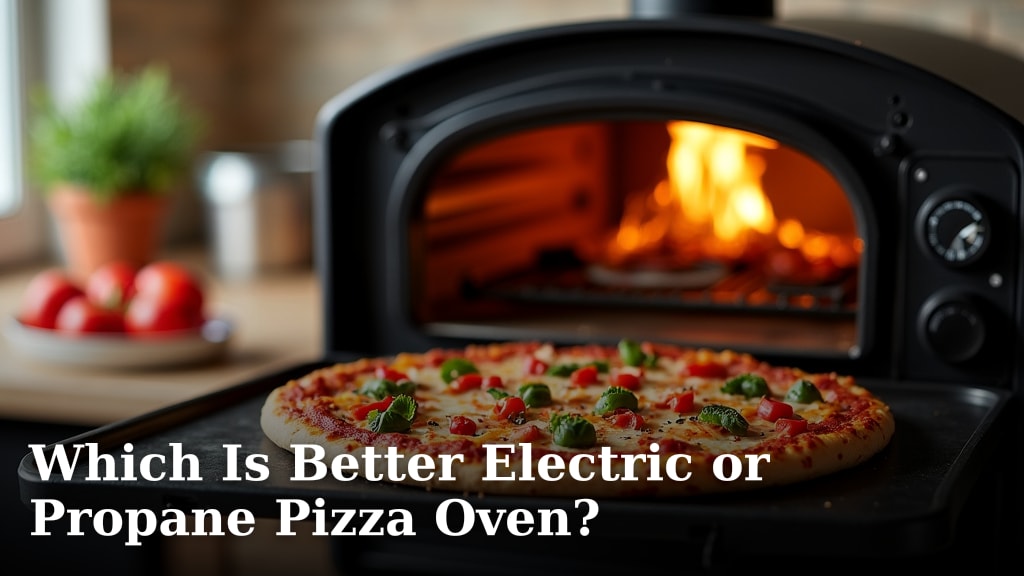
When choosing between an electric or propane pizza oven, propane often wins for versatility and speed, especially for authentic Neapolitan-style pizza. However, electric ovens offer convenience and consistent results for many home cooks. The best choice really depends on your priorities for cooking pizza.
You’re looking for a great pizza experience, right? We understand the desire for that perfect, crispy crust and bubbly cheese. We found that propane ovens heat up faster and reach higher temperatures, which is key for traditional pizza. On the other hand, electric models are easier to use indoors and require less fuss.
- Propane ovens are faster and hotter, ideal for authentic pizza.
- Electric ovens offer convenience and consistent indoor use.
- Consider where you’ll be cooking most often.
- Think about desired cooking time and heat levels.
Let’s dive into the specifics of each type of oven. We’ll help you figure out which one is the perfect fit for your pizza-making adventures.
Comparing Electric vs. Propane Pizza Ovens
You’re ready to make delicious pizza at home, and choosing the right oven is your first big decision. Let’s break down how electric and propane pizza ovens stack up against each other.
Each type offers distinct advantages, depending on what you value most in your cooking experience.
Understanding Propane Pizza Ovens
Propane ovens are often the go-to for serious pizza enthusiasts. They bring a lot to the table, especially if you’re chasing that authentic pizzeria taste.
Speed and Temperature Capabilities
One of the biggest draws of a propane pizza oven is its ability to get incredibly hot, very quickly. We found that many propane models can reach temperatures upwards of 900°F (480°C) in about 15-20 minutes.
Why does high heat matter? For a true Neapolitan-style pizza, you need extreme heat to cook the crust rapidly, creating that signature puffy, charred edge and a perfectly cooked interior (Pizza Today Magazine).
This quick cooking time means you can churn out pizzas in as little as 60-90 seconds once the oven is hot. Imagine hosting a pizza party where everyone gets a fresh, hot pie in under two minutes!
Authenticity and Flavor
Many pizza aficionados argue that propane ovens offer a more authentic cooking experience. The intense heat mimics traditional wood-fired ovens, allowing the crust to crisp quickly while keeping the toppings fresh and vibrant.
While propane doesn’t impart a smoky flavor like wood, its high, even heat creates a similar crust texture that’s hard to replicate with lower temperatures. It’s about the heat, not just the fuel, that gives that special touch.
Portability and Outdoor Use
Most propane pizza ovens are designed for outdoor use. They’re often compact and many come with foldable legs, making them quite portable.
This means you can easily take your pizza-making skills to a backyard barbecue, a camping trip, or a friend’s house. Just remember to bring your propane tank!
Outdoor use also means you don’t have to worry about heating up your kitchen. You can enjoy the fresh air while you cook.
Exploring Electric Pizza Ovens
Electric pizza ovens appeal to a different kind of pizza maker. They prioritize convenience and consistency, often fitting more seamlessly into an indoor kitchen setup.
Convenience and Ease of Use
Electric ovens are incredibly user-friendly. Just plug them in, set the temperature, and wait. There’s no need to connect gas lines or manage fuel tanks.
They often feature precise temperature controls and built-in timers, making it easier to get consistent results every time. This consistency can be a real plus if you’re new to pizza making.
Cleaning is also generally simpler, with no soot or ash to worry about.
Temperature Range and Cooking Time
While electric ovens can’t typically reach the extreme temperatures of propane models, they still get plenty hot for excellent pizza. We found many models reach temperatures between 600-800°F (315-425°C).
This temperature range is perfectly adequate for many types of pizza, including New York-style or thin-crust varieties. Cooking times are usually longer than propane, often 4-8 minutes per pizza.
The slightly longer cooking time can also be beneficial, allowing cheese to bubble and brown more evenly without burning the crust.
Indoor Operation and Safety
One of the biggest advantages of electric pizza ovens is their suitability for indoor use. They don’t produce combustion byproducts, so you can safely use them in your kitchen.
This is a huge benefit if you live in an apartment, have limited outdoor space, or simply prefer to cook indoors. No need to worry about the weather impacting your pizza night.
They also tend to be smaller, making them easier to store on a countertop or in a cabinet when not in use.
Comparing Key Factors: Electric vs. Propane
To help you decide, let’s look at a head-to-head comparison of the most important aspects. Think about what truly matters to your pizza-making style.
| Feature | Propane Pizza Oven | Electric Pizza Oven |
|---|---|---|
| Max Temperature | Up to 950°F (510°C) | Up to 800°F (425°C) |
| Heat-up Time | 15-20 minutes | 20-30 minutes |
| Pizza Cook Time | 60-90 seconds | 4-8 minutes |
| Fuel Source | Propane tank | Electricity (wall outlet) |
| Portability | High (designed for outdoor use) | Moderate (can be countertop) |
| Indoor Use | No (outdoor only) | Yes (safe for kitchens) |
| Authenticity | High (Neapolitan-style crust) | Good (consistent bakes) |
| Cost of Fuel | Varies by tank refills | Varies by electricity rates |
Cost Considerations for Your Pizza Oven
Beyond the initial purchase price, there are ongoing costs to consider. Both types of ovens have expenses associated with their operation.
Initial Purchase Price
The upfront cost for both electric and propane pizza ovens can vary widely. We found that entry-level models for both types start around $300-$400, while high-end options can easily exceed $1000.
Generally, you can find a good quality propane oven that reaches very high temperatures at a slightly lower price point than a comparable high-heat electric model. However, this isn’t always the case.
It’s always a good idea to set a budget and research models within that range.
Operating Costs (Fuel/Electricity)
For propane ovens, your operating cost comes down to the price of refilling your propane tank. A standard 20lb tank might give you anywhere from 10-20 hours of cooking time, depending on the oven’s efficiency and how hot you run it.
Electric oven operating costs depend on your local electricity rates and how much power the oven draws. We found that a typical electric pizza oven might consume 1500-2000 watts per hour. This cost is usually less noticeable than buying a whole tank of propane.
Over time, the cost differences might balance out, or one might be slightly cheaper depending on your usage habits and local utility prices.
Safety and Ventilation Requirements
Safety is paramount when operating any high-heat appliance. Both electric and propane ovens have specific guidelines you should follow.
Propane Oven Safety
Propane ovens are strictly for outdoor use. Operating them indoors can lead to a dangerous buildup of carbon monoxide, which is odorless and colorless. This is a serious health risk (CDC).
Always ensure your propane tank is properly connected and there are no leaks. Store tanks outdoors in a well-ventilated area, away from direct sunlight or heat sources.
Keep the oven away from flammable materials like curtains, dry grass, or overhanging branches. Always use it on a stable, non-combustible surface.
Electric Oven Safety
Electric ovens are generally safer for indoor use since they don’t produce open flames or combustion gases. However, they still generate significant heat, so proper ventilation is important.
Using an electric oven under a range hood can help dissipate heat and any cooking odors. Ensure you have a dedicated circuit if the oven draws a lot of power, to prevent tripping breakers.
Always place electric ovens on a stable, heat-resistant surface, away from anything that could melt or catch fire. Remember, they get hot to the touch!
Which Pizza Oven is Right for You? A Quick Checklist
To help you make your final decision, ask yourself these questions. Your answers will guide you toward the best choice for your home and lifestyle.
- Do you prioritize authentic, Neapolitan-style pizza with a super-fast cook time?
- Will you primarily use your oven outdoors, or do you have adequate outdoor space?
- Is convenience, consistency, and indoor use more important for your cooking habits?
- Are you comfortable managing propane tanks and connecting gas lines?
- How quickly do you need to cook pizzas, and how many will you make at once?
- What’s your budget for both the initial purchase and ongoing fuel costs?
Conclusion
Choosing between an electric or propane pizza oven boils down to your specific needs and priorities. If you crave blazing fast cook times and authentic Neapolitan-style results outdoors, a propane oven is likely your perfect match. However, if convenience, indoor use, and consistent, slightly longer bakes are what you’re after, an electric model will serve you beautifully. Consider your space, budget, and desired pizza style, then confidently select the oven that brings the most joy to your pizza-making journey.
Frequently Asked Questions
Can I use a propane pizza oven indoors with proper ventilation?
No, you should never use a propane pizza oven indoors, regardless of ventilation. These ovens produce carbon monoxide, which is extremely dangerous in enclosed spaces. They are designed and certified for outdoor use only to ensure your safety.
Do electric pizza ovens consume a lot of electricity?
Electric pizza ovens typically consume a fair amount of power, often between 1500-2000 watts, similar to other high-wattage kitchen appliances like toasters or air fryers. While they draw significant power when heating up and maintaining temperature, the overall cost depends on your local electricity rates and how frequently you use it.
Which type of pizza oven is better for beginners?
For beginners, an electric pizza oven often offers an easier learning curve due to its precise temperature control and simpler operation. There’s no gas tank management, and the slightly longer cook times allow for more forgiveness. Propane ovens require a bit more practice to master the high heat and quick turns.
Can I make different types of pizza in both electric and propane ovens?
Yes, you can make various pizza styles in both. Propane ovens excel at Neapolitan and other high-heat, quick-cook styles. Electric ovens are excellent for New York-style, thin crust, or even frozen pizzas, providing consistent baking. The key is adjusting your cooking times and temperatures to suit the oven’s capabilities.
Are there hybrid pizza ovens that use both electric and propane?
While less common, some manufacturers offer hybrid pizza ovens that can run on either propane or natural gas, and some higher-end models might integrate an electric element for certain functions. However, a single oven that seamlessly switches between electric power and propane for the main heat source is rare. Most users choose one primary fuel type.