Is It Worth Buying Electric or Propane Pizza Oven?
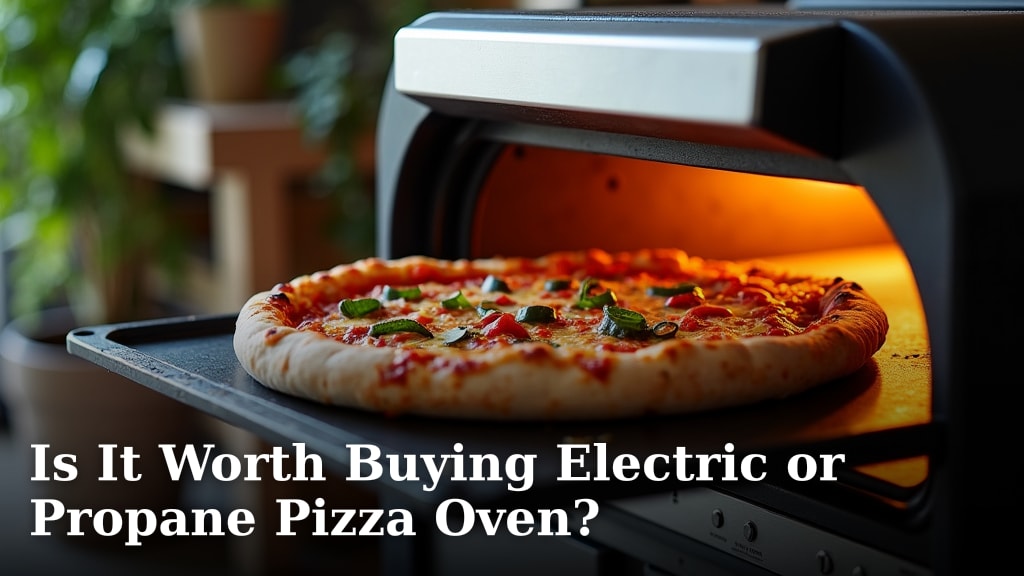
When asking, “Is it worth buying an electric or propane pizza oven?”, we found that both are excellent choices, but for different reasons. Your ideal oven depends on your cooking style and priorities. Most people choose based on convenience versus authentic flavor.
Choosing between an electric or propane pizza oven boils down to where you plan to use it and what kind of pizza you crave. Each type offers unique benefits and drawbacks. Thinking about your budget and space is also very important.
- Propane ovens offer authentic, high-heat cooking.
- Electric ovens are convenient and easy to use indoors.
- Consider your cooking space: indoors or outdoors.
- Think about your desired pizza crust and cook time.
- Budget and portability are also key factors.
Let’s dive deeper into what makes each type of pizza oven shine, so you can make the best choice for your pizza nights.
Propane vs. Electric Pizza Ovens: What’s Right for You?
Deciding between a propane and an electric pizza oven often comes down to your cooking style and where you plan to use it. Both types offer unique advantages for making delicious pizza.
Propane Pizza Ovens: The High-Heat, Authentic Choice
Propane pizza ovens are fantastic for achieving that authentic, Neapolitan-style pizza. They get incredibly hot, very quickly. You can often reach temperatures upwards of 900°F (482°C).
Speed and Temperature of Propane Ovens
One of the biggest draws of a propane oven is its speed. At these high temperatures, your pizza can cook in as little as 60-90 seconds. This rapid cooking time creates a perfectly crisp crust with a chewy interior. It also gives you those coveted leopard-spotted char marks on the crust.
This intense heat isn’t just for speed; it also helps cook toppings quickly and evenly. Think about how fast a professional pizzeria operates. Many use similar high-heat ovens.
Flavor Profile and Versatility of Propane Ovens
Propane ovens often impart a slightly smoky flavor to your pizza. This is especially true if they use a combination of propane and wood pellets. Even pure propane models provide a distinct taste that many pizza enthusiasts love.
Beyond pizza, many propane ovens are versatile. You can roast vegetables, bake bread, or even sear meats in them. Their high heat makes them useful for various outdoor cooking adventures.
Portability and Outdoor Use of Propane Ovens
Most propane pizza ovens are designed for outdoor use. They’re often compact and relatively lightweight, making them quite portable. This means you can take your pizza oven to tailgates, camping trips, or backyard parties.
You’ll need to connect them to a standard propane tank, like the one you use for your grill. Always ensure you have enough propane for your cooking session. Running out mid-pizza isn’t fun!
Drawbacks of Propane Ovens
While great, propane ovens have a few downsides. They can be a bit trickier to master due to the high heat. You need to turn your pizza frequently to prevent burning. Also, they are strictly for outdoor use due to carbon monoxide risks (CDC).
You also need to manage propane tanks, which means refilling or exchanging them. This adds a little more effort compared to plugging something into an outlet.
Electric Pizza Ovens: The Convenient Indoor Solution
Electric pizza ovens are the champions of convenience. They’re perfect if you want to make great pizza without going outside or dealing with fuel sources.
Ease of Use and Consistency of Electric Ovens
Electric ovens are incredibly user-friendly. Just plug them in, preheat, and bake. There’s no gas to connect or flames to manage. This makes them ideal for beginners or those who prefer a simpler cooking experience.
They offer very consistent temperatures. This means less guesswork and more predictable results. You can set the temperature and trust that it will maintain it throughout your bake.
Temperature Range and Cooking Style of Electric Ovens
Electric pizza ovens typically reach temperatures between 600°F and 850°F (315°C – 450°C). While not as hot as some propane models, this is still much hotter than a standard home oven. This range is excellent for New York-style or Roman-style pizzas, which benefit from a slightly longer, more even bake.
Your pizza will often cook in 3-6 minutes, which is still very fast. You’ll get a beautifully crisp crust and thoroughly cooked toppings. These ovens are designed to replicate professional results indoors.
Indoor Use and Safety of Electric Ovens
One of the biggest advantages of electric ovens is their ability to be used indoors. This means you can enjoy fresh pizza no matter the weather. They don’t produce open flames or harmful emissions, making them safe for kitchen countertops.
Think about how nice it is to make pizza in your warm kitchen during a snowstorm. Or to easily clean up right where you cooked. It’s a huge convenience factor for many households.
Drawbacks of Electric Ovens
The main drawback of electric ovens is their lower maximum temperature compared to propane. If you’re chasing that super-fast, blistered Neapolitan crust, an electric model might not get you there. They also lack the subtle smoky flavor that some propane ovens provide.
Portability is also limited, as you need a power outlet. Most are designed to stay on a countertop, so they aren’t great for taking to outdoor gatherings.
Key Factors to Consider for Your Pizza Oven Purchase
To help you decide, let’s break down some important considerations. Thinking about these points will guide you to the right choice.
Your Cooking Space: Indoor vs. Outdoor
Where do you plan to make pizza most often? This is arguably the most crucial question. If you dream of making pizza on your patio or balcony, propane is your friend. If you want a kitchen appliance, electric is the way to go.
Desired Pizza Style and Flavor Profile
Do you love super-fast, charred Neapolitan pizzas? Then the higher heat of propane is probably what you need. If you prefer a slightly chewier crust with a consistent bake, an electric oven will deliver. Do you want a hint of smokiness, or a clean, pure flavor?
Budget and Ongoing Costs
The initial cost of electric and propane ovens can vary widely. We found that many entry-level models for both types are similarly priced. However, consider the ongoing costs. Propane tanks need refills, while electric ovens simply add to your utility bill. Often, the cost difference isn’t huge.
Learning Curve and Maintenance
Are you comfortable managing a live flame and turning your pizza frequently? Propane ovens can require a bit more attention during cooking. Electric ovens are generally more “set it and forget it” (until it’s time to turn the pizza).
| Feature | Propane Pizza Oven | Electric Pizza Oven |
|---|---|---|
| Max Temperature | Up to 900°F (482°C) | Up to 850°F (450°C) |
| Cooking Time (Pizza) | 60-90 seconds | 3-6 minutes |
| Recommended Use | Outdoor only | Indoor (countertop) |
| Flavor Imparted | Authentic, sometimes smoky | Clean, consistent |
| Ease of Use | Moderate (requires attention) | High (plug & play) |
| Fuel/Power | Propane tank | Electricity (outlet) |
| Portability | High (can move outdoors) | Low (needs outlet) |
Making Your Final Decision: A Quick Checklist
Before you commit, run through this simple checklist. It can help solidify your choice and ensure you’re happy with your purchase.
- Will you primarily cook pizza indoors or outdoors?
- How important is authentic, high-heat Neapolitan-style pizza to you?
- Are you comfortable managing propane tanks and an open flame?
- Do you prioritize ease of use and consistent results?
- What’s your budget for the oven and ongoing fuel costs?
- How often do you plan to make pizza?
Conclusion
Choosing between an electric or propane pizza oven ultimately comes down to your personal pizza priorities. We’ve seen that both offer fantastic ways to make great pizza at home. Propane shines for authentic, super-fast outdoor cooking, while electric provides unmatched indoor convenience and consistency.
Think about your space, your desired pizza style, and how much hands-on cooking you prefer. Once you weigh these factors, you’ll clearly see which oven aligns best with your pizza-making dreams. Get ready to enjoy delicious homemade pizza!
Frequently Asked Questions
Can I use an electric pizza oven outdoors?
Generally, electric pizza ovens are designed for indoor use. They need a consistent power source and aren’t built to withstand outdoor elements like rain or extreme temperatures. Always check the manufacturer’s guidelines for safe operation.
Are propane pizza ovens difficult to clean?
Cleaning a propane pizza oven usually involves brushing the stone and wiping down the interior. Since they reach very high temperatures, much of the food residue burns off. Regular brushing after use keeps them in good condition.
Do electric pizza ovens make pizza taste as good as propane?
Electric pizza ovens can make incredibly delicious pizza with crispy crusts and perfectly cooked toppings. While they might not impart the subtle smoky flavor sometimes found in propane ovens, their consistent heat provides excellent results. The “best” taste is often a matter of personal preference.
How much does it cost to run each type of oven?
The running cost depends on local utility prices and propane costs. A standard propane tank can last for several hours of cooking, while an electric oven will add to your electricity bill. For most home users, the cost difference per pizza is usually minimal.
Can I cook other foods in a pizza oven besides pizza?
Yes, many pizza ovens are quite versatile! Propane ovens, with their high heat, are great for searing meats, roasting vegetables, and even baking bread. Electric models are also suitable for various baked goods and dishes that benefit from high, consistent heat.