How Do You Choose Between 12 Inch or 16 Inch Pizza Oven?
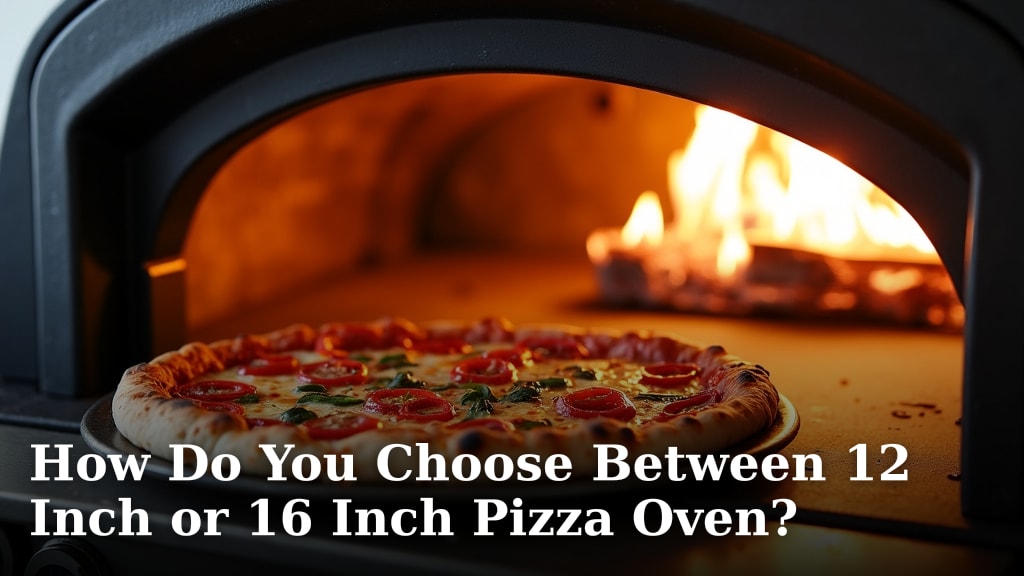
Choosing between a 12-inch or 16-inch pizza oven usually comes down to your cooking needs and available space. A 12-inch oven is great for smaller households and portability, while a 16-inch oven offers more versatility for entertaining and larger pizzas.
You’ll want to think about how many people you typically cook for and what kind of pizzas you enjoy making. Consider if you value quick heating or more cooking surface. Each size has its own perks depending on your lifestyle.
- 12-inch ovens are ideal for couples or small families.
- 16-inch ovens suit larger gatherings and diverse recipes.
- Think about your outdoor space and storage options.
- Consider if you need to cook more than just pizza.
Let’s walk through everything you need to know about each size so you can make the best choice for your home.
Deciding Between a 12-Inch or 16-Inch Pizza Oven
You’re ready to dive into the wonderful world of homemade pizza, but a big question looms: 12-inch or 16-inch oven? This choice impacts everything from your cooking style to how often you’ll host pizza parties. Let’s break down the key differences so you can pick the perfect fit for your pizza passion.
Understanding the Dimensions and What They Mean for You
When we talk about a “12-inch” or “16-inch” pizza oven, we’re primarily referring to the maximum diameter of the pizza it can cook. But this measurement also hints at the oven’s overall footprint, heating capacity, and even its fuel consumption. It’s more than just pizza size; it’s about your entire cooking experience.
The 12-Inch Pizza Oven: Agile and Efficient
A 12-inch oven is often considered the entry point for many home pizza makers. It’s a fantastic option if you’re looking for something compact and quick to heat. You’ll find these ovens are generally more portable, making them great for tailgate parties or camping trips.
- Portability: Much easier to move and store.
- Heating Time: Reaches high temperatures faster.
- Fuel Efficiency: Uses less fuel per pizza.
- Space-Saving: Takes up less counter or patio space.
The 16-Inch Pizza Oven: Room for More
Stepping up to a 16-inch oven opens up new possibilities. This size is all about versatility and capacity. If you love to entertain or have a larger family, the extra space can be a game-changer. You’re not just limited to bigger pizzas; you can cook other dishes too.
- Larger Pizzas: Cook pizzas big enough for sharing.
- More Capacity: Often fits multiple smaller items at once.
- Versatility: Better for roasting vegetables, searing steaks, or baking bread.
- Heat Retention: Tends to hold heat more consistently over time due to larger mass.
Your Lifestyle and Pizza Preferences: Key Deciding Factors
Your personal habits and how you plan to use the oven are crucial. Are you a solo chef, or do you have a revolving door of guests? Do you prefer classic Neapolitan-style pizzas, or do you dream of big, New York-style slices? Let’s explore these questions.
How Many People Do You Usually Feed?
This is probably the most straightforward question to ask yourself. The number of hungry mouths you typically serve will heavily influence your decision.
Cooking for 1-2 People: The 12-Inch Advantage
If it’s just you, you and a partner, or a small family, a 12-inch oven is often ideal. You can easily make individual pizzas tailored to everyone’s tastes without wasting space or fuel. We found that for quick weeknight dinners, the 12-inch model excels because of its speed and efficiency.
You’ll spend less time waiting for the oven to heat up and less time fussing over multiple large pizzas. Plus, you won’t feel like you’re firing up a commercial kitchen just for two personal pies.
Cooking for 3+ People or Entertaining: The 16-Inch Sweet Spot
Planning pizza night for a family of four or regularly hosting friends? The 16-inch oven becomes much more appealing. A 16-inch pizza offers significantly more surface area than a 12-inch one. For instance, a 16-inch pizza has about 201 square inches, while a 12-inch pizza has only about 113 square inches. That’s nearly twice the pizza!
This means fewer baking cycles and more time enjoying the party. You can keep the pizzas coming without anyone waiting too long. It’s perfect for when you want to make a statement with a truly shareable pie.
What Kind of Pizzas Do You Love to Make?
The style of pizza you prefer can also guide your choice. Some pizza styles benefit more from one size over another.
Neapolitan and Personal Pizzas: 12-Inch Reigns Supreme
If you’re obsessed with classic Neapolitan pizzas, known for their slightly smaller, single-serving size, a 12-inch oven is perfect. These ovens often achieve the blistering hot temperatures needed for that perfect, airy crust and leopard-spotted bottom. Many traditionalists find that a smaller cooking chamber helps maintain consistent heat for this specific style (Culinary Institute of America).
New York, Chicago, or Large Specialty Pizzas: 16-Inch is Your Friend
Dreaming of those massive New York slices that flop just right? Or maybe a deep-dish Chicago-style pie? For these larger, often thicker pizzas, a 16-inch oven gives you the room you need. You won’t have to squish or compromise the shape of your pizza, allowing for a more authentic experience.
Space and Practicality: Beyond Just the Pizza
It’s not just about the food; it’s about how the oven fits into your life and your home. Consider your available space, storage options, and even the “cool factor” you’re aiming for.
Outdoor Space and Storage Considerations
Think about where your pizza oven will live. Do you have a sprawling patio or a cozy balcony? Larger ovens need more room and are less likely to be moved frequently.
| Feature | 12-Inch Pizza Oven | 16-Inch Pizza Oven |
|---|---|---|
| Footprint | Smaller, more compact. | Larger, requires more space. |
| Weight | Generally lighter, easier to move. | Heavier, less portable. |
| Storage | Fits in smaller sheds or garage corners. | Needs dedicated space, less convenient to put away. |
| Setup Time | Quick to set up and take down. | Can be more involved to set up. |
If you have limited space, a 12-inch oven makes a lot of sense. You can often tuck it away when not in use. However, if your pizza oven is a permanent fixture on a spacious patio, a 16-inch model might look more proportional and provide that grand outdoor kitchen feel.
Beyond Pizza: What Else Do You Want to Cook?
While we call them “pizza ovens,” many models are incredibly versatile. You might surprise yourself with what else you can create in them. This is where the 16-inch oven truly shines.
The 12-Inch Oven: Mostly Pizza, Some Small Roasts
A 12-inch oven is primarily designed for pizza. You can certainly roast smaller vegetables, bake some flatbreads, or even sear a small steak if the cooking surface allows. However, its confined space means you’ll be limited to single servings or smaller dishes. It’s a pizza specialist.
The 16-Inch Oven: A True Outdoor Kitchen Workhorse
The additional space in a 16-inch oven opens up a world of culinary possibilities. We’ve seen home chefs roast whole chickens, bake artisan bread loaves, sear larger cuts of meat, and even cook casseroles in these ovens. The larger cooking stone and chamber mean you have more room to maneuver and accommodate various bakeware. If you see yourself exploring more than just pizza, the 16-inch oven offers unmatched flexibility.
Making Your Final Decision: A Checklist
Still on the fence? Let’s run through a quick checklist. Be honest with yourself about your answers. This will help clarify which size aligns best with your needs and desires.
- How many people will you typically be feeding on pizza night?
- How much available space do you have for the oven and its accessories?
- Do you prioritize quick heat-up times and portability, or cooking capacity and versatility?
- Are you primarily focused on making personal pizzas, or do you want to cook larger, shareable pies?
- Do you envision using the oven for more than just pizza, such as roasting or baking?
- What’s your budget? Generally, 16-inch ovens come with a higher price tag.
No matter which you choose, you’re in for a treat. The joy of cooking fresh, delicious pizza at home is an experience that both 12-inch and 16-inch ovens deliver. It just depends on what kind of pizza journey you want to embark on.
Conclusion
Your journey to perfect homemade pizza starts with choosing the right oven. Whether you lean towards the nimble 12-inch or the expansive 16-inch model, your decision should align with your lifestyle. Think about how many pizzas you’ll be making and who you’ll be sharing them with. Consider your available space and your culinary ambitions beyond just pizza.
By carefully weighing these factors, you’ll select an oven that brings you years of delicious, wood-fired (or gas-fired) creations. The best choice is the one that fits your unique needs and makes your pizza dreams a reality. Now, go forth and make some amazing pizza!
Frequently Asked Questions
Does a 16-inch pizza oven use a lot more fuel than a 12-inch?
Generally, yes, a 16-inch oven will consume more fuel (gas or wood) because it has a larger cooking chamber to heat. However, it can also cook more at once, potentially making it more fuel-efficient per serving if you’re cooking for a crowd.
Can I cook a 12-inch pizza in a 16-inch oven?
Absolutely! A 16-inch oven can easily accommodate smaller pizzas, including 12-inch ones. You’ll just have more space around the pizza, which can sometimes make turning it easier.
Are 12-inch pizza ovens better for beginners?
Many beginners find 12-inch ovens a great starting point due to their quicker heat-up times and smaller footprint. They’re often less intimidating to operate and manage, allowing you to master the basics before potentially upgrading.
What other foods can I cook in a 12-inch pizza oven besides pizza?
While optimized for pizza, a 12-inch oven can handle smaller items. You can often roast vegetables, cook small flatbreads, or even sear individual steaks if they fit the cooking surface.
Will a 16-inch oven take significantly longer to heat up?
Yes, a 16-inch oven typically requires more time to reach its optimal cooking temperature compared to a 12-inch model. The larger internal volume and heavier construction mean there’s more mass to heat.