Why Is My Pizza Cooking Unevenly?
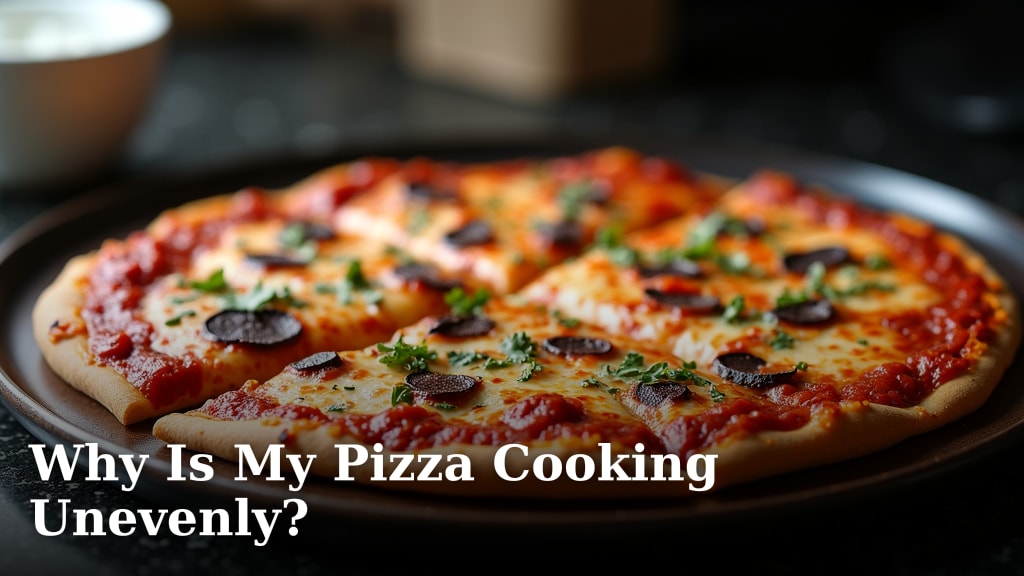
Your pizza is cooking unevenly because of several common culprits. It often comes down to uneven oven temperature, a cold pizza stone or pan, or even the way you built your pizza. We found many home bakers struggle with this frustrating problem.
You’ve preheated, you’ve put in the effort, but your crust is burnt on one side and raw on the other. Or maybe the toppings are cooked perfectly in the middle, but the edges are a mess. It’s enough to make you wonder, "Is it me, or is it my oven?" We found that it’s usually not you. Many factors contribute to these uneven baking woes, and they are usually fixable.
- Oven temperature varies.
- Cold pizza stones don’t work well.
- Pizza assembly affects the bake.
- Dough thickness matters for even cooking.
- Check your toppings distribution.
This guide will help you understand exactly why your pizza isn’t cooking evenly. Let’s get your next homemade pizza perfectly golden and delicious from edge to center.
Common Reasons for Uneven Pizza Baking
If your pizza isn’t cooking evenly, it’s often due to a few common issues. Think of your oven as a nuanced partner in your cooking journey. It has its own quirks and hot spots. Understanding these can transform your pizza-making experience.
The Oven’s Role: Hot Spots and Inconsistent Heating
Your oven might be the primary culprit behind an unevenly cooked pizza. Ovens, even modern ones, rarely heat uniformly. We found that most home ovens have areas that are hotter or colder than others. These invisible zones can wreak havoc on your pizza.
Understanding Oven Temperature Fluctuations
Oven temperatures can swing like a pendulum. You set it to 450°F, but it might cycle between 425°F and 475°F. This is normal to some extent. However, extreme fluctuations can lead to one side of your pizza burning while the other side barely browns. A reliable oven thermometer is your best friend here. It helps you see what’s really happening inside.
The Impact of Convection Settings
Does your oven have a convection setting? Using it can sometimes help distribute heat more evenly by circulating hot air. However, convection can also dry out your pizza or cook it too quickly if you’re not careful. We found that some ovens have very strong convection fans, which can create a wind tunnel effect, causing certain areas to cook faster.
Pizza Stone or Steel Preparation Matters
Many home cooks use a pizza stone or baking steel. These tools are fantastic for achieving a crispy crust. But they need proper preparation. A cold stone or steel won’t cook your pizza evenly. It’s like trying to sear a steak on a cold pan; it just won’t work.
Preheating Your Stone or Steel
We found that adequate preheating is absolutely critical. You need to preheat your oven with the stone or steel inside for at least 45 minutes to an hour. For some thick steels, even longer is better. This allows the heat to fully penetrate and saturate the cooking surface. A well-heated stone acts as a thermal battery, providing an intense burst of heat to your pizza crust.
Placement Within the Oven
Where you place your stone or steel also makes a difference. Most experts recommend placing it on the middle or lower-middle rack. This position often balances the heat from the top (broiler) and bottom (heating element) elements. If your pizza crust is always soggy, try a lower rack. If your toppings are burning, try a higher rack.
The Pizza Itself: Construction and Ingredients
Even if your oven is perfect, how you build your pizza can lead to uneven cooking. Your dough, your sauce, and your toppings all play a part. Think of yourself as an architect, designing a culinary masterpiece. Every component needs to contribute to a balanced bake.
Dough Thickness and Consistency
Is your dough uniformly thick? We frequently see pizzas with thicker edges and a super-thin middle. This can cause the edges to be undercooked and doughy, while the center might burn or become excessively crispy. Aim for an even thickness throughout your crust. This ensures a consistent bake from perimeter to center.
The Moisture Content of Toppings
Too much moisture in your toppings can be a problem. We found that watery vegetables, like mushrooms or bell peppers, can release liquid during baking. This liquid can create a “steam pocket” on your pizza, preventing that area from cooking fully. Consider pre-sautéing high-moisture vegetables or patting them dry before adding them.
Distribution of Toppings
Are you piling all your toppings in one spot? A heavy, dense cluster of toppings will cook much slower than a sparsely topped area. This leads to burned spots and undercooked sections. Distribute your toppings evenly. Less is often more when it comes to pizza. Balance is key (Cook’s Illustrated).
| Issue | Effect on Pizza | Common Fix | Why it Works |
|---|---|---|---|
| Uneven oven heat | One side burnt, another raw. | Use an oven thermometer. Rotate pizza halfway. | Reveals actual oven temp. Evens out heat exposure. |
| Cold pizza stone/steel | Soggy, undercooked bottom crust. | Preheat for 45-60+ minutes. | Allows stone/steel to absorb maximum heat. |
| Thick/uneven dough | Parts doughy, parts crispy/burnt. | Stretch dough to even thickness. | Ensures consistent cooking time across the pizza. |
| Wet, dense toppings | Steamed, soggy spots. Toppings not cooked through. | Pre-cook or pat dry watery toppings. Distribute evenly. | Reduces moisture release. Allows uniform heat penetration. |
| Pizza too close to heat source | Burned top or bottom. | Adjust oven rack position. | Optimizes distance from heating elements. |
Technique and Timing in the Oven
Even with a perfectly built pizza and a hot oven, your technique during baking contributes significantly. It’s not just about sliding it in and waiting. You need to be a little proactive.
Rotating Your Pizza
Because ovens have hot spots, we found that rotating your pizza partway through baking can make a huge difference. After about 5-7 minutes, peek inside. If you notice one side browning faster, carefully rotate the pizza 180 degrees. This exposes all sides to the oven’s varying heat zones.
The Role of Baking Time
Are you baking your pizza for too long or too short a time? Over-baking can lead to dry, burnt spots, while under-baking results in a pale, doughy mess. Use visual cues more than strict time. Look for a golden-brown crust and bubbling, melted cheese. We found that most home pizzas finish between 8-15 minutes, but every oven is different.
Quick Checklist for Even Pizza Baking
Before your next pizza night, run through this quick checklist. These small steps can make a big impact on your results. Remember, perfection takes practice, but these tips will get you closer.
- Use an oven thermometer to verify actual temperature.
- Always preheat your pizza stone or steel for at least 45 minutes.
- Ensure your pizza dough is stretched to a uniform thickness.
- Pat dry or pre-cook high-moisture toppings.
- Distribute toppings thinly and evenly across the pizza.
- Consider rotating your pizza halfway through baking.
Conclusion
Don’t let uneven pizza bakes frustrate you anymore. We found that by understanding your oven’s quirks and thoughtfully preparing your pizza, you can achieve delicious results. Remember to always preheat thoroughly and distribute your toppings wisely. Your technique, from stretching the dough to rotating the pizza, truly makes a difference.
Apply these tips, and you’ll soon be enjoying perfectly cooked pizza from edge to center. Experiment with one change at a time to see what works best for your setup. Your next homemade pizza masterpiece awaits!
Frequently Asked Questions
Why is my pizza dough raw in the middle but cooked on the edges?
This often happens because your dough was too thick in the middle, or your oven temperature was too high. The outside cooks quickly, but heat struggles to penetrate the center. Ensure your dough is uniform in thickness and check your oven’s actual temperature with a thermometer.
Can a dirty oven cause uneven pizza cooking?
Yes, a dirty oven can definitely contribute to uneven cooking. Built-up grease and food particles can absorb heat differently, creating cold spots and hot spots. We found that a clean oven reflects heat more efficiently and evenly.
How do I know if my pizza stone is hot enough?
The best way to tell is by preheating it with your oven for at least 45-60 minutes, or even longer for thicker stones or steels. It should feel radiating hot when you briefly open the oven door. An infrared thermometer can also give you a precise temperature reading.
Should I use parchment paper when baking pizza on a stone?
While parchment paper can make transferring your pizza easier, it creates a barrier between the dough and the hot stone. This can hinder the stone’s ability to transfer direct heat, potentially leading to a less crispy crust. We found it’s generally best to slide the pizza directly onto a well-floured stone or peel.
My pizza toppings burn before the crust is done. What can I do?
This suggests your pizza is too high in the oven, or your oven’s top element is too strong. Try moving your pizza to a lower rack position. You can also loosely tent the pizza with foil during the last few minutes to protect the toppings while the crust finishes baking.