
How to Clean a Pizza Oven Stone?
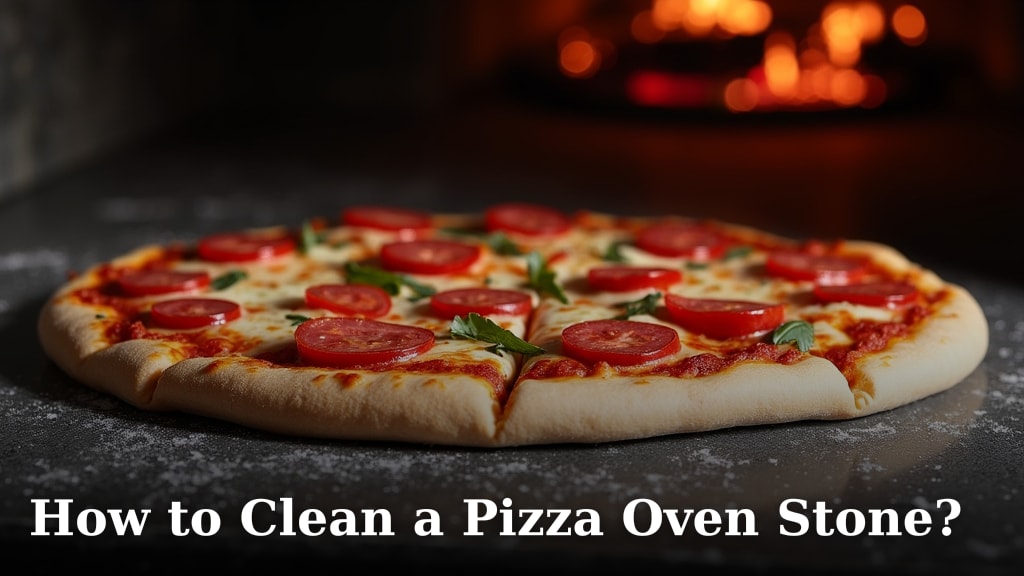
The easiest way to clean a pizza oven stone is to scrape off excess food, then heat the oven to a high temperature to incinerate stubborn residue. You should only wash the stone with warm water occasionally, avoiding soap.
Keeping your pizza stone clean is important for both taste and hygiene. A dirty stone can lead to unpleasant smells and even affect how your pizzas cook. We found that a well-maintained stone lasts longer and cooks better, giving you that perfect crispy crust every time.
- Scrape off loose bits after each use.
- Heat your oven high to burn off stuck-on food.
- Never use soap on your pizza stone.
- Only use water sparingly if needed for tough spots.
- Let the stone dry completely before storing.
Ready to restore your pizza stone to its former glory? Let’s walk through the simple steps to keep it spotless, preserving that delicious pizza flavor you love.
Essential Steps for a Sparkling Pizza Stone
Keeping your pizza stone in top shape is simpler than you might think. A clean stone ensures your pizzas always taste their best, free from lingering flavors of past meals. It also helps with even cooking and prevents smoke.
We’ll guide you through the process, making sure your stone is ready for its next delicious pizza. Remember, regular care goes a long way!
Initial Cleanup After Baking
The moment of truth arrives when your pizza is done. But don’t just walk away! Immediate action can save you a lot of scrubbing later. This step is quick and easy.
Scraping Off Food Residue
As soon as you remove your pizza, take a moment to look at the stone. You’ll usually see some burnt-on cheese or crust bits. Use a pizza peel edge, a blunt metal spatula, or a stiff plastic scraper to gently push these off.
Work while the stone is still warm, but not scorching hot. We found that the warmer the stone, the easier these bits come off. Just be careful not to burn yourself. Avoid using anything sharp that could scratch the surface.
Brushing Away Loose Crumbs
After scraping, you’ll still have some loose crumbs. Grab a dry brush, like a dedicated oven brush or a stiff-bristled kitchen brush. Sweep these crumbs off the stone and out of the oven. This little habit prevents future charring and smoke.
We recommend a brush with natural bristles if possible, as plastic bristles can melt if the stone is too hot.
The Power of Heat: Your Stone’s Best Friend
Sometimes, scraping isn’t enough. Stubborn stains and baked-on food can cling tightly. This is where your oven’s heat becomes your best cleaning tool. It’s a method that works wonders.
Using High Heat for Self-Cleaning
Pizza stones are designed to handle high temperatures. This is a huge advantage when it comes to cleaning. Think of it as a natural purification process.
Heating Your Oven to Max Temperature
After your initial scrape, turn your oven up as high as it can go, typically 500-550°F (260-288°C). Leave the stone inside. Let it heat for at least an hour after it reaches maximum temperature.
This intense heat will carbonize and incinerate any remaining food debris. You might see some smoke, which is normal as the food burns away. Make sure your kitchen is well-ventilated during this process.
We found that this “dry burn” method is incredibly effective for removing even the thickest gunk. Many pizza enthusiasts swear by it for keeping their stones pristine.
Cooling Down Safely
Once the high-heat cycle is complete, turn off your oven. Leave the stone inside to cool down completely, preferably overnight. Rapid temperature changes can cause thermal shock, which can crack your stone (National Fire Protection Association).
Never try to cool a hot stone with water. This is a sure way to ruin it. Patience is key here.
Dealing with Remaining Ash and Debris
After cooling, you’ll likely find a fine layer of ash and powdery residue. This is a good sign – it means the heat worked! Now, it’s time to remove it.
Wiping with a Damp Cloth (Sparingly)
If there’s still some ash, you can use a slightly damp cloth to wipe it away. Make sure the cloth is just barely moist, not dripping wet. Avoid using a soaking wet cloth, as the stone will absorb excess water.
We found that this step is often unnecessary if the high-heat cleaning was thorough. But for those last bits, a damp wipe can help.
The “Don’ts” of Pizza Stone Cleaning
This is arguably the most important section. What you avoid doing to your stone is just as crucial as what you do doing.
Why You Should Avoid Soap and Detergents
This is a rule you should never break. Pizza stones are porous. They act like a sponge, absorbing liquids. If you use soap, the stone will soak it up.
Imagine your next pizza tasting like dish soap – not very appetizing, is it? We found that even a small amount of soap can leave a lasting, unpleasant flavor that’s almost impossible to remove.
Many experts agree: no soap ever (America’s Test Kitchen). Stick to water and heat.
Avoiding Abrasive Tools and Chemicals
Wire brushes, steel wool, harsh chemical cleaners – these are all big no-nos. They can scratch and damage the surface of your stone, making it less effective and potentially causing it to crack.
- Wire brushes: Can leave metal fragments on the stone.
- Steel wool: Scratches the surface, creating uneven spots.
- Chemical cleaners: Will absorb into the stone and make food unsafe.
Your goal is to maintain the smooth, resilient surface of the stone. Stick to gentle scraping and heat.
When to Use Water, and How
While heat is your primary cleaner, there might be rare instances where you need a little water. This should be a last resort and done with extreme caution.
Deep Cleaning for Stubborn Stains
If, after several high-heat cycles, you still have a truly impenetrable stain, a minimal amount of water might be needed. This is not for routine cleaning.
Steps for Water-Based Spot Cleaning
First, make sure your stone is completely cool. Use a stiff nylon brush and a very small amount of warm water. Scrub only the affected area. Avoid soaking the stone.
After scrubbing, wipe the area thoroughly with a dry cloth. Then, and this is crucial, allow the stone to air dry completely for at least 24-48 hours, or even longer. Forcing it to dry can cause cracking.
Once completely dry, we recommend putting the stone back in the oven and running it through a high-heat cycle. This helps evaporate any remaining moisture and sterilize the surface.
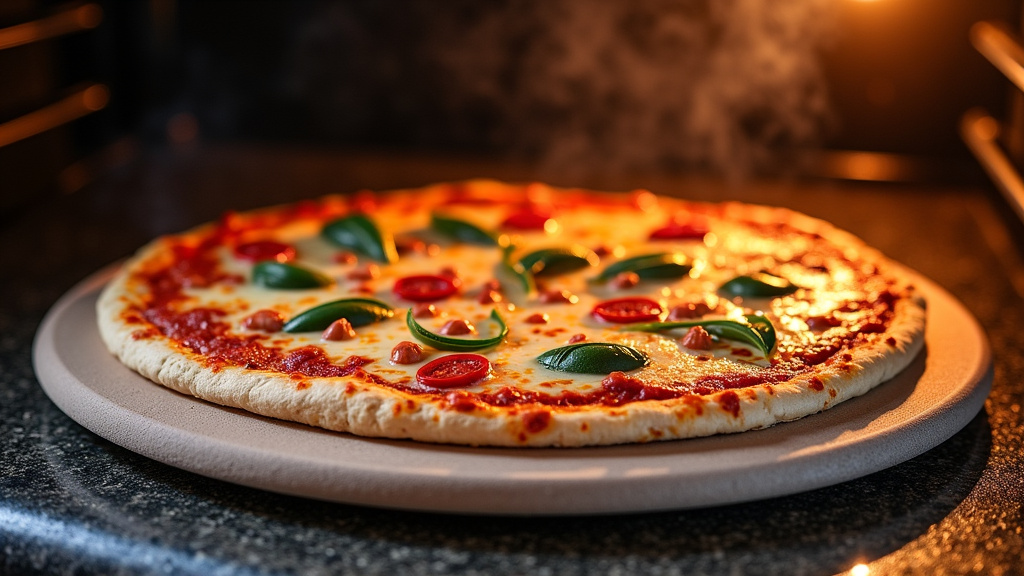
Maintaining Your Pizza Stone: A Checklist
Here’s a quick checklist to help you keep your pizza stone in perfect condition. Follow these simple steps for a long-lasting, high-performing stone.
- Scrape off any food bits immediately after use, while the stone is still warm.
- Brush away loose crumbs after each use.
- Run a high-heat cycle (500-550°F) for an hour or more to burn off tough grime.
- Allow the stone to cool completely in the oven, without rushing the process.
- Wipe away any ash with a clean, dry cloth once cooled.
- Store your dry stone in a safe place to prevent damage.
Understanding Pizza Stone Discoloration
Don’t be alarmed if your pizza stone darkens over time. It’s a natural process and a sign of a well-used, well-loved stone.
That dark, often mottled appearance isn’t dirt. It’s called “seasoning” or “patina.” It develops from the oils and residues that bake onto the stone’s surface over many uses. This dark layer actually helps contribute to better browning and crispier crusts over time.
We found that a seasoned stone often performs better than a brand-new one. So, embrace the dark spots! They tell a story of many delicious pizzas.
Clean vs. Seasoned: What’s the Difference?
It’s important to differentiate between a truly dirty stone and a seasoned one. A dirty stone will have visible food debris, possibly even mold if left damp, and might smoke excessively during use.
A seasoned stone, on the other hand, is clean of loose particles and baked-on grease but has a uniformly darkened color. It won’t smoke excessively, and your food won’t taste off. Think of it like a cast-iron pan – the seasoning is good!
Don’t try to scrub off this seasoning. It’s a badge of honor for any pizza maestro.
Common Pizza Stone Materials and Cleaning Nuances
While the general cleaning principles apply to most pizza stones, there are slight differences depending on the material. Knowing your stone’s material can help you care for it best.
| Stone Material | Characteristics | Cleaning Notes |
|---|---|---|
| Cordierite | Very durable, resistant to thermal shock, popular choice. | Follow general heat/scrape methods. Excellent for high-temp cleaning. |
| Ceramic/Clay | Good heat retention, can be more prone to cracking from thermal shock. | Be extra careful with sudden temperature changes. Allow for very slow cooling. |
| Cast Iron (Pizza Pan) | Extremely durable, excellent heat retention, needs seasoning like skillets. | Can be washed with soap and water, then re-seasoned. Different from porous stones. |
Most pizza stones are made from cordierite due to its superior durability. If you have a different material, just be mindful of its specific properties, especially regarding thermal shock susceptibility.
Conclusion
Keeping your pizza stone clean is surprisingly simple when you know the right methods. By consistently scraping off excess food and letting the oven’s high heat do most of the work, you’ll preserve its quality and flavor for years. Remember, patience with cooling and a strict “no soap” policy are your stone’s best friends. You’ll find that a well-cared-for stone delivers that amazing crispy crust every single time. So go ahead, master these steps, and enjoy countless delicious homemade pizzas!
Frequently Asked Questions
How often should I clean my pizza stone?
You should scrape off loose food bits after every use. For deeper cleaning, run a high-heat cycle in your oven every few uses, or whenever you notice significant baked-on residue. Avoid over-cleaning or scrubbing frequently with water, as this can degrade the stone.
Can I use aluminum foil under my pizza stone to keep it clean?
We don’t recommend using aluminum foil directly under your pizza stone. Foil can interfere with the stone’s heat distribution, preventing it from cooking your pizza evenly and achieving that desired crispy crust. It also negates the stone’s direct radiant heat benefit.
My pizza stone smells burnt after cleaning. Is this normal?
If you used the high-heat method, a slight burnt odor during and immediately after the cleaning cycle is normal as food debris incinerates. Once the stone cools completely, the smell should dissipate. If it persists, ensure all ash and residue have been removed.
What if my pizza stone develops mold from being left wet?
If your pizza stone develops mold, do not use it until it’s properly cleaned. First, scrape off any visible mold. Then, run your oven at its highest temperature (500-550°F) with the stone inside for 1-2 hours to burn off and sterilize any remaining mold spores. Allow it to cool completely afterward.
Will using parchment paper on my pizza stone affect its cleaning or performance?
Using parchment paper can help keep your stone cleaner by acting as a barrier between the pizza and the stone. It generally won’t affect cleaning methods for the stone itself. However, prolonged or very high-temperature use of parchment paper might slightly reduce direct contact for crispiness, but we found it’s a minimal trade-off for easier cleanup sometimes.