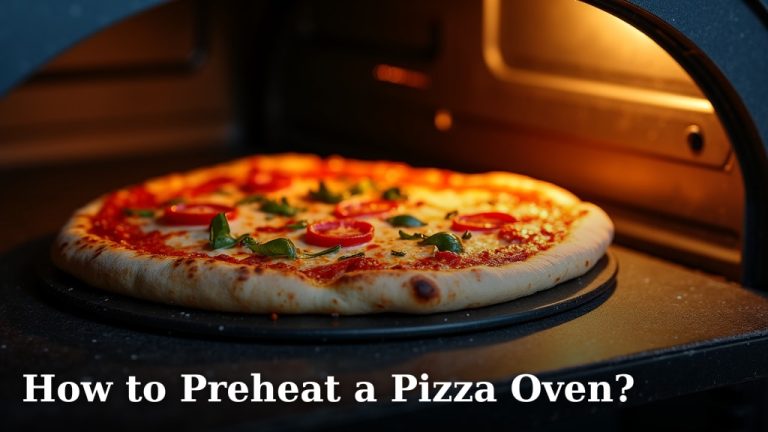
Why Is My Pizza Bottom Staying Soggy?

Your pizza bottom is staying soggy because of too much moisture. This often comes from a combination of insufficient heat during baking, a too-thick crust, or overly wet toppings. Getting a crispy crust is all about managing that moisture.
Many home ovens struggle to reach the high temperatures needed for a crisp pizza. We found that cooking on the wrong surface, like a cold baking sheet, also stops your crust from crisping up. You might also have a dough that’s too hydrated or toppings that release a lot of water as they cook. It’s a common challenge for many home pizza makers.
- Pizza bottoms get soggy from excess moisture.
- Oven temperature and baking surface matter a lot.
- Dough hydration and wet toppings play a big role.
- Getting a crispy crust needs proper heat and moisture control.
Let’s research and walk through the exact reasons why your pizza bottom is soggy, and how you can fix it for good.
Understanding Your Soggy Pizza Blues
Your pizza bottom feels soggy because it hasn’t lost enough moisture during cooking. It’s a common struggle for home bakers. Achieving that perfect crispy crust involves more than just throwing ingredients together.
We found that several factors combine to keep your pizza base from crisping up. Think of it as a moisture problem. Too much water in the dough or toppings, combined with too little heat, is often the culprit.
The Oven Temperature Tango Is Crucial
When you bake pizza, you need a lot of heat, fast. Many home ovens simply don’t get hot enough. Professional pizza ovens reach temperatures over 800°F.
Your typical home oven maxes out around 500-550°F. This difference is huge. Lower temperatures bake slowly, which gives moisture more time to seep into the crust.
Preheating: Longer Than You Think
Most recipes say to preheat your oven for 15-20 minutes. For pizza, you actually need much more. We found that 45-60 minutes of preheating is often necessary.
This isn’t just about the air temperature. It’s about heating your pizza stone or steel through and through. A cold baking surface absorbs heat from your pizza instead of giving it. (Food Network Kitchen)
The Wrong Baking Surface Choice
Are you baking on a cold metal baking sheet? That’s a major reason for a soggy bottom. Metal sheets don’t hold heat well enough for a pizza launch. They get hot, but they lose that heat quickly once the cooler pizza hits them.
A good pizza needs an immediate burst of heat from below. This helps the base cook quickly and evaporate moisture. It’s like searing a steak to get a good crust.
Dough Hydration and Prep
Your dough is the foundation of your pizza. Its moisture content plays a big role in crispiness. If your dough is too wet, it takes longer to dry out and crisp up.
We’ve all been there: a beautiful dough that turns into a floppy mess. It’s frustrating, right? Controlling moisture starts with your dough recipe.
Too Much Water in Your Dough
The “hydration level” of your dough refers to the water ratio. High-hydration doughs are very soft and can be challenging. They are great for airy crusts but can contribute to sogginess.
For a beginner, a dough with 60-65% hydration is a good starting point. This means for every 100 grams of flour, you use 60-65 grams of water. Too much higher, and you’re battling extra moisture.
Not Resting Your Dough Enough
Dough needs to rest. This isn’t just for flavor; it helps develop gluten. Gluten gives your pizza structure. A well-rested dough handles better and can cook more evenly.
If you don’t let your dough rest long enough, it might be too springy. This can lead to a crust that cooks unevenly. It might also retain more moisture, making it less likely to crisp.
Overworking or Underworking the Dough
A properly kneaded dough is vital. If you under-knead, the gluten won’t develop. This results in a weak, soft crust that can’t stand up to toppings. It becomes dense and heavy.
Conversely, overworking dough can also create issues. It can make the dough tough. It will then struggle to expand correctly, trapping moisture inside. Aim for a smooth, elastic dough that passes the “windowpane test.”
The Toppings Trap: Moisture Sources
What you put on your pizza matters. Some toppings release a lot of water as they cook. This water vapor directly attacks your crispy crust aspirations.
It’s like a tiny water park on your pizza. Unless you manage it, your crust will quickly become a sponge. We found that this is a major culprit for many home bakers.
Wet Vegetables and Meats
Do you love mushrooms, spinach, or fresh tomatoes? They are delicious, but they are also full of water. As they heat up, they release that water onto your pizza base.
Consider pre-cooking or draining some toppings. Sauté mushrooms first to release their water. Squeeze excess water from cooked spinach. Pat fresh mozzarella dry with a paper towel. (Epicurious)
Processed meats, like pepperoni, can also release liquids. However, this is usually grease, which doesn’t affect sogginess as much as water.
Too Much Sauce or Cheese
It’s tempting to load up on the sauce and cheese. Who doesn’t love extra flavor? But more isn’t always better for a crispy crust. Pizza sauce is primarily water.
Use a moderate amount of sauce. Too much forms a barrier that prevents the crust from drying. Similarly, excessive cheese can melt into a thick, wet layer. This holds moisture close to the base.
Your Roadmap to a Crispy Crust
Don’t despair! Achieving a crispy pizza bottom is entirely possible at home. It just requires attention to a few key details. You’re not alone in facing this challenge, and with a few adjustments, you’ll be enjoying perfectly crisp pizza.
Think of it as refining your technique. Each step contributes to the final result. You’ll master it with a little practice and patience.
Essential Equipment Upgrades
Some tools make a big difference. You don’t need a professional oven, but a few items can dramatically improve your home pizza game. These tools conduct and hold heat much better than typical baking sheets.
Consider making a small investment for huge returns in crunchiness. It’s like upgrading from a manual toothbrush to an electric one. Both clean your teeth, but one does a much better job.
The Power of a Pizza Stone or Steel
If you’re serious about crispy pizza, a pizza stone or steel is a must. These dense materials absorb and retain a lot of heat. They mimic the floor of a brick oven.
When you launch your pizza onto a preheated stone or steel, it gets an immediate blast of direct heat. This flash-cooks the bottom, vaporizing moisture. We found that a pizza steel generally heats faster and achieves better results than a stone (Cook’s Illustrated).
- Pizza Stone: Good heat retention, porous, usually ceramic or cordierite.
- Pizza Steel: Superior heat conduction, cooks faster, more durable than stone.
Using a Pizza Peel for Easy Transfer
A pizza peel is invaluable for transferring your pizza. It lets you get the pizza onto your hot stone or steel without delay. A quick transfer prevents your dough from cooling the surface too much.
Dust your peel with semolina flour or cornmeal. This helps the pizza slide off smoothly. It’s a small detail that prevents major headaches.
Baking Technique Tweaks
Even with the right equipment, your baking process matters. Small adjustments in how you bake can make all the difference. These techniques work together to fight sogginess effectively.
It’s about creating the perfect environment for your pizza to crisp up rather than steam. You’ll be amazed at the difference these changes make.
Maximizing Oven Heat
Preheat your oven to its highest setting. Give it ample time, at least 45 minutes to an hour, with your pizza stone or steel inside. You want that surface scorching hot.
Some people even use the broiler for the last minute or two. This helps crisp the top and cook your toppings without overcooking the crust. Be careful though, it happens fast!
Don’t Overload Your Pizza
Less is often more with pizza toppings, especially when aiming for crispiness. A thin, even layer of toppings allows heat to circulate better. It also minimizes moisture release.
Think about balance. You want flavor, but you also want texture. A sparsely topped pizza will always be crispier than an overloaded one.
Table: Common Soggy Bottom Causes & Fixes
| Issue | Why It Causes Soggy Bottom | Your Crispy Solution |
|---|---|---|
| Low Oven Temperature | Slow cooking = more moisture retained. | Preheat oven to max (500-550°F) for 45-60 min. |
| No Pizza Stone/Steel | Lack of direct, intense bottom heat. | Invest in a pizza steel (or stone). |
| Too Wet Dough | Excess water takes longer to bake out. | Use 60-65% hydration dough; don’t under-knead. |
| Wet Toppings | Vegetables/cheese release water during baking. | Pre-cook or drain wet toppings; pat fresh mozzarella dry. |
| Too Much Sauce/Cheese | Creates a moisture barrier on the crust. | Use a moderate, even layer of sauce and cheese. |
| Underbaking | Pizza removed before moisture fully evaporates. | Cook until crust is golden brown and topping is bubbly. |
Your Crispy Crust Checklist
Ready to make some changes? Here’s a quick checklist to guide you. Follow these steps, and you’ll be well on your way to perfectly crispy pizza every time.
It’s a process of elimination and refinement. Each successful pizza brings you closer to your ideal. You’ve got this!
- Preheat your oven and pizza stone/steel for at least 45 minutes at maximum temperature.
- Use correct dough hydration (60-65% water to flour ratio).
- Pat down or pre-cook any particularly wet toppings.
- Apply sauce and cheese in moderate, even layers.
- Transfer your pizza quickly to the hot baking surface using a pre-dusted peel.
- Bake until the crust is deeply golden brown and sounds hollow when tapped.
Conclusion
Achieving that perfectly crispy pizza crust at home might feel like a challenge, but it’s completely within your reach. Focus on managing moisture, from your dough’s hydration to your choice of toppings. We found that proper oven temperature and a preheated pizza stone or steel are your best allies in this battle.
You now have the knowledge and specific actions to take. Stop settling for soggy bottoms. Take these tips to your kitchen. Your next homemade pizza is destined for crispy, delicious success!
Frequently Asked Questions
Can using parchment paper make my pizza crust soggy?
Yes, parchment paper can trap moisture beneath your pizza crust, preventing it from crisping properly. It creates a barrier that stops direct heat from reaching the bottom. Ideally, launch your pizza directly onto a preheated stone or steel for the best results.
What’s the ideal thickness for a pizza crust to avoid sogginess?
For a crispy bottom, aim for a thin to medium-thin crust. Thicker crusts take longer to cook through, giving more time for moisture to accumulate. A thinner crust will cook faster and dry out more effectively.
How can I tell if my pizza dough is over-hydrated without a scale?
An over-hydrated dough will feel very sticky and difficult to handle, even after proper kneading. It might flop and spread excessively when you try to shape it. If it feels more like a thick batter than a dough ball, it probably has too much water.
Should I bake my pizza on the top or bottom rack of my oven?
For a crispy bottom, bake your pizza on the lowest rack in your oven. This positions it closest to the heat source, allowing the bottom to cook and crisp up quickly. If you find the top browning too fast, you can move it up later in the baking process.
Does adding sugar to my pizza dough affect crispiness?
A small amount of sugar can help with browning the crust, but it doesn’t directly prevent sogginess. Too much sugar, however, can make the crust burn before it fully crisps. Stick to recipes with minimal sugar for best results.