How to Turn Pizza in a Pizza Oven?
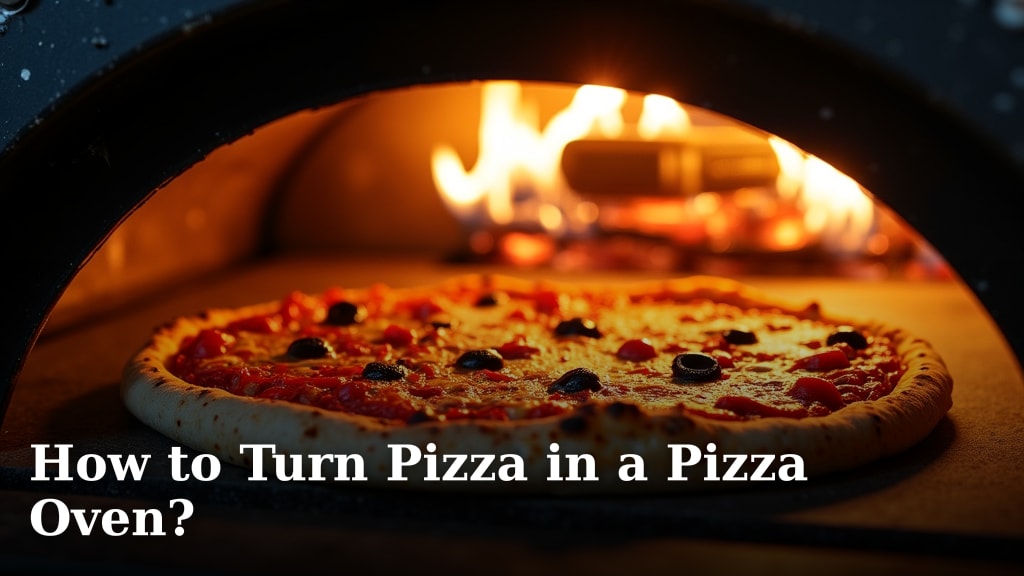
Mastering the Pizza Turn in Your Oven
Turning your pizza correctly in a high-heat oven is a skill that transforms good pizza into great pizza. It ensures every part of the crust crisps up beautifully without scorching. Think of it as a dance, where you guide your pizza gracefully through the flames.
Understanding Why the Turn Is So Important
You might wonder, “Why even bother turning the pizza?” It turns out that a pizza oven’s heat isn’t always uniform. Often, there’s a hotter side, usually where the flame is strongest. If you leave your pizza in one spot, one side will burn while the other remains undercooked and pale. Not ideal, right?
The Science of Even Baking
High-temperature ovens, especially wood-fired or gas-powered pizza ovens, cook incredibly fast. We’re talking minutes, not tens of minutes. This speed means there’s a very small window for error. Even a few seconds too long near the flame can lead to a charred crust. Turning helps you keep control, exposing each part to just enough intense heat to get that perfect leopard-spotted finish without burning (Food Network).
- Ensures equal exposure to high heat.
- Prevents one side from burning.
- Promotes consistent crust development.
- Achieves desired “leopard spots” on the crust.
Getting Started: Your Essential Tool
Before you even think about turning, you need the right tool. This isn’t a job for your regular pizza peel. You’ll need a dedicated turning peel.
Choosing Your Turning Peel
A turning peel is smaller and typically rounder than your launch peel. It has a long handle, keeping your hands safe from the oven’s intense heat. We found that most turning peels are made from aluminum or stainless steel, which are durable and easy to clean. Look for one that feels comfortable in your hand and has a thin edge for sliding under the pizza easily. You’ll thank us later for this tip!
The Step-by-Step Pizza Turning Technique
Now, let’s get down to the actual turning. It’s a series of small, controlled movements. Think of it less like spinning a record and more like gently nudging a delicate art piece.
Step 1: The Initial Launch and Bake
First, launch your pizza into the oven using your main pizza peel. Position it so the side you want to cook first is closest to the heat source. This initial placement is important for setting the stage for even cooking.
Step 2: The First Turn
After about 30-60 seconds, you’ll see the crust visibly puff up and start to lightly brown on the side closest to the flame. This is your cue! Grab your turning peel.
Slide the turning peel under the pizza, just enough to lift it slightly. Then, make a quarter turn (90 degrees). Reposition the pizza so a new, uncooked section is now facing the heat. This is often the first and most critical turn to prevent scorching.
Step 3: Subsequent Turns and Monitoring
Continue this process, usually performing 2-3 more quarter turns, every 20-30 seconds. The exact timing depends on how hot your oven is and how quickly your pizza is cooking. You’re constantly monitoring the crust, looking for that beautiful golden-brown color and those attractive “leopard spots” – the slightly charred bubbles that indicate perfect doneness.
| Turn Number | Approx. Time (from last turn) | Key Focus |
|---|---|---|
| 1st Turn | 30-60 seconds | Prevent initial scorching, set crust development |
| 2nd Turn | 20-30 seconds | Even browning, promote rise |
| 3rd+ Turn | 20-30 seconds | Achieve desired texture and color |
Many experienced pizza makers say watching the crust is your best guide. You’re looking for a balance between doneness and preventing burns (ChefSteps).
Pro Tips for Perfect Turns
Practice makes perfect, but these tips will help you get there faster.
Keep Your Eye on the Prize (Crust!)
Always keep an eye on the part of the crust nearest the flame. That’s your early warning system for burning. If it starts to blacken too quickly, turn the pizza sooner or move it slightly further from the direct flame.
Small Movements Are Key
Don’t try to spin the pizza like a top. Gentle, deliberate quarter turns are all you need. Over-handling can tear the dough or knock off toppings, which is definitely not what you want.
Use Your Peel as a Shield
Sometimes, if one side is cooking much faster than the rest, you can use your turning peel to momentarily block the intense heat from reaching that section, allowing other parts to catch up. Think of it as a temporary sun shield for your pizza.
Troubleshooting Common Turning Challenges
It’s okay if your first few turns aren’t perfect. We’ve all been there! Here are some common issues and how to fix them.
Uneven Browning
If you notice one section browning much faster or slower than others, adjust your turning frequency. Maybe one section needs a longer exposure to the flame, or another needs to be moved away more quickly. Don’t be afraid to make smaller-than-quarter turns if a specific spot needs attention.
Sticking Pizza
If your pizza is sticking to the oven floor, your oven might not be hot enough yet, or you didn’t use enough flour/semolina on your launch peel. A stuck pizza is harder to turn. Try to gently wiggle the turning peel under the stuck part. If it’s really stuck, remove it, scrape off any burnt bits, and relaunch onto a well-floured peel.
Tearing Dough
This often happens if you’re trying to turn a pizza that’s too uncooked or if you’re too aggressive with the peel. Ensure the dough has set a bit before your first turn. Use a gentle touch, sliding the peel smoothly rather than forcing it (Serious Eats).
When Is Your Pizza Done?
Knowing when to stop turning and pull your masterpiece from the oven is just as important as the turning itself.
Visual Cues
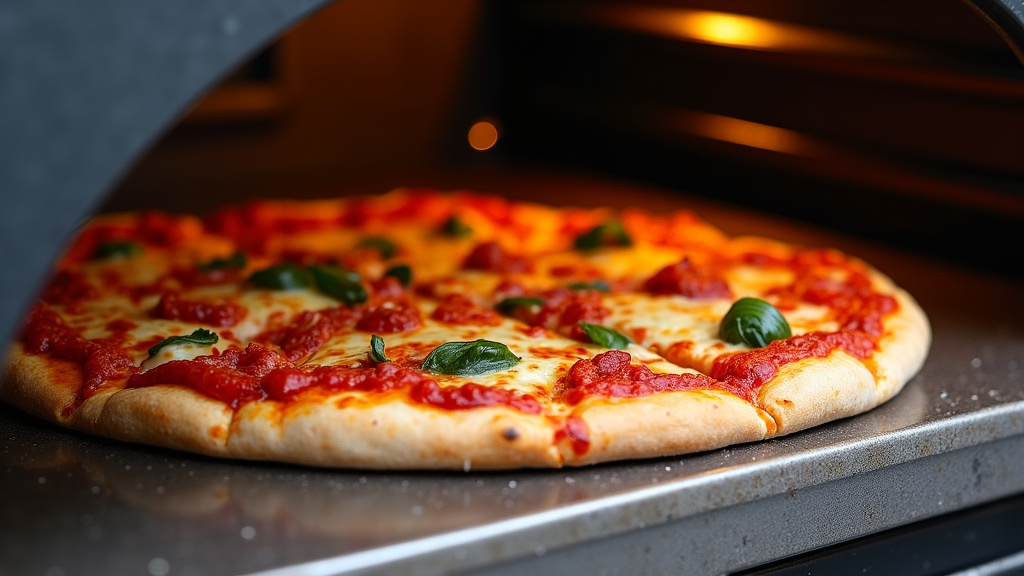
Look for a crust that is uniformly golden brown with some charring (those “leopard spots”) on the bubbles. The cheese should be fully melted and bubbling, possibly with some browning around the edges. The toppings should look cooked through and slightly roasted.
The Lift Test
Carefully lift one edge of the pizza with your turning peel. The bottom should also be well-browned and firm, not soggy or pale. A good pizza bottom will feel strong and crispy.
Here’s a quick checklist to help confirm doneness:
- Crust is golden brown with visible leopard spots.
- Cheese is fully melted and bubbling.
- Toppings appear cooked and slightly caramelized.
- Bottom of the crust is firm and browned.
- No raw or doughy patches remain.
Once you see all these signs, your pizza is ready to be pulled from the oven and enjoyed! With practice, turning your pizza will become second nature, and you’ll be consistently baking perfectly cooked, delicious pizzas right in your backyard.
Conclusion
You’re now equipped with the knowledge to conquer the art of turning pizza in your oven. Remember, it’s all about controlled, gentle quarter turns and constant monitoring of the crust. Invest in a good turning peel, pay attention to the hot spots in your oven, and don’t be afraid to make small adjustments. With a little practice, you’ll consistently achieve that perfectly cooked, leopard-spotted crust and impress everyone with your homemade pizzas. Go ahead, bake that perfect pie!
Frequently Asked Questions
How often should I turn my pizza in the oven?
You should start with a quarter turn after 30-60 seconds, then continue with turns every 20-30 seconds. This frequency helps ensure even cooking and prevents any single side from burning in the intense heat of a pizza oven.
Can I use my regular pizza peel to turn the pizza?
While you technically could, it’s not recommended. A regular launch peel is usually too large and cumbersome for precise turning within a hot oven. A smaller, round turning peel with a long handle offers much better control and keeps your hands safer.
What if my pizza sticks to the turning peel?
If your pizza consistently sticks to the turning peel, it might be too raw, or the peel isn’t properly floured. Ensure the dough has set slightly before the first turn and lightly dust your turning peel with flour or semolina if necessary.
How do I know if I’m turning the pizza too aggressively?
Tearing dough or dislodging toppings are common signs of turning too aggressively. Aim for gentle, smooth sliding motions rather than forceful pushes. The goal is to rotate the pizza, not to lift it entirely off the baking surface.
My pizza is cooking too fast on one side, even with turning. What should I do?
Your oven likely has a very hot spot. Try to position the pizza slightly further away from the direct flame or hottest area during parts of the bake. You can also use your turning peel to momentarily shield the rapidly cooking section from the intense heat.