
How to Fix Pizza Top Not Browning?

Don’t panic if your pizza topping isn’t browning! You can fix a pizza top not browning by **adjusting your oven temperature** or using the **broiler for a quick crisp**. Often, this issue means your oven isn’t hot enough or the topping ingredients are too wet.
A pale pizza topping can be a real bummer. You want that delicious, golden-brown char for flavor and texture. We’ve found that the most common culprits are a **too-low oven setting** or simply not giving your pizza enough time under the heat. Sometimes, it’s about what’s on top.
- Preheat your oven higher than usual.
- Try the broiler for the last few minutes.
- Ensure toppings aren’t too wet.
- Check your oven’s actual temperature.
Let’s walk through exactly how to get that perfect pizza topping browning, so your next homemade pie looks as good as it tastes!
Getting Your Pizza Toppings Perfectly Browned
Did your pizza come out looking a little… pale? It’s a common kitchen mishap. You’ve put in the effort, assembled your masterpiece, and waited patiently. Then, you open the oven, and the cheese is melted, but the toppings look sad and unbrowned. Don’t worry, this is a fixable problem! We’ll help you understand why it happens and how to achieve that delicious golden-brown finish you crave.
Why Aren’t Your Pizza Toppings Browning?
Several factors can lead to toppings that lack that appetizing browned look. Usually, it boils down to a few key areas: oven temperature, moisture content, and cooking time. Understanding these elements is your first step to a perfectly browned pizza.
Understanding Oven Temperature Issues
One of the most frequent reasons for unbrowned toppings is an oven that isn’t hot enough. Pizza needs high heat to cook properly and develop those desirable browning effects. If your oven runs cooler than its setting, your toppings might never reach the ideal temperature for browning.
The Importance of Proper Preheat
Preheating is absolutely essential. Many home cooks rush this step. You need to let your oven reach and *maintain* its set temperature. This can take longer than the oven’s indicator light suggests. Research shows that ovens can vary by 25-50 degrees Fahrenheit from their set point, especially during the preheat cycle (Consumer Reports).
When you place your pizza in an oven that hasn’t fully preheated, the cooking process starts from a disadvantage. The heat transfer to the toppings is slower. This means they may not get hot enough to brown before the rest of the pizza is overcooked.
Your Oven Might Be Lying to You
Oven thermostats aren’t always accurate. Over time, they can drift. If you suspect your oven isn’t heating correctly, consider getting an oven thermometer. You can pick one up for just a few dollars. Place it inside your oven and check its reading against your oven’s dial. This simple step can reveal a lot.
We’ve found that many ovens run consistently cooler than their settings. This means if you set your oven to 450°F, it might actually be closer to 400°F. For pizza, this difference is huge. A cooler oven means less radiant heat hitting your toppings.
The Moisture Factor: Too Much Wetness
Another common culprit is excess moisture from your toppings. If your ingredients are very wet, they will steam rather than brown. Think about vegetables like mushrooms or bell peppers, which release a lot of water when heated. Sauces that are too thin can also contribute.
Prep Your Produce Wisely
Before adding certain vegetables to your pizza, consider prepping them to reduce moisture. Sautéing ingredients like mushrooms, onions, or peppers before putting them on the pizza can help. This cooks off some of the water. Patting down any wet ingredients with a paper towel before they go on the pie also helps immensely. It’s a small step that makes a big difference.
Don’t Drown Your Pizza in Sauce
The amount and consistency of your pizza sauce matter. If you use too much sauce, or if it’s very watery, it can create a barrier. This steam can prevent your cheese and toppings from getting direct heat. Aim for a thicker sauce, and use it judiciously. A thin layer is usually all you need.
Strategies to Achieve Browning Perfection
Now that you know the potential problems, let’s dive into the solutions. You can fix this with a few tweaks to your pizza-making process.
Turn Up the Heat!
The most direct solution is to increase your oven temperature. Most pizzas benefit from being baked at higher temperatures, often between 450°F and 550°F (230°C – 290°C). If you usually bake at 400°F, try bumping it up to 475°F or even 500°F.
Remember that oven thermometer we talked about? Use it! Make sure your oven is *actually* at the temperature you’ve set. If you have a convection setting, it can help circulate hot air more efficiently, aiding in browning. Many pizza enthusiasts swear by the convection setting for this reason.
The Power of the Broiler
Sometimes, your pizza is cooked through, but the toppings still need that final touch of color. This is where your oven’s broiler comes in handy. The broiler uses intense, direct heat from the top element. It’s perfect for quickly browning cheese and toppings.
How to use the broiler safely:
- Place your pizza on an oven rack positioned relatively high, but not so high that it’s close to the broiler element.
- Turn on your broiler.
- Watch your pizza *constantly*. Broilers work very fast.
- You might only need 30 seconds to 2 minutes.
- Rotate the pizza if one side is browning faster than the other.
This technique is like giving your pizza a quick sun tan. It adds that lovely golden-brown finish. Just be very careful not to burn it!
Consider Your Baking Surface
The surface you bake your pizza on also impacts heat distribution. A preheated pizza stone or steel is fantastic for pizza. It absorbs and retains a lot of heat. This intense bottom heat cooks the crust quickly and helps ensure the toppings get thoroughly cooked by the oven’s heat.
If you’re using a regular baking sheet, make sure it’s a good quality one that can handle high heat. Darker pans absorb more heat, which can sometimes lead to a crispier bottom crust and better overall browning. Lighter pans might not get as hot.
Give it Enough Time
Patience is a virtue, especially in pizza making. While you don’t want to overcook your pizza, you also need to give the toppings sufficient time to brown. Cooking times can vary greatly depending on your oven and toppings. A pizza might need anywhere from 10 to 20 minutes at high heat.
If you’re aiming for browned toppings, resist the urge to pull the pizza out too early. Check the color of the cheese and any visible toppings. If they look pale, give it a few more minutes. You might find that your pizza is perfectly cooked but just needs that extra five minutes to achieve the desired browning.
Top Choices for Browning Performance
Certain toppings naturally brown better than others. Understanding this can help you manage your expectations and adjust your approach. Some ingredients are just built for getting a little char.
Here’s a quick look at how common toppings fare:
| Topping Type | Browning Potential | Notes |
|---|---|---|
| Cheese (Mozzarella, Provolone) | High | Melts and browns beautifully. Browning depends heavily on oven temp and proximity to heat. |
| Pepperoni, Salami | Very High | Fat renders and edges crisp and curl, creating delicious brown spots. |
| Cooked Meats (Sausage, Ham) | Medium | Already cooked, so browning is more about charring edges and warming through. |
| Vegetables (Mushrooms, Onions, Peppers) | Medium to Low | Can brown if prepped correctly and oven is hot enough. Moisture content is key. |
| Olives, Jalapeños | Low | Often don’t brown much but add flavor and texture. Heat can char edges slightly. |
You’ll notice that fatty meats like pepperoni are practically designed to brown and crisp up. Cheeses will get golden. Vegetables require a bit more coaxing. If your pizza is loaded with high-moisture vegetables, you might need to compensate by turning up the heat or using the broiler.
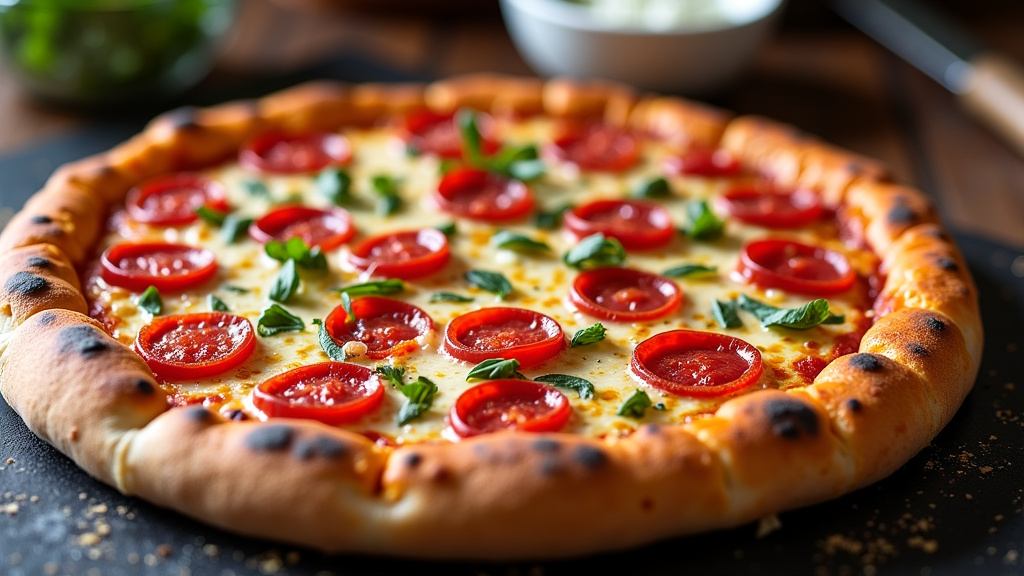
Quick Checklist for Browning Your Pizza Top
Keep these points handy for your next pizza night:
- Preheat fully: Allow an extra 15-20 minutes for your oven to truly stabilize.
- Use an oven thermometer: Verify your oven’s actual temperature.
- Prep wet toppings: Sauté or pat dry vegetables.
- Sauce wisely: Don’t overdo it with too much or too-thin sauce.
- Turn up the heat: Increase your oven temp, especially for doughs that can handle it.
- Broiler watch: Use it for a quick kiss of browning at the end, but stay vigilant!
Conclusion
Don’t let a pale pizza top get you down! You’ve learned that oven temperature, moisture content, and cooking time are your key allies. By ensuring your oven is truly hot and preheated, prepping your toppings to reduce excess water, and knowing when to use the broiler, you can achieve that perfect golden-brown finish every time. Your next homemade pizza is just a few adjustments away from looking and tasting incredible.
Frequently Asked Questions
Will adding more cheese help my pizza toppings brown?
While more cheese can contribute to browning, it’s not the sole solution. The cheese itself needs sufficient heat to brown. If your oven isn’t hot enough, even extra cheese might just melt without achieving that desirable golden color.
Can I fix a pizza that’s already in the oven and not browning?
Yes, you often can! If your pizza has a few minutes left and lacks color, try moving it to a higher oven rack or briefly using the broiler. Just be sure to watch it very closely to prevent burning.
Does the type of baking sheet matter for browning?
It can! Darker baking sheets tend to absorb more heat, which can aid in browning the crust and toppings. Lighter pans might not get as hot, potentially leading to slower browning. Always ensure your pan is suitable for high oven temperatures.
How long should I preheat my oven for pizza?
You should preheat your oven for at least 20-30 minutes, even after it indicates it’s reached the set temperature. This allows the oven walls and racks to fully heat up, ensuring consistent heat distribution for better browning.
Is it better to bake pizza on a stone or a steel for browning?
Both pizza stones and steels are excellent for browning because they retain and transfer a lot of heat directly to the crust. A steel generally heats up faster and transfers heat more intensely, which can help achieve browning more quickly.
