
How to Fix Pizza Bottom Staying Soggy?

Fixing a soggy pizza bottom is all about managing Fixing a soggy pizza bottom is all about managing moisture and heat, and our guide explains why your pizza bottom is soggy.moisture and heat. The easiest way to achieve a crispy crust is by using a hot oven and a suitable baking surface like a pizza stone or steel. This helps evaporate moisture quickly and creates that perfect crunch you crave.
A soggy pizza can be disappointing, but it’s a common problem many home cooks face. Often, it’s a combination of too much sauce, a cold oven, or using the wrong pan. We found that adjusting your technique can make a world of difference for a perfectly baked pizza every time. Getting that crispy base is achievable with a few key adjustments.
TL;DR:
- Use a very hot oven (450-500°F or higher).
- Preheat your pizza stone or steel for at least 30-60 minutes.
- Don’t overload your pizza with too many wet toppings.
- Consider using a lower-hydration dough for less moisture.
- Brush your crust with a little olive oil before topping.
Ready to banish the soggy bottom forever? Let’s walk through the best methods step by step to get your pizza crust perfectly crisp.
Solving the Soggy Pizza Base Problem
You’ve put in the effort, tossed the dough, and carefully arranged your toppings. But when you pull that pizza from the oven, the dreaded soggy bottom greets you. It’s a common frustration for home pizza makers. Fortunately, this problem is usually fixable with a few key adjustments to your technique. We found that focusing on heat distribution and moisture management is your secret weapon.
The Importance of Oven Temperature
One of the biggest culprits behind a soggy pizza is an oven that isn’t hot enough. Your oven needs to be screaming hot to properly cook the crust. Think of it like searing a steak – you need intense heat to get that perfect crust. For pizza, this means high temperatures are essential for quick cooking and moisture evaporation.
Aim for High Heat
Many pizza recipes call for temperatures between 450°F and 500°F (232°C – 260°C). Some even go higher. This intense heat helps create a rapid burst of steam when the dough hits the hot surface. That steam is what gives your crust its initial lift and helps it cook through quickly before moisture from toppings can soak in. If your oven struggles to reach these temperatures, you might need to let it preheat for longer than usual.
Preheating is Non-Negotiable
Simply turning your oven to 500°F and throwing your pizza in isn’t enough. The baking surface itself needs to be intensely hot. This is where a pizza stone or baking steel comes into play. You need to place your stone or steel in the oven *before* you turn it on. Then, let it preheat with the oven for at least 30 minutes, and ideally 60 minutes. We found that a fully preheated stone or steel mimics the bottom heat of a professional pizza oven.
Pizza Stones vs. Baking Steels
Both pizza stones and baking steels are excellent choices for achieving a crisp crust. Stones are typically made of ceramic or cordierite. They absorb and radiate heat evenly. Steels, on the other hand, are metal. They conduct heat much more efficiently, leading to a faster bake and often a crispier bottom. Many home cooks swear by the performance of a steel for its superior heat transfer. Both require thorough preheating to do their job effectively.
Managing Your Dough and Toppings
Beyond oven temperature, the dough itself and how you top it play a significant role in preventing sogginess. You can have the hottest oven in the world, but if your dough is too wet or your toppings are creating a waterlogged mess, you’ll still end up with a soggy bottom.
Dough Hydration Matters
The amount of water in your pizza dough, known as hydration, can impact its crispiness. Doughs with higher hydration (more water) can be chewier and softer, which might contribute to a soggier crust if not cooked properly. If you consistently struggle with soggy bottoms, consider using a dough recipe with slightly lower hydration. This means less water relative to the flour. Many professional pizza makers use doughs with hydration levels around 60-70% for Neapolitan-style pizzas. For a crispier crust, you might aim for the lower end of that range or even a bit lower for certain pizza styles.
Don’t Drench Your Pizza
This might sound obvious, but overloading your pizza with sauce and toppings is a major cause of sogginess. Too much sauce adds excess moisture that the dough can’t absorb or the oven can’t evaporate quickly enough. The same goes for watery toppings like fresh mozzarella that hasn’t been drained, or piles of vegetables that release a lot of liquid when cooked.
Strategic Topping Application
Here’s how to top like a pro: Use a lighter hand with the sauce – a thin, even layer is best. For fresh mozzarella, consider patting it dry with paper towels before placing it on the pizza. If you’re using high-moisture vegetables like mushrooms or bell peppers, you can pre-cook them slightly to release some of their water before they go on the pizza. Another trick is to place a layer of cheese directly on the sauce first. This can act as a barrier, helping to keep the sauce from soaking directly into the dough.
Consider a “Pre-Bake” or Par-Bake
For particularly wet pizzas or if you’re using a less-than-ideal baking surface, a par-bake can be a lifesaver. This involves baking your dough with just the sauce for a few minutes before adding the cheese and other toppings. This initial bake helps to dry out the surface of the dough and gives it a head start on crisping. You’ll want to pull it out when it’s just starting to firm up, not fully cooked. Then, add your toppings and continue baking until the cheese is melted and bubbly and the crust is golden brown.
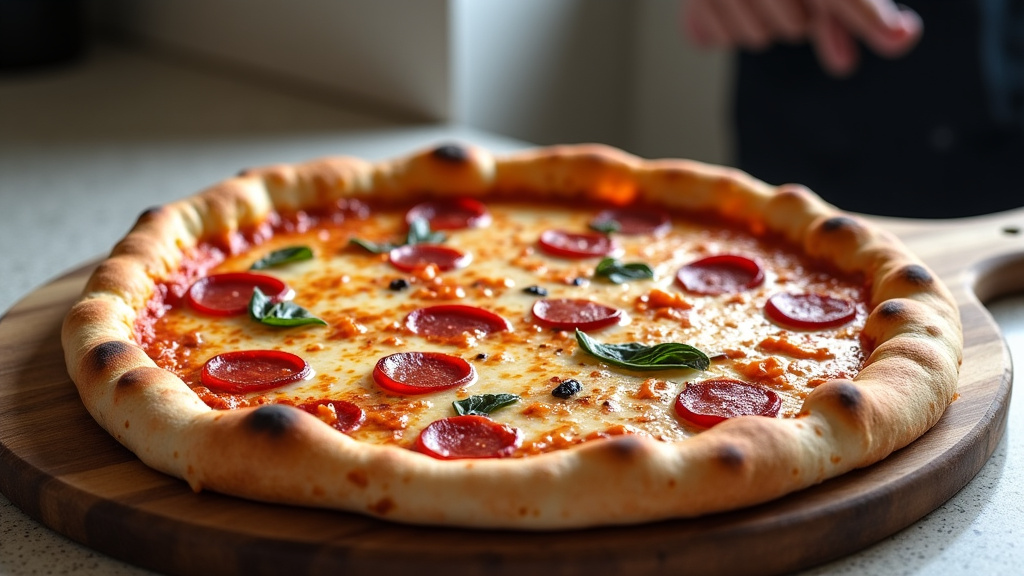
Prepping Your Pizza for Baking
Even with a hot oven and balanced toppings, a few finishing touches can seal the deal for a crispy pizza bottom. These steps are simple but effective.
The Magic of Olive Oil
Brushing your dough with a little bit of olive oil before adding sauce and toppings can make a surprising difference. The oil creates a thin barrier on the dough’s surface. This barrier helps to prevent the sauce from penetrating too deeply. It also contributes to a crisper texture as the dough bakes. You don’t need much – just a light coating brushed evenly over the base.
Consider Your Baking Surface Setup
When it’s time to transfer your pizza to the oven, the method matters. If you’re using a pizza peel, dusting it generously with cornmeal or semolina flour helps the pizza slide off easily onto your hot stone or steel. If your pizza sticks, it can mess up the toppings and the crust formation. For less experienced pizza makers, using parchment paper can be a good option. You can build your pizza on parchment, then slide the whole thing, parchment included, onto the hot stone or steel. You can often pull the parchment out from under the pizza halfway through baking, which helps the bottom crisp up even more.
A checklist for your next pizza night:
- Crank up the heat: Ensure your oven reaches at least 450°F (232°C).
- Preheat diligently: Let your stone or steel heat for a full hour.
- Sauce sparingly: Don’t drown your crust in sauce.
- Drain wet ingredients: Pat mozzarella dry and consider pre-cooking watery veggies.
- Oil the base: A light brush of olive oil helps create a barrier.
- Use cornmeal or parchment: For easy transfer and extra crisp.
By implementing these strategies, you’ll be well on your way to enjoying perfectly crisp pizza bottoms every time you bake at home. It’s all about controlling heat and moisture!
Conclusion
You’ve learned that a crispy pizza bottom is totally within your reach! It all boils down to mastering heat and moisture. Remember to crank up your oven, give your stone or steel ample time to get blazing hot, and be mindful of how much sauce and how watery your toppings are. A little olive oil brushed on the dough can also work wonders. With these adjustments, you’re all set to bake pizzas that are perfectly crisp from top to bottom. Your next pizza night is going to be a delicious success!
Frequently Asked Questions
Can I fix a soggy pizza if I don’t have a pizza stone or steel?
Yes, you absolutely can! While stones and steels are ideal, you can still get a crispier bottom using a heavy-duty baking sheet. Make sure to preheat the baking sheet in the oven for at least 15-20 minutes before placing your pizza on it. This will help mimic the intense heat of a stone.
How do I prevent cheese from making my pizza soggy?
Fresh mozzarella can release a lot of water. We found that patting your fresh mozzarella dry with paper towels before putting it on the pizza is a simple but effective step. If you’re using shredded low-moisture mozzarella, this is usually less of an issue.
Is it okay to use parchment paper on a pizza stone?
Using parchment paper can be a helpful tool, especially if you’re worried about sticking. You can build your pizza on parchment and slide it onto the hot stone. For maximum crispiness, try to carefully pull the parchment out from under the pizza about halfway through baking.
What’s the best way to reheat leftover pizza to avoid a soggy crust?
The microwave is the enemy of crispy crusts! For the best results, reheat slices in a skillet on the stovetop over medium heat, or in a toaster oven or air fryer. These methods help to crisp up the crust again, much like when it was first baked.
Why does my pizza dough stick to the peel even when I use cornmeal?
Sometimes, the dough can get a little too wet and meld with the cornmeal. Ensure your dough isn’t too sticky to begin with. Giving the peel a good shake to distribute the cornmeal evenly and letting the pizza rest on the peel for just a minute before launching can help. If it’s still sticking, consider using parchment paper for easier transfer.
