
Can You Learn to Cook Bread in a Pizza Oven?

Yes, you absolutely can learn to cook bread in a pizza oven, and it might be easier than you think. These ovens reach much higher temperatures than a standard home oven, which can create a wonderfully crisp crust and a soft interior. You might just discover your new favorite way to bake.
Many home bakers are curious about using their pizza ovens for more than just pies. Research shows that pizza ovens are excellent for creating that signature crust on artisan breads. You can achieve amazing results with a bit of practice and understanding of how these hot ovens work.
- Pizza ovens can cook delicious bread.
- High heat creates a great crust.
- It’s a fun baking alternative.
- Practice makes perfect for bread.
Ready to get baking? Let’s walk through what you need to know to make fantastic bread in your pizza oven. Our guide to the best outdoor pizza ovens for fantastic bread can help you choose the right one.
Baking Bread in Your Pizza Oven: A Delicious Possibility
You’re likely wondering if that super-hot pizza oven can bake more than just pizza. The short answer is a resounding yes! You can absolutely learn to cook bread in a pizza oven, and the results can be quite spectacular. Think of it as a fun expansion of your culinary skills, taking advantage of intense, even heat for a beautifully baked loaf.
Understanding Pizza Oven Heat for Baking Bread
Pizza ovens are designed to reach incredibly high temperatures, often between 700°F and 1000°F (370°C to 540°C). This intense heat is perfect for a quick-cooking, Neapolitan-style pizza. For bread, this means you’ll achieve a fantastic, crisp crust quickly. The rapid heat transfer creates that desirable “oven spring” – the sudden puff of dough as it bakes – resulting in a light and airy interior.
The Difference from a Standard Oven
Your home oven typically maxes out around 500°F (260°C). While great for many things, it doesn’t offer the same kind of searing heat. A pizza oven’s radiant heat from the dome and conductive heat from the hot stone floor work together differently. This combination can bake bread faster and create a crust that’s hard to replicate otherwise. It’s like giving your bread a quick, powerful blast of heat.
Managing the Heat for Bread Baking
The trick with bread in a pizza oven is managing that extreme heat. Unlike pizza, which cooks in 60-90 seconds, bread needs more time. You don’t want the outside to burn before the inside is cooked. Many pizza ovens have a hotter spot and cooler spots. You’ll want to find your oven’s sweet spot.
Finding Your Oven’s Ideal Temperature
Most experts recommend a slightly lower temperature for bread than for pizza. Aiming for around 450°F to 500°F (230°C to 260°C) is a good starting point. You can achieve this by letting the oven cool down a bit after cooking pizzas or by managing your fire more carefully. Using an infrared thermometer is a game-changer here, letting you know the exact temperature of your oven floor and dome.
Creating a Stable Baking Environment
Maintaining a stable temperature is key for consistent bread baking. If you’re using a wood-fired oven, you’ll need to master controlling the fire. This often means banking the embers to one side or allowing the oven to cool down to your target temperature. For gas pizza ovens, you might need to adjust the burner settings to maintain a steady heat.
Types of Bread Best Suited for Pizza Ovens
Not all breads are created equal when it comes to pizza oven baking. Some types thrive in the intense heat, while others might require more specific preparation. Thinking about the dough’s hydration and its structure will help you choose.
Artisan Loaves and Baguettes
These are often the stars of the show. Doughs with a good hydration level (meaning they have a decent amount of water) and that are allowed to develop a strong gluten structure are ideal. Think of sourdough, ciabatta, and rustic country loaves. The high heat creates that gorgeous, crackly crust that’s so sought after. Baguettes also benefit from the quick, intense bake, developing a beautiful golden-brown exterior.
Focaccia and Flatbreads
These are perhaps the easiest to start with. Focaccia, with its relatively low dome and high moisture content, bakes beautifully. It cooks relatively quickly and develops a lovely chewy texture with a crisp bottom. Various flatbreads, like pita or naan (though naan often benefits from blistering against the oven wall), can also be successful.
Enriched Doughs and Sweet Breads
Breads made with enriched doughs, like brioche or challah (which contain eggs, butter, and sugar), might be a bit trickier. The higher sugar content means they can brown very quickly, sometimes even burn. You might need to shield them from direct heat or use a lower oven temperature. Baking these might require a bit more practice and careful monitoring.
Essential Tools and Techniques for Pizza Oven Bread
While you can technically use just your hands and a pizza peel, a few tools will make the process smoother and more successful. Think of these as your bread-baking sidekicks.
The Importance of a Pizza Peel
A pizza peel is crucial for safely getting your dough into and out of the scorching hot oven. You’ll want a good quality peel, preferably a thin metal one for launching delicate doughs and a wooden one for prepping and resting. Make sure you flour your peel well to prevent sticking. A little semolina flour can also help things slide.
Using a Baking Stone or Steel
Most pizza ovens come with a baking stone (cordierite or ceramic). This is perfect for bread, as it provides a stable, even surface to bake on. If your oven doesn’t have one, or if you want an even more robust surface, a pizza steel can be a great investment. Steel conducts heat more efficiently, which can lead to an even crispier bottom crust.
Managing Moisture: The Dutch Oven Debate
In a home oven, a Dutch oven is often used to trap steam, which is essential for a good crust. In a pizza oven, the environment is already much moister due to the intense heat interacting with the dough. Many bakers skip the Dutch oven entirely. However, for very lean doughs or if you’re finding your crust isn’t developing well, you might experiment with a cast-iron pot with a lid, but be mindful of the cooking time and temperature.
Preheating and Testing Your Oven
Proper preheating is non-negotiable. You need the stone to be thoroughly heated. This can take 45 minutes to over an hour, depending on your oven type and size. A quick way to test if your oven is ready for bread is the “flour test.” Sprinkle a little flour on your peel and slide it into the oven for 10-15 seconds. If it turns golden brown without burning, you’re likely in the right temperature range. If it burns instantly, it’s too hot. If it barely colors, it’s too cool.
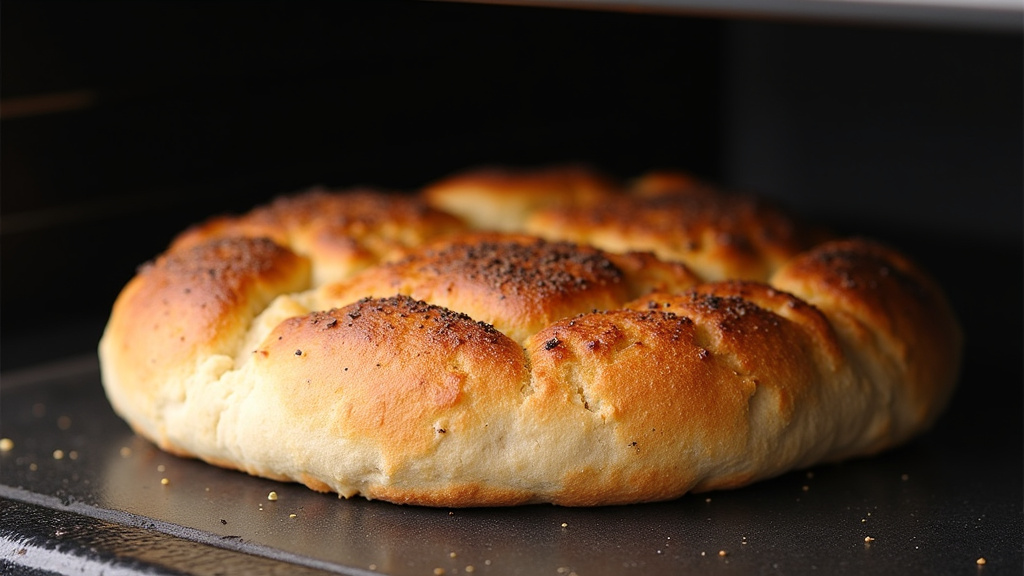
Step-by-Step: Your First Pizza Oven Loaf
Ready to give it a go? Here’s a simplified guide to get you started on your pizza oven bread journey. Remember, practice makes perfect, and every oven is a little different.
- Prepare Your Dough: Have your favorite bread dough ready to go. It should be well-proofed and shaped.
- Preheat Your Oven: Get your pizza oven nice and hot, then let it cool slightly to your target bread-baking temperature (around 450-500°F or 230-260°C).
- Load the Dough: Generously flour your pizza peel. Place your shaped loaf onto the peel. Gently shake the peel to ensure the dough isn’t sticking.
- Launch the Bread: Carefully slide the dough from the peel onto the preheated baking stone in your oven. Aim for the hottest, most stable part of the oven floor.
- Bake and Turn: Bake for about 15-20 minutes. After about 10 minutes, you may need to rotate the loaf for even browning, especially if you have hot spots. Use your peel or tongs for this.
- Check for Doneness: The bread is done when it has a deep golden-brown color and sounds hollow when tapped on the bottom. The internal temperature should be around 200-210°F (93-99°C).
- Cool Properly: Remove the bread from the oven and let it cool completely on a wire rack before slicing. This allows the internal structure to set.
Troubleshooting Common Pizza Oven Bread Issues
Even with the best intentions, things can go awry. Don’t get discouraged! Most common problems have simple solutions.
Crust Too Dark, Inside Underdone
This is a classic “too hot, too fast” scenario. You’ll need to lower your oven temperature or extend the cooling time before baking. Try banking your fire more or letting the oven sit for longer after it’s reached temperature. You might also need to turn the bread more frequently to ensure even exposure to heat.
Crust Too Pale or Soft
Your oven might not be hot enough, or you might be opening the door too often. Ensure your oven is properly preheated. For a crispier crust, consider baking at a slightly higher temperature or for a few extra minutes. Sometimes, a short blast of high heat at the end of baking can help crisp things up.
Bread Sticking to the Peel
This is usually due to insufficient flour on the peel or dough that’s too wet. Make sure you’re using enough flour (or cornmeal/semolina) on your peel. Work quickly once the dough is on the peel; the longer it sits, the more likely it is to stick. If the dough is very sticky, try a bit more flour.
Tips for Success and Next Steps
Learning to bake bread in your pizza oven is a rewarding journey. It combines the primal satisfaction of working with fire and dough with the joy of a delicious, homemade loaf. Here are a few final pointers to help you along the way.
- Start Simple: Begin with easier doughs like focaccia or a basic white loaf.
- Keep Notes: Record your oven temperatures, bake times, and what worked or didn’t work for each loaf.
- Observe Your Oven: Get to know its hot spots and how quickly it heats and cools.
- Don’t Fear the Flame: Embrace the unique environment your pizza oven provides.
With a little patience and experimentation, you’ll soon be pulling beautiful, crusty loaves from your pizza oven, impressing yourself and anyone lucky enough to share them with you. It’s a fantastic way to expand your baking repertoire!
Conclusion
You’ve learned that baking bread in your pizza oven is absolutely achievable and rewarding. The intense heat is perfect for creating that sought-after crisp crust and impressive oven spring. While managing the temperature is key, you now have the knowledge to approach it confidently. Don’t be afraid to experiment with different doughs and techniques. Your next step? Gather your ingredients, preheat that oven, and bake your first delicious loaf. You’re ready to enjoy fantastic homemade bread made with fire and passion.
Frequently Asked Questions
How long does it take to bake bread in a pizza oven compared to a regular oven?
Bread typically bakes faster in a pizza oven, often between 15-25 minutes, depending on the loaf size and oven temperature. A regular oven might take 30-45 minutes for a similar loaf.
Do I need to use a Dutch oven inside my pizza oven for bread?
Generally, no. Pizza ovens create a naturally steamy environment that often makes a Dutch oven unnecessary for good crust development. You can try it if you’re experimenting with very lean doughs.
What’s the best way to prevent my bread from burning on the bottom?
Ensure your baking stone isn’t too hot, or consider using a slightly thicker pizza steel which distributes heat more evenly. Rotating the loaf partway through baking also helps prevent one side from getting too much direct heat.
Can I bake sourdough bread in a pizza oven?
Absolutely! Sourdough is fantastic in a pizza oven. The high heat encourages excellent oven spring and that signature crackly crust that sourdough lovers crave.
How do I know when my bread is done baking in a pizza oven?
Your bread is ready when it’s a deep golden-brown color all over and sounds hollow when you tap the bottom. For precision, an internal temperature of 200-210°F (93-99°C) confirms it’s fully baked.
