How to Make Easy Pan Pizza Dough
For an easy pan pizza dough recipe, mix flour, yeast, water, salt, and oil, then let the dough rise until puffy. Press it into an oiled pan, add toppings, and bake until the center is cooked and the base is browned.
On this page (9 sections)
- What ingredients make easy pan pizza dough?
- How do you make pan pizza dough step by step?
- How can you get a fluffy crust?
- What pan should you use for pan pizza dough?
- How do you keep pan pizza dough from sticking?
- What toppings work best on pan pizza?
- Why is pan pizza dough dense or undercooked?
- Can you refrigerate pan pizza dough?
- Which easy pan pizza dough recipe should you use?
For an easy pan pizza dough recipe, mix flour, yeast, water, salt, and oil, then let the dough rise until puffy. Press it into an oiled pan, top it, and bake until the center is cooked and the bottom is golden.
This method makes dough for a soft, fluffy center with a browned base. The dough is forgiving: if it resists stretching, give it a short rest and try again instead of forcing it.
What ingredients make easy pan pizza dough?
Flour, yeast, water, salt, and olive oil make a simple pan pizza dough. A little sugar can help feed the yeast, but it isn't required.
For adjustments to the dough's water balance, see the pizza dough hydration guide.
For one 12-inch pan pizza, use:
- 2 ½ cups all-purpose flour, plus a little more for handling
- 1 teaspoon instant yeast
- 1 teaspoon sugar, optional
- 1 teaspoon fine salt
- ¾ cup warm water
- 1 tablespoon olive oil, plus more for the pan
The water should feel warm, not hot. Very hot water can harm yeast, while cool water may slow the rise.
How do you make pan pizza dough step by step?
Mix the ingredients, knead until smooth, and let the dough rise until puffy. Then press it into an oiled pan and give it a second rest before baking.
- Stir the flour, yeast, sugar if using, and salt in a bowl.
- Add warm water and olive oil, then stir until a rough dough forms.
- Knead on a lightly floured surface for about 6 to 8 minutes, until smooth and elastic.
- Put the dough in a lightly oiled bowl, cover it, and let it rise for about 1 to 2 hours.
- Oil the baking pan and place the dough in the center.
- Press the dough outward with oiled fingertips, leaving a slightly thicker edge.
- Let it rest in the pan for 20 to 30 minutes, then add sauce and toppings.
- Bake at 450°F until the crust is browned and the toppings are cooked, usually 15 to 20 minutes.
Ovens and pans vary, so check the pizza before the end of the baking window. If the top is ready before the base browns, move the pan lower in the oven for the remaining time.
For the cooking setup and timing, see how to cook pizza in a pan. If you want a square pie with a thicker, airy base, compare the dough approach in how to make Detroit style pizza.
How can you get a fluffy crust?
Give the dough enough time to rise and rest in the pan. That second rest helps it relax, so it can spread without tearing.
A dough that looks puffy and has roughly doubled is ready for shaping. If it has not expanded much, wait longer; cooler kitchens often slow yeast.
Oil your fingertips lightly and press from the middle toward the edges. If the dough keeps shrinking, pause for 10 minutes before continuing.
For a taller, soft-sided pie, choose a pan with enough depth to hold the dough as it rises. A deep rectangular baking dish can also work for a thick, focaccia-like pizza.
For a Detroit-style variation, explore Detroit style pizza ideas.
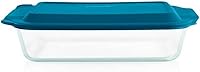
The Pyrex Deep is a glass baking dish with a BPA-free plastic lid, useful for covering dough while it rises or storing leftovers. Its rectangular shape makes it a better fit for a pan pizza than for a round pie.
Check the dish's oven guidance and avoid moving cold glass directly into a hot oven. For a dough style with a tall, airy crumb, use this Sicilian pizza dough recipe as another reference.
What pan should you use for pan pizza dough?
Choose a pan that matches the shape and thickness you want. A round pizza pan spreads the dough into a flatter pie, while a deeper dish supports a taller crust.
A perforated pan lets moisture escape through its holes, which can help the bottom bake crisp. It suits a thinner pan pizza better than a thick dough that needs support as it rises.
The GoodCook AirPerfect Pizza Pan with Cutting Guides has a nonstick coating, cutting guides, and molded feet that raise the hot pan off a counter. The pan is round, so shape the dough to fit its surface rather than expecting a deep-sided crust.
Read more about how to use a perforated pizza pan if you're choosing a thinner crust or want to understand how the holes affect baking. For a dough meant for high heat, see how to make pizza dough for a pizza oven.
How do you keep pan pizza dough from sticking?
Coat the pan with oil before adding the dough. Press the dough across the oiled surface and check that it hasn't left dry patches around the edges.
Nonstick pans can make serving easier, but a thin layer of oil still helps brown the base. Avoid using sharp tools directly on a coated pan.
The GoodCook AirPerfect Nonstick 16” Pizza Pan set has two perforated pans with cutting guides and molded feet. Its broad round surface works for family-sized pies, while the perforations suit dough intended for a crisp bottom.
Let the pan cool before cleaning, and follow the care guidance for its coating. If you want to fry rather than bake dough, try this pizza fritta recipe.
What toppings work best on pan pizza?
Use a moderate amount of sauce and toppings so the center cooks through. Wet ingredients can release moisture and leave the dough heavy.
Spread sauce in a thin layer, leaving a small border. Add cheese and toppings evenly, and drain or pat wet ingredients dry before they go on the pizza.
For a thicker crust, avoid piling toppings high in the middle. That keeps the center from lagging behind the edges during baking.
Why is pan pizza dough dense or undercooked?
Dense dough usually needs more rise time, while a wet center often needs less topping or longer baking. Check the dough and the base before changing the recipe.
If the dough barely expanded, cover it and give it more time in a warm spot. Don't add a large amount of flour to a sticky dough; use a small dusting only when kneading or shaping.
If the crust browns before the center cooks, lower the oven temperature slightly and bake longer. A thinner layer of toppings can also help heat reach the middle.
Can you refrigerate pan pizza dough?
Yes, refrigerate covered dough for up to a day, then let it warm and relax before shaping. Chilling slows yeast activity and can make the dough easier to plan ahead.
After mixing, place the dough in an oiled covered container with room to expand. Before baking, let it sit at room temperature until it no longer feels tight and presses into the pan without snapping back.
For more on ingredients and tools that go into dough, read what you need to make pizza dough for a pizza oven. The same basic ingredients apply, though the best dough thickness and bake method depend on your oven and pan.
Which easy pan pizza dough recipe should you use?
For a soft, fluffy pan crust, use the basic dough, allow both rests, and oil the pan well. Choose a deeper dish for a thicker, rectangular pie, or a perforated round pan for a flatter base that can brown crisply.
Keep the toppings light enough for the center to cook. If you want a taller square crust, follow the Sicilian pizza dough recipe; if you want a crisp, airy square pie, use the Detroit style pizza method.
Frequently asked questions
How long should pan pizza dough rise?
Let the dough rise until it looks puffy and has grown noticeably, usually about 1 to 2 hours at room temperature. The time depends on room temperature and yeast activity, so use the dough's appearance as your guide.
If your kitchen is cool, allow more time.
Can I make pan pizza dough ahead?
Yes. After mixing, cover the dough and refrigerate it for up to 24 hours, then let it warm until relaxed before pressing it into the pan.
A slower rise can build flavor, but the dough should still look puffy before baking.
Should I stretch pan pizza dough or roll it?
Press pan pizza dough outward with oiled fingertips rather than rolling it thin. If it springs back, leave it alone for 10 minutes and press again.
This gives the dough time to relax and helps keep the rim thicker than the center.
What pan works for pan pizza dough?
Use a well-oiled, oven-safe pan with sides that can hold the dough and toppings. A round pizza pan suits a flatter pie, while a deeper baking dish can make a thicker crust.
Check your pan's size and oven guidance before baking.