Dough Mixer vs Bread Maker: Which Should You Choose? (November 2026)
Pick a dough mixer for control and a bread maker for automation. In a dough mixer vs bread maker choice, the mixer handles only mixing while the bread maker can knead, proof, and bake on its own.
On this page (15 sections)
- Dough mixer vs bread maker: the quick verdict
- The two machine types side by side
- Control over dough vs hands-off automation
- Proofing, shaping, and baking step by step
- Batch size and what each machine handles best
- Speed, power, and daily use
- Sourdough and specialty breads
- Counter space, storage, and cleanup
- Delay start, timers, and hands-off convenience
- Which machine suits your kitchen and routine?
- Who should buy which in this dough mixer vs bread maker choice
- Mixer picks for dough-focused bakers
- Bread maker picks for hands-off bakers
- Care, safety, and long-term use
- Final verdict: pick by control or convenience
Pick a dough mixer if you want control over every step, and pick a bread maker if you want a loaf with minimal manual time. A dough mixer replaces hand kneading, while a bread maker can carry the dough through kneading, rising, and baking.
The 4 machines here show that split clearly. Two are stand mixers that stop after mixing, and two are bread makers that can finish the loaf for you.
Our score weighs specs, features and buyer feedback against what you're shopping for. We have not tested these machines manually, and the claims below are tied to the specs for each model.

 Best for hands-off loaves
Cuisinart Compact 2 Lb. Automatic Programmable Bread
Dough mixer vs bread maker: the quick verdict
A dough mixer gives you control, and a bread maker gives you automation. That one difference drives almost every other choice in this comparison.
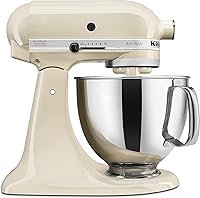
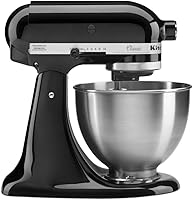
A stand mixer like the Kitchen in the box Stand Mixer mixes batter and dough with a whisk, beater, or dough hook. You then handle proofing, shaping, and baking yourself.
A bread maker like the Cuisinart Compact 2 Lb. Automatic Programmable Bread handles kneading, rising, and baking when you use a full bread program.
You add ingredients, choose settings, and wait.
If you bake often and vary recipes, the mixer route fits better. If you want fresh sandwich bread with the least effort, the bread maker route fits better.
The two machine types side by side
Stand mixers mix only, while bread makers can bake. Weigh your daily routine before you weigh the feature list.
The Kitchen in the box Stand Mixer has a 3.2Qt bowl, 6 speeds, and 300 watts. It weighs under 7 pounds and measures 12.9 by 7 by 10.2 inches, so it suits a small kitchen.
The ZACME 8.4QT Commercial Stand Mixer 800W has a much larger 8.4QT bowl and 800 watts. It weighs 33 pounds and measures 18.11 by 12.2 by 16.3 inches, so it needs clear counter space.
The Cuisinart uses 550 watts and makes loaves up to 2 pounds. The KITCHENARM 29-in-1 SMART Bread Machine with Gluten also uses 550 watts and makes loaves up to 2 pounds.
Control over dough vs hands-off automation
Choose a mixer for recipe control and a bread maker for a set cycle. This is the core trade-off in any dough mixer vs bread maker decision.
With a mixer, you decide when kneading stops, how the dough feels, and when it moves to proofing. That control helps with pizza dough, sourdough, and enriched doughs.
With a bread maker, the machine follows a preset knead, rest, rise, and bake sequence. You trade some control for convenience and consistency.
The KITCHENARM narrows that gap with a HOME MADE menu. You can set cycle times for knead, rest, rise, and bake, and save up to 4 personalized menus.
The Cuisinart offers 12 programs, including white, French, whole wheat, sweet, artisan dough, jam, cake, and gluten free. Those presets help if you prefer to choose a program rather than build your own cycle.
Proofing, shaping, and baking step by step
A mixer leaves proofing and baking to you, while a bread maker can do them in the same pan.
After mixing with a stand mixer, you cover the dough, let it rise, shape it, and bake it in your oven. You can adjust each step for temperature, timing, and shape.
A bread maker keeps dough in one pan through rise and bake. The Cuisinart also has dough programs, so you can shape and bake separately if you want.
A mixer plus oven suits crusty artisan loaves or round boules. The bread maker pan suits a tidy sandwich loaf.
Batch size and what each machine handles best
Match bowl or loaf size to the batches you actually make.
The Kitchen in the box is built for small batches. Its 3.2Qt bowl suits a new baker, a 1 to 2 person household, or everyday mixing in a small kitchen.
The ZACME handles up to 3 kg of dough in its 8.4QT bowl. That suits large families, bulk baking, pizza for a group, or sourdough for sharing.
The Cuisinart and KITCHENARM both make 1 lb, 1.5 lb, or 2 lb loaves. Both fit a household that wants a daily loaf, not a large batch.
For a best mixer for bread dough pick, focus on bowl size and dough hook design. Too small a bowl forces splitting, while too large can struggle with a small batch.
Speed, power, and daily use
Power and speeds matter for dough stiffness, not just for cake batter. Stiff bread dough asks more from a motor than a thin batter does.
The Kitchen in the box offers 6 speeds and 300 watts. It can mix bread dough, thick batters, meringues, and whipped cream, but its small bowl is the main limit, not the speed count.
The ZACME offers 11 speeds and 800 watts, with metal gears and a digital display. Its timer function lets you set a countdown while it runs, so you can prep other ingredients.
Both bread makers use 550 watts. Their motors are tuned for a fixed kneading paddle in a pan, not for swapping between a whisk, beater, and dough hook.
An electric stand mixer with multiple attachments gives you range across recipes. A bread maker gives you range across bread programs, but not across mixing tools.
Sourdough and specialty breads
Sourdough bakers often prefer a mixer, while gluten free bakers often prefer a bread maker.
Sourdough needs flexible timing for starter, bulk ferment, shaping, and cold proofing. A mixer lets you mix, then move dough to your preferred container and schedule.
The ZACME lists sourdough, pizza, cake, cookies, frosting, and meringues. Its large bowl helps when starter and flour build to a big batch.
The KITCHENARM lists sourdough among 21 bread menus, plus gluten free, whole wheat, dark rye, brioche, and ciabatta. It also supports bread flour and all-purpose flour.
The Cuisinart has a dedicated gluten free program with a tuned knead and rise profile. For more on sourdough, see our best mixer for sourdough bread guide on bowl size and low-speed control.
Counter space, storage, and cleanup
A bread maker bakes in place, while a mixer needs a separate oven and more shaping space.
The Kitchen in the box measures 12.9 by 7 by 10.2 inches and weighs under 7 pounds. It stores in a cabinet easily, but you still need space to proof and shape dough.
The ZACME measures 18.11 by 12.2 by 16.3 inches and weighs 33 pounds. It needs a stable counter spot and room to tilt the head and remove the 8.4QT bowl.
The Cuisinart measures 10.25 by 13.25 by 11.25 inches. The KITCHENARM measures 14.2 by 8.9 by 12 inches, and both need ventilation space.
Cleanup follows workflow. A bread maker saves a separate loaf pan, while a mixer leaves bowl, hook, whisk, and beater to wash.
Delay start, timers, and hands-off convenience
Bread makers win on scheduled baking, while mixers win on flexible timing. Set your alarm so you can start the dough at a time that suits you.
The Cuisinart has a 13-hour delay start and a 60-minute keep warm function. You can load it at night and wake to fresh bread, then use the viewing window to check the rise.
The KITCHENARM has a 15-hour delay timer and a 1-hour keep warm function. It also has 15-minute power interruption recovery, which helps if power flickers during a cycle.
The ZACME has a countdown timer on its digital display. You can set the time, multitask, and return when mixing should stop, but it will not proof or bake after that.
The Kitchen in the box has no timer or delay start. You control speed with a knob and stop it when you choose, which is simple but fully manual.
Which machine suits your kitchen and routine?
Buy the machine that matches how you want to spend your time, not just what you bake.
Choose the Kitchen in the box for a small kitchen and small batches. Its tilt head, splash lid, and 4 anti-slip suckers help with daily mixing.
Choose the ZACME for bulk baking and pizza for a group. Its 8.4QT bowl and 800W motor suit large batches, but it needs space and strength to move.
Choose the Cuisinart for fresh loaves with a button press and delay start. Its 12 programs and 3 crust shades suit sandwich bread on a schedule.
Choose the KITCHENARM for customizing cycles and saving recipes. Its 29 menus and HOME MADE programming suit bakers who want control inside automation.
If you own a strong oven setup, a mixer pairs well with other tools. Our guide on how to cook bread in a pizza oven shows dough mixed separately baking in a different oven.
Who should buy which in this dough mixer vs bread maker choice
Small-batch bakers should start with the compact mixer, and hands-off bakers should start with a bread maker.
A small household baking once or twice a week will likely use the Kitchen in the box more. It mixes, whips, and beats without taking over the counter.
A household wanting daily sandwich bread will likely use the Cuisinart more. Delay start and keep warm solve morning timing.
A bulk baker making large pizza or sourdough will likely use the ZACME more. It handles a full batch at once without repetitive hand mixing.
A recipe tester adjusting cycle times will likely use the KITCHENARM more. Saving 4 personalized menus speeds repeat baking.
For KitchenAid options, see our best kitchenaid dough mixer guide and our kitchenaid artisan mixer review.
Mixer picks for dough-focused bakers
If control is your goal, compare mixers by bowl size, attachments, and speed range.
The Kitchen in the box includes a whisk, beater, and dough hook in a 3.2Qt stainless steel bowl. Its aluminium hook and beater, plus stainless steel whisk, cover daily mixing.
The ZACME includes a dough hook, wire whip, flat beater, and 8.4QT stainless steel bowl. Its planetary action rotates beaters around the bowl for a uniform mix.
Both mixers have tilt-head designs for easier bowl and accessory changes. Both leave proofing and baking to you after mixing ends.
Our best stand mixer for dough roundup covers more mixer options. For baking outside a standard oven, check what do you need to cook bread in a pizza oven before buying extra gear.
Bread maker picks for hands-off bakers
If automation is your goal, compare bread makers by programs, loaf sizes, and customization. Those factors shape how hands-off your baking can be.
The Cuisinart gives you 12 programs, 3 loaf sizes, 3 crust shades, and a paddle-removal alert. Its vertical metal non-stick pan makes a 2 lb loaf that slices into sandwich squares.
The KITCHENARM gives you 29 menus, 3 loaf sizes, 3 crust colors, and cycle-level customization. Its 1-press operation saves your menu, loaf size, and crust color for the next bake.
Both plug into 120 volts and use 550 watts. Both need hand washing for the pan, so plan cleanup into your routine.
A bread maker still limits shape. You get a pan loaf, not a free-form boule, unless you use a dough program and shape the dough yourself.
Care, safety, and long-term use
Keep motors, bowls, and pans clean and dry, and follow each manual for heat and power rules. Good care protects both mixing performance and food safety.
For stand mixers, remove the bowl and attachments before wiping the base. Keep food residue away from the joint where the attachment locks in, and dry parts fully before storage.
For bread makers, hand wash the pan and paddle as directed, and avoid metal utensils that can scratch the non-stick surface. Let the machine cool before cleaning inside, and keep the viewing window clear.
Do not overload a mixer bowl with dough beyond its capacity. The Kitchen in the box warns against large batches in its small bowl, and the ZACME lists a maximum dough amount of 3 kg.
Unplug any machine before changing attachments or reaching inside. Keep cords away from heat, and store a heavy mixer like the ZACME where you can lift it safely without straining.
Final verdict: pick by control or convenience
In this dough mixer vs bread maker comparison, control points to a mixer and convenience points to a bread maker. Make that call first, then match size and features to your recipes.
Pick the Kitchen in the box for a compact, lightweight mixer for small daily batches. Pick the ZACME for large batches and bulk dough with a timer.
Pick the Cuisinart for simple automation with delay start and preset programs. Pick the KITCHENARM for customizable cycles and saved personal menus.
If you want to learn dough before you automate it, start with a mixer and add a bread maker later. If you want a loaf tomorrow morning with almost no manual time, start with a bread maker and add a mixer later for pizza and sourdough.
Frequently asked questions
Is a dough mixer or a bread maker better for beginners?
A bread maker is easier for beginners who want a finished loaf with little manual time. A dough mixer suits beginners who want to learn dough handling, shaping, and proofing step by step.
Can a bread maker make pizza dough?
Yes, many bread makers have dough programs that mix and rise dough without baking it. You then shape the dough and bake it separately, which gives you more control over the final crust.
Can a stand mixer bake bread?
No, a stand mixer only mixes. You still need to proof the dough, shape it, and bake it in an oven.
That extra work gives you control over shape, crust, and bake style.
Which machine handles sourdough better?
A dough mixer often suits sourdough because you can control mixing and bulk fermentation outside a fixed cycle. A bread maker can mix sourdough-style dough, but timing and shaping remain more constrained.