Cast Iron Pizza Pan vs Pizza Stone: Which Should You Choose? (November 2026)
Pick a cast iron pizza pan for a crisp, contained crust and easy handling, and pick a pizza stone for a flat, oven style baking surface. In a cast iron pizza pan vs pizza stone choice, your oven size, dough style and how you lift and clean the surface will decide the winner.
On this page (11 sections)
- Cast iron pizza pan vs pizza stone: the quick verdict
- The two side by side
- Heat retention and crust results
- Handling and oven fit
- Care and long term use
- Which suits your pizza style?
- Lodge pan versus Home-Complete pan
- Stone versus steel in this comparison
- Is a stone or cast iron better for a home oven?
- Who should buy which?
- Cast iron pizza pan vs pizza stone: final verdict
Pick cast iron for a contained, crisp crust and pick a stone for a flat, slide-on pizza. This cast iron pizza pan vs pizza stone guide compares heat, crust, handling and care, so you can match the surface to the pizza you make most.
A cast iron pan has walls that hold dough and cheese in place. A stone has a flat deck that works well with a peel and a hot oven.
We compared specs, materials and buyer patterns for the four products here. Our score weighs specs, features and buyer feedback against what you are shopping for.
We research products and we do not test them hands on.
 Best for classic stone baking
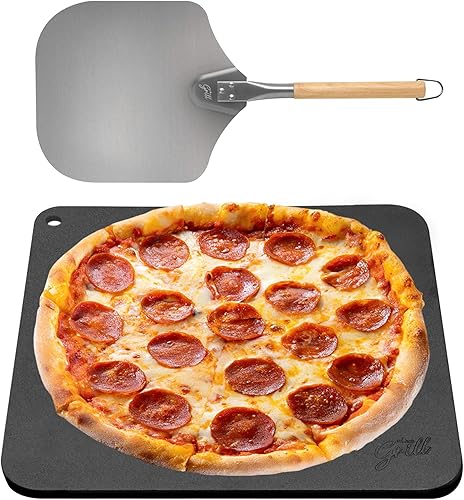
Hans Grill Rectangular Pizza Stone with Peel
Cast iron pizza pan vs pizza stone: the quick verdict
Cast iron wins for contained crusts. A stone wins for flat, peel launched pizzas.
Choose based on how you like to build and move the pizza.
A cast iron pizza pan lets you press dough into the pan, add toppings and bake it all as one piece. That helps with thick crusts, deep dish style pizzas and beginners who want cheese to stay put.
A pizza stone suits a thinner, flatter pizza. You build on a peel, launch it onto the hot stone and bake it without a pan edge.
That gives you a more classic baked base and easy access to the crust.
The steel in this comparison is a flat metal option rather than a stone. It sits between the two on handling, so we mention it where it helps you decide.
It is not a cast iron pan and it is not a cordierite stone.
The two side by side
The main split is contained pan versus flat surface. A pan holds your dough.
A stone or steel lets you slide dough across a flat deck.
| Feature | Lodge cast iron pan | Home-Complete cast iron pan | Hans Grill stone | Hans Grill steel |
|---|---|---|---|---|
| Shape | Round, 14 in | Round, 14 in | Rectangular, 15 x 12 in | Square, 13 x 13 in |
| Material | Cast iron, pre-seasoned | Cast iron, seasoned | Cordierite stone | Steel, 1/4 in thick |
| Weight | 9.55 lb | 6.7 lb | 7.8 lb | 13.1 lb |
| Peel included | No | No | Yes | Yes |
| Best use | Contained pizza and flatbread | Pizza plus griddle foods | Flat pizza, bread and pastry | Flat pizza, bread and calzone |
A cast iron skillet gives a useful clue here. A skillet has taller walls and a handle, while a pizza pan is shallower and wider.
That lower wall makes a pizza pan easier to slide into an oven and easier to cut into.
Size matters before material. A 15 x 12 in stone needs a different oven opening than a 14 in round pan.
Measure your oven racks and your peel length before you order, so the surface fits with room to turn.
Heat retention and crust results
Cast iron and thick steel hold heat well. Cordierite distributes heat evenly across the base.
Each one can crisp a crust when fully preheated.
Cast iron keeps heat for a long time. That helps the bottom of the crust continue to brown while the top cooks.
The Lodge pan is made to support uniform cooking and reduce hot spots. That matters when your oven has weak spots near the back.
Cordierite stone heats more slowly and spreads heat across the surface. Hans Grill says its stone distributes heat evenly for a finish from the base up.
That can suit a thin crust that needs steady bottom heat rather than a sudden surge.
The Hans Grill steel is 1/4 in thick. Hans Grill says that thickness balances heat up time and crisping power.
Thicker steel would take longer to heat. Thinner steel might not crisp the base as well.
At 13.1 lb, it is the heaviest option here, so leave it in place while it heats.
Preheating is not optional with any of these. A cold stone or pan will make a pale, soft base.
Give the surface time to reach oven temperature, and keep the oven door closed during the bake.
Handling and oven fit
A pan with handles is easier to move. A stone needs a peel and a flat hand.
Think about how you will get food in and out safely.
The Lodge pan has dual handles for lifting a full pan to the table. It weighs 9.55 lb, so use thick mitts and keep the path clear.
The Home-Complete pan weighs 6.7 lb with dual handles, so it is lighter to move. It holds up to a 13 in pizza, so a 14 in pan does not mean a 14 in crust.
A cast iron pizza pan 12 inch may suit a smaller oven or dough ball better.
The Hans Grill stone weighs 7.8 lb and includes a wooden peel. The steel weighs 13.1 lb and also includes a peel, but you need room to pull it back without hitting the oven door.
Check rack height before you buy. Measure from rack to heating element and to oven floor, and see our best cast iron pizza pan guide for sizes and finishes.
Care and long term use
Cast iron needs drying and a little oil. A stone needs gentle washing and no scrubbing.
Each surface rewards simple care.
For cast iron, rinse with hot water and wipe with a soft sponge. Dry well to prevent rust, and season Home-Complete before first use by covering it with a thin layer of oil and heating upside down in the oven for 1 hour at 350 degrees F.
The Lodge pan is hand wash only and oven safe. It comes pre-seasoned with vegetable oil and improves with use, so avoid long soaking and dry it before rubbing in a thin layer of oil.
The Hans Grill stone is hand wash with warm water only. Staining is normal and will not affect performance, so a used look does not mean it has failed.
The steel is also hand wash with warm water only. Its smooth surface lets residue wipe away with water and no soap, so skip harsh tools that can scratch it.
Store cast iron dry and away from damp air. Store a stone flat without heavy items on it, as it can crack from a knock or sudden temperature change.
Which suits your pizza style?
Choose cast iron for thicker crusts and cheese that must stay in place. Choose a stone for thin, flat pizzas you launch with a peel.
Your dough will point you to the right surface.
Cast iron suits a pan pizza with a defined edge. You can press dough into the pan, let it rise a little and bake until the rim is golden, while the wall keeps toppings from sliding off.
Cast iron also suits flatbread and shareable meals. For more Lodge options, see Lodge cast iron baking pans.
The Lodge pan is described for homemade pizzas, flatbreads and shareable meals, which helps if you want one pan beyond pizza night.
A stone suits a thinner crust and a classic bake. You stretch dough, top it on a peel and slide it onto the hot surface for full access to base and rim.
The Hans Grill stone is described for pizza, pies, pastry, frozen pizza, calzone and artisan bread. It will not hold runny tomato sauce the way a pan will.
The steel suits flat pizza, sourdough bread and calzone for oven and BBQ cooking.
Learn the pan method first if you buy cast iron. Our guide on how to use a cast iron pizza pan walks through dough, preheating and serving.
Lodge pan versus Home-Complete pan
Pick Lodge for a ready to cook surface. Pick Home-Complete for a lighter, more versatile pan.
Both are 14 in cast iron, but they ask different things of you.
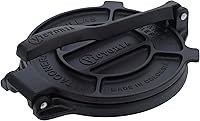
The Lodge BOLD Pre-Seasoned Cast Iron Pizza Pan is 14 in and pre-seasoned with dual handles. It is made for oven baking and grill use, but Lodge says it is not recommended for stovetop use.
The Home-Complete Cast Iron Pizza Pan is also 14 in. It is listed for gas, electric and induction stovetops, plus oven, grill and campfire use, and holds up to a 13 in pizza.
It also suits bacon, crepes, tortillas and other griddle style foods. That wider range is the main benefit over Lodge if you use a pan beyond pizza.
Seasoning is the key trade off. Lodge arrives ready to cook, while Home-Complete says to season before first use.
Lodge weighs 9.55 lb and Home-Complete weighs 6.7 lb. That gap matters when you lift a hot pan out of a low oven.
If you already know Lodge, our guide to using a lodge cast iron pizza pan covers care and first bakes.
Stone versus steel in this comparison
A cordierite stone is gentler and lighter. A steel plate is heavier and more forgiving on handling.
Both need a peel and a hot oven.
The Hans Grill stone is 15 x 12 in and weighs 7.8 lb. It is made from cordierite and is rated to 1112 °F.
It includes a peel. Its rectangular shape fits an oven rack path well and gives you room for rectangular flatbreads.
The Hans Grill steel is 13 x 13 in and weighs 13.1 lb. It is 1/4 in thick and includes a beechwood handle peel.
It is also rated to 1112 °F. At 13 x 13 in, it fits most ovens and BBQs, according to Hans Grill.
A steel plate can take a knock that might chip a stone. It will not crack from a sudden change in heat the way a stone can.
A stone can stain and that is normal. A steel plate should stay smooth if you wash it with warm water only and avoid abrasive scrubbing.
If you are still weighing flat surfaces, read How Do You Choose Between Pizza Stone or Pizza Steel? before you buy.
Is a stone or cast iron better for a home oven?
Cast iron is often easier for beginners. A stone is better if you already use a peel.
Your skill and your oven will decide.
Beginners often do better with a cast iron pan. You can build the pizza in the pan, see where the toppings sit and carry the whole thing to the oven.
There is no launch to miss and no peel to learn.
A stone rewards practice. You need to stretch dough thin enough to slide, keep the peel floured and move with a steady pull.
If the dough sticks, toppings can shift and the bake can turn into a mess.
Oven size can also decide. A 14 in round pan needs a wide rack and space to lift it out.
A 15 x 12 in stone needs length. A 13 x 13 in steel needs both width and depth.
Measure before you order.
Our comparison of Which Is Better Pizza Stone or Pizza Steel? can help if you prefer a flat surface. That guide focuses on flat options, while this post adds cast iron pans to the choice.
Who should buy which?
Buy cast iron if you want control. Buy a stone if you want a classic flat bake.
Use your past pizza habits as the guide.
Choose the Lodge pan if you want a round, pre-seasoned pan for pizza and flatbread. It suits oven baking, grill use and serving at the table for shareable meals.
Choose the Home-Complete pan if you want cast iron that can move from stovetop to oven to grill. It suits pizza plus other foods if you do not mind seasoning before first use.
Choose the Hans Grill stone if you want a classic stone with a peel. It suits pizza, bread, pastry and calzone in an oven or on a BBQ, and suits a baker who does not mind stains.
Choose the Hans Grill steel if you want a heavy, flat plate for high heat baking. It suits pizza, bread and calzone and fits a cook who has room for a 13.1 lb plate.
Size still matters. A 14 inch cast iron skillet is not the same as a 14 in pizza pan.
A skillet has deeper walls and a long handle, while a pizza pan is shallower and wider for dough.
Cast iron pizza pan vs pizza stone: final verdict
Pick cast iron for a contained crust and easy building. Pick a stone for a flat, peel launched pizza.
This cast iron pizza pan vs pizza stone choice comes down to how you make pizza now.
If you press dough into a pan, want a crisp edge and want to carry the bake to the table, cast iron will likely serve you best. The Lodge pan is ready to cook and the Home-Complete pan gives you more ways to use it.
If you stretch thin dough on a peel and want a flat baked base, a stone will likely serve you best. The Hans Grill stone gives you a classic surface with a peel included.
The Hans Grill steel gives you a heavier flat option for high heat.
Measure your oven, think about your dough and choose the surface you will use each week. A pan you lift with ease and a stone you launch with care can both make good pizza at home.
Frequently asked questions
Is a cast iron pizza pan better than a pizza stone?
A cast iron pizza pan is better when you want a contained edge and a crisp crust you can lift out in one piece. A pizza stone is better when you want a flat surface for sliding dough on with a peel.
Your dough style and oven size should decide, rather than one option winning for every kitchen.
Which makes a crisper pizza crust?
Both can crisp a crust when preheated well. Cast iron holds heat and helps you build the base in the pan.
A stone or steel gives direct bottom heat for a flat bake.
Preheating time, oven temperature and dough thickness will affect the result as much as the surface itself.
Can a pizza stone go in a BBQ or grill?
Many stones are made for oven and BBQ use, and the Hans Grill stone here is rated to 1112 °F and described for grill and oven use. Check the exact model limits before you cook, and avoid sudden temperature changes that can crack a stone.
Cast iron pans also suit grills when the maker allows it.
How do you clean a cast iron pizza pan?
Rinse with hot water, use a soft sponge, then dry the pan well and rub a thin layer of oil over the surface if needed. The Lodge pan here is hand wash only and oven safe, while Home-Complete says to dry well to prevent rust.
Avoid long soaking and harsh scrubbing.
Do you need a peel with a pizza stone?
A peel helps you slide raw dough onto a hot stone without burning your hands or shifting toppings. The Hans Grill stone and steel sets here both include a peel.
If you stretch dough on parchment, you may need less peel skill, but you still need a safe way to move the pizza.