
What Is the Safest Way to Roast Vegetables in a Pizza Oven?
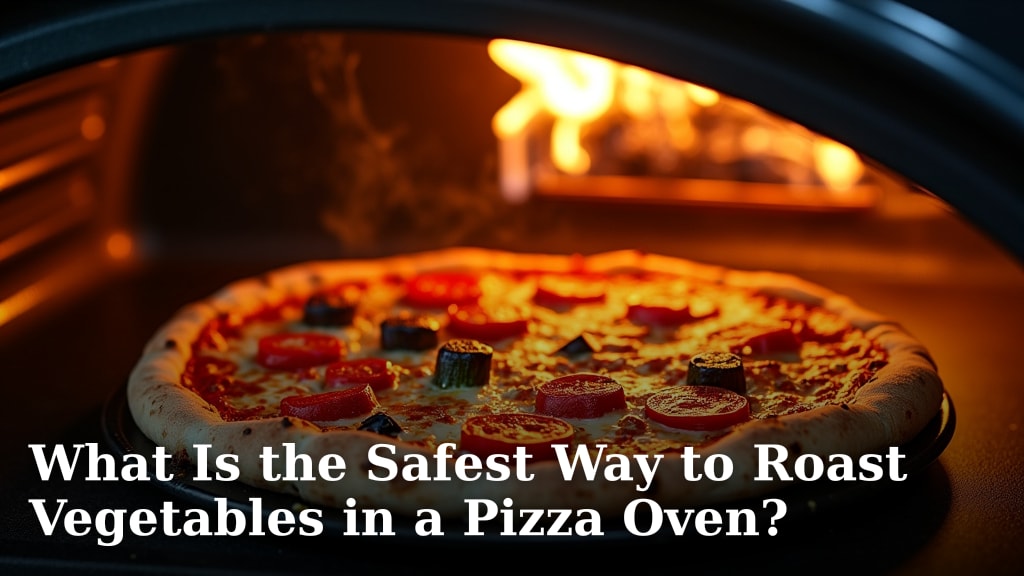
The safest way to roast vegetables in a pizza oven is by using a cast iron skillet or a high-quality baking dish. This ensures even cooking and prevents your veggies from falling through the grates or burning directly on the oven floor. Always maintain a medium-high heat for the best results.
Pizza ovens get incredibly hot, making them fantastic for achieving crispy, charred vegetables. However, without the right vessel, your produce can easily turn to ash. We found that a trusty cast iron skillet offers superior heat retention and allows for easy tossing, ensuring every piece gets kissed by the heat. Similarly, a sturdy baking dish works wonderfully for larger batches.
- Use a cast iron skillet for best results.
- A sturdy baking dish is a good alternative.
- Always preheat your oven to medium-high heat.
- Toss vegetables in a bit of oil for even roasting.
- Avoid placing vegetables directly on the oven floor.
Ready to achieve perfectly roasted veggies with your pizza oven? Let’s walk through the simple steps to make this happen.
Roasting Veggies Like a Pro in Your Pizza Oven
You’ve got that amazing pizza oven, and you’re ready to experiment beyond pizza. Roasting vegetables is a fantastic idea! The intense heat can give them a delicious char and smoky flavor. But how do you do it safely and effectively without turning your beautiful produce into charcoal briquettes? Let’s break down the best methods to get perfectly roasted veggies every single time. If you’re new to pizza ovens, you can learn to use a pizza oven safely for roasting vegetables.
Choosing the Right Vessel for Your Pizza Oven Veggies
When you’re working with a pizza oven’s super-high temperatures, the vessel you choose is super important. You can’t just toss vegetables directly onto the oven floor like you might with some pizzas. They’ll fall through any grates, burn unevenly, or get lost in the fiery abyss. Your goal is to protect your veggies while still allowing them to get that incredible heat exposure.
The Champion: Cast Iron Skillets
If there’s one piece of cookware that shines in a pizza oven, it’s cast iron. Why? It’s a heat-retaining superhero. Cast iron skillets absorb heat evenly and hold onto it, making sure your vegetables get a consistent blast of warmth. This is key for getting that perfect tender-crisp texture.
We’ve found that a standard 10- or 12-inch cast iron skillet is ideal for most home cooks. It’s large enough to hold a decent amount of vegetables without overcrowding, which is another crucial factor for good roasting. Overcrowding leads to steaming, not roasting, and nobody wants soggy roasted carrots.
When you use a cast iron skillet, you’re essentially bringing a mini-oven into your pizza oven. The thick metal walls help distribute heat around your vegetables. This leads to a more uniform cook, minimizing the need for constant stirring and reducing the risk of burning any single piece. Many seasoned pizza oven users swear by cast iron for this very reason. It’s a tried-and-true method that delivers excellent results.
A Reliable Alternative: High-Quality Baking Dishes
Don’t have a cast iron skillet, or need to roast a bigger batch? A sturdy baking dish is your next best friend. Look for dishes made from thick ceramic, stoneware, or even a heavy-duty stainless steel. These materials also offer good heat retention, though perhaps not quite as much as cast iron.
Make sure your baking dish is oven-safe to the high temperatures your pizza oven reaches. Most standard ceramic or stoneware dishes are designed for regular ovens, but pizza ovens can often exceed those temperatures. It’s wise to check the manufacturer’s specifications for your dish. A dish with a lip or rim is also beneficial. This helps contain your vegetables and any oil or seasonings you’re using, preventing spills.
We found that deeper dishes can sometimes take a bit longer to heat up. This means your vegetables might steam for a bit before they start to truly roast. If you notice this happening, try preheating the baking dish in the pizza oven for 10-15 minutes before adding your vegetables. This will give it a head start on achieving roasting temperatures.
What to Avoid: Direct Placement and Flimsy Pans
Please, for the love of perfectly roasted vegetables, do not place vegetables directly on the oven floor. Unless you’re aiming for blackened, crispy bits that taste like pure ash, this is a path you want to avoid. The direct, intense heat can incinerate them in moments.
Also, steer clear of thin, flimsy metal pans or trays. These often don’t retain heat well and can warp under the extreme temperatures. They’re more likely to lead to uneven cooking and potential disaster. Think of it like trying to cook a steak on a paper plate – it’s just not built for that kind of intensity. Stick with heavy-duty materials for the best outcome.
Prepping Your Vegetables for the Heat
Getting your vegetables ready is just as important as choosing the right pan. Proper preparation ensures they cook evenly and absorb all those delicious smoky flavors from your pizza oven.
The Power of Oil and Seasoning
Tossing your vegetables with a bit of oil is non-negotiable. Oil helps conduct heat, preventing sticking and promoting that lovely crispiness we’re all after. Extra virgin olive oil is a popular choice, but avocado oil or another high-heat oil also works beautifully. You don’t need a ton – just enough to coat everything lightly.
Beyond oil, seasoning is where the magic happens. Salt and pepper are your basic, reliable friends. But don’t be afraid to get creative! Think garlic powder, onion powder, paprika, or even a pinch of chili flakes for a little kick. Herbs like rosemary or thyme also hold up well to the heat and add fantastic flavor. Many culinary experts suggest seasoning generously before roasting (Mayo Clinic).
Cutting Techniques for Even Cooking
How you cut your vegetables makes a big difference. Aim for uniform sizes. If you have some broccoli florets the size of your thumb and others the size of a pea, the smaller ones will cook much faster and burn before the larger ones are even tender.
Here’s a general guideline for common vegetables:
| Vegetable | Ideal Cut Size | Notes |
|---|---|---|
| Broccoli/Cauliflower | 1-1.5 inch florets | Ensure stems are also chopped to a similar size. |
| Bell Peppers/Onions | 1-inch chunks or wedges | Cut along the natural grain for even roasting. |
| Zucchini/Squash | 1/2-inch thick rounds or half-moons | Avoid slicing too thin, as they can turn mushy. |
| Root Vegetables (Carrots, Potatoes) | 1/2-inch cubes or wedges | These need a little longer, so smaller pieces help. |
Remember, the goal is for all pieces of the same vegetable type to finish cooking around the same time. This prevents some pieces from being perfectly done while others are still raw or burnt.
Mastering Pizza Oven Temperatures for Veggies
Pizza ovens operate at much higher temperatures than standard kitchen ovens. This is what gives them their power for quick cooking, but it means you need to be mindful of the heat when roasting vegetables.
Finding the Sweet Spot: Medium-High Heat
For most vegetables, you’re aiming for a medium-high heat. This typically translates to around 400°F to 450°F (200°C to 230°C). This range is hot enough to create those desirable crispy edges and char marks, but not so hot that your vegetables turn to ash in minutes.
How do you know your oven’s temperature? If you have a built-in thermometer, use it! If not, you can learn to gauge the heat by observing the flame. When the flame has mostly died down and you have a bed of glowing embers, the oven is typically in the perfect roasting zone. This is often referred to as the “carryover cooking” phase after a pizza bake.
Preheating is Key!
Just like with pizza, preheating is essential. Your cast iron skillet or baking dish needs to be hot before the vegetables go in. Place your empty vessel in the oven while it’s heating up. Allow it to preheat for at least 15-20 minutes. A hot pan starts the cooking process immediately upon contact, giving you that coveted sizzle and sear.
We found that skipping the preheat can lead to vegetables sticking to the pan and not developing the right texture. The oven needs time to reach its full temperature, and so does your cookware. Patience here will be rewarded with superior results.
Monitoring and Rotating
Even with the right vessel and temperature, vigilance is key. Pizza ovens can have hot spots. You might need to rotate your pan partway through the cooking process to ensure even browning. Depending on the oven and the vegetables, this might be needed once or twice.
Keep an eye on your vegetables. They’ll likely cook faster than in a conventional oven, often in as little as 10-20 minutes. Look for signs of caramelization and tenderness. A quick poke with a fork will tell you if they’re soft enough for your liking. Many food safety guidelines suggest cooking vegetables until they are tender-crisp (CDC).
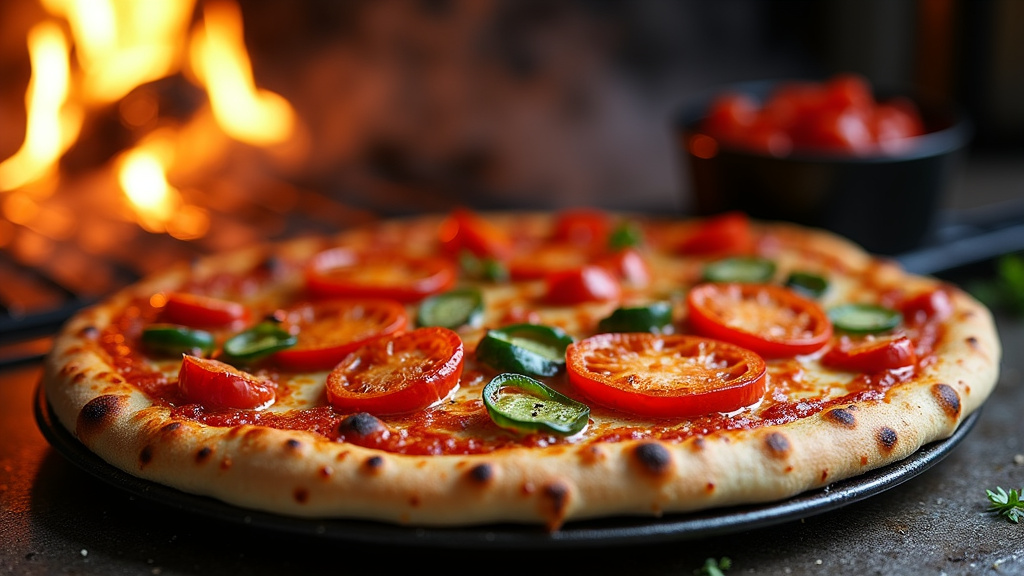
Safety First: Handling Hot Cookware
Pizza ovens are undeniably hot places. Taking a few basic safety precautions will ensure your vegetable roasting adventure is enjoyable and injury-free.
Essential Tools for Safe Handling
You absolutely need the right tools to move hot cast iron or baking dishes in and out of a blazing oven. Invest in a good pair of long, heat-resistant oven mitts or, even better, welding gloves. These will protect your hands and forearms from radiant heat and accidental brushes with hot surfaces.
A long-handled pizza peel or a sturdy metal spatula can also be incredibly helpful. You can use these to nudge the pan around inside the oven or to carefully lift it out once it’s done. Never use short tongs or regular kitchen mitts that don’t offer sufficient protection.
Working with the Heat Safely
Always open the oven door as little as possible. This helps maintain the oven’s temperature and reduces your exposure to intense heat. When you do need to interact with the oven, wear your protective gear. Make sure you have a clear path to where you’ll place the hot cookware once it’s removed.
Place hot skillets and dishes on a heat-proof surface, like a sturdy metal trivet or a concrete patio. Avoid placing them directly on wood decks or plastic surfaces, as the residual heat can cause damage. It’s always better to be overly cautious when dealing with extreme temperatures.
Quick Checklist for Safe & Delicious Roasted Veggies
Ready to put your knowledge to the test? Keep this simple checklist handy:
- Choose cast iron or a sturdy baking dish.
- Prep veggies: uniform cuts, oil, and seasonings.
- Preheat your chosen vessel in the oven for 15-20 minutes.
- Aim for medium-high heat (400-450°F).
- Use long oven mitts and safe removal tools.
- Monitor closely and rotate for even cooking.
Conclusion
You’ve now got the blueprint for roasting vegetables in your pizza oven like a pro. Remember, the key is using the right vessel – a trusty cast iron skillet or a sturdy baking dish – combined with the perfect medium-high heat. Proper prep and a watchful eye will ensure your veggies are perfectly tender with delicious char. So go ahead, fire up that oven and get ready to enjoy some incredibly flavorful roasted vegetables. Your next tasty side dish awaits!
Frequently Asked Questions
Can I roast vegetables directly on the pizza oven floor?
No, you should absolutely avoid placing vegetables directly on the pizza oven floor. The intense, direct heat will likely incinerate them quickly, turning them to ash rather than roasting them. Always use a cooking vessel like a cast iron skillet or baking dish.
What kind of oil is best for roasting vegetables in a pizza oven?
For roasting in a pizza oven, choose an oil with a high smoke point. Extra virgin olive oil is common, but avocado oil or even a neutral vegetable oil works well. Just ensure you use enough to coat the vegetables lightly for even cooking and crispiness.
How do I know when my vegetables are done roasting?
Your roasted vegetables are done when they are tender when pierced with a fork and have developed appealing caramelization or char marks. They cook faster in a pizza oven than a conventional one, so keep a close watch, usually around 10-20 minutes.
Is it okay to use a glass baking dish in a pizza oven?
While some glass dishes are oven-safe, pizza ovens reach temperatures that can be extreme for standard glass. It’s best to check your dish’s manufacturer specifications for heat tolerance. Heavy ceramic, stoneware, or cast iron are generally safer and more reliable choices.
My vegetables are steaming instead of roasting, what am I doing wrong?
Steaming usually happens when the oven or your cooking vessel isn’t hot enough, or if the vegetables are overcrowded. Ensure your oven and your cast iron skillet or baking dish are thoroughly preheated. Also, make sure you aren’t putting too many vegetables in the pan at once; cook in batches if needed.
