Types of Pizza Ovens: Which Should You Choose?
The main types of pizza ovens are electric, wood-fired, gas, countertop and built-in outdoor models. Choose based on your available space, fuel access, heat target, cooking speed and how much control you want.
On this page (12 sections)
- What types of pizza ovens are available?
- How do electric countertop pizza ovens work?
- What is a toaster-style pizza oven?
- How does a gas pizza oven compare with an electric oven?
- What makes a wood-fired pizza oven different?
- Which pizza oven placement is right for you?
- What cooking style should guide your choice?
- How should you compare pizza oven size?
- How do heat controls affect pizza results?
- What should you check before buying a pizza oven?
- How should you clean and care for each type?
- Which type of pizza oven should you choose?
The main types of pizza ovens are electric, wood-fired, gas, countertop and built-in outdoor models. Choose an electric countertop oven for simple indoor cooking, a wood-fired oven for live-fire flavor, or a gas model for fast outdoor heat with less fire management.
Your best choice depends on more than the fuel. Oven placement, cooking temperature, pizza size, heat recovery, cleanup and the amount of control you want all affect daily use.
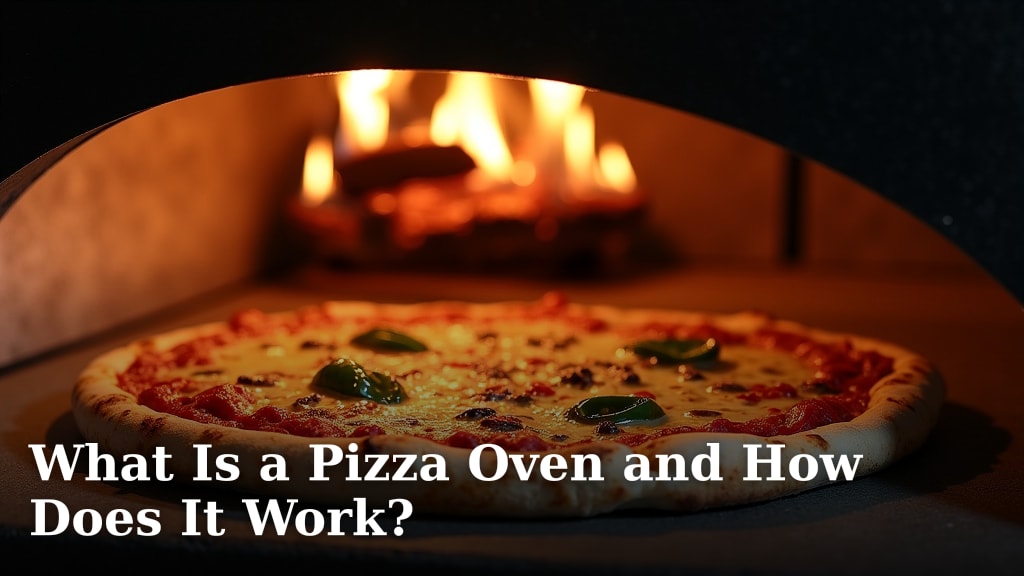
This guide compares the main types of pizza ovens and shows where each one fits. For a basic explanation of oven parts and heat movement, read What Is a Pizza Oven and How Does It Work?.
What types of pizza ovens are available?
The common types of pizza ovens are electric countertop, toaster-style, gas, wood-fired and built-in outdoor ovens. Each type solves a different cooking problem, from making a small pizza indoors to serving several pizzas outside.
| Type | Best placement | Main heat source | Best fit |
|---|---|---|---|
| Electric countertop | Kitchen counter | Electricity | Simple indoor pizza cooking |
| Toaster-style | Kitchen counter | Electricity | Pizza plus toast, baking and reheating |
| Gas | Patio or outdoor kitchen | Propane or natural gas | Fast outdoor cooking with adjustable heat |
| Wood-fired | Patio or outdoor cooking area | Firewood | High-heat baking and live-fire cooking |
| Built-in outdoor | Permanent outdoor kitchen | Gas, wood or another approved fuel | Dedicated entertaining space |
The categories can overlap. A compact electric oven may be a countertop pizza oven and an indoor oven, while a gas oven may be portable or built into an outdoor kitchen.
Start with placement before comparing features. A high-heat outdoor oven does not help if you only have a kitchen counter, and a compact indoor oven may not suit someone who wants to cook several pizzas for a group.
How do electric countertop pizza ovens work?
Electric countertop ovens use heating elements to warm the cooking area without an open flame. They are often the simplest choice for an apartment, small kitchen or buyer who wants pizza without storing fuel.
Electric ovens vary widely in heat range and cooking space. Some are made mainly for pizza, while others use a rotating tray, separate heating elements or a wider range of cooking modes.
Their main strengths are easy startup, straightforward controls and indoor placement. You also avoid ash, firewood storage and the setup time needed for a live fire.
The trade-off is that an electric countertop oven needs a suitable outlet and enough clearance around the appliance. It may also have a smaller cooking area than a full outdoor oven.
Electric heat can suit frozen, take-and-bake, deli and homemade pizza. The result depends on the oven's temperature, the dough thickness, the topping load and the surface supporting the pizza.
Which electric pizza oven suits a small kitchen?
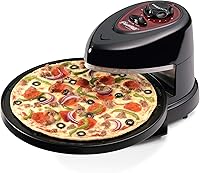
A compact electric pizza oven suits a small kitchen when you want dedicated pizza controls without giving up much counter space. Check its outside dimensions, pizza size range, power needs and cleaning method before placing it beside other appliances.
The Presto has a 14.5 in depth, 15.8 in width and 10.3 in height, with a 7.6 lb weight. Its removable nonstick baking pan can make cleanup and storage easier after cooking.
The continuously rotating tray is useful when you want the pizza to move through the heating area during baking. Separate top and bottom controls let you adjust how the crust and toppings finish.
The timer signals the end of cooking and automatically turns off the heating elements. That can help when you want a set cooking period instead of watching the oven continuously.
Presto describes this model as suitable for frozen, homemade, take-and-bake and deli pizza. It also identifies the oven for pizza sizes from 7 to 12 in and gives it a 1,235-watt power rating.
Choose this type if you want a compact appliance with direct controls and a removable pan. Skip it if you need a large pizza surface, a built-in installation or an outdoor live-fire cooking experience.
What is a toaster-style pizza oven?
A toaster-style pizza oven is a small electric oven that handles pizza along with tasks such as toasting, baking, broiling and warming. It is a practical choice when pizza is only one part of your cooking routine.
This type usually has a rack, a pan or both, plus a timer and basic temperature controls. It may use natural convection to move hot air around the cooking space.
A toaster-style oven can be more useful than a pizza-only appliance if you often reheat leftovers, toast bread or bake small portions. Its pizza capacity is usually smaller than a dedicated outdoor oven.
The main trade-off is that the compact interior may limit the pizza size and the amount of food you can cook at once. You may also need to preheat it for more consistent cooking.
Check the space above the food and the heating elements. A small oven needs careful loading so food and bakeware remain clear of the top elements.
Are toaster ovens good for homemade pizza?
Toaster ovens can work well for small homemade pizzas when the dough and toppings fit the interior. They are best for buyers who want one compact appliance that can also toast, bake, broil and keep food warm.
This BLACK+DECKER model measures 14.5 in wide, 10.8 in deep and 8.8 in high, with a 6.7 lb weight and a 10-liter capacity. Its curved interior fits a 9 in pizza or 4 slices of bread.
The four cooking functions give it a broader role than a pizza-only countertop oven. Natural convection airflow circulates heat, and the instructions call for a 10-minute preheat for more consistent cooking.
Its 30-minute timer includes toast settings and a stay-on option. The oven will not operate unless the timer is set or the stay-on function is selected.
A removable crumb tray supports routine cleanup. The description also identifies a baking and broiling pan and a toasting rack for the oven.
Choose it if you want one small appliance for pizza and other everyday jobs. It may not suit you if you regularly make pizzas larger than 9 in or want the stronger heat and cooking space associated with outdoor pizza ovens.
How does a gas pizza oven compare with an electric oven?
A gas pizza oven gives outdoor cooks adjustable heat without the firewood handling required by a wood-fired oven. It can suit buyers who want faster setup and direct flame control, but it needs the correct fuel connection, safe placement and outdoor ventilation.
Gas ovens may run on propane or natural gas, depending on the model. Portable units can be moved more easily, while built-in models require a planned outdoor kitchen layout.
The main benefit is control. You can adjust the burner instead of waiting for wood to burn down or adding more fuel to change the heat.
Gas heat can also suit repeated cooking sessions. Once the oven reaches the needed temperature, you can focus on launching, turning and removing pizzas.
The trade-offs include fuel storage, connection requirements and outdoor placement. Always follow the oven's instructions for the approved fuel, clearances and operating conditions.
Gas ovens do not automatically create a better crust. Dough hydration, thickness, stone or steel surface, heat balance and cooking time still matter.
For help choosing a style, compare different pizza dough types.
What makes a wood-fired pizza oven different?
A wood-fired pizza oven uses burning wood to create heat for cooking and can add a live-fire process to outdoor pizza making. It suits buyers who enjoy managing a fire and want a traditional outdoor cooking method.
Wood-fired ovens need time to light, heat and stabilize. You must select suitable dry wood, manage the fire and move hot embers safely during cooking.
The cooking style is more active than using a countertop electric oven. You may need to turn the pizza, watch the flame and adjust the fire as the oven changes temperature.
The main appeal is the combination of high heat, radiant heat and live-fire cooking. A wood-fired oven can also cook more than pizza, depending on its size and design.
The trade-off is maintenance and setup. Smoke, ash, fuel storage, outdoor clearance and fire safety all become part of ownership.
Choose wood only when you have a safe outdoor location and are willing to learn fire management. For fuel planning, see How to Choose Wood for a Pizza Oven? and What Do You Need to Choose Wood for a Pizza Oven?.
Which pizza oven placement is right for you?
Indoor countertop ovens suit convenience, while outdoor ovens suit higher heat, larger cooking spaces and entertaining. Your placement decision should include ventilation, electrical access, fuel storage, countertop space and the distance from the cooking area to your home.
Indoor ovens are usually easier to use during bad weather. They also let you monitor the pizza close to your kitchen workspace.
Outdoor ovens can give you more room for fire management and larger cooking tools. They may also reduce heat added to the kitchen during warm weather.
Measure the full setup area, not only the oven itself. Leave the clearances required by the manufacturer, keep handles and doors usable, and make sure the surface can support the oven.
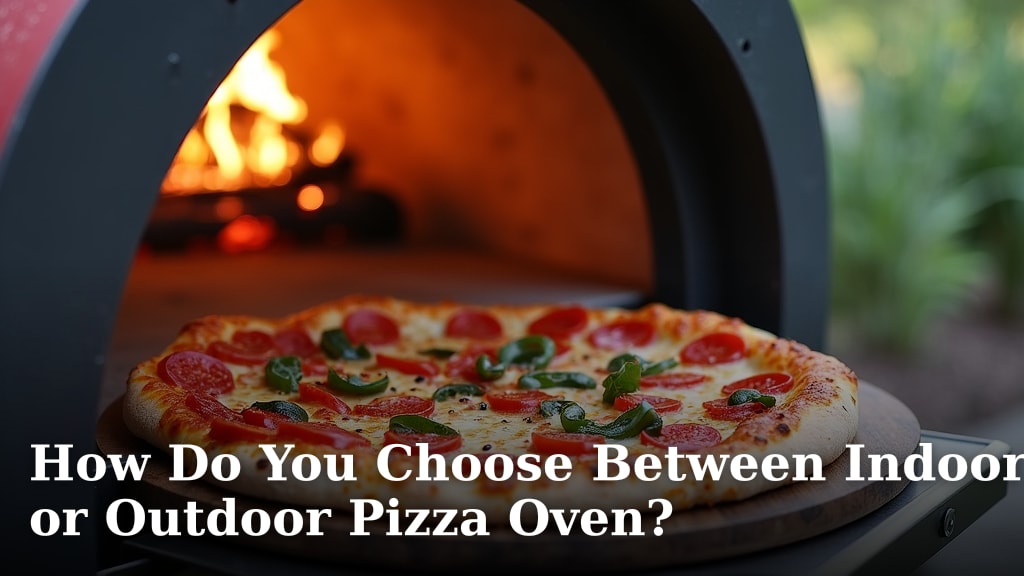
For a detailed indoor versus outdoor comparison, read How Do You Choose Between Indoor or Outdoor Pizza Oven?.
A countertop oven can still need open space around its sides and top. Do not place it under low cabinets if the instructions require more clearance.
What cooking style should guide your choice?
Choose the oven type that matches how you want to cook, not only the highest temperature shown on the controls. A quick weeknight pizza, a slow outdoor meal and a party serving several pizzas require different workflows.
Choose electric countertop cooking if you want:
- Simple startup and indoor access
- A compact appliance for a kitchen counter
- Basic temperature and timer controls
- Less fuel handling and cleanup
Choose a toaster-style oven if you want:
- Pizza plus toast, baking, broiling and warming
- A compact appliance for small portions
- A pizza capacity around 9 in
- A removable crumb tray for routine cleanup
Choose gas if you want:
- Outdoor cooking with adjustable burner heat
- Faster setup than a wood fire
- A portable or built-in outdoor option
- A fuel system you can manage safely
Choose wood-fired cooking if you want:
- Live-fire preparation
- Outdoor cooking as an activity
- Wood heat and flame management
- A traditional pizza-making process
The best pizza oven for home use is the one that fits your available space and your normal cooking habits. Compare counter size, pizza diameter, heat control and cleaning before you focus on appearance.
How should you compare pizza oven size?
Compare pizza diameter, oven footprint and usable cooking height together. A larger outside cabinet does not always mean you can cook a larger pizza, and a small oven may be easier to store or leave on the counter.
Measure the largest pizza you normally make. Include the peel or tray you plan to use, since the opening and interior shape affect how easily you can load and turn the pizza.
Check the oven's depth and width against your counter. Also measure the height above the counter, especially if the oven has top heating elements or needs ventilation space.
For a compact kitchen, a smaller pizza may be a fair trade for easier storage. For family meals, a larger surface can reduce the need to cook several pizzas in sequence.
The Presto's 12 in size suits buyers who want more room than a 9 in toaster oven. The BLACK+DECKER's 9 in capacity suits smaller pizzas and broader toaster-oven use.
How do heat controls affect pizza results?
Heat controls affect crust texture, topping color and cooking time. Look for the control style that matches how much you want to adjust during cooking.
A simple oven with one temperature control is easy to learn. Separate top and bottom controls can give you more ways to finish the crust or brown the toppings.
The Presto uses separately controlled top and bottom heating elements. That gives you the option to use the top element, bottom element or both.
The WISCO Industries, INC. 421 Pizza Oven has an adjustable thermostat from 150°F to 500°F in 25°F increments.
It also has a quick one-touch setting for 450°F for 10 minutes and a digital LED display.
This WISCO oven measures 18 in wide, 15 in deep and 7.75 in high, with a 19 lb weight. Its 1,500-watt system uses long-life calrod heating elements.
The removable cleanout tray helps collect crumbs and food debris. The oven also has a flip-up handle design for easier storage and includes gloves.
Choose it when precise temperature steps and a wider countertop body matter more than low weight. Its 18 in width needs more counter room than the compact toaster-style option.
The BLACK+DECKER reaches temperatures up to 450°F and uses a 30-minute timer with a stay-on option. Its control layout supports several cooking modes rather than dedicated pizza-only adjustments.
What should you check before buying a pizza oven?
Check placement, pizza size, heat controls, fuel access and cleanup before choosing a model. These details usually matter more than a long feature list.
Use this checklist:
- Measure the counter, cart or outdoor surface.
- Confirm the largest pizza diameter you need.
- Check the required power source or fuel type.
- Compare temperature range and control steps.
- Look for a timer or automatic shutoff if you want unattended cooking support.
- Check whether the tray, rack or cooking surface can be removed.
- Plan where fuel, tools and heat-safe gloves will be stored.
- Read the safety instructions before first use.
Also consider the type of dough you make. Thin pizza, thick crust, frozen pizza and heavily topped pizza can need different heat settings and cooking times.
A pizza oven is easier to use when the peel, pan, cutter and heat-safe gloves are close by. Keep the work area clear so you can load and remove the pizza without reaching over hot surfaces.
For buyers concerned about materials and cooking contact surfaces, see How to Choose a Non Toxic Pizza Oven.
How should you clean and care for each type?
Clean the oven according to its design, and always let hot parts cool before handling them. Electric and toaster-style models often focus on removable trays and crumb cleanup, while outdoor ovens also need ash, soot and fuel management.
For an electric countertop oven, remove the baking pan when it is safe to handle and clean it according to the care instructions. Avoid placing electrical parts in water.
For a toaster-style oven, empty the crumb tray regularly. Keep food and bakeware at least 1½ in from the top heating elements in the BLACK+DECKER model.
For a gas oven, inspect the burner area and connection points as directed. Keep the fuel system away from damage, moisture and heat that the instructions do not allow.
For a wood-fired oven, remove ash only after it has cooled fully. Store firewood dry and keep the cooking area clear of materials that can catch fire.
Do not use harsh cleaning methods on a cooking surface unless the manufacturer allows them. Scraping, soaking or spraying the wrong area can damage the oven.
Which type of pizza oven should you choose?
Choose an electric countertop oven for simple indoor pizza cooking, a toaster-style oven for broader kitchen use, gas for adjustable outdoor heat, and wood for live-fire cooking. Your best match is the type you can place safely, fuel easily and use often.
Pick the Presto if a 12 in rotating electric oven with separate top and bottom heating controls fits your counter. Pick the WISCO if you want a stainless steel 18 in wide oven with 150°F to 500°F thermostat steps.
Pick the BLACK+DECKER if you need a compact 9 in pizza oven that also toasts, bakes, broils and keeps food warm. Choose an outdoor gas or wood-fired oven when the cooking process itself is part of the reason you want a pizza oven.
The right types of pizza ovens are the ones that match your space, pizza size and cooking style. Measure first, confirm the fuel or power needs, then choose the oven you will use regularly.
Frequently asked questions
What are the main types of pizza ovens?
The main types are electric countertop ovens, toaster ovens, gas pizza ovens, wood-fired ovens and built-in outdoor ovens. Electric and toaster ovens suit indoor convenience, while gas and wood-fired models suit outdoor cooking and higher heat.
Your space, fuel access and preferred crust style should guide the choice.
Which type of pizza oven is easiest to use?
An electric countertop pizza oven is usually the easiest type to use because it needs a suitable outlet, not firewood or a gas connection. It also gives you simple temperature and timer controls.
Check the oven's size, heat range and pizza capacity before choosing one for your kitchen.
Are wood-fired pizza ovens better than electric ovens?
Wood-fired pizza ovens can provide strong heat and a smoky cooking process, while electric ovens offer easier setup, cleaner indoor use and simpler temperature control. Neither type suits every buyer.
Choose wood if you want outdoor fire cooking, or electric if convenience and repeatable controls matter more.
Should I choose an indoor or outdoor pizza oven?
Choose an indoor pizza oven if you want quick access, electric controls and no outdoor setup. Choose an outdoor oven if you have safe space for a larger appliance, fuel storage and heat management.
Measure the location and check ventilation and placement rules before buying.