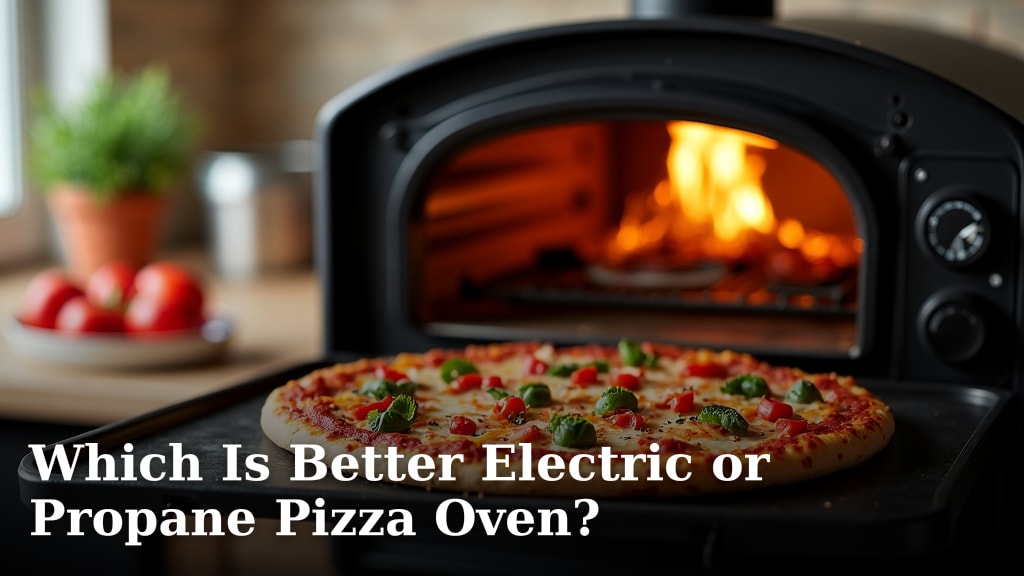
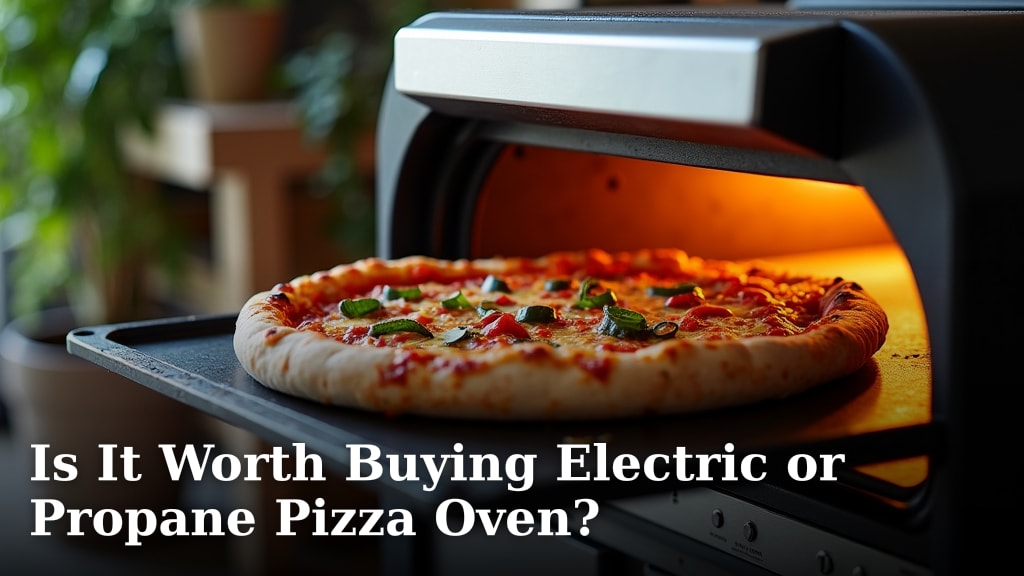
What Are the Pros and Cons of Propane Pizza Ovens?
The main propane pizza oven pros and cons are quick starts and adjustable burner heat versus fuel handling and outdoor limits. Choose propane if you have a safe place to cook and want less fire tending; choose another fuel if you want wood smoke or cannot store and connect propane.
On this page (9 sections)
- What are the main pros of propane pizza ovens?
- What are the main cons of propane pizza ovens?
- How should you choose a propane pizza oven?
- Is propane easier to control than wood?
- Does propane change the flavor of pizza?
- What setup and care does a propane pizza oven need?
- Are insulation blankets and fire bricks needed?
- How do propane and electric ovens compare?
- Which propane pizza oven pros and cons should guide your decision?
The propane pizza oven pros and cons are straightforward: burner control and a simpler start come with fuel handling and outdoor setup requirements. Propane suits cooks who want to avoid tending a wood fire, but it won't add wood smoke and may not fit spaces where fuel use is restricted.
Think about where you'll cook, how often you'll make pizza, and whether you already have a compatible grill or fuel supply. Those choices matter more than a promise of a fast bake.
What are the main pros of propane pizza ovens?
Propane ovens are easy to start and let you adjust heat with a burner. That can simplify a cooking session because you don't need to build and manage a wood fire.
The convenience is strongest when your outdoor cooking area is ready for the oven and fuel source. A grill-top model can make sense if you already have a large, compatible grill and would rather use that surface than buy a separate oven stand.
The BakerStone Outdoor Pizza Oven is built to sit on a grill. It has a five-sided stone baking chamber, a built-in thermometer, a wood pizza peel, a turning peel, and a dust cover.
BakerStone says preheating takes 10 to 15 minutes, longer in rain or cold, and pizza can bake in 2 to 4 minutes. Actual times depend on grill performance, weather, and the pizza, so plan to monitor the first bake and adjust your routine.
Propane also avoids ash and the extra fuel tending that come with a wood fire. You still need to clean the oven, handle the fuel correctly, and follow the instructions for your model.
What are the main cons of propane pizza ovens?
A propane oven needs a compatible fuel supply and an approved outdoor setup. You'll need to manage the fuel connection and leave the space around the oven that its instructions require.
Propane won't add wood smoke to your pizza. If that flavor and the process of tending a fire are part of what you want, compare the tradeoffs in how to choose between a gas or wood pizza oven.
Your space can also rule out propane. A patio may offer room for an outdoor oven and tank, while a balcony, shared area, or campsite may have restrictions on open flames or fuel storage.
A propane burner doesn't guarantee an even bake. Oven shape, stone temperature, wind, and how you turn the pizza all affect the result, so you'll still need to learn your oven's heat pattern.
Do propane pizza ovens need special connections?
Yes, the connection must match the oven's design and fuel source. Don't improvise with a hose, regulator, adapter, or tank that the oven manual doesn't approve.
Read the maker's instructions before connecting the fuel. These guides cover how to connect propane to a pizza oven and what you need to connect propane to a pizza oven.
Keep the oven outdoors and follow its clearance and ventilation rules. If you smell gas or suspect a leak, follow the maker's emergency instructions and move away from the area.
How should you choose a propane pizza oven?
Choose by cooking location, oven format, and the number of pizzas you plan to make. Start by confirming that your space allows propane use, then compare the oven's size, fuel setup, and instructions with your routine.
A grill-top oven can suit someone who already owns a compatible outdoor grill and wants a compact cooking setup. The BakerStone is designed for most larger charcoal, pellet, and wood-burning grills, but confirm your grill and surface meet its instructions before buying.
Skip a grill-top model if you don't have a compatible grill or want a self-contained oven. For other formats and use cases, compare options in our guides to propane pizza ovens for backyard cooking and propane pizza ovens for camping.
Next, consider fuel access. A propane oven is a practical fit when you can store and connect the fuel safely; it is a poor fit when that adds a burden or local rules don't allow it.
Finally, decide whether propane's clean start matters more to you than wood smoke. If you want both fuel options, compare multi-fuel designs and check which fuels the exact model supports.
For model-specific guidance on wood chips in Ooni ovens, check the exact oven manual.
Is propane easier to control than wood?
Propane is usually simpler to adjust because a burner replaces adding and moving logs. You can change heat through the oven's controls, while wood cooking requires you to manage a live fire.
That control helps if you want a repeatable routine, but it doesn't remove the need to preheat and watch the bake. Some ovens also need the pizza turned during cooking so different parts brown evenly.
Wood may suit you better if you enjoy maintaining a fire and adjusting it while you cook. For another comparison, see which is better, electric or propane pizza oven.
For an Ooni Fyra 12, compare wood pellets for Ooni Fyra 12 and follow its fuel instructions.
Does propane change the flavor of pizza?
Propane provides heat without adding wood smoke to the cooking process. Dough, toppings, temperature, and bake time still shape the pizza's flavor and texture.
The BakerStone's five-sided stone chamber is designed to use convective, conductive, and radiant heat. Its design and a suitable grill can help produce a browned crust, but the outcome depends on conditions and how you cook.
Choose wood if smoke is part of the taste you want. Choose propane if fuel convenience and burner control matter more.
What setup and care does a propane pizza oven need?
Set up the oven outdoors on a stable, suitable surface, then follow the manual for fuel connection and clearances. Leave room to work safely with the peel and keep anything that can catch fire away from the hot oven.
Before cooking, check that the oven and grill setup are compatible, the fuel connection is secure according to the instructions, and the cooking surface is ready. Preheat as directed, use the oven's temperature guidance, and turn the pizza if its heat pattern calls for it.
Let the oven cool according to its instructions before cleaning or covering it. For outdoor storage, protect it from weather as the maker directs; the BakerStone includes a dust cover.
Common mistakes are rushing preheat, assuming the same bake time applies in cold or windy weather, and placing the oven where ventilation or clearance is limited. Another is buying a grill-top oven before measuring the grill surface and checking compatibility.
Are insulation blankets and fire bricks needed?
Most buyers don't need to add insulation or fire bricks to a finished propane oven. These materials are for builds or repairs that call for them, not general accessories that make an oven safer or propane-ready.
For build or repair choices, compare pizza oven insulation materials.
Cedolio's ceramic fiber blanket measures 24 x 12 x 1 inches and is described for uses that include pizza ovens. It is rated to 2400°F, and Cedolio recommends gloves and a mask when handling it.
Use insulation only if the oven design calls for it and you know how it must be installed. Follow the handling guidance for the fiber material.
Rutland Fire Bricks are fireclay bricks sized 9 x 4.5 x 1.25 inches and rated to 2700°F. The six-pack is intended for residential firebox and pizza oven applications, but the size and fit must match the build or repair.
These materials don't make an oven propane-ready by themselves. For fuel guidance specific to an Ooni oven, see what fuel you can use in an Ooni pizza oven and follow the instructions for your exact model.
How do propane and electric ovens compare?
Propane offers outdoor portability and burner control, while electric ovens need a suitable power source. The better fit depends on where you can cook and which fuel or outlet is available.
Propane may suit a patio or grill area where a tank is allowed. Electric may be easier where an approved outlet is available and open-flame fuel use is restricted.
Compare placement, operating limits, and your cooking routine before deciding. Read whether an electric or propane pizza oven is worth buying if you're choosing between those fuels.
Which propane pizza oven pros and cons should guide your decision?
Buy a propane pizza oven if you want adjustable burner heat, a simpler start, and have a safe outdoor place to use it. Skip it if wood smoke is central to your cooking, fuel storage is inconvenient, or your planned location doesn't allow propane.
A grill-top model suits you when you have a compatible grill and want to build your pizza setup around it. Otherwise, look for an oven format that matches your space and fuel access.
The deciding factor in the propane pizza oven pros and cons is whether the convenience fits your actual cooking spot. Confirm the model's connection and placement instructions before choosing, and compare propane pizza oven options for home use if you're ready to shop.
Frequently asked questions
What are the main pros of a propane pizza oven?
A propane pizza oven starts with a burner and lets you adjust heat through its controls. It avoids building and tending a wood fire, which can make it easier to begin a cooking session and repeat the same routine.
You still need the right fuel connection, a safe outdoor location, and time to preheat.
The oven design and your cooking technique also affect the bake.
What are the disadvantages of propane pizza ovens?
Propane ovens need a compatible fuel supply and a safe outdoor place with the clearances and ventilation required by the maker. You must manage the tank and connections, and propane doesn't add wood smoke to the cooking process.
If fuel storage is inconvenient or wood flavor matters most to you, compare other oven types before buying.
Can a propane pizza oven be used indoors?
Use an outdoor propane oven outdoors unless its instructions specifically approve indoor use. Burning propane needs proper ventilation, and operating an outdoor appliance inside can create a serious carbon monoxide risk.
Follow the oven manual and local safety rules for placement and operation.
Is a propane pizza oven better than a wood-fired oven?
Propane suits cooks who want burner control and a simpler start. Wood suits people who enjoy tending a fire and want wood smoke as part of cooking.
Choose based on fuel access, cooking habits, and where the oven can be operated safely.
Neither fuel is the better choice for every home.