Pizza Steel vs Cast Iron: Which Should You Use? (November 2026)
Choose pizza steel for a broad, dedicated baking surface and cast iron for smaller pizzas and everyday cooking. Steel and cast iron both hold heat, but their shape, weight and care needs affect how you use them.
On this page (7 sections)
- Pizza Steel vs Cast Iron: Which Should You Use?
- Pizza steel vs cast iron: which suits your pizza?
- Which surface holds heat for back-to-back pizzas?
- How do size and weight affect handling?
- What care does each material need?
- Which products fit each style of pizza baking?
- Is pizza steel or cast iron better for your kitchen?
Pizza Steel vs Cast Iron: Which Should You Use?
Choose pizza steel for a broad, dedicated baking surface and cast iron for smaller pizzas and everyday cooking. In a pizza steel vs cast iron comparison, the best choice depends on the pizza you make, your oven space and how much weight you want to handle.
A steel can provide a large, flat surface for pizza and other baking. For its material makeup, see what pizza steel is made of.
Cast iron gives you a pan you can also use for stovetop meals, but a skillet’s round cooking area may limit pizza size.
Compare the surface dimensions, weight and care instructions before you choose. A larger, heavier surface can suit back-to-back baking, while a smaller skillet may fit better in a compact kitchen.
 Best for small pan pizzas
Lodge Pre-Seasoned Cast Iron Skillet with Silicone
Pizza steel vs cast iron: which suits your pizza?
Choose steel for a roomy, dedicated baking surface; choose a skillet for a smaller pizza with a pan-style base. The shape of the cooking surface sets a practical limit on the pizza you can bake.
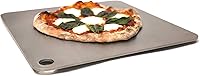
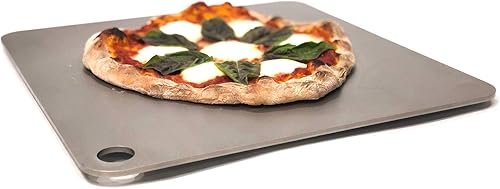
The THERMICHEF steel measures 16 x 16 in and is designed for pizzas up to 15 in in diameter. The Hans Grill steel measures 13 x 13 in, while the Lodge skillet has a 12 in round cooking surface.
A round skillet can work well when you want a smaller pizza with a thicker base. A square steel gives you more room to shape and position a larger pizza, as long as the surface fits your oven.
A pizza pan is another option if you want a dedicated baking vessel with a different shape and setup. Our pizza pan buying guide covers the common bakeware choices.
Which surface holds heat for back-to-back pizzas?
The THERMICHEF steel is the clearest fit here for repeated baking because its 3/8 in thickness is intended to store more heat between pizzas. For sizing guidance, see pizza steel thickness guide.
The Hans Grill steel is thinner at 1/4 in, and the Lodge skillet is a smaller cast iron option.
The THERMICHEF steel weighs 27.5 lb. Its maker recommends preheating it in an oven at 500°F for 45–60 minutes, and says it is designed for back-to-back cooking.
The Hans Grill steel weighs 13.1 lb and measures 1/4 in thick. That smaller size may be easier to place and remove, but it gives you less baking area than the 16 x 16 in steel.
Cast iron holds heat too, but the Lodge skillet is built for a different job: it’s a 12 in pan for baking and everyday cooking. Pick it when versatility matters more than fitting several large pizzas in succession.
For more options sized for a dedicated oven setup, compare best pizza steel for pizza ovens. Check the cooking surface dimensions against your oven rack before deciding.
How do size and weight affect handling?
Measure your oven and consider the lifting weight before choosing either surface. A steel that fits the rack may still be awkward to move when it is hot.
The THERMICHEF steel is the largest and heaviest option in this comparison at 16 x 16 in and 27.5 lb. Its maker advises measuring the oven’s interior depth before ordering.
The Hans Grill steel is 13 x 13 in and weighs 13.1 lb. The Lodge skillet weighs 7.5 lb and has a teardrop handle, plus a silicone handle holder for transport after cooking.
A handle holder helps protect your hand, but it does not make a hot skillet safe to grab without care. Follow the cookware’s instructions and use suitable heat protection when handling hot cast iron.
Measure the full opening and rack depth, not just the space where you plan to bake. Leave room to slide the surface in and out without catching the oven walls.
What care does each material need?
Check the care instructions for the exact item, and keep steel dry and lightly oiled to help prevent rust. The two steel options have different guidance, and the Lodge skillet arrives pre-seasoned.
THERMICHEF says its steel ships shot-blasted, not pre-seasoned, and calls for washing, applying a thin coat of oil and baking it at 375°F for one hour before first use. After that, it builds a natural patina with use.
Hans Grill gives different cleaning guidance: warm water only, without soap or detergent. Its smooth surface is intended to make food residue easier to wipe away.
The Lodge skillet is pre-seasoned with natural vegetable oil. Its care instructions say hand wash only, and the included silicone handle holder is for transport after cooking.
If you’re choosing a steel, read how to season a pizza steel and the guide to what you need to season a pizza steel. Use the directions for your particular steel if they differ.
Which products fit each style of pizza baking?
Pick the product that matches your oven, pizza size and handling needs. The Lodge skillet is the most versatile pan, while the two steels offer different surface sizes and weights.
For a wider view of steel options, see best pizza steel made in usa. If you already have a steel and want to understand how one is made, read how to make a pizza steel.
Is pizza steel or cast iron better for your kitchen?
Choose steel if pizza is the main job; choose cast iron if you want a pan for pizza and everyday cooking. The best surface is the one that fits your oven, your usual pizza size and your routine.
Pick the THERMICHEF steel if its 16 x 16 in size fits your oven and you want a thicker surface for repeated cooking. Choose the Hans Grill steel if you prefer a smaller 13 x 13 in surface that weighs less.
Choose the Lodge skillet for smaller pan pizzas and the flexibility to bake, sear, sauté and fry. If you’re also comparing cookware, our cast iron skillet buying guide explains what to consider when choosing a skillet.
For a related material comparison, read which is better, pizza stone or pizza steel?. Pick steel for a dedicated pizza surface and cast iron for a smaller pizza pan with broader kitchen use.
Frequently asked questions
Is pizza steel better than cast iron?
Pizza steel is a better fit when you want a dedicated, broad surface for baking pizza, while cast iron suits smaller pizzas and other cooking jobs. The right choice depends on your oven space, the pizza size you make and whether you want a pan that can move between pizza and everyday meals.
Can you bake pizza in a cast iron skillet?
Yes, a cast iron skillet can bake pizza, especially a smaller pan pizza with a thicker base. Measure the cooking surface and consider the skillet's weight before handling it hot.
A skillet also works for other oven and stovetop cooking, so it can be useful beyond pizza.
Does pizza steel need seasoning?
Some pizza steels need seasoning before their first use, and steel needs care to help prevent rust. The THERMICHEF steel ships unseasoned and calls for a thin coat of oil before baking.
Follow the care instructions for your exact steel, since they can vary.
Which is easier to move, pizza steel or cast iron?
Weight and size matter more than the material name alone. The 13 x 13 in Hans Grill steel weighs 13.1 lb, the 12 in Lodge skillet weighs 7.5 lb, and the 16 x 16 in THERMICHEF steel weighs 27.5 lb.
Check the weight and handles before choosing.
Can pizza steel be used for other foods?
Yes. Pizza steel can also serve as a baking or cooking surface for foods such as bread, burgers and flatbreads, depending on the model and your setup.
Cast iron is also versatile: the Lodge skillet is suited to searing, sautéing, baking and frying as well as pizza.