How to Choose a Combined Outdoor Fireplace and Pizza Oven
Choose an outdoor pizza oven and fireplace by deciding whether cooking, warmth or both matter most. Then compare the layout, smoke path, clearances, foundation and local rules before planning the installation.
On this page (9 sections)
- What does a combined outdoor pizza oven and fireplace include?
- Which outdoor pizza oven and fireplace layout suits your routine?
- How do the fireboxes and chimney affect smoke?
- How much space does a combined installation need?
- What should you confirm before building?
- Should you build the oven yourself or hire a professional?
- Which countertop appliances can cover indoor pizza while you plan?
- What common planning mistakes should you avoid?
- How do you choose an outdoor pizza oven and fireplace?
An outdoor pizza oven and fireplace should suit the way you cook and gather, as well as the space and building conditions in your yard. Decide whether you want separate oven and fireplace openings, a connected masonry structure, or a cooking-focused oven with a smaller warming hearth.
These choices affect how the fireboxes and chimney work together, where smoke travels, and how much room the installation takes. Start with your main use, then have the site and local requirements reviewed before settling on a design.
If you are weighing an outdoor setup against an indoor appliance, our indoor or outdoor pizza oven guide can help you choose where you want to cook.
What does a combined outdoor pizza oven and fireplace include?
A combined structure places a cooking chamber and an open fireplace in one backyard installation. The openings may sit side by side, share part of a masonry structure, or connect to a chimney system designed for both.
The oven chamber holds heat for baking. The fireplace opening gives you a place for an open fire and nearby warmth, but these two jobs do not automatically belong in the same firebox.
| Layout | How it works | Best fit |
|---|---|---|
| Side-by-side units | Separate oven and fireplace openings sit in one structure | You want distinct cooking and gathering areas |
| Shared masonry core | The oven and fireplace use connected masonry, with planned flue paths | You want a coordinated built-in feature in a limited footprint |
| Oven with warming hearth | The oven is the main feature, with a smaller open hearth or nearby seating ledge | Cooking matters more than a full fireplace |
| Fireplace with oven insert | An oven chamber is incorporated into a larger fireplace design | You have a specific architectural plan and an experienced builder |
The names “outdoor pizza oven with fireplace” and “pizza oven and fireplace” can refer to different designs. Ask for a drawing that identifies each firebox, opening and flue so you know what the project includes.
Which outdoor pizza oven and fireplace layout suits your routine?
Choose separate openings if you expect to cook and gather around an open fire at the same time. Choose an oven with a warming hearth if pizza is the main attraction and a smaller fire area is enough.
A side-by-side arrangement keeps each function distinct. It can suit a household that wants to bake while guests sit near a separate fire, provided the design allows both to operate as intended.
A shared masonry core can create a compact focal point and a consistent look. It suits a yard where a connected structure makes sense, but the designer needs to account for how the fireboxes, chimney route and heat exposure interact.
A warming hearth keeps the project focused on cooking. It can work for a household that wants a place to sit near a fire without building a full-size fireplace, but it may not deliver the same gathering space or open-fire experience.
Think through what you will do in the area: load and turn pizzas, tend the fire, prepare food, set down dishes, store fuel or move around with guests. Put openings, counters and seating where they support those tasks.
Skip a combined structure if you will rarely use both functions, the site is too tight for safe access, or the added masonry and planning do not suit your budget or skills. A simpler outdoor oven or a separate portable fire feature may better match occasional use.
For a simpler standalone option, compare outdoor natural gas pizza ovens. Compare Big Horn pizza ovens if you are considering a standalone oven.
How do the fireboxes and chimney affect smoke?
The firebox and chimney design control how smoke leaves the structure. A shared chimney may work in a design made for it, but you should not assume every combination of openings and active fires will draft properly.
Smoke movement depends on opening size, flue design, structure height, wind and nearby walls. Ask a qualified builder to explain how the chimney works when the oven is active, when the fireplace is active, and when both are burning.
Ask the designer to show:
- Which flue serves each firebox.
- Whether any part of the flue path is shared.
- How the system drafts when one or both openings are active.
- Where the chimney ends in relation to roofs, trees and seating.
- How the design accounts for wind and nearby structures.
- How you can access the chimney and fireboxes for inspection and cleaning.
Do not choose a chimney layout based on appearance alone. Have a qualified professional review the design against local building and fire requirements before construction.
How much space does a combined installation need?
Plan for the structure, safe clearances, food preparation and movement around the hot surfaces. The full footprint is larger than the masonry because you also need space to load the oven, work nearby and pass through the yard.
Mark the proposed outline with tape or stakes. Add room for a work surface, seating, fuel storage and the route from the kitchen before you decide where the installation belongs.
For a complete cooking area, compare pizza ovens for outdoor kitchens.
Keep the oven opening easy to reach for loading and turning food. Make sure the cooking area does not block the path to the fireplace or force people to pass too close to hot surfaces.
Review clearances from the design, local rules and the instructions for any components you plan to use. Requirements depend on the exact structure and location, so avoid relying on a generic distance.
Check the site at the time you expect to use the feature. A layout that works in an empty yard may become awkward when chairs, a dining table or other outdoor equipment are in place.
What should you confirm before building?
Confirm the location, foundation, materials and local approvals before work begins. A heavy masonry installation needs a base suited to both its weight and the ground beneath it.
Consider drainage and exposure to rain, snow and freeze-thaw weather. Choose materials and finishes for the conditions the structure will face, and decide how you will protect or maintain them.
Get a plan that identifies the oven floor, insulation, outer masonry, fireplace opening, flues and cleanout access. These details affect how the structure works and how you can care for it over time.
Ask your local building department whether permits, inspections or setback rules apply. If you hire a builder, look for experience with both masonry ovens and fireplace drafting so the combined design receives a complete review.
A kit can help define the oven portion of a project, but it does not settle the fireplace, foundation or chimney design. Compare a brick pizza oven kit for home use with a kit designed for Neapolitan pizza if you are still choosing the cooking chamber.
Should you build the oven yourself or hire a professional?
Hire a professional to plan a custom combined structure unless you already have the skills to handle masonry, heat management and chimney design. Building the oven and fireplace together adds decisions that a cooking-only kit does not cover.
A do-it-yourself project may suit someone who can follow a complete design and has the time to build carefully. Before starting, understand the foundation, firebrick, insulation and flue requirements, and confirm that permits and inspections are covered.
A mistake in the oven chamber can affect heat retention and baking. A mistake in the chimney can affect smoke movement, so have the full plan reviewed before laying masonry.
Our guides to making an outdoor pizza oven and building a brick pizza oven cover the oven portion. A combined fireplace adds more planning, particularly around flues and clearances.
Which countertop appliances can cover indoor pizza while you plan?
A countertop oven can cover small indoor pizza batches while you plan an outdoor build, but it will not replace a masonry oven or fireplace. These three appliances use electricity and are designed for indoor countertop use.
If you prefer gas heat indoors, compare indoor gas pizza oven options.
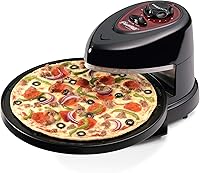
The Presto 03430 Pizzazz Plus Rotating Oven has a continuously rotating tray, separate top and bottom heating elements, and a timer that switches the elements off when the set time ends. Its removable nonstick pan can be taken out for cleaning and storage.
The WISCO Industries 421 has a one-touch setting of 450°F for 10 minutes and an adjustable thermostat with 25-degree increments. Its removable cleanout tray gives you access to crumbs and debris.
The BLACK+DECKER TO1313SBD fits a 9-inch pizza and offers bake, broil, toast and warm functions. It has a removable crumb tray for cleanup.
Choose an appliance based on the size of pizza you make and the controls you want. If material safety matters to you, compare non-toxic pizza oven options.
Follow its instructions for ventilation and placement, and keep the indoor appliance separate from plans for outdoor wiring or masonry.
What common planning mistakes should you avoid?
The most costly planning mistakes are choosing the layout before checking the site, flues and clearances. Work through those constraints before choosing finishes or committing to a footprint.
- Treating the oven and fireplace as one firebox: They serve different purposes. Confirm the design identifies how each opening and flue works.
- Choosing a shared chimney without a draft plan: Ask how smoke moves with each firebox active, especially when both are in use.
- Measuring only the masonry: Include work space, seating, fuel storage and the routes people use around the structure.
- Ignoring water and weather: Consider drainage and exposure when choosing the location, materials and protection plan.
- Starting with a kit and improvising the rest: A pizza oven kit does not resolve the fireplace, foundation or chimney details.
- Skipping local checks: Confirm permits, inspections and setbacks with the appropriate local authority before building.
- Planning cleanup after construction: Make sure the design includes practical access to the fireboxes and chimney for inspection and care.
Get the answers in a drawing or written scope. That gives you a clear way to compare proposals and confirm which features each design includes.
How do you choose an outdoor pizza oven and fireplace?
Choose an outdoor pizza oven and fireplace layout according to how often you will cook, how you want guests to gather and what your yard can support. Pick separate openings for independent use, a shared structure for a compact focal point, or an oven with a warming hearth when pizza is the priority.
Before committing, review the complete plan with a qualified builder, confirm local requirements and mark the footprint in the yard. If you want a cooking-first setup, compare the best outdoor pizza oven for Neapolitan pizza to see whether a dedicated oven meets your needs.
Read our guide to how we research for our approach.
Frequently asked questions
Can an outdoor pizza oven and fireplace share one chimney?
Some combined structures use a shared chimney path, while others have separate flues for the oven and fireplace. The right arrangement depends on the fireboxes, openings and smoke movement when either or both are in use.
Ask a qualified builder to review the plans and local requirements before construction.
Does an outdoor pizza oven with a fireplace need a special foundation?
A masonry oven and fireplace can put substantial weight on a small area, so the base must suit the structure and site. Soil, frost, drainage and building materials all affect the design.
Get the planned dimensions and weight before choosing a slab or footing, and have the foundation reviewed by a qualified professional.
Can I add a pizza oven to an existing outdoor fireplace?
It may be possible, but the existing hearth, chimney, firebox and foundation must support the new design. An added oven can change airflow and heat exposure.
Have a qualified mason or fireplace professional review the structure and proposed flue path before modifying it.
What is the simplest way to compare combined outdoor oven layouts?
Sketch the oven opening, fireplace opening, chimney route and seating area to scale. Mark nearby walls, wind direction, clearances and the path people will use around the structure.
This helps you compare access, smoke movement and the space needed before choosing a design.