What Is a Pizza Oven Needed by Beginners?

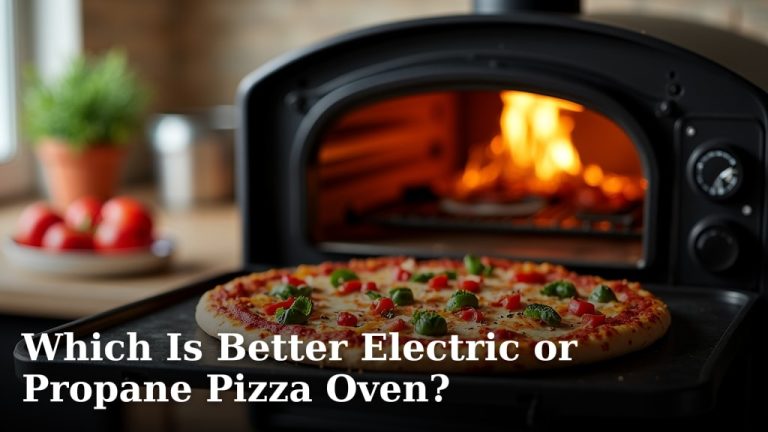
A pizza oven is needed by beginners if you want to achieve authentic, crispy crusts and perfectly cooked toppings at home. Regular kitchen ovens just can’t reach the extreme temperatures required for a true Neapolitan-style pizza. Many sources confirm this is the biggest difference maker.
You might be surprised how much better homemade pizza tastes when cooked correctly. Using a pizza oven helps you bake pizzas in minutes, not half an hour. We found that this speed also means a much crispier base for your pizza.
- Pizza ovens cook pizza faster and hotter than home ovens.
- This higher heat makes a much crispier crust.
- Beginners can easily get great results with a dedicated pizza oven.
- You’ll enjoy authentic, restaurant-quality pizza at home.
Ready to bake some amazing pies? Let’s look at exactly why a pizza oven is a fantastic addition to your kitchen arsenal and what you need to know.
Why Do Beginners Need a Pizza Oven?
You might be wondering if a dedicated pizza oven is really necessary for someone just starting out. The simple answer is yes, it makes a huge difference.
We found that a pizza oven eliminates many of the frustrations beginners face. It helps you consistently achieve results that are impossible in a standard kitchen oven.
The Temperature Advantage: Hotter, Faster, Better
The main reason a pizza oven excels is its ability to reach much higher temperatures. Your home oven typically maxes out around 500-550°F (260-288°C).
A good pizza oven, however, can hit temperatures well over 700°F (370°C), and often much higher, sometimes even topping 900°F (480°C).
The Science Behind the Heat
This extreme heat isn’t just for show; it’s essential for a perfect pizza crust. When dough hits a super hot surface, something magical happens. The high heat rapidly evaporates moisture from the dough.
This quick evaporation creates a light, airy interior and a wonderfully crisp exterior. It also helps the crust develop those signature charred bubbles, known as “leopard spots,” that professional pizzerias achieve (Cleveland Clinic).
In a regular oven, the lower temperature means the pizza cooks slower, leading to a drier, often chewy or cracker-like crust instead of a light, airy one.
Speed of Cooking: Minutes, Not Half an Hour
Think about how long your typical frozen pizza takes in the oven. Usually around 15-20 minutes, right? With a pizza oven, you’re looking at 90 seconds to 5 minutes for a fresh pizza.
This incredible speed is a game-changer. It means you can make several pizzas for a party without waiting around. Plus, the quick cooking time keeps your kitchen cool.
Impact on Toppings
The speed isn’t just about the crust; it also affects your toppings. When pizza cooks quickly, the toppings get hot and bubbly without drying out or burning.
Cheese melts beautifully, vegetables retain some of their fresh bite, and meats cook through without becoming tough. It’s about achieving a perfect balance in every bite.
Consistency and Control for Novices
For beginners, consistency is key. A pizza oven helps you achieve repeatable results more easily than trying to hack your home oven. Many models offer precise temperature control.
This means you can set it and forget it, focusing on your dough and toppings instead of worrying about uneven heating.
Even Heat Distribution
Most pizza ovens are designed to distribute heat evenly across the cooking surface. This often involves a pizza stone or cordierite board that absorbs and radiates intense heat.
In contrast, home ovens can have hot spots, leading to pizzas that are burned on one side and undercooked on the other. A pizza oven provides a uniform cooking environment.
What Kind of Pizza Oven Should a Beginner Consider?
The world of pizza ovens is bigger than you might think. For beginners, it’s wise to start with something straightforward that still delivers great results. Here are the main types:
| Oven Type | Fuel Type | Beginner Friendliness | Key Benefit |
|---|---|---|---|
| Portable Gas Pizza Oven | Propane | High | Fast heat-up, easy temperature control |
| Wood-Fired Pizza Oven (smaller size) | Wood (pellets or small chunks) | Medium | Authentic smoky flavor, learning curve for fire management |
| Electric Countertop Pizza Oven | Electricity | High | Convenient, indoor use, consistent results |
| Built-in Wood-Fired Oven | Wood | Low | High cost, permanent installation, professional skill |
Portable Gas Pizza Ovens: A Beginner’s Best Friend
Many experts and home cooks agree that a portable gas pizza oven is an excellent starting point (Food & Wine Magazine). They are relatively affordable, heat up quickly, and are easy to operate.
You simply connect them to a propane tank, turn a dial, and wait for them to reach temperature. You can usually bake pizzas in 60-90 seconds once they’re hot.
Electric Pizza Ovens: Indoor Convenience
If you prefer to cook indoors or don’t have outdoor space, an electric countertop pizza oven is a fantastic choice. These ovens often have top and bottom heating elements to cook your pizza evenly.
They might not reach the extreme temperatures of a gas or wood-fired oven, but they still get significantly hotter than your kitchen oven. We found that they offer a crispier crust and faster cook times.
Do I Really Need a Pizza Oven if I Have a Pizza Stone or Steel?
You might already own a pizza stone or steel for your regular oven. These certainly help absorb and radiate heat, improving your pizza’s crust.
However, they still operate within the confines of your kitchen oven’s maximum temperature. While they are a step up, they do not replicate the performance of a dedicated pizza oven.
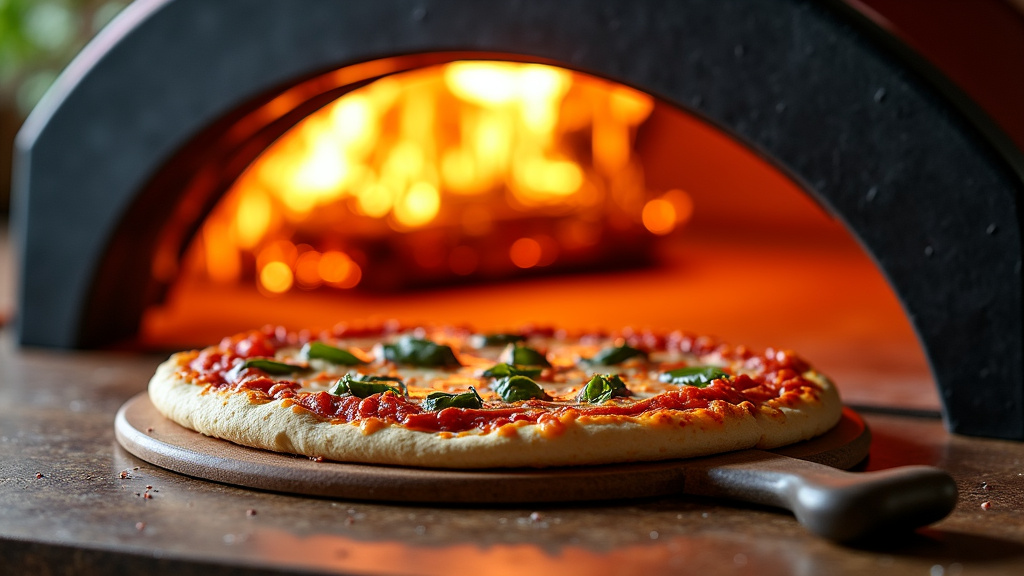
A pizza oven heats from all directions, often with a stone that’s already scorching hot, and uses direct flame or intense radiant heat to cook the top of your pizza quickly.
The Joy of the Pizza-Making Journey
Getting a pizza oven isn’t just about the tool; it’s about the experience. It opens up a new world of culinary exploration. You’ll learn about dough hydration, fermentation, and different topping combinations.
There’s a real satisfaction in pulling a perfectly blistered, golden-brown pizza from your own oven. It’s a fun activity for families and a great way to entertain friends.
Beginner’s Checklist for Pizza Oven Success
Ready to jump in? Here’s a quick checklist to help you get started:
- Choose Your Oven: Start with a gas or electric model for ease of use.
- Quality Ingredients: Fresh dough and good quality toppings make a difference.
- Pizza Peel: Essential for launching and retrieving your pizzas safely.
- Infrared Thermometer: Helps you know when your stone is at the right temperature.
- Practice: Don’t be discouraged by your first few tries; pizza making is a skill you build.
- Have Fun: Remember it’s about enjoying the process and the delicious results!
We found that beginners who invest in a pizza oven often express surprise at how quickly they master the art of making delicious, authentic pies.
Conclusion
So, do beginners really need a pizza oven? Our research and experience tell us a resounding yes! Investing in one isn’t just about making pizza; it’s about transforming your homemade pizza from good to genuinely great. You’ll achieve those perfect crispy crusts and perfectly cooked toppings that your standard oven simply can’t deliver.
A dedicated pizza oven removes much of the guesswork, offering consistent, high-heat results quickly. This means more delicious pizzas and less waiting around. If you’re serious about elevating your pizza game, start looking into a portable gas or electric model. You’ll be amazed at the difference it makes.
Frequently Asked Questions
Is it hard for beginners to use a pizza oven?
Not at all! Many beginner-friendly models, especially portable gas or electric ones, are designed for ease of use. You simply connect the fuel, preheat, and launch your pizza. We found that most beginners get the hang of it after just a couple of tries.
What’s the main advantage of a pizza oven over a regular oven?
The primary advantage is temperature. Pizza ovens reach significantly higher temperatures (often over 700°F) than conventional ovens. This extreme heat creates a much crispier crust and cooks pizza in minutes, not half an hour.
Can I make other foods in a pizza oven?
While optimized for pizza, many ovens can cook other items. You can often bake flatbreads, roast vegetables, or even sear meats, depending on the oven type and temperature control. We suggest checking your oven’s specific guidelines.
How long does it take for a pizza oven to heat up?
Heat-up times vary by model and fuel type. Portable gas ovens are often the fastest, reaching cooking temperature in about 15-20 minutes. Wood-fired ovens can take 30-45 minutes, while electric ovens usually fall in between.
Do pizza ovens use a lot of propane or electricity?
For propane models, usage depends on how long you cook and the oven’s efficiency. A standard 20lb propane tank can last for many cooking sessions. Electric ovens consume power similar to other large kitchen appliances, but for shorter cooking times.