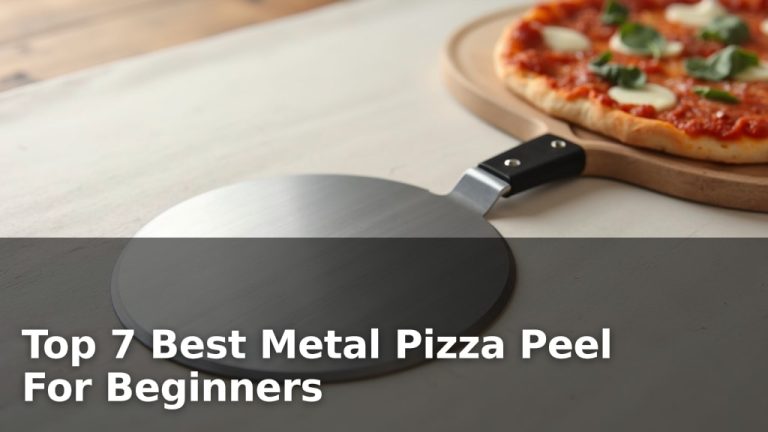
How Do You Choose Between Wooden or Metal Pizza Peel?

To choose between a wooden or metal pizza peel, consider your oven type and experience. Wooden peels are ideal for launching raw dough, especially in hot home ovens. Metal peels excel at turning and retrieving cooked pizzas, working well with outdoor and commercial ovens.
Each material offers distinct benefits for your pizza-making journey. The right peel makes a big difference in your cooking experience. We found that most home cooks benefit from having both types of peels.
- Wooden peels absorb moisture, preventing dough stick.
- Metal peels are thinner, making retrieval easier.
- Wood requires more flouring than metal.
- Metal heats up quickly, needing care.
- Many pros use both for different tasks.
Let’s walk through how to pick the best pizza peel for your needs. We’ll help you decide between these popular options.
Selecting the Right Pizza Peel for Your Kitchen
Choosing your pizza peel really comes down to your unique cooking style and oven type. Don’t worry, we’ll help you sort it out.
Understanding Wooden Pizza Peels
Wooden peels are often the traditional choice. Many home cooks start here. You’ll find them in kitchens all over the world.
Advantages of Wooden Peels
One big benefit is how well wood works with raw dough. It’s a bit like magic. The wood’s natural surface absorbs extra moisture. This helps prevent your raw dough from sticking. We found this makes launching much easier for beginners.
Wood also has a gentle feel. It won’t scratch your baking stone or oven floor. This is a big plus for keeping your equipment in good shape. Plus, they look great hanging in your kitchen!
Disadvantages of Wooden Peels
Wooden peels are usually thicker than metal ones. This can make them a bit clunky. Retrieving a cooked pizza can be tricky, especially in tight oven spaces.
They also need more flour. You’ll need a good dusting to make sure the dough slides off smoothly. We found that without enough flour, dough can still stick. They’re also harder to clean. You can’t just toss them in the dishwasher. You need to wash them by hand and dry them quickly to prevent warping or cracking (USDA).
Exploring Metal Pizza Peels
Metal peels are the modern workhorse. They offer a different set of pros and cons. Many professional pizzerias use metal peels. What does that tell you?
Advantages of Metal Peels
Metal peels are super thin. This makes them excellent for retrieval. You can easily slide them under a bubbling, crispy pizza. This thinness also helps with turning pizzas in a hot oven, ensuring even cooking.
They are also very durable and easy to clean. Just wash with soap and water. You don’t have to worry about moisture or warping. Many experts say they are more hygienic since they don’t absorb liquids.
Some metal peels have perforated surfaces. These holes help excess flour fall away. This means a crispier crust and less burnt flour in your oven (Cook’s Illustrated).
Disadvantages of Metal Peels
The main drawback of metal peels is dough sticking. They don’t absorb moisture like wood. You need to use a good amount of flour or semolina. Otherwise, your raw dough will be glued to the peel. This can be frustrating when you’re trying to launch a pizza.
Metal peels also heat up fast. If you leave it in a hot oven, it can get dangerously hot. Always use an oven mitt! Also, they can scratch sensitive surfaces. Be careful with your baking stones if you have a metal peel.
When to Use Which: Situational Choices
Now, let’s get practical. When should you grab which peel? It’s not always an either/or situation. Think about your task.
Launching Your Raw Pizza
For launching raw dough, especially if it’s a bit sticky, a wooden peel is often better. The wood provides natural friction and absorbs moisture. This helps the dough release cleanly onto your hot stone or steel. Many home cooks swear by this for a perfect launch.
Retrieving Cooked Pizza and Turning
Once your pizza is cooking, the game changes. A metal peel shines here. Its thin edge slides effortlessly under a baked pizza. This is crucial for getting it out without disturbing those perfect toppings. If you need to turn the pizza for even browning, a metal peel is also your best friend.
Key Factors to Consider for Your Purchase
Before you buy, ask yourself a few questions. Your oven, your experience, and even your kitchen space matter.
Your Oven Type
Do you have a standard home oven? A high-temp outdoor pizza oven? This makes a big difference. For high-temperature outdoor ovens, metal peels are often preferred. They withstand the extreme heat better and offer quicker transfers. For standard home ovens, either can work, but wood often feels more forgiving for launching.
Your Pizza Making Experience
Are you a seasoned pizzaiolo or just starting out? Beginners often find wooden peels more forgiving for launching. There’s less risk of dough sticking. More experienced cooks might prefer metal for its precision and speed. But don’t let experience limit you. We found that even pros appreciate the benefits of both.
Material Durability and Maintenance
Consider how much care you want to put into your tools. Metal peels are low maintenance. Wash and dry, and you’re good. Wooden peels need more attention. They can warp or crack if not cared for properly. They also need occasional oiling to stay in top shape.
The Case for Owning Both Peels
Many pizza enthusiasts, including us, find that having both a wooden and a metal peel is the ideal solution. It’s like having the right tool for every job in your toolbox.
- Use the wooden peel for launching your perfectly prepped, raw pizza into the hot oven.
- Switch to the metal peel for turning your pizza midway through cooking.
- Then, use the metal peel again for retrieving your glorious, finished pie.
This approach gives you the best of both worlds. You get the non-stick launch of wood and the agile retrieval of metal.
Comparison Table: Wooden vs. Metal Pizza Peels
Here’s a quick overview to help you decide at a glance:
| Feature | Wooden Pizza Peel | Metal Pizza Peel |
|---|---|---|
| Dough Launch | Excellent (less sticking due to moisture absorption) | Good (requires more flour/semolina) |
| Pizza Retrieval | Good (thicker edge can be challenging) | Excellent (thin edge slides easily) |
| Durability | Good (can warp/crack if not maintained) | Excellent (very robust) |
| Maintenance | Hand wash, dry quickly, occasional oiling | Hand wash, easy to clean |
| Heat Resistance | Good (but can scorch at very high temps) | Excellent (can get very hot to touch) |
| Cost | Varies, often slightly less expensive | Varies, often slightly more expensive |
Your Pizza Peel Checklist
Ready to make your decision? Use this checklist to guide you:
- What type of oven do you primarily use?
- How often do you make pizza?
- Are you comfortable with a bit more maintenance for wood?
- Do you prioritize ease of launching or ease of retrieving?
- Is budget a primary concern for you?
- Do you have space to store two peels?
Conclusion
Choosing between a wooden or metal pizza peel doesn’t have to be complicated. Your best choice depends on your oven, experience, and what you prioritize. Remember, wood excels at launching raw dough, while metal is king for retrieval and turning. We found that owning both peels truly gives you the ultimate pizza-making advantage.
Don’t overthink it. Consider your needs, review our checklist, and pick the peel (or peels!) that will make your pizza nights more enjoyable. Happy pizza making!
Frequently Asked Questions
Should I get a perforated metal peel?
A perforated metal peel is a great choice if you want to reduce excess flour on your pizza. The holes allow extra flour to fall off, which can lead to a crispier crust and less burnt flour in your oven. It’s a nice upgrade for serious pizza makers.
How do I clean a wooden pizza peel properly?
To clean a wooden pizza peel, hand wash it immediately with warm water and a mild soap. Avoid soaking it, as this can cause warping or cracking. Dry it thoroughly with a towel right away, and store it in a dry place to prevent moisture damage.
Can I use a metal pizza peel for launching raw dough?
You can use a metal pizza peel for launching raw dough, but it requires more flour or semolina to prevent sticking. Since metal doesn’t absorb moisture like wood, the dough can cling to the surface. Many home cooks find wood more forgiving for this task.
What size pizza peel should I buy?
The best size pizza peel depends on your pizza size and oven. Measure the width of your oven door and choose a peel that can comfortably fit. For most home ovens, a peel with a head between 12-14 inches wide is usually ideal for standard pizzas.
Is it worth buying both a wooden and a metal pizza peel?
Many pizza enthusiasts, including us, find it very worthwhile to own both. A wooden peel is excellent for launching raw dough, while a metal peel is superior for turning and retrieving cooked pizzas. This combination provides the best tool for each stage of the pizza-making process.