Why Is My Pizza Oven Losing Heat?
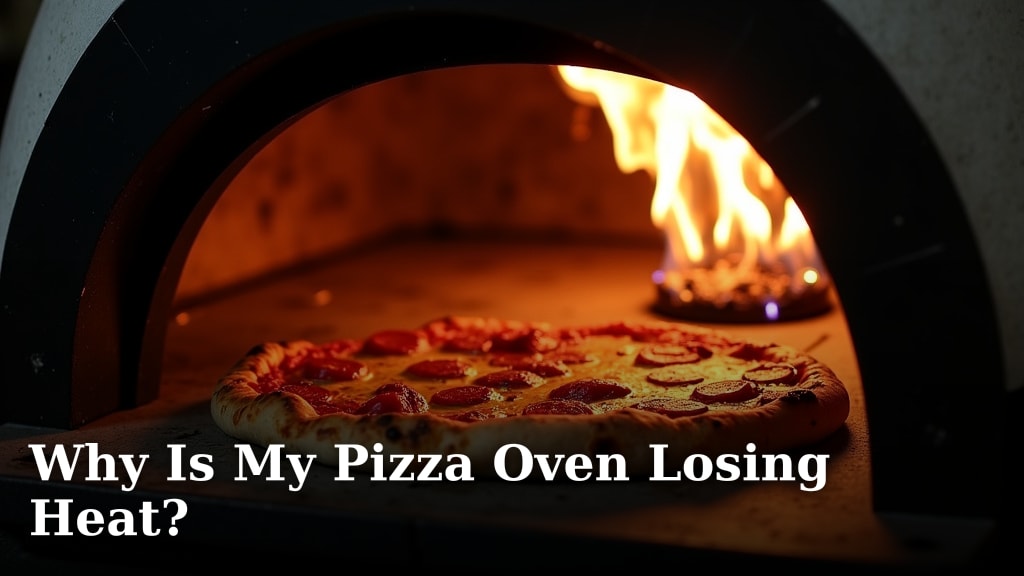
Your pizza oven is losing heat because of common issues like a poorly sealed door, a cracked baking stone, or even just using the wrong type of wood. These problems stop your oven from reaching and holding the high temperatures needed for perfect pizza.
It’s frustrating when your pizza isn’t cooking right, isn’t it? We understand that a good pizza oven needs to get super hot. Maintaining consistent heat is key for that delicious, crispy crust you dream about. But sometimes, things just don’t go as planned.
- Door seals can leak heat.
- Cracks in your stone aren’t good.
- The wrong fuel choice matters a lot.
- Cold weather can affect oven performance.
- Over-firing can damage your oven.
Don’t worry! We’ll walk you through the top reasons why your pizza oven might be losing heat and what you can do about it. Let’s get that oven roaring again for amazing homemade pizza!
Why Your Pizza Oven Can’t Hold onto Heat
Is your pizza oven struggling to stay hot? This usually happens when heat escapes or the oven can’t generate enough heat in the first place. You need consistent, high temperatures for that perfect, crispy crust.
Think of it like a leaky bucket; if you keep pouring water in but it’s leaking out, it will never fill up. The same principle applies to your pizza oven’s heat.
Heat Escaping from Your Oven
One of the biggest culprits for a cold pizza oven is heat loss. If your oven isn’t properly sealed, that precious heat will simply vanish into thin air.
You might be surprised how small gaps can make a big difference in temperature retention. Every little opening can act as an escape route for heat.
Poorly Sealed Door or Gaps
Does your oven door close tightly? A loose or damaged door seal is a very common problem. We found that even a hairline gap can cause significant heat loss.
Check around the edges of your oven door. Do you see any light coming through when it’s closed? Can you feel a draft? This indicates that your door seal isn’t doing its job.
Over time, door seals can crack, shrink, or become brittle from repeated heating and cooling. This wear and tear reduces their effectiveness dramatically.
Cracks in the Oven Structure
hairline cracks can develop in your oven’s dome or floor, especially in brick or clay ovens. These cracks are like tiny chimneys, allowing heat to escape.
Inspect your oven carefully, both inside and out. Look for any visible fissures or damage. Even small cracks can compromise your oven’s ability to retain heat.
While some cracks are cosmetic, others can signal a deeper problem with your oven’s structure. It’s often worth consulting your oven’s manual or a professional if you spot major damage.
Issues with Your Baking Surface
The surface your pizza cooks on plays a vital role in heat transfer and retention. A damaged or incorrect baking surface can lead to uneven cooking and cooling.
The baking surface needs to absorb and radiate heat efficiently to cook the underside of your pizza properly. If it’s not working right, your pizza will suffer.
Cracked or Damaged Baking Stone
Baking stones and ceramic oven floors endure a lot of stress. They get very hot and then cool down, which can lead to cracking. A cracked baking stone won’t hold heat as effectively.
When a stone cracks, it creates air pockets. These air pockets act as insulation, preventing heat from transferring evenly to your pizza. We found this to be a frequent problem.
A severely cracked stone might even break into pieces. This not only causes heat loss but also creates an unstable surface for your pizza, making it much harder to bake.
Improper Stone Material or Thickness
Not all baking stones are created equal. Some materials are better than others at retaining heat. For example, a thinner, cheaper stone might not hold enough heat for multiple pizzas.
Many experts say that cordierite stones are excellent for pizza ovens because they are durable and have good thermal shock resistance (Journal of Materials Science).
Make sure your baking surface is designed for high temperatures and is thick enough to store significant heat. A thin stone will cool down too quickly once you place a cold pizza on it.
Fuel and Firing Fundamentals
It’s not just about what kind of oven you have; it’s also about how you use it. Your fuel choice and firing technique are crucial for achieving and maintaining high temperatures.
You can have the best oven in the world, but if you’re using the wrong fuel or firing it incorrectly, you’ll still struggle with heat retention. It’s a combination of factors.
Using the Wrong Type of Wood
For wood-fired ovens, the type of wood you use matters immensely. Green wood or softwoods burn quickly and produce a lot of smoke, but not enough heat. You need well-seasoned hardwood.
Hardwoods like oak, maple, ash, or fruit woods burn hotter and longer. They also impart a delicious flavor to your pizza. Never use treated lumber or painted wood, as those can release toxic fumes.
Moisture content is key. We found that wood with high moisture content (over 20%) uses a lot of energy just to evaporate the water, reducing the heat output available for cooking.
Insufficient Preheat Time
Are you rushing the preheat process? An oven needs a significant amount of time to reach and stabilize its temperature. This isn’t like a home kitchen oven that warms up in 15 minutes.
Pizza ovens require a long preheat, often 1-2 hours or even more, depending on the oven type and size. The goal isn’t just to get the air hot, but to get the entire oven structure heat-soaked.
When the dome, floor, and walls are fully saturated with heat, they act like a thermal battery, radiating consistent heat back into the cooking chamber, even after the flame dies down a bit.
Over-firing Your Oven
While you want a hot oven, pushing it too hard, too fast, can actually cause problems. Rapid, intense heating can lead to thermal shock, which can damage your oven materials.
Thermal shock can cause cracks in your baking stone or even in the oven structure itself. It’s better to build the heat gradually and consistently rather than trying to blast it to temperature.
We found that consistent, moderate firing over a longer period is more effective and healthier for your oven than short bursts of extreme heat. Slow and steady wins the race for longevity and performance.
| Problem Category | Common Symptoms | Impact on Heat |
|---|---|---|
| Structural Integrity | Visible cracks, gaps around door, loose door | Direct heat escape, uneven heating |
| Baking Surface | Cracked stone, thin stone, porous material | Poor heat retention, rapid cooling, inconsistent crust |
| Fuel/Firing | Lots of smoke, quick burn, uneven flame, short heat duration | Insufficient heat generated, inability to reach target temps |
| Environmental Factors | Oven cools quickly on cold days, difficulty starting fire | Increased heat loss to ambient air, slower preheat |
External Influences on Oven Temperature
Sometimes, the problem isn’t with your oven or your technique, but with the world around it. External factors can have a surprising impact on your pizza oven’s performance.
You might be doing everything right, yet still struggle because of something completely out of your control. Understanding these factors can help you adjust your approach.
Cold Weather Conditions
Trying to fire up a pizza oven on a freezing cold day is tough. The colder the ambient air, the more heat your oven will lose to its surroundings. It’s like trying to heat your house with the windows open.
On cold days, you might need a longer preheat time and more fuel to reach your desired temperature. The oven has to work harder to overcome the temperature difference.
Consider using an insulated oven cover if you cook in colder climates. This can help prevent some heat loss and make your oven more efficient in low temperatures.
Maintaining Your Oven
Regular maintenance is crucial for your oven’s longevity and performance. Just like a car needs oil changes, your pizza oven needs a little TLC to keep firing on all cylinders.
Neglecting small issues can lead to bigger, more expensive problems down the road. A little attention now can save you a lot of headache later.
Lack of Regular Cleaning
Ash and debris can build up in your oven, especially if you have a wood-fired model. This buildup can insulate the oven floor, preventing it from heating up properly.
Clean out excess ash from the oven floor regularly. A clean oven allows for better airflow and more efficient heat distribution.
While a little ash is fine, a thick layer can act as a barrier, reducing the heat transfer to your pizza stone. Keep it tidy for optimal results.
Quick Checklist for Heat Loss
Before you dive into major repairs, run through this quick checklist. It often helps pinpoint the issue.
- Is your oven door closing tightly without any visible gaps?
- Are there any cracks in your baking stone or oven dome?
- Are you using dry, seasoned hardwood for fuel?
- Have you preheated your oven for a minimum of 60-90 minutes?
- Is the ambient temperature significantly colder than usual?
- Have you cleaned out excess ash and debris from the oven?
Running through these basic checks can often help you identify and fix the problem. Sometimes, the solution is much simpler than you expect!
Conclusion
Don’t let a finicky oven put a damper on your pizza night. You now understand the common culprits behind heat loss, from tiny door gaps to using the wrong fuel. By systematically checking your oven’s seals, inspecting its structure, and ensuring you’re using proper firing techniques, you can pinpoint the problem.
Remember, a little patience with preheating and consistent maintenance go a long way. Take action on these tips. You’ll be back to churning out perfectly crispy, piping-hot pizzas in no time.
Frequently Asked Questions
How often should I inspect my pizza oven for cracks?
You should visually inspect your pizza oven for cracks before each use, especially if it’s a brick or clay model. Pay close attention to the dome and baking surface. Early detection can prevent minor issues from becoming major repairs.
Can a dirty chimney cause my pizza oven to lose heat?
Yes, a dirty or obstructed chimney can definitely hinder your oven’s performance. Soot and creosote buildup restrict airflow, preventing proper combustion and heat distribution. This means your oven will struggle to reach and maintain high cooking temperatures.
What’s the ideal temperature for a pizza oven and how do I measure it accurately?
Most pizza ovens reach optimal temperatures between 700-950°F (370-510°C) for traditional Neapolitan-style pizza. We recommend using an infrared thermometer to measure the surface temperature of your baking stone. This gives you a precise reading of where your pizza will actually cook.
Is it normal for a pizza oven to smoke a lot during startup?
A little smoke during the initial startup is normal, especially as the wood catches fire. However, excessive, thick, white smoke usually indicates that your wood is too wet (not seasoned) or that you have insufficient airflow. Aim for a clean, almost invisible heat haze once the fire is established.
How can I protect my outdoor pizza oven from cold weather heat loss?
To combat cold weather heat loss, consider investing in a high-quality, insulated cover specifically designed for your oven type. Some people also build protective enclosures around their ovens. These additions help retain residual heat and reduce the energy needed for subsequent firings, especially in colder climates.