Cast Iron vs Enameled Dutch Ovens: Which Suits You? (November 2026)
Choose enamel for easy, no-seasoning care with acidic foods, and choose bare cast iron for high-heat searing and a seasoned surface you maintain yourself. In this cast iron dutch oven vs enamel dutch oven comparison, your cooking style and cleaning habits decide the winner.
On this page (9 sections)
- Cast iron dutch oven vs enamel dutch oven at a glance
- Seasoning: the biggest daily difference
- Food compatibility: acids, marinades and storage
- Care requirements: washing, drying and rust
- Cooking versatility: stovetop, oven and table
- The four enamel picks side by side
- Who should buy bare cast iron
- Who should buy enamel
- Verdict: cast iron dutch oven vs enamel dutch oven
Choose enamel for easy, no-seasoning care with acidic foods, and choose bare cast iron for high-heat searing and a seasoned surface you maintain yourself. In this cast iron dutch oven vs enamel dutch oven comparison, your cooking style and cleaning habits decide the winner.
A bare cast iron pot relies on seasoning, which is a layer built from oil and heat over time. That surface can brown and release food well when it is cared for.
An enameled pot puts a porcelain coating over the same cast iron core.
That coating changes food compatibility, care and rust risk. It does not change the basic heat retention of cast iron.
Both types hold heat well and move from stovetop to oven.
Our score weighs specs, features and buyer feedback against what you are shopping for. We compared the models below by capacity, heat limit, weight, care and lid design.
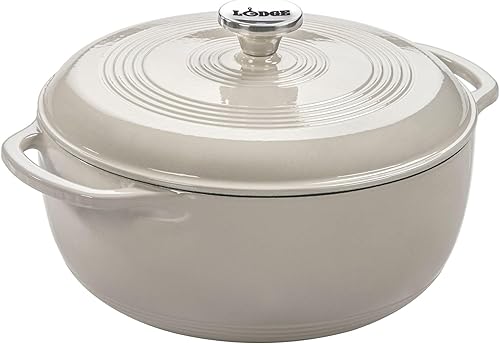 Best for white enamel, set-and-forget cooking
Lodge Essential Enamel Cast Iron Dutch Oven
 Best for blue enamel on a budget
Amazon Basics Enameled Cast Iron Dutch Oven
Cast iron dutch oven vs enamel dutch oven at a glance
Enamel wins on care and food choice; bare cast iron wins on searing and simple repair. Use the table below to match each trait to your kitchen habits.
| Trait | Bare cast iron | Enameled cast iron |
|---|---|---|
| Surface | Seasoning from oil and heat | Porcelain enamel coating |
| Seasoning needed | Yes, after washing and drying | No |
| Acidic foods | Brief contact is common; long simmering can wear seasoning | Handles acidic foods; surface does not react |
| Rust risk | Can rust if left wet | Resists rust |
| Cleaning | Wash, dry well, light oil coat | Warm, soapy water; dishwasher safe in many cases |
| Heat limit in these picks | Depends on model | 500 degrees Fahrenheit for the picks below |
| Main risk | Sticking if seasoning is thin | Chipping if dropped or struck |
The four picks in this comparison are all enameled models, at 6 quarts. They show what enamel gives you in daily use.
If you want bare cast iron, read the next sections for seasoning and care.
Our best cast iron dutch oven pot guide covers bare models in more depth. This post focuses on how the two surfaces compare.
Seasoning: the biggest daily difference
Bare cast iron needs seasoning; enamel does not. That one fact shapes your routine more than any other in this cast iron vs enamel dutch oven choice.
Seasoning is not a spray you apply once. It builds as you cook with oil, and you renew it with a thin oil coat after washing and drying.
A well-seasoned surface can brown food and release it with less sticking.
Enamel skips that step. The Lodge Essential enamel models are PFAS free and designed so you do not fear rust.
You can wash them and put them away without an oil coat.
For a busy cook, that saved step matters. For a cook who likes maintaining cast iron, the seasoning ritual is part of the appeal.
Be honest about which group you are in.
If you buy bare cast iron, plan to dry it on the stove or with a towel right after washing. Store it dry, and add a light coat of oil if the surface looks dull or dry.
If you buy enamel, plan to protect the coating instead. Use nylon or silicone tools, avoid sudden temperature shocks, and do not bang the lid or sides.
Our best cast iron dutch oven no enamel post lists bare options if you want that seasoned route. Our best lodge cast iron enamel cookware post covers Lodge enamel pieces if you want no seasoning.
How seasoning affects browning
A seasoned surface can handle high heat and create a crust on meat, vegetables and bread crusts. That is why many cooks keep a bare pot for searing.
Enamel also browns food, but its surface is smooth and glassy. It releases food well, yet it will not build flavor layers the way a seasoned surface can over time.
Neither surface removes the need for proper preheating. Let the pot warm before you add oil and food, and do not overload it with cold ingredients.
Food compatibility: acids, marinades and storage
Enamel is the clear pick for acidic foods, marinating and storing food in the pot. Bare cast iron can cook tomatoes, but long, wet simmering can wear seasoning.
The Lodge enamel description notes that the porcelain surface stands up to acidic ingredients and will not react with food. You can marinate, cook, refrigerate and serve in the same pot.
The Amazon Basics enamel pot also uses a smooth enamel finish for lasting strength. It is described for roasting, baking, sautéing, cooking and stewing.
A 6 quart pot suits 4 to 6 people, according to Amazon Basics. That size fits a whole chicken, a large batch of stew, or a loaf of bread with room for steam.
For storage, enamel has an edge. You can refrigerate leftovers in the pot, then reheat them in the same vessel.
Bare cast iron is better stored empty and dry.
If you often make tomato sauce, chili, citrus braises or vinegar-based marinades, enamel will save you worry. If your acidic cooking is short and occasional, bare cast iron can still work with care.
Care requirements: washing, drying and rust
Enamel is easier to wash and dry; bare cast iron needs drying and oil to prevent rust. Choose the care style you will actually follow.
Lodge says its enamel pot is dishwasher safe, but hand washing with warm, soapy water and a nylon scrub brush is recommended. That advice keeps the finish in shape longer.
Amazon Basics says to hand wash with warm, soapy water, and to avoid citrus-based cleaners and metal utensils. Those limits protect the enamel from scratches and stains.
Bare cast iron care is different. Wash it, dry it fully, and apply a thin oil coat.
Leave it wet in a sink, and rust can start. Store it with air flow, not sealed in a damp case.
Enamel resists rust because the coating seals the iron. Bare cast iron has no such seal, so drying is not optional.
A towel dry plus a few minutes on low heat helps.
Both types need caution with heavy knocks. Enamel can chip and expose iron, which can then rust.
Bare cast iron can crack if dropped from height, though it is very durable in normal use.
A cast iron skillet faces the same seasoning and drying rules. If you already handle a skillet, you know whether that routine fits you.
Cooking versatility: stovetop, oven and table
Both types are versatile, and the enamel picks below are stovetop compatible and oven safe to 500 degrees Fahrenheit. That limit covers most braises, roasts and bread baking.
The Lodge enamel models list marinating, baking, simmering and refrigerating among their uses. The Amazon Basics model lists roasting, baking, sautéing, cooking and more.
Dual handles appear on all four picks. They help you move a heavy, full pot from stovetop to oven or table.
A 6 quart pot weighs about 13 to 15 pounds empty, so full weight matters.
The Lodge models have a cast iron lid with a moisture-sealing design. That helps trap steam for braising, slow cooking and bread baking.
The Amazon Basics model also has a cast iron lid.
Bare cast iron dutch ovens offer the same stovetop-to-oven versatility. For outdoor meals, see cast iron Dutch ovens for camping.
The difference is surface, not shape.
Both can sear on the stove, then finish in the oven.
For bread baking, a tight lid and even heat help the crust set. Lodge lists bread baking among the ideal uses for its enamel models.
Amazon Basics lists baking among its uses as well.
If you need a larger pot for a large family or batch cooking, check size before you order. Our 12 inch cast iron dutch oven guide helps you compare diameter and capacity.
Heat retention and even cooking
Cast iron holds heat and spreads it with few hot spots. That helps a pot simmer steadily on low heat and finish cooking in the oven.
Enamel does not add heat retention, but it does not reduce it either. The iron core does the work.
The coating gives you a non-reactive cooking surface.
Preheat the pot on medium heat, not high heat, unless a recipe calls for searing. Add oil after the surface is warm, then add food.
The four enamel picks side by side
All four picks are 6 quart enameled cast iron pots with dual handles, so color, weight and care details decide between them. Scores are close because the core design is similar.
The Lodge Essential Enamel in Oyster White scores 9.6. It weighs 14.9 pounds, measures about 13.25 inches wide by 6 inches high, and has a 10.9 inch diameter.
Its white finish suits a light kitchen.
The Amazon Basics Enameled model in Blue also scores 9.6. It weighs 13.1 pounds and is rated for 4 to 6 people.
It is the lightest of the four.
The Lodge Essential Enamel in Caribbean Blue scores 9.5. It weighs 13.5 pounds and includes 6 pot protectors for storage.
Those protectors help prevent chipping and moisture build up.
The Lodge Essential Enamel in Island Spice Red scores 9.4. It weighs 13.5 pounds and measures about 13.25 by 13.25 by 6 inches.
Its red finish suits a bold kitchen.
Our best enameled cast iron dutch oven guide covers more enamel colors and sizes. Use it if none of these four colors fits your kitchen.
Which color and weight should you pick?
White shows stains more, but it also shows when a pot is clean. Blue and red hide light discoloration better, and Caribbean Blue adds a calm accent.
Weight differences of 1 to 2 pounds matter when a pot is full. The Amazon Basics model at 13.1 pounds is easier to lift than the Oyster White Lodge at 14.9 pounds.
All four are round. A round pot fits most burners and oven spaces well.
Oval pots fit a whole chicken with less liquid, but these picks are round.
Who should buy bare cast iron
Buy bare cast iron if you sear often, like seasoning, and will dry and oil the pot after each use. That cook gets the most from a seasoned surface.
Bare cast iron suits high-heat browning, crusty bread, and foods that benefit from a seasoned pan. It also suits cooks who prefer a surface they can renew with oil.
It also suits a cook who already maintains a cast iron skillet and enjoys that routine. If seasoning feels like a chore, enamel will fit better.
Bare cast iron is a good pick if you cook mostly non-acidic foods. Think roasted vegetables, braised short ribs with little tomato, cornbread, and crusty loaves.
It is less ideal if you want to store leftovers in the pot for days. It is also less ideal if you often leave dishes to soak overnight.
Choose bare cast iron for flavor and control. Choose enamel for ease and food choice.
Both are durable when you follow their care rules.
Who should buy enamel
Buy enamel if you cook acidic foods, want no seasoning, and prefer easy washing and storage. That cook gets the most from a porcelain surface.
Enamel suits tomato sauces, chili, citrus chicken, vinegar marinades, and beans. It also suits cooks who want to marinate and refrigerate in the same pot.
It suits busy households and newer cooks. You wash with warm, soapy water, dry it, and store it.
No oil coat is needed.
The picks below cover the main enamel choices in this comparison. The Lodge models are PFAS free and dishwasher safe, with hand washing recommended.
The Amazon Basics model is hand wash only.
Our best lodge cast iron enamel cookware post helps if you prefer Lodge enamel across your set. Our how to choose wood for a pizza oven guide is for a different fuel choice, but it shows how heat and surface affect cooking.
If you use a wood-fired oven for pizza, our what do you need to choose wood for a pizza oven post covers fuel and heat in a similar way. A dutch oven and a pizza oven solve different problems.
Verdict: cast iron dutch oven vs enamel dutch oven
Pick enamel for acidic foods, easy care and storage in the pot; pick bare cast iron for searing, seasoning and a surface you control. Your habits decide, not a small spec gap.
For enamel, the Amazon Basics Enameled Cast Iron Dutch Oven in Blue is the lightest pick at 13.1 pounds. The Lodge Essential Enamel in Oyster White is a strong pick if you want white and do not mind extra weight.
The Lodge Caribbean Blue model adds pot protectors for storage. The Lodge Island Spice Red model gives you the same 6 quart enamel design in red.
If you choose bare cast iron, commit to drying and a light oil coat after each wash. If you choose enamel, commit to nylon tools and gentle washing to avoid chips.
Start with the foods you cook most. Change the surface to fit those foods, and the pot will serve you well for years.
Frequently asked questions
Is a cast iron dutch oven better than an enamel one?
Bare cast iron is better for high-heat searing and for cooks who will season and dry it after each use. Enamel is better for acidic foods, marinating and easier cleanup.
Choose based on the foods you cook most and the care you will do each time.
Can you cook acidic foods in a cast iron dutch oven?
Enamel is the safer choice for long-cooked tomato sauces and marinades, because the porcelain surface does not react with food. Bare cast iron is fine for brief acidic contact for many cooks, but enamel removes that worry for slow cooking.
Do enamel dutch ovens need seasoning?
No. The enamel coating is the non-reactive surface, so you do not season it.
Wash with warm, soapy water and a nylon scrub brush as Lodge recommends, and avoid metal utensils that can chip the finish.
Which is easier to clean, cast iron or enamel?
Enamel is usually easier for everyday cleanup because it resists rust and stains and can go in a dishwasher. Bare cast iron needs drying and a light oil coat after washing to protect the seasoning.
Hand washing is recommended for both to protect the surface.


