
What Is a Multi Fuel Pizza Oven and How Does It Work?
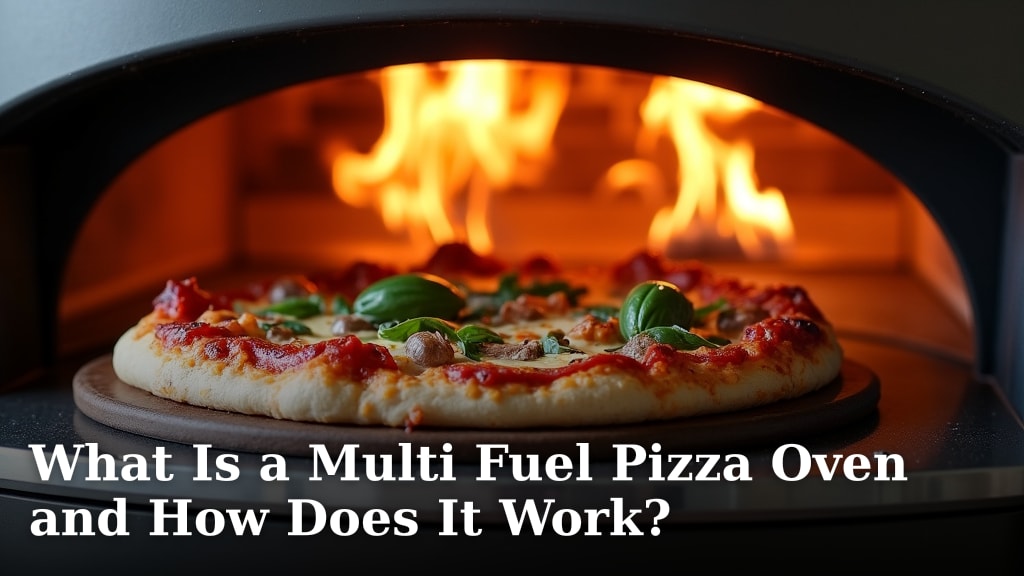
A multi-fuel pizza oven is a versatile cooking appliance that can run on more than one type of fuel, giving you flexible cooking options. This means you can often switch between wood, gas, or sometimes charcoal to heat your oven. It’s like having several ovens in one handy unit.
These ovens are perfect for anyone who loves making homemade pizza but wants choices. You can get that classic smoky wood-fired taste or the convenience of quick gas heating. We found that this flexibility makes them very popular for backyard chefs and pizza enthusiasts.
- A multi-fuel pizza oven uses different fuel types.
- You can choose between wood, gas, or charcoal.
- It offers both smoky flavor and heating convenience.
- These ovens are popular for versatile outdoor cooking.
Ready to discover how these amazing ovens work their magic? Let’s dive into all the details and explore their different features.
Understanding Multi-Fuel Pizza Ovens: What Are They?
A multi-fuel pizza oven is a clever appliance designed to give you more choices for cooking. Instead of being stuck with just one heat source, you can switch between fuels. Think of it as a chameleon for your backyard kitchen!
These ovens are built with components that allow them to handle different types of combustion. For example, a model might let you use wood one day for that authentic taste, and then easily switch to gas the next for a quick weeknight meal. We found this adaptability is what makes them so popular.
How They Offer Fuel Flexibility
The secret to their flexibility lies in their design. Multi-fuel ovens come with interchangeable parts or built-in mechanisms that accommodate various fuel sources. This isn’t just a gimmick; it’s a core feature that enhances your cooking experience.
You might have a chamber for wood or charcoal on one side and a gas burner attachment on the other. It’s like having two tools in one handy package. This means you can adapt to different cooking needs or even different weather conditions, which is pretty neat.
Common Fuel Types Used
What fuels can you usually expect to use? The most common combinations involve wood, gas (propane or natural gas), and sometimes charcoal. Each fuel brings its own benefits to the table.
Wood offers that classic, smoky flavor and a higher heat. Gas provides convenience and precise temperature control. Charcoal can give a nice sear and a different kind of smoky profile. It’s all about having options.
The Mechanics Behind Multi-Fuel Operation
How does one oven manage to burn different fuels effectively? It comes down to smart engineering and specialized components. There isn’t just one universal design, but common principles apply to most models.
Generally, you’ll find systems that allow for easy conversion or simultaneous use of different fuel sources. The oven’s structure must be robust enough to handle various heat outputs and residue from different fuels.
Wood-Fired Operation
When you use wood in a multi-fuel oven, you’re tapping into the traditional way of making pizza. Wood chunks or logs are placed in a dedicated burn chamber, typically at the back or side of the oven.
As the wood burns, it heats the oven dome and cooking surface. The flames also create a radiant heat that cooks the top of your pizza quickly. Many enthusiasts love the distinct char and flavor wood imparts (Journal of Food Science).
Gas-Fired Operation
Switching to gas usually involves a burner attachment. This burner is connected to a propane tank or a natural gas line. It’s often positioned at the back or underneath the oven.
Gas provides a steady, controllable heat. You can often adjust the flame intensity with a knob, much like a gas grill. This means consistent temperatures and less effort managing the fire, which is great for beginners. For those just starting, our guide to the best outdoor pizza oven for beginners can provide helpful insights.
Charcoal Operation (Less Common, But Available)
Some multi-fuel ovens also support charcoal. Charcoal burning is similar to wood, requiring a dedicated spot for the briquettes or lump charcoal. It generates a high, even heat.
While charcoal doesn’t typically provide the same “flame kiss” as wood, it can offer a unique smoky flavor. It’s a good middle ground for some, giving a bit more flavor than gas without the full maintenance of wood.
Benefits of Choosing a Multi-Fuel Pizza Oven
Why would you want an oven that does it all? The advantages are numerous, especially if you value flexibility and variety in your outdoor cooking.
We found that users often highlight the convenience and the ability to experiment. It’s like having a culinary playground in your own backyard. You’re not limited to one style of cooking or one type of pizza.
Unmatched Versatility
The biggest perk is clearly versatility. You can decide based on your mood, the weather, or even the type of food you’re making. Need a quick pizza? Go with gas. Have time for a leisurely cookout? Light up the wood.
This means your oven isn’t just for pizza. Many multi-fuel ovens can also roast meats, bake bread, or even cook vegetables. It truly becomes a multi-purpose outdoor appliance.
Flavor Control
With different fuels, you get different flavors. Wood adds a depth of smoky aroma that gas can’t replicate. Gas offers a cleaner, more neutral taste. This allows you to fine-tune the flavor profile of your dishes.
Imagine making a classic Neapolitan pizza with wood, and then a crisp, thin-crust pizza with gas. You control the experience. This aspect alone makes them very appealing to food lovers.
Convenience vs. Tradition
Multi-fuel ovens offer the best of both worlds: the speed of modern gas with the charm of traditional wood-firing. You don’t have to choose between a quick meal and an authentic experience.
Some days you might not want the hassle of managing a wood fire. On those days, gas is your friend. But for special occasions or when you want that true wood-fired taste, the option is always there.
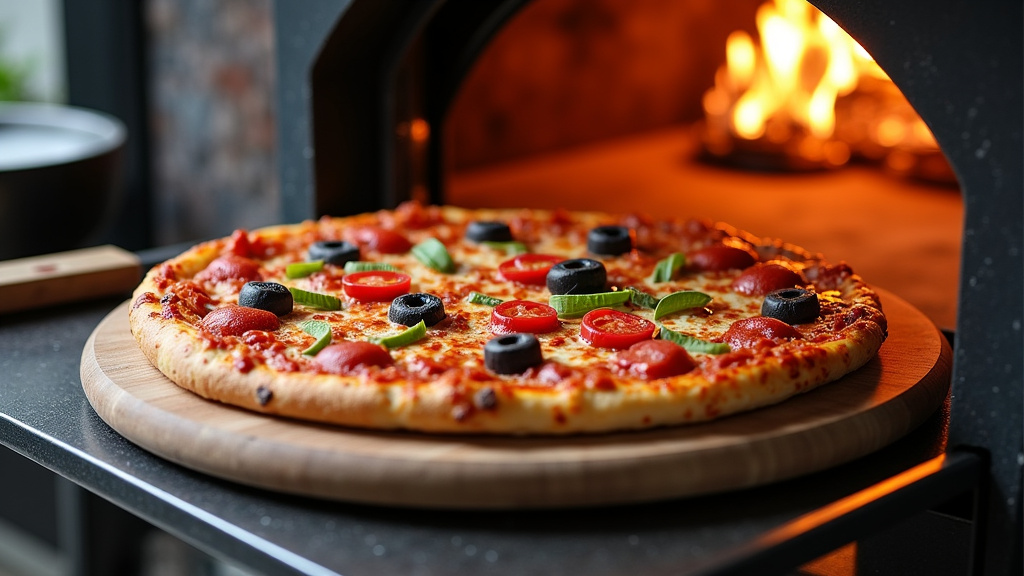
Comparing Fuel Types in a Multi-Fuel Oven
Let’s break down the different characteristics of each fuel type. This will help you understand when to use what, depending on your goals for your pizza night.
Each fuel has its own set of pros and cons regarding heat, flavor, and maintenance. Knowing these differences helps you make the most of your versatile oven.
| Feature | Wood | Gas | Charcoal |
|---|---|---|---|
| Heat-up Time | Longest (20-40 min) | Fastest (10-20 min) | Medium (25-35 min) |
| Max Temperature | Very High (900+°F) | High (800-900°F) | High (800-900°F) |
| Flavor Profile | Smoky, authentic char | Clean, neutral taste | Subtle smoky, seared |
| Ease of Use | Requires fire management | Push button, consistent | Needs tending, ash |
| Cost | Variable, can be lower | Moderate, convenient | Moderate |
Choosing the Right Multi-Fuel Oven for Your Needs
With so many options, how do you pick the best multi-fuel oven for your home? It really comes down to what you prioritize in your outdoor cooking.
Consider your space, your budget, and how often you plan to use it. Do you crave maximum authenticity, or is speed your main concern? We found these questions are key to making a good choice.
Key Factors to Consider
When shopping, keep a few things in mind. The size of the oven is important; do you have room for a large unit, or do you need something more compact? Also, think about the oven’s construction materials, as they affect heat retention and durability.
Another factor is the ease of switching between fuels. Some models are more user-friendly than others. Look for designs that make conversions simple and safe. Safety is always paramount when dealing with high heat and fuel.
A Quick Checklist Before Buying
- Will it fit in your outdoor space?
- Is the fuel-switching process straightforward?
- What’s your budget range for the oven?
- Are replacement parts (like gas burners) readily available?
- Does it offer the max temperature you need for your desired crust?
- What kind of pizza are you mostly going to make?
Ultimately, a multi-fuel pizza oven offers a world of culinary possibilities. It’s an investment in your outdoor kitchen that provides both performance and flexibility. It’s about creating those memorable meals, your way.
Conclusion
Choosing a multi-fuel pizza oven truly opens up your outdoor cooking possibilities. You gain the flexibility to match your mood and schedule, whether it’s a quick weeknight pizza with gas or a traditional wood-fired feast on the weekend. We found that this adaptability means you’re never limited to just one experience.
You can master different flavors and cooking styles, making your backyard kitchen a true culinary hub. Think about your cooking habits and desired results. Then, pick the multi-fuel oven that best fits your lifestyle and start creating some amazing pizzas and more!
Frequently Asked Questions
Can I switch fuels mid-cook with a multi-fuel oven?
Most multi-fuel ovens are designed for you to choose a fuel type before you start cooking. Attempting to switch fuels like wood to gas during operation can be unsafe and isn’t recommended. It’s best to let the oven cool down first if you need to change fuel sources.
Do multi-fuel ovens require more maintenance than single-fuel ovens?
Generally, multi-fuel ovens might require a bit more attention due to handling different fuel types. For example, wood and charcoal leave ash that needs cleaning, which gas ovens don’t. However, the added versatility often outweighs the slight increase in maintenance.
Are multi-fuel pizza ovens suitable for beginners?
Absolutely! The gas option in a multi-fuel oven is very beginner-friendly, offering quick heat-up and easy temperature control. As you gain confidence, you can then experiment with wood or charcoal to explore traditional flavors, making it a great learning tool.
What kind of wood is best for a multi-fuel pizza oven?
For the best results and flavor, we recommend using hardwoods like oak, maple, or fruitwoods (apple, cherry). These burn hotter and cleaner, imparting a pleasant smoky flavor to your pizza. Avoid softwoods, as they can produce more creosote and don’t burn as efficiently.
Can a multi-fuel oven reach the same high temperatures as a dedicated wood-fired oven?
Many multi-fuel ovens, especially when using wood, can indeed reach similar very high temperatures (900°F+) as dedicated wood-fired models. Gas burners in these ovens also reach excellent temperatures, often around 800-900°F. This ensures a perfectly crispy crust and quick cooking times.
