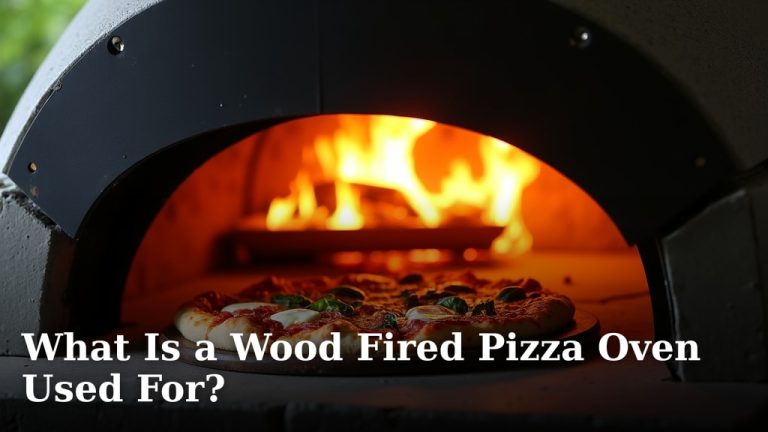
What Is a Wood Fired Pizza Oven Worth Buying for Home?

Yes, a wood-fired pizza oven is absolutely worth buying for your home if you love authentic pizza and outdoor cooking. We found that the unique flavor and high cooking temperatures make a big difference. It’s an investment, but the culinary rewards are huge for many home cooks.
You’ll get perfectly crispy crusts and bubbly cheese in just minutes. Many people find the experience of cooking with fire is really enjoyable too. It’s more than just a kitchen appliance; it’s a way to gather friends and family. Your backyard becomes a fun hub for delicious meals.
- Wood-fired ovens create unique, delicious pizza.
- They cook very fast at high temperatures.
- It’s a great way to entertain guests.
- Expect an investment in both cost and space.
- The cooking experience itself is a major draw.
Ready to find out if this is the right move for your home? Let’s walk through exactly what makes a wood-fired pizza oven worth it for you.
Considering a Wood-Fired Pizza Oven for Your Home?
You’re wondering if a wood-fired pizza oven is a smart addition to your backyard. We found that for many, it truly transforms outdoor cooking. It’s about more than just pizza; it’s an experience.
Let’s dive into the real benefits, costs, and practicalities so you can make an informed choice.
The Unique Magic of Wood-Fired Pizza
What makes pizza from these ovens so special? It comes down to three key factors: extreme heat, radiant heat, and smoky flavor.
Extreme High Temperatures
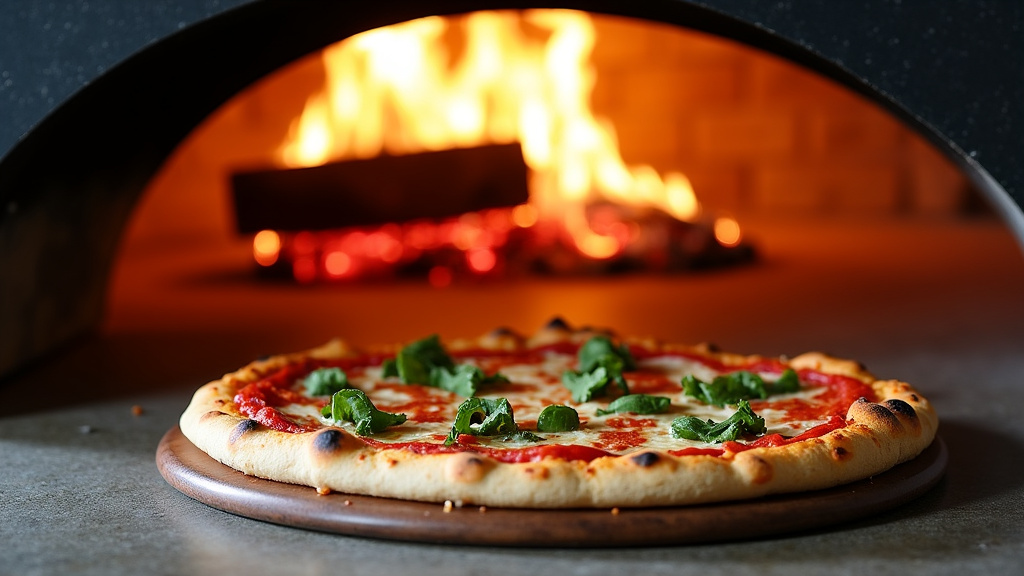
A good wood-fired oven can reach temperatures well over 800°F (425°C). Your home oven simply can’t do this. We found that this intense heat is crucial for authentic pizza.
- Fast Cooking: Pizzas cook in 60-90 seconds. This speed creates a perfect crust.
- Puffy Crust: The high heat causes the dough to puff up quickly. This leads to a light, airy, and chewy crust.
- Crispy Base: The intense heat from the oven floor crisps the bottom of your pizza beautifully. No soggy bottoms here!
Radiant Heat and Convection
Unlike a conventional oven, a wood-fired oven uses both radiant and convective heat. The flames and hot dome radiate heat directly onto your pizza. The air circulates, cooking toppings evenly.
This dual heating method cooks the pizza top and bottom simultaneously. It ensures everything is perfectly done, from the crust to the melted cheese (Food Science of Pizza).
Subtle Smoky Flavor
Burning wood imparts a subtle, earthy flavor to your food. This isn’t overwhelming; it’s a delicate hint that elevates the taste. It’s a flavor you just can’t replicate with gas or electric ovens.
Beyond Pizza: Versatility of Wood-Fired Ovens
While pizza is the star, these ovens are incredibly versatile. You can cook a surprising variety of dishes in them. We found many owners use theirs for much more than just weekly pizza nights.
- Roasted Meats: Cook chicken, roasts, or even a whole fish. The high heat seals in juices, creating tender, flavorful results.
- Baked Bread: Imagine fresh, crusty bread baked in your own oven. Many types of bread benefit from the intense heat.
- Vegetables: Roasting vegetables in a wood-fired oven brings out their natural sweetness. They get a lovely char and tender texture.
- Desserts: Yes, even desserts! Think baked apples, cobblers, or even cookies. As the oven cools down, it’s perfect for slower baking.
The residual heat after a pizza session is ideal for slower cooking. You can bake casseroles or even keep food warm for hours.
The Experience Factor: More Than Just Cooking
Owning a wood-fired oven is as much about the experience as it is about the food. It creates a focal point for gathering.
- Social Hub: Friends and family naturally gather around the oven. It’s a communal activity.
- Outdoor Entertainment: It turns your backyard into an outdoor kitchen and entertainment space. It’s perfect for parties.
- Hands-On Fun: There’s a joy in tending the fire and crafting your own pizzas. It’s a rewarding hobby for many.
- Unique Memories: Cooking with fire creates memorable moments. It’s a special way to spend time together.
Many people find the process of building the fire and watching the flames mesmerizing. It’s a calming and engaging activity, making it a great stress reliever after a long week.
Understanding the Investment: Costs and Space
A wood-fired pizza oven is an investment, both financially and in terms of space. It’s important to understand what this entails before you buy.
Initial Purchase Costs
Prices vary widely depending on size, materials, and whether it’s a portable unit or a permanent build. We found a general range for good quality home ovens.
| Oven Type | Typical Price Range (USD) | Key Features |
|---|---|---|
| Portable Stainless Steel | $400 – $1,500 | Lightweight, heats quickly, good for beginners, smaller cooking space. |
| Pre-fabricated Modular Kits | $1,500 – $4,000 | Requires assembly, more durable, better heat retention, larger size. |
| Fully Built Outdoor Ovens | $3,000 – $10,000+ | Ready to use, often includes stand/cart, highest quality materials, very durable. |
Consider your budget carefully. What are you comfortable spending for this type of cooking experience?
Installation and Setup
Portable ovens are easy to set up. Larger, heavier ovens might need professional help for placement. Permanent ovens may require a concrete pad or a custom-built base.
Factor in the cost of a sturdy stand or a dedicated outdoor kitchen space. Proper ventilation is also important for safety and performance.
Ongoing Fuel Costs
You’ll need dry, seasoned hardwood. Hardwoods like oak, maple, or ash burn hotter and longer. Softwoods create more smoke and creosote.
The cost of wood varies by region and quantity. A cord of wood can range from $200-$600. For casual use, a smaller amount will last a while.
Space Requirements for Your Oven
Where will your oven go? This is a practical question many people overlook. You need enough room not just for the oven, but also for safe operation.
- Clearance: Maintain safe distances from flammable structures. Manufacturers provide specific guidelines.
- Working Area: You’ll need space for preparing pizzas, storing tools, and stacking wood. Think about a small counter next to the oven.
- Ventilation: Ensure good airflow around the oven. Avoid enclosed spaces.
Consider prevailing winds in your yard. You don’t want smoke blowing directly into your house or your neighbor’s window (Fire Safety Council).
Maintenance and Care
Wood-fired ovens are generally low maintenance, but they do need some care. We found that simple habits keep your oven performing well for years.
- Cleaning the Ash: Scoop out ash after each use. A small metal shovel and bucket work well.
- Brushing the Floor: Use a wire brush on a long handle to clean the cooking surface.
- Protecting from Weather: If your oven isn’t under cover, a weather-resistant cover is a good idea. This prevents moisture damage.
- Checking for Cracks: Over time, minor hairline cracks can appear. These are usually cosmetic and normal due to heat expansion. Larger cracks might need professional review.
Proper curing of a new oven is also important. This involves a series of small fires to slowly dry out the oven and prevent future cracking (Oven Manufacturer Guides).
Is a Wood-Fired Pizza Oven Right for You? A Quick Checklist
Before making a decision, ask yourself these questions. We believe this helps clarify your needs and expectations.
- Do you genuinely enjoy cooking outdoors?
- Are you excited about a hands-on cooking process?
- Do you have the necessary outdoor space?
- Are you comfortable with the initial investment and ongoing fuel costs?
- Does the idea of making authentic, flavorful pizza excite you?
- Do you often entertain guests and enjoy gathering around food?
If you answered “yes” to most of these, a wood-fired pizza oven could be a fantastic addition to your home. It brings joy, delicious food, and a unique way to connect with friends and family.
Conclusion
Deciding if a wood-fired pizza oven is worth it for your home comes down to your lifestyle and priorities. We found that for those who love authentic flavors, enjoy outdoor cooking, and see value in creating a social hub, it’s a truly rewarding investment. You’re not just buying an appliance; you’re investing in experiences and delicious food.
We’ve walked you through the unique benefits, the versatility beyond pizza, and the practical considerations of cost and space. If you’re ready to transform your backyard into a culinary haven, start by assessing your outdoor area and budget. Then, choose the oven type that best suits your home and cooking aspirations.
Frequently Asked Questions
How long does it take to heat up a wood-fired pizza oven?
Heating times vary by oven type and size. Smaller, portable stainless steel ovens can reach cooking temperatures in 15-30 minutes. Larger, masonry ovens typically take 45-90 minutes to fully heat and stabilize.
Can I use any type of wood in my pizza oven?
For best results, use only dry, seasoned hardwood like oak, maple, apple, or cherry. Softwoods burn too fast, produce more smoke, and can leave a bitter taste on your food. Avoid treated wood or anything with paint.
Is it difficult to learn how to cook in a wood-fired oven?
Like any new skill, there’s a learning curve, but it’s very rewarding. You’ll quickly learn how to manage the fire, rotate pizzas, and recognize perfect doneness. Many owners find the hands-on process enjoyable and meditative.
Do wood-fired ovens attract pests or animals?
Generally, a clean and properly maintained oven will not attract pests. Always clean out ash and food debris after each use. Storing wood away from the oven and your home also helps prevent unwanted visitors.
How often do I need to clean my wood-fired pizza oven?
After each use, you should remove all ash from the oven floor and sweep the cooking surface. Deep cleaning, like brushing down the interior walls, is usually needed less often, perhaps every few uses or seasonally, depending on how frequently you use it.