
How Do You Choose Between Pizza Screen or Parchment Paper?
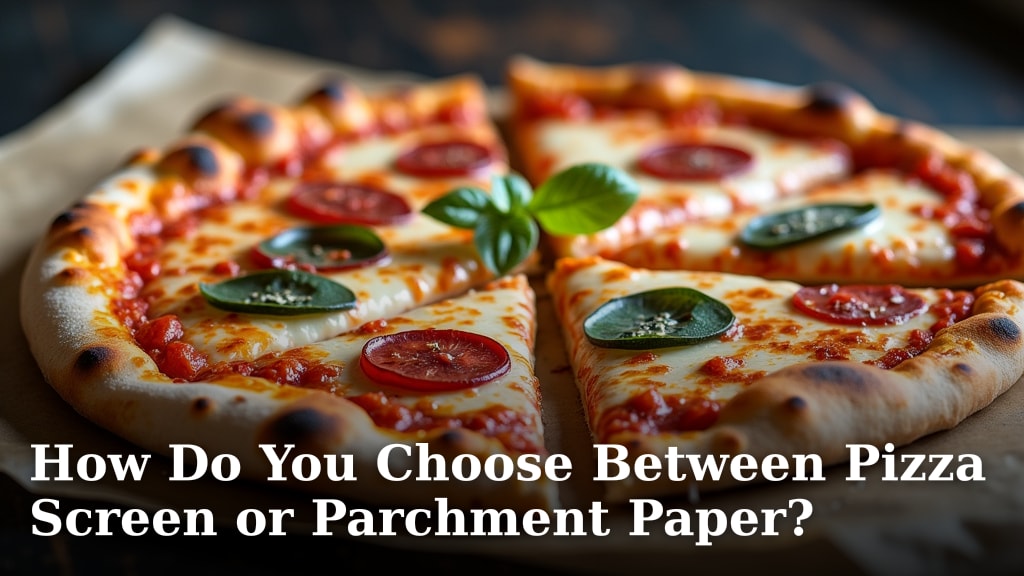
When you need to choose between a pizza screen or parchment paper for baking your pizza, the best choice depends on your desired crust. Use a pizza screen for a crispier bottom crust because it allows direct heat and air circulation. Opt for parchment paper for easier cleanup and a slightly softer crust, especially if you’re using a baking sheet.
Making great homemade pizza is all about getting that perfect crust. You want something that’s cooked just right, not soggy, and easy to manage. Both screens and parchment paper help you bake, but they serve different purposes in your kitchen. Knowing which one to grab can seriously up your pizza game.
TL;DR:
- Pizza screens give a crispy crust.
- Parchment paper makes cleanup super easy.
- Screens need pre-flouring to prevent sticking.
- Parchment is great for softer crusts or if you add many toppings.
- Consider your oven temperature and desired crust texture.
Let’s walk through exactly how these two kitchen heroes perform and help you pick the right one every time.
Picking Your Pizza Baking Surface: Screen or Parchment?
Choosing between a pizza screen and parchment paper comes down to the kind of crust you love and how easy you want cleanup to be. Each offers unique benefits for your homemade pizza.
Understanding the Pizza Screen: For Crispy Crust Lovers
A pizza screen is essentially a round, mesh disc, usually made of aluminum. Think of it like a window screen, but for your pizza. Its design is all about airflow.
How Pizza Screens Work Their Magic
When you place your pizza dough on a screen, and then put it in a hot oven, the heat gets right to the bottom. It’s not blocked by a solid surface. This direct heat and constant air circulation are key to a crisp, well-browned crust. It helps prevent that dreaded soggy bottom, which is a common pizza problem.
We found that screens are especially great for thinner crusts or when you want a really rustic, brick-oven-style finish. The perforations let moisture escape, which is vital for crunch.
Pros of Using a Pizza Screen
- Superior Crispy Crust: If your goal is maximum crunch, the screen is your friend.
- Even Cooking: Heat distributes very well through the mesh, cooking the bottom evenly.
- Better for High Temperatures: Screens can handle very high oven temperatures without issue.
- Reusable: A good quality screen will last you many pizza nights.
Cons of Using a Pizza Screen
- Sticking Potential: Dough can stick to the screen if it’s not properly floured or seasoned. This is a common complaint.
- Cleanup Can Be Tricky: Any cheese or sauce that drips through can bake onto the mesh, making cleaning a bit more effort.
- Requires Transferring: You often build your pizza elsewhere, then transfer it to the screen.
Understanding Parchment Paper: For Easy Cleanup and Softer Crusts
Parchment paper is a silicon-coated, heat-resistant paper. It’s super common for baking cookies, but it’s also a surprisingly handy tool for pizza.
How Parchment Paper Helps Your Pizza
Parchment paper creates a non-stick surface. This means your pizza dough won’t stick to your baking sheet or pizza stone. It also helps with easy transfer into and out of the oven. While it doesn’t give the same direct heat exposure as a screen, it’s fantastic for convenience. It provides a barrier that can result in a slightly softer, chewier crust, especially if you’re using a baking sheet.
Many home cooks love parchment paper for pizzas with lots of toppings. It holds everything together and makes moving the pizza a breeze (Food Network).
Pros of Using Parchment Paper
- Effortless Cleanup: This is its biggest selling point. Just toss the paper when you’re done.
- Non-Stick Surface: Your dough will never stick, even if it’s a bit wetter.
- Easy Transfer: You can build your pizza directly on the parchment paper and slide it onto a hot stone or steel.
- Versatile: Great for pizzas on baking sheets or even directly on oven racks if you’re careful.
Cons of Using Parchment Paper
- Less Crispy Crust: The paper acts as a barrier, so the bottom crust won’t be as crisp as with a screen.
- Temperature Limits: While heat-resistant, most parchment paper isn’t designed for super high temperatures (over 425-450°F) for extended periods. Always check the box.
- Single Use: You’ll use a new sheet each time, which can feel less eco-friendly than a reusable screen.
Key Differences at a Glance
Sometimes seeing it all laid out makes the choice clearer. Here’s a quick comparison:
| Feature | Pizza Screen | Parchment Paper |
|---|---|---|
| Crust Crispiness | Very High | Medium (softer) |
| Cleanup | More Effort (may require scrubbing) | Very Easy (dispose) |
| Sticking Risk | Higher (needs flouring) | Very Low (non-stick) |
| Transfer Ease | Moderate (can be tricky) | High (slide on/off) |
| Reusability | Yes, many times | No, single use |
| Cost | Higher initial, lower long-term | Lower per sheet, higher long-term |
| Ideal Oven Temp | Very High (up to 550°F+) | Moderate (up to 425-450°F) |
When to Choose Which One: Your Pizza Strategy
Let’s think about your pizza making style and what you hope to achieve. This often guides the best tool for the job.
Opt for a Pizza Screen If…
- You crave a super crispy, golden-brown bottom crust.
- You’re using a pizza oven or baking at very high temperatures (500°F+).
- You don’t mind a little extra effort for cleanup.
- You prefer a reusable, durable tool.
- You’re making thinner crust pizzas that benefit from direct heat.
Go for Parchment Paper If…
- Easy cleanup is your top priority after a long day.
- You want a slightly softer, chewier crust.
- You’re using a standard baking sheet or pizza stone in a home oven (up to 450°F).
- You’re worried about your dough sticking.
- You load up your pizza with lots of juicy toppings that might make a mess.
- You need to easily transfer your pizza from your prep area to a hot oven surface.
Can You Use Both? A Hybrid Approach
Absolutely! Some pizza enthusiasts even use both for a clever trick. You can launch your pizza on parchment paper onto a hot pizza stone or steel. After about 5-7 minutes, once the crust has set, you can often gently slide the parchment paper out from under the pizza. This allows the crust to finish baking directly on the hot surface, maximizing crispness while still getting the easy transfer. Just be careful when doing this!
Important Considerations for Both Methods
No matter which you choose, a few general pizza-making tips apply.
Preheating is Your Best Friend
Always preheat your oven and any baking surface (stone, steel, or even a baking sheet) thoroughly. This is critical for getting a good “oven spring” and a well-cooked crust. A cold surface equals a sad, pale crust.
Don’t Overload Your Pizza
Too many toppings can make any pizza soggy, regardless of your baking surface. Keep it reasonable! Excessive moisture from toppings can negate the benefits of a pizza screen’s airflow.
Your Pizza-Making Checklist: Screen or Parchment?
Here’s a quick mental checklist to help you decide on the spot:
- Do I want the crispiest crust possible? (Screen)
- Is easy cleanup my number one goal tonight? (Parchment)
- Am I baking at super high temperatures (over 450°F)? (Screen)
- Do I have sticky or delicate dough? (Parchment)
- Am I willing to do a little scrubbing later? (Screen)
- Do I prefer a slightly chewier crust texture? (Parchment)
Conclusion
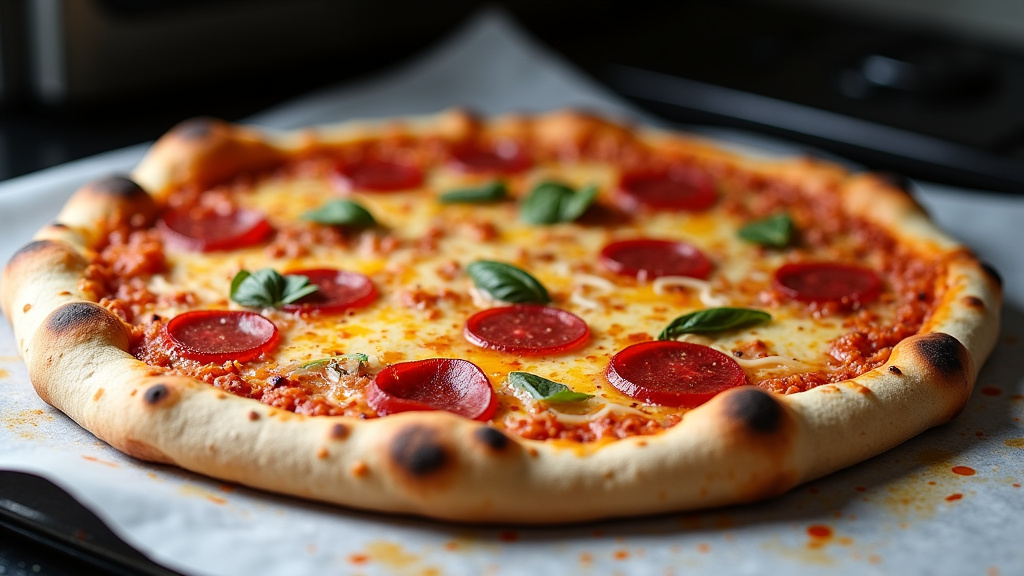
Ultimately, your choice between a pizza screen and parchment paper hinges on your desired crust and how much cleanup you want to do. For that perfectly crispy, pizzeria-style bottom, a pizza screen is your best bet, especially at higher temperatures. If convenience and easy cleanup are priorities, or you prefer a slightly chewier crust, parchment paper is an excellent, fuss-free option. Don’t be afraid to experiment, or even try a hybrid approach, to discover what makes your homemade pizza truly perfect for you. Happy pizza making!
Frequently Asked Questions
Can I put parchment paper directly on my oven rack for pizza?
You can, but it’s generally not recommended for stability. While parchment paper is heat-resistant, placing it directly on the rack can make your pizza flimsy and difficult to manage. For best results, use parchment paper on a baking sheet, pizza stone, or pizza steel.
How do I prevent dough from sticking to a pizza screen?
To prevent sticking, always flour your pizza screen generously before placing the dough on it. A light dusting of cornmeal or semolina also works wonderfully to create a non-stick barrier and add extra crispness. Ensure your screen is clean and dry before use.
Is it safe to use parchment paper at high pizza-baking temperatures?
Most parchment papers are safe up to 425-450°F. Always check the temperature rating on your specific parchment paper box. Using it above its recommended temperature can cause it to scorch or become brittle, so it’s safer to use a pizza screen for very high-heat baking.
Does a pizza screen make the whole pizza crispier, or just the bottom?
A pizza screen primarily targets the bottom crust, making it significantly crispier due to direct heat exposure and airflow. While a crisp bottom can contribute to an overall better-textured pizza, it won’t directly make your toppings or the very edge of your crust crispier if those parts are soft.
Can I reuse parchment paper for another pizza?
It’s best not to reuse parchment paper for pizza. Once it’s been in the oven, especially with grease or sauce, it can become brittle, lose its non-stick properties, and potentially affect the taste or texture of a second pizza. For optimal results and food safety, use a fresh sheet each time.
